
As Americans grapple with rising fuel prices and persistent economic uncertainty, President Donald Trump’s continued focus on a proposed White House ballroom project is drawing increasing political attention, with critics arguing the initiative risks appearing disconnected from the financial concerns facing many households.
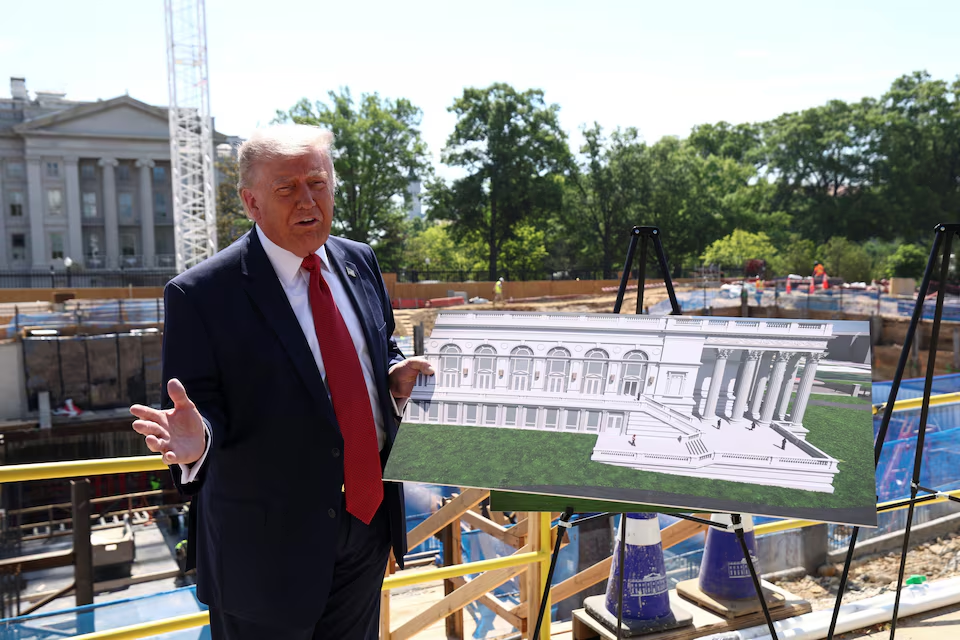
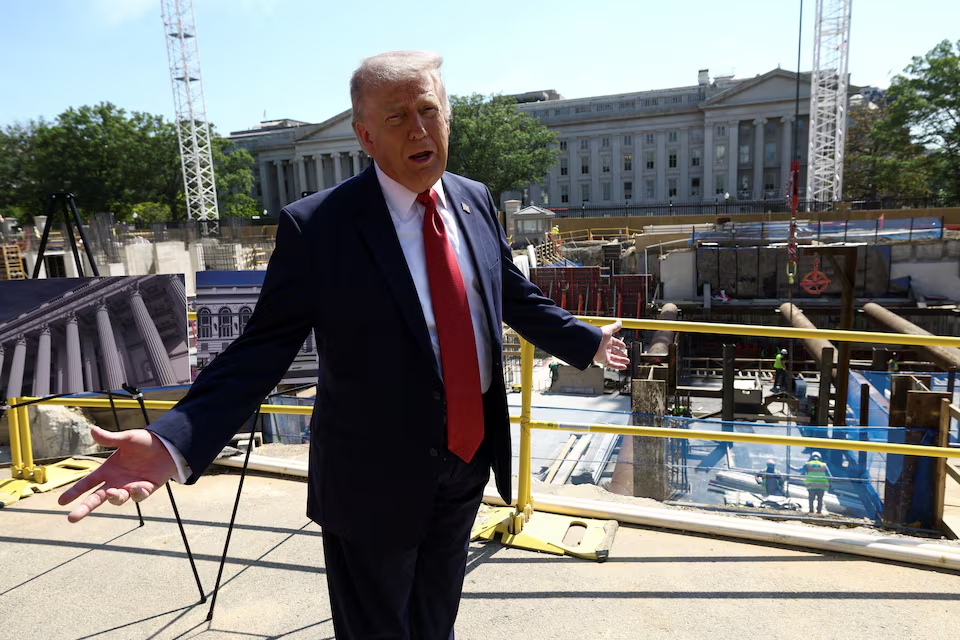
Standing before the construction site of the planned ballroom expansion near the White House complex on Tuesday, Trump urged Americans to remain patient amid economic strain linked to the conflict with Iran and volatility in energy markets.
“This is peanuts,” Trump said while discussing the broader economic impact of the crisis. “I appreciate everybody putting up with it for a little while. It won’t be much longer.”
The remarks quickly reignited debate in Washington over whether the administration’s emphasis on high-profile legacy projects is overshadowing voter concerns about inflation, fuel costs and the economy ahead of the November midterm elections.
Ballroom Project Becomes Signature Second-Term Initiative
The White House ballroom proposal has emerged as one of Trump’s most visible second-term initiatives.
The project, which the administration describes as part of a broader effort to modernize ceremonial spaces around the White House, has frequently appeared in Trump’s speeches, social media posts and public remarks.
According to reviews of the president’s public comments, Trump has referenced the ballroom dozens of times this year, often raising the subject during unrelated events, diplomatic meetings and press interactions.
Administration officials reject criticism that the initiative represents a vanity project.
“This is about legacy, not vanity,” one White House official said, arguing that Trump sees the ballroom as a long-term addition to the presidential complex and a symbol of national prestige.
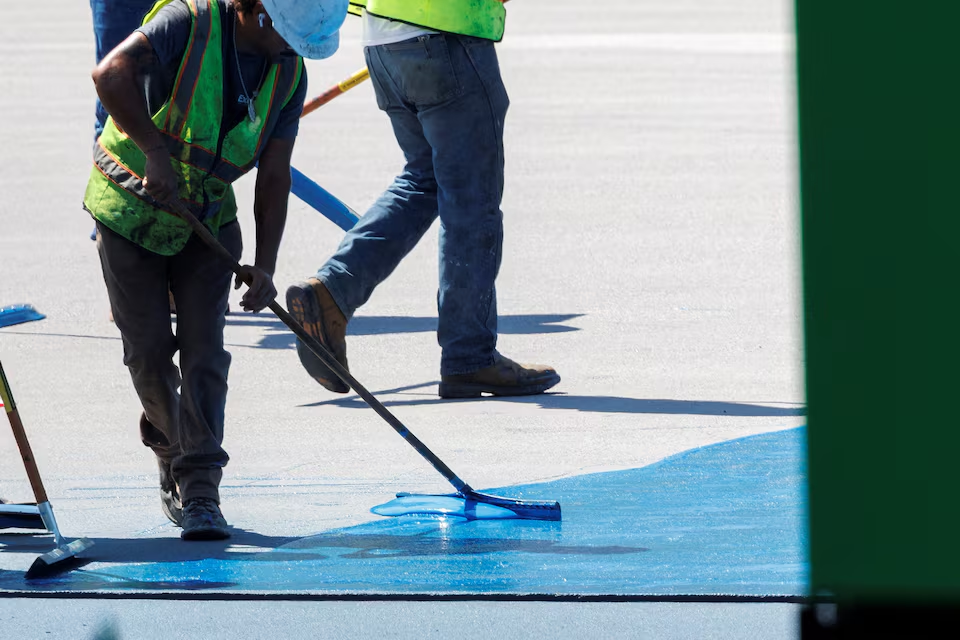
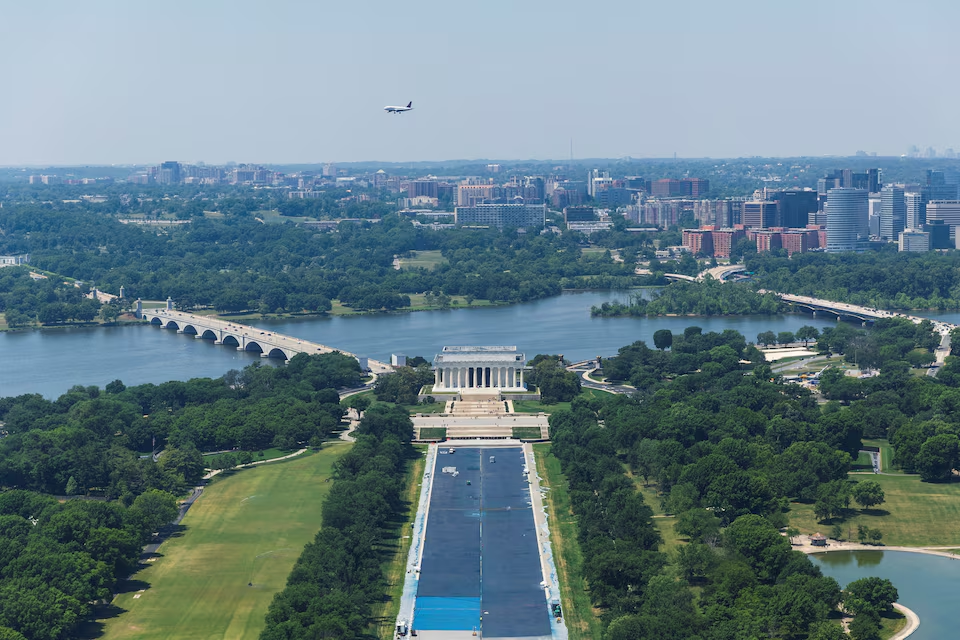
Beyond the ballroom, the administration has also highlighted other capital redevelopment plans, including renovations to Washington’s Reflecting Pool and proposals for a large Independence Arch monument.
Supporters say these projects are intended to reshape the capital and leave a lasting presidential legacy.
Economic Concerns Intensify Political Pressure
The focus on construction projects comes at a politically sensitive moment.
The administration continues to face pressure over the economic fallout from tensions in the Middle East, particularly the impact on global energy markets and gasoline prices.
Oil market volatility linked to the Iran conflict has pushed fuel costs higher, affecting consumers already dealing with broader inflation concerns.
While Trump has repeatedly downplayed the economic effects, opposition lawmakers argue voters are increasingly focused on household expenses.
Earlier remarks by the president about prioritizing national security over economic considerations sparked criticism after he suggested the Iran issue outweighed financial concerns.
Political analysts say such messaging may resonate with core supporters focused on foreign policy and security but risks alienating voters worried about living costs.
Republicans Privately Voice Concerns
Some Republicans have reportedly begun expressing concern that the ballroom project could become a political distraction.
Party strategists and campaign officials working ahead of the midterms fear that voters may view the initiative as out of step with everyday priorities.
One Republican campaign operative reportedly said voter focus groups increasingly raise questions about the administration’s attention to construction projects while inflation remains a challenge.
Another strategist involved in congressional campaigns argued that economic messaging should dominate the administration’s agenda.
“Voters want to hear about costs, jobs and the economy,” the strategist said. “That remains the core issue.”
Republican Senator Cynthia Lummis also acknowledged that public discussion surrounding the ballroom may be consuming more attention than necessary.
However, she emphasized that the project itself is expected to rely largely on private financing.
Funding Debate Adds New Layer of Controversy
Trump has said the ballroom project would be funded through a combination of personal contributions and donor support, claiming hundreds of millions of dollars have already been pledged.
Yet the initiative has generated additional controversy after security agencies reportedly sought major federal funding for upgrades tied to the expanded White House complex.
The Secret Service is said to have requested extensive security enhancements connected to the project, prompting debate in Congress over potential taxpayer costs.
Lawmakers from both parties reportedly raised concerns over the scale of the proposal.
The funding dispute reached a critical point last week when a major security allocation linked to the project was removed from Senate legislation, marking a setback for the administration’s plans.
The move signaled growing resistance even among some Republican lawmakers who fear political backlash ahead of elections.
Foreign Policy Overshadows Domestic Agenda
The ballroom debate also reflects broader criticism that Trump’s second term has become increasingly centered on legacy-building and international issues.
Since the escalation of conflict involving Iran earlier this year, Trump has devoted significant attention to diplomacy, military decisions and geopolitical developments.
At the same time, domestic travel aimed at promoting economic achievements has reportedly declined.
After an active start to the year featuring campaign-style appearances and economic messaging, the president has spent more time at the White House and his Florida residence while focusing on international matters.
Analysts say the shift has created openings for opponents to frame the administration as detached from economic realities.
Democrats Seize Political Opportunity
Democrats hoping to regain congressional ground in November have seized on the ballroom issue as a broader symbol of misplaced priorities.
Party leaders argue that voters facing higher grocery bills, fuel expenses and housing costs are unlikely to support major symbolic projects.
Senator Raphael Warnock criticized the administration’s emphasis on construction initiatives at a time of economic pressure.
Political strategists believe the issue could become part of wider campaign messaging centered on affordability and cost-of-living concerns.
Recent polling indicating public skepticism toward the ballroom proposal has further encouraged opposition efforts.
Legacy vs. Political Reality
For Trump, the ballroom project appears to represent more than architecture.
It reflects a broader vision of reshaping Washington and leaving a visible mark on the presidency through physical projects and capital redevelopment.
Supporters see the effort as nation-building and modernization.
Critics view it as politically risky symbolism during a period of economic stress.
As fuel prices remain elevated and midterm campaigns accelerate, the administration may face growing pressure to shift public attention back toward economic issues.
Whether the ballroom ultimately becomes part of Trump’s legacy—or a political liability—could depend less on construction progress and more on how voters assess their own financial realities in the months ahead.