

The economic fallout from the ongoing U.S.-Israeli conflict with Iran is rapidly expanding beyond the battlefield, delivering a costly blow to businesses across the world. Companies spanning aviation, manufacturing, consumer goods, automotive production and retail are grappling with soaring costs, supply disruptions and weakening consumer demand as the conflict enters another prolonged phase.
Corporate disclosures reviewed across major markets indicate that global businesses have already absorbed an estimated $25 billion in costs, with losses continuing to rise as energy prices remain elevated and vital trade routes face disruption.
The conflict has evolved into one of the most significant economic shocks since the COVID-19 pandemic and the Russia-Ukraine war, raising fresh concerns over inflation, supply chains and global growth.
Energy Crisis Drives Corporate Losses Higher

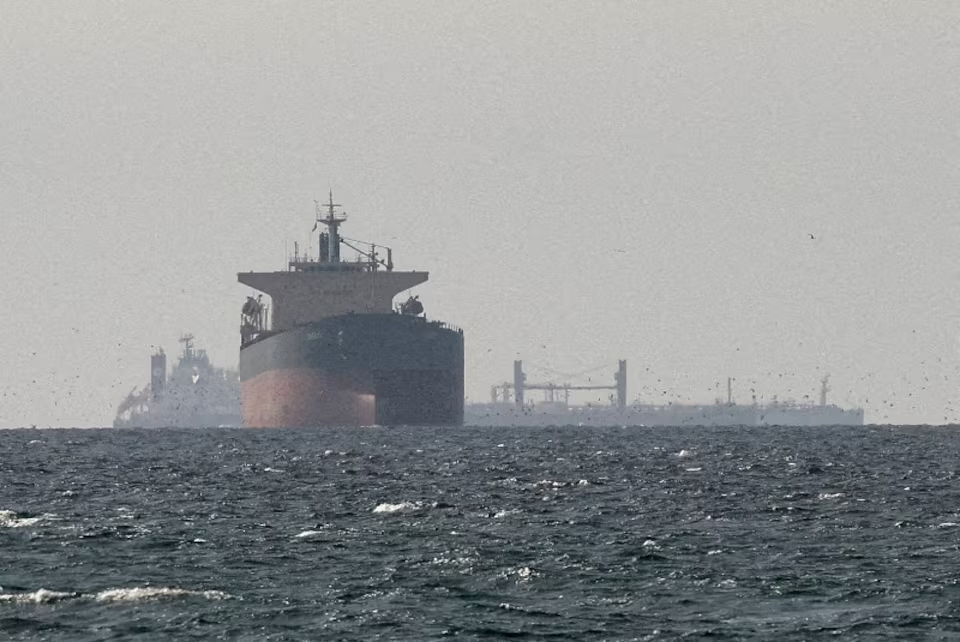
At the center of the economic strain is the disruption around the Strait of Hormuz, one of the world’s most strategically important maritime corridors.
The waterway typically handles roughly one-fifth of global oil shipments. Continued instability and restrictions around the route have sharply reduced energy flows, pushing crude prices above $100 per barrel, representing an increase of more than 50% compared with pre-war levels.
The spike has triggered a chain reaction across industries.
Shipping costs have surged, fuel expenses have ballooned, and manufacturers dependent on petrochemicals and imported raw materials are facing mounting pressure.
Critical commodities affected include:
- Fertilizers
- Aluminium
- Helium
- Polyethylene
- Industrial chemicals
- Fuel products
Businesses relying on these inputs are now adjusting pricing strategies, cutting production or revising earnings expectations.
Hundreds of Companies Move Into Crisis Mode
Corporate filings and earnings statements show at least 279 companies worldwide have already introduced emergency measures to soften the financial impact.
These responses include:
- Raising consumer prices
- Reducing production output
- Suspending dividends and share buybacks
- Imposing fuel surcharges
- Furloughing employees
- Seeking government support packages
Executives warn that the uncertainty surrounding the conflict is making long-term planning increasingly difficult.
Many firms had entered 2026 expecting stronger post-pandemic recovery and stabilizing inflation. Instead, businesses are once again navigating geopolitical shocks and supply instability.
Industry analysts say the situation resembles stress levels seen during previous major crises.
One manufacturing executive compared current market conditions to those witnessed during the global financial crisis, noting that consumers are increasingly delaying purchases and prioritizing repairs over replacements.
Airlines Carry the Heaviest Financial Burden
The aviation sector has emerged as the hardest-hit industry.
Airlines alone account for nearly $15 billion of the estimated corporate losses as jet fuel prices soar.
Fuel expenses have nearly doubled for some carriers, squeezing already thin margins and forcing route reviews, higher ticket prices and operational changes.
The pressure extends beyond airlines.
Cruise operators, logistics firms and tourism businesses are also facing increased operational costs as fuel prices ripple through transportation networks.
Industry analysts warn that if elevated energy costs persist through the second half of the year, travel demand could soften further as households reduce discretionary spending.
Manufacturers and Consumer Brands Feel the Pressure
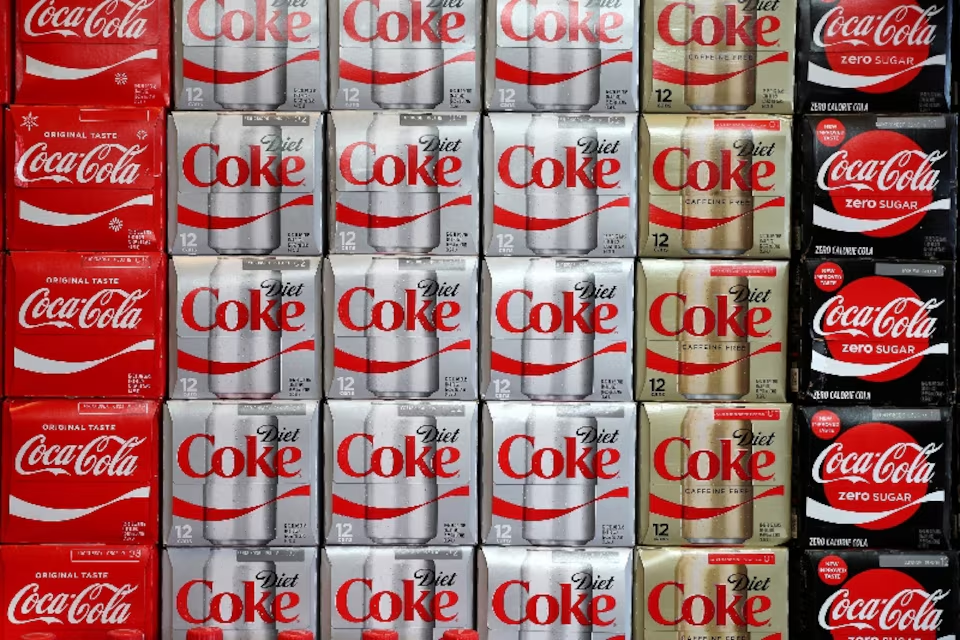
The crisis is also reaching factory floors and supermarket shelves.
Major global producers in sectors ranging from household goods to automobiles have warned investors about escalating costs.
Consumer product manufacturers are reporting higher expenses linked to packaging materials, chemicals and transportation.
Automakers are facing rising costs for plastics, synthetic materials and industrial inputs tied to petroleum markets.
Tyre manufacturers have also highlighted the impact.
Oil-derived raw materials are becoming increasingly expensive, with executives warning that the financial impact may intensify over coming quarters as existing supply contracts and hedging protections expire.
Some companies estimate that every incremental rise in crude oil prices adds millions of dollars to operational costs.
Consumers Begin Pulling Back Spending
Beyond corporate balance sheets, businesses are seeing early signs of changing consumer behavior.
Higher gasoline prices are beginning to weigh on household budgets, especially among lower-income consumers.
Executives in retail and food sectors report customers becoming more cautious with spending, prioritizing essentials while delaying non-urgent purchases.
Fast-food chains and household product makers have cited fuel inflation as a growing concern affecting customer demand.
Market observers warn that prolonged energy inflation could further weaken consumer confidence already strained by rising living costs.
If companies continue passing costs onto shoppers, inflationary pressure may intensify.
Europe and Asia Face Greater Exposure
The impact is being felt globally, but Europe and Asia appear particularly vulnerable.
Many European economies entered the year with already elevated energy costs, leaving businesses exposed to fresh spikes in oil and fuel prices.
Meanwhile, Asian manufacturers remain heavily dependent on Middle Eastern energy imports and supply routes.
Corporate warnings have been especially concentrated among firms in:
- Chemicals
- Industrial manufacturing
- Consumer products
- Automotive sectors
- Transportation and logistics
Roughly one-third of affected companies originate from Asia, while Europe accounts for a significant share of reported impacts.
Profit Margins Yet to Reflect Full Damage
Despite mounting pressures, analysts believe the worst financial effects have not yet appeared in earnings reports.
Many companies entered the year protected by fuel hedges and long-term supply contracts.
Those buffers are beginning to expire.
Market forecasts now show downward revisions for profit margins across multiple sectors.
Industrial companies, consumer discretionary brands and household product manufacturers have all seen earnings expectations reduced.
European analysts warn that the second half of the year may bring sharper margin compression as businesses lose the ability to fully pass rising costs to consumers.
Japanese analysts have already cut second-quarter earnings growth forecasts significantly compared with projections made earlier this year.
Businesses Brace for Prolonged Uncertainty
The Iran conflict is emerging as another major stress test for global commerce.
Following years of pandemic disruptions, supply-chain crises and geopolitical tensions, companies now face renewed uncertainty over energy security and international trade.
Executives increasingly fear that prolonged instability could reshape spending patterns, disrupt investment plans and slow economic growth.
For now, businesses are adapting through cost controls and defensive strategies.
But with no clear resolution to the conflict in sight, corporate leaders warn the global economy may be entering another prolonged period of volatility.