
Tanzania’s central bank has bought about 28 metric tons of gold over the past 18 months to bolster its international reserves and support the shilling currency, Governor Emmanuel Tutuba said.
Tutuba was quoted in a finance ministry statement as saying the purchased gold was worth $3.68 billion at current prices. The statement was published on Wednesday, but Tutuba made the comments a day earlier at an International Monetary Fund-World Bank meeting in Gambia.
gold purchases tied to reserve strategy
The Bank of Tanzania has been buying gold for its reserves since about 2023. In September 2024, Tanzania’s mining regulator ordered all mining firms and traders exporting gold to allocate at least 20% of the commodity for sale to the central bank.
Tanzania is one of Africa’s top 10 gold producers. Tutuba said the gold purchase programme had resulted in more than 4,000 new accounts opened at financial institutions by mineral traders and small-scale miners.
At last week’s interest rate announcement, Tutuba said the East African country had around $6 billion of reserves, equivalent to 4.3 months of imports.
Tutuba made his remarks during a panel discussion on central bank gold operations, held on the sidelines of the 2026 African Caucus meeting of the World Bank Group and the IMF in Banjul, Gambia. The gathering brought together representatives from 54 African countries to discuss economic and financial issues affecting the continent. Tanzania’s delegation to the meeting was led by Finance Minister Ambassador Khamis Mussa Omar, and included Zanzibar’s Minister for Finance and Planning, Juma Malik Akil, along with Tutuba himself. Crypto Briefing
how the buying programme works
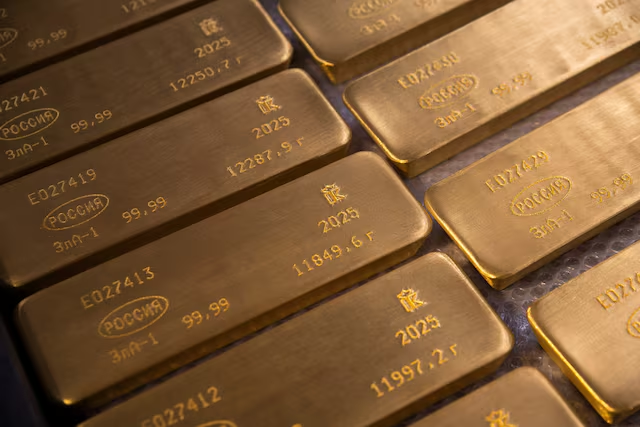
The mechanics of the purchase programme have played a role in its early results. Tutuba said the central bank pays gold miners and traders within 24 hours of completing a transaction, using the London gold market price of the day, an approach he said has given sellers a strong incentive to deal directly with the Bank of Tanzania rather than export through other channels. Crypto Briefing
The programme also differs from how many central banks typically build gold reserves. Rather than buying gold in foreign currency on international markets, the Bank of Tanzania purchases locally produced gold and pays for it in Tanzanian shillings. Tutuba has described the effort as a way to link the country’s natural resource wealth to its monetary system and reduce dependence on external reserve channels.
a programme with a history
Tanzania’s push to stockpile gold is not new. The Bank of Tanzania built gold reserves once before, starting in 1990, but halted the practice in 2002 as reserve management priorities shifted. Groundwork for the current restart dates back to 2021, when President Samia Suluhu Hassan proposed supporting value addition in the mining sector, the same year a gold refinery opened in the Mwanza region.
By early June, the total had already climbed close to its current level. Tutuba told a gathering marking the central bank’s 60th anniversary in Dar es Salaam on June 12 that the programme had accumulated 27.5 metric tonnes of gold reserves as of June 10, a batch he valued at roughly 10 trillion Tanzanian shillings at the time. President Samia Suluhu Hassan and other senior government and financial sector officials attended that anniversary event at the Julius Nyerere International Convention Centre.
diversifying away from the dollar
Tanzania’s approach mirrors a pattern seen at other central banks around the world. The purchases represent a shift in the composition of the country’s reserves, which have traditionally been dominated by dollar-denominated assets, and come amid a broader trend of central banks worldwide increasing their gold holdings. Analysts tracking the gold market have said the strategy fits a pattern also seen among central banks in China and India, as monetary authorities in several countries look to hold less of their reserves in dollars.
formalizing the mining sector
Beyond the reserve-building goal, officials have pointed to a second effect of the programme: pulling more small-scale miners and traders into the formal financial system. Tutuba said the gold purchasing programme has let Tanzania diversify its reserve assets while also promoting the formalization of the mining sector and advancing financial inclusion, particularly among small-scale miners and traders.
That formalization push has drawn attention from economists who study the programme. Supporters argue the scheme could spur further formalization of the gold sector, improve transparency across the supply chain and strengthen the connection between Tanzania’s mineral resources and its economic goals. Some observers have urged the central bank to regularly publish details on its gold purchases, including volumes bought and pricing methods, in line with standard practice among central banks elsewhere.
risks tied to gold prices
Economists broadly view the programme as a net positive for Tanzania’s financial security, though they caution its value will move with global gold prices. Third-party specialists have warned that the valuation of the reserves will rise and fall with international commodity prices, and that the programme’s long-term performance depends on how gold prices move, how the reserves are managed and how transparently the process is run.
Tanzania’s position as a major gold producer gives the strategy a natural resource base to draw from. The country is turning that natural resource wealth into strategic reserve assets as a way to limit its exposure to foreign economic shocks, even though its total holdings remain well below those of the world’s largest gold-holding nations.
broader economic goals
Tutuba has framed the programme as serving multiple objectives beyond reserve accumulation. He said the initiative aims to strengthen foreign exchange reserves, support the value of the Tanzanian shilling, enhance financial sector stability and promote economic growth.
Government officials have echoed that framing in public remarks tied to the programme’s milestones. Tutuba has said the gold buying effort reflects strengthened cooperation with stakeholders in the mining sector and has significantly improved Tanzania’s external buffers, contributing to broader macroeconomic stability.
With reserves standing at around $6 billion, equivalent to 4.3 months of imports, the gold holdings now make up a meaningful share of Tanzania’s overall buffer against external shocks. How that balance shifts going forward will depend on both the pace of future purchases and the direction of global gold prices, factors that remain outside the central bank’s control even as it continues building out the domestic side of the programme.