
President Donald Trump has repeatedly returned to claims that the 2020 U.S. presidential election was stolen, reviving a narrative that has remained central to his political messaging even as his administration navigates mounting international tensions, domestic economic concerns and the approach of crucial midterm elections.
Over the past six months, Trump has publicly repeated assertions questioning the legitimacy of the 2020 vote more than 100 times through speeches, interviews, campaign-style appearances and posts on social media, according to reviews of his public remarks. The repeated references have come despite years of court rulings, investigations and state-level reviews that found no evidence of widespread fraud capable of changing the election outcome.
Political analysts say the renewed focus reflects more than lingering grievances over the election that saw former President Joe Biden defeat Trump. Instead, many view it as part of a broader strategy aimed at shaping the political environment ahead of upcoming congressional contests.
Trump Keeps 2020 Narrative in Public Spotlight
Trump’s references to the 2020 election have appeared across a wide range of events, including meetings with foreign leaders, public ceremonies, holiday gatherings and campaign-style appearances.
The president has repeatedly used public platforms to argue that the election result was unfair, often revisiting claims surrounding voting procedures, mail-in ballots and election administration.
During remarks before boarding Air Force One earlier this month, Trump again suggested the election outcome had been manipulated, specifically referring to results in California.
The comments echoed similar statements he has made since leaving office and returning to the White House, reinforcing a message that remains deeply embedded within his political base.
Observers note that the timing is significant, coming as Republicans prepare for a highly competitive midterm cycle that could reshape control of Congress.
Midterm Elections Loom Large
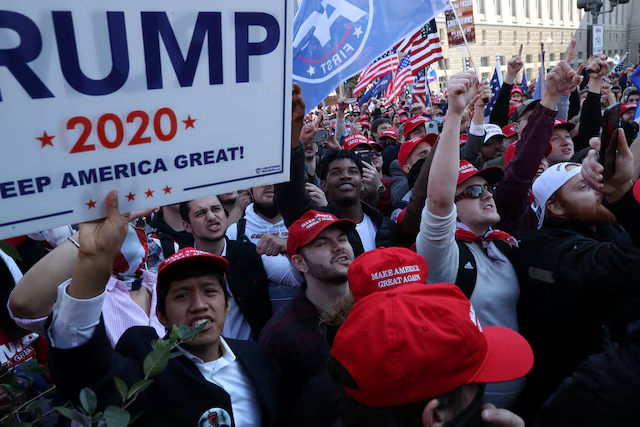
Election experts argue that Trump’s continued emphasis on 2020 is increasingly tied to future political objectives rather than revisiting the past.
Analysts suggest the rhetoric serves several purposes: energizing supporters, strengthening loyalty within the Republican Party and building momentum for election reforms that the administration and allies have promoted.
Some experts believe the strategy may also prepare supporters to question future unfavorable results.
“Election narratives often influence public trust long before ballots are cast,” one election analyst noted, adding that repeated messaging can shape voter perceptions ahead of major contests.
The administration has consistently maintained that its priority is protecting election integrity and ensuring confidence in the voting system.
White House officials have defended efforts to strengthen voter verification processes and update election safeguards.
Republican Voters Continue to Back Election Concerns
Polling indicates that skepticism surrounding the 2020 election remains widespread among Republican voters.
Recent surveys show a majority of Republican respondents continue to believe Trump’s claims about irregularities in the election, while concerns about voter fraud and non-citizen participation remain significant among conservative voters.
Democratic voters and independents, however, overwhelmingly reject those assertions.
Numerous legal reviews, recounts and bipartisan investigations conducted after the election found no evidence of systematic fraud sufficient to alter the result.
Still, the issue remains politically potent.
For many Republican voters, election security has evolved into one of the defining policy priorities ahead of future elections.
Election Policy Push Gains Momentum
Trump’s renewed rhetoric has coincided with broader efforts to tighten election rules nationwide.
Republican-led states have expanded voter identification requirements and introduced measures requiring proof of citizenship in some voting-related procedures.
The administration has also backed initiatives aimed at increasing oversight of voter registration systems and limiting certain forms of mail-in voting.
Supporters argue the changes are necessary to restore confidence in elections.
Critics, however, warn that some proposals could create additional barriers to voting and risk undermining trust in democratic institutions.
Several executive actions tied to election procedures are already facing legal challenges.
At the federal level, debates continue over the extent of Washington’s role in elections, which are traditionally managed by individual states.
Election Claims Become Political Loyalty Test
Trump’s continued focus on the 2020 election has also influenced Republican politics internally.
The issue has increasingly become a point of alignment for candidates seeking support from Trump and his political base.
Some nominees for federal positions and judicial appointments have avoided directly stating that Biden won the 2020 election, instead referring to the certification process completed by Congress.
Political observers say this reflects the enduring influence of Trump’s position within the party.
At the same time, some Republicans have publicly distanced themselves from the claims.
Several conservative groups have launched initiatives defending state election systems and encouraging confidence in local election administration.
Former Republican officials in battleground states have also pushed back against efforts to continue contesting the 2020 outcome.
Critics Warn of Long-Term Impact
Democracy advocates and election experts warn that continued challenges to verified election results could have lasting consequences for public trust.
They argue that repeated allegations — even without supporting evidence — may erode confidence in institutions and complicate future elections.
Others believe the issue is now deeply woven into modern American politics and will likely remain influential beyond the upcoming midterms.
Trump, meanwhile, has shown no indication that he intends to move away from the subject.
Even as his administration addresses international crises, economic pressures and campaign preparations, the 2020 election remains a recurring theme in speeches and public appearances.
Political Stakes Rising Ahead of November
With midterm elections approaching, both parties are intensifying efforts to shape voter priorities.
Republicans are expected to focus heavily on election security, immigration and economic concerns, while Democrats continue emphasizing democratic institutions and voting access.
Trump’s decision to keep the 2020 election narrative at the forefront underscores how unresolved political disputes from previous cycles continue to influence current campaigns.
As the battle for Congress accelerates, election integrity is once again emerging as one of the defining issues in American politics — ensuring that debates surrounding 2020 remain part of the national conversation years after the votes were counted.