
A fresh wave of instability has gripped the Middle East after a commercial vessel linked to South Korea was damaged by an explosion in the Strait of Hormuz, while a separate drone strike triggered a fire at a major oil facility in the United Arab Emirates. The incidents underscore Iran’s continued dominance over one of the world’s most critical energy corridors, even as the United States attempts to reassert control through a newly announced naval operation.
The developments come amid heightened geopolitical tensions following remarks by Donald Trump, who declared that the U.S. Navy would act to reopen the strait and ensure the safe passage of global shipping.
A Strategic Waterway Under Pressure

The Strait of Hormuz remains one of the most vital chokepoints in global trade, facilitating the movement of roughly 20% of the world’s oil and natural gas under normal conditions. Since the outbreak of hostilities between the United States, Israel, and Iran earlier this year, the waterway has become a focal point of confrontation.
Over the past two months, Iran has effectively restricted maritime traffic, allowing only select vessels to pass while deterring others through a combination of military threats and direct action. The disruption has triggered what analysts describe as one of the most severe energy supply shocks in modern history.
Compounding the crisis, the United States has imposed its own naval blockade targeting Iranian ports, further tightening the flow of oil and increasing volatility across global markets.
Explosion at Sea Raises Alarm
On Monday, a fire broke out aboard the South Korean-operated cargo ship HMM Namu following an explosion while transiting the strait. Although no casualties were reported, the incident has heightened fears within the shipping industry about the safety of navigating the region.
Officials in South Korea confirmed that investigations are underway to determine the cause of the blast. Early reports suggest the possibility of an external attack, though authorities have yet to reach a definitive conclusion.
The vessel, sailing under a Panama flag, reportedly suffered damage in its engine room. The incident serves as a stark reminder of the persistent risks facing commercial shipping in the conflict zone.
Drone Strike Hits UAE Oil Infrastructure
In a separate but related escalation, Iranian drones targeted an oil installation in Fujairah, a strategic hub for energy exports located outside the Strait of Hormuz. The attack caused a fire at the facility, though the full extent of the damage remains unclear.
Fujairah is considered a critical alternative route for oil shipments that bypass the strait. The strike signals Iran’s ability to project power beyond the immediate chokepoint, potentially widening the scope of the conflict.
Authorities in the United Arab Emirates condemned the attack, describing it as a direct threat to regional stability and global energy security.
Conflicting Claims Over U.S. Naval Operation
The United States has launched a new initiative—informally dubbed “Project Freedom”—aimed at escorting commercial vessels through the strait. According to United States Central Command, two American-flagged merchant ships successfully navigated the waterway under naval protection.
However, Iranian authorities quickly disputed the claim. The country’s Revolutionary Guard insisted that no commercial vessels had crossed the strait in recent hours, dismissing U.S. statements as inaccurate.
Further complicating the situation, Iran reported that it had fired warning shots at an approaching U.S. warship, prompting it to retreat. While initial Iranian accounts suggested the vessel had been struck, later statements clarified that the shots were intended as a deterrent rather than a direct attack. U.S. officials denied any damage to their naval assets.
The conflicting narratives highlight the lack of transparency and the difficulty in verifying events in one of the world’s most militarized maritime zones.
Shipping Industry Remains Wary
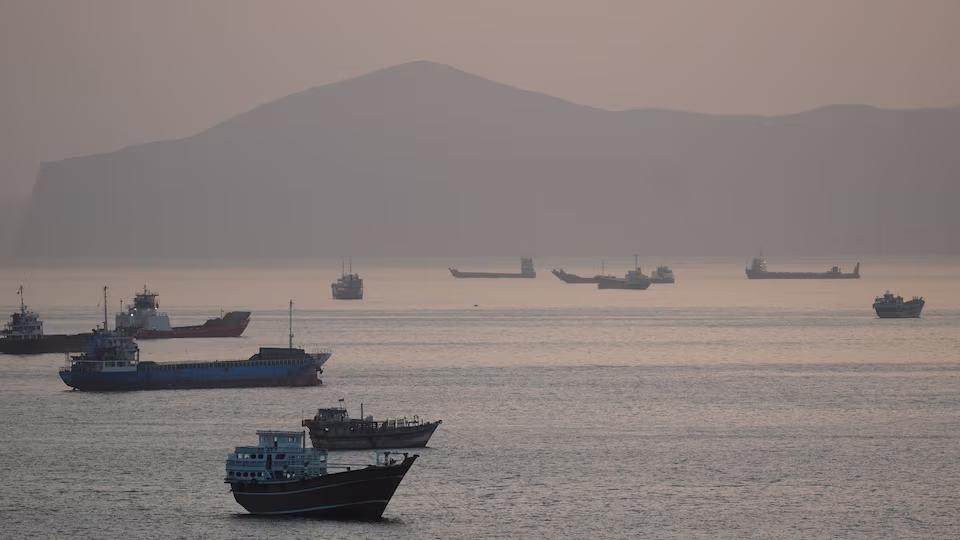
Despite Washington’s assurances, the global shipping industry remains unconvinced that the Strait of Hormuz is safe for transit. Major operators continue to avoid the route, citing the risk of mines, missile strikes, and drone attacks.
Shipping giant Hapag-Lloyd stated that it still considers passage through the strait too dangerous. Industry executives have emphasized that military escorts alone are insufficient to restore normal operations, arguing that a comprehensive ceasefire is essential.
The International Maritime Organization estimates that hundreds of vessels remain stranded in the Gulf, with as many as 20,000 seafarers unable to complete their journeys due to the ongoing standoff.
Advisories from maritime security agencies urge ships to navigate cautiously, often recommending routes closer to Omani waters to minimize exposure to potential threats.
Oil Markets React to Rising Risks

Energy markets responded swiftly to the latest developments. Oil prices surged between 2% and 5% in volatile trading, reflecting concerns over prolonged supply disruptions.
U.S. Treasury Secretary Scott Bessent заявил that Washington maintains “absolute control” over the strait. However, market analysts remain skeptical, noting that control on paper does not necessarily translate into safe and reliable shipping conditions.
The continued uncertainty has placed additional pressure on global economies already grappling with inflation and supply chain challenges.
Diplomatic Efforts Stall Amid Escalation
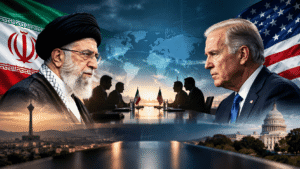
While military tensions intensify, diplomatic efforts to resolve the crisis appear to be faltering. The United States and Iran suspended active combat operations weeks ago and held preliminary talks, but progress has been limited.
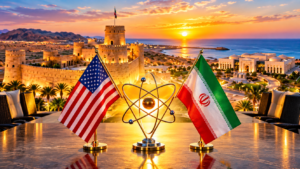
Iranian state media reported that Washington recently responded to a multi-point proposal from Tehran via intermediaries in Pakistan. The proposal reportedly outlines a phased approach to ending hostilities, beginning with resolving the maritime standoff before addressing Iran’s nuclear program.
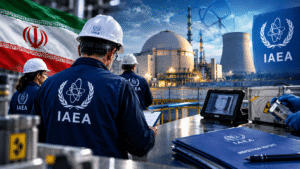
However, significant اختلافات remain. The United States continues to demand that Iran relinquish its stockpile of highly enriched uranium, which Washington argues could be used to develop nuclear weapons. Tehran insists its nuclear activities are peaceful but has indicated a willingness to negotiate limitations in exchange for sanctions relief.
A Fragile Standoff With Global Consequences
As the situation evolves, the Strait of Hormuz has become a symbol of broader geopolitical rivalry. The combination of military posturing, economic الضغط, and stalled diplomacy has created a volatile environment with far-reaching implications.
For now, neither side appears ready to back down. Iran continues to assert control over the waterway, while the United States seeks to challenge that dominance through naval القوة.
Until a diplomatic breakthrough is achieved, the world’s most critical energy corridor remains a flashpoint—where even a single miscalculation could trigger a much wider conflict.