
The decision by Hezbollah to enter a renewed conflict with Israel on March 2 has come at a steep cost—militarily, politically, and socially. The Iran-backed group now finds itself grappling with significant battlefield losses, mounting domestic criticism, and an uncertain strategic future as regional tensions continue to escalate.
Mounting Casualties and Territorial Setbacks
Since hostilities resumed, Israel has pushed into parts of southern Lebanon, establishing what it describes as a “buffer zone” to prevent cross-border attacks. The offensive has displaced hundreds of thousands of civilians, particularly from Lebanon’s Shi’ite Muslim population—Hezbollah’s traditional support base.
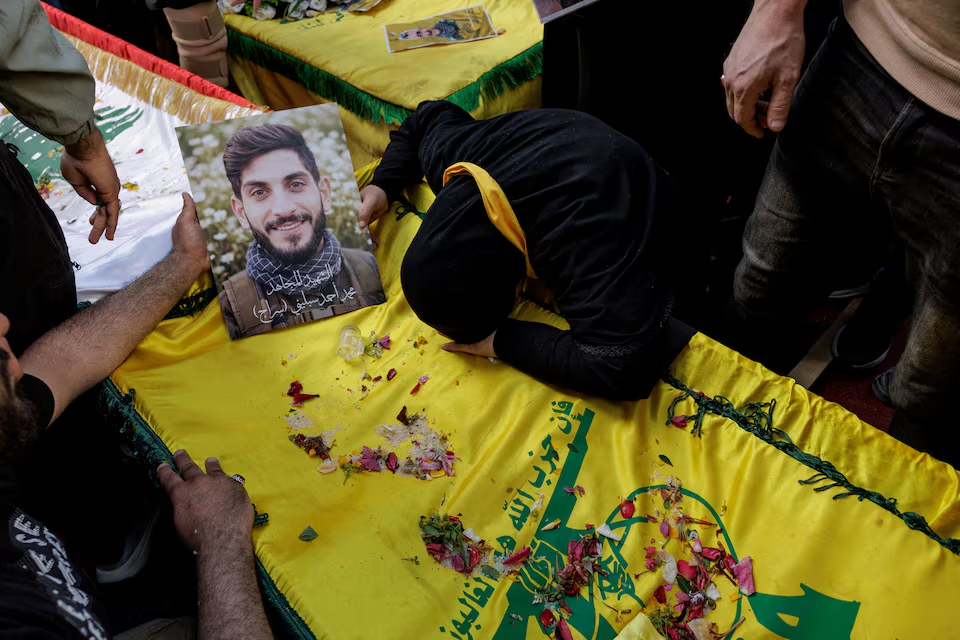
Unofficial estimates from sources within Hezbollah suggest that several thousand of its fighters may have been killed in the conflict, although the group has publicly disputed these figures. Lebanon’s health ministry reports that more than 2,600 people have died since early March, including civilians, though it does not differentiate between combatants and non-combatants.
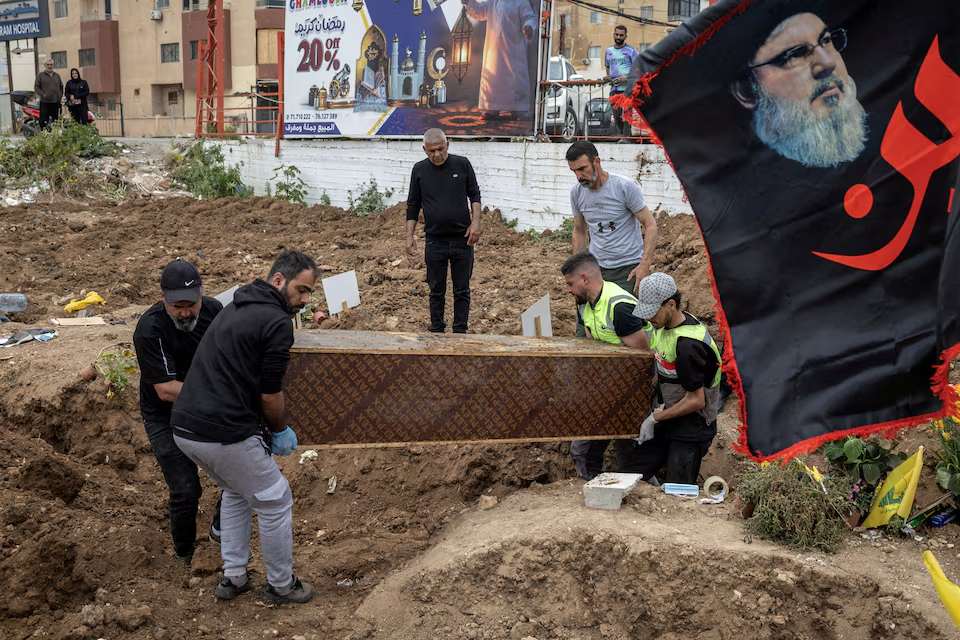
In Hezbollah-controlled مناطق south of Beirut, the human cost is starkly visible. Newly dug graves have rapidly filled, marking the burial of fighters killed in recent clashes. In towns like Bint Jbeil, Khiyam, and Yater, local officials report dozens of deaths, with some bodies still unrecovered from frontline zones.
Political Fallout Inside Lebanon
Beyond the battlefield, Hezbollah’s decision to re-enter war has intensified divisions within Lebanon. Critics argue that the group’s military actions have once again exposed the country to devastating conflict, undermining national stability.
Tensions reached a new level in April when Lebanon’s government held rare direct talks with Israel—its first such engagement in decades. Hezbollah strongly opposed the move, viewing it as a departure from longstanding resistance principles.
Domestic rivals, including factions across Christian and Druze communities, have become increasingly vocal in challenging Hezbollah’s role as an armed actor operating alongside the state. Many blame the group for triggering a conflict that has disproportionately affected civilians and weakened Lebanon’s already fragile economy.
Strategic Gamble: Aligning with Iran
Despite the setbacks, Hezbollah appears committed to a broader regional strategy aligned with Iran. The group, originally established in 1982 with support from Iran’s Revolutionary Guard, views its participation in the conflict as a calculated move to strengthen its position in ongoing geopolitical negotiations.
Hezbollah officials suggest that by engaging militarily, the group ensures Lebanon remains part of any future diplomatic settlement between Iran and global powers, including the United States. The expectation is that Iranian influence could help secure a stronger and more lasting ceasefire than previous agreements.
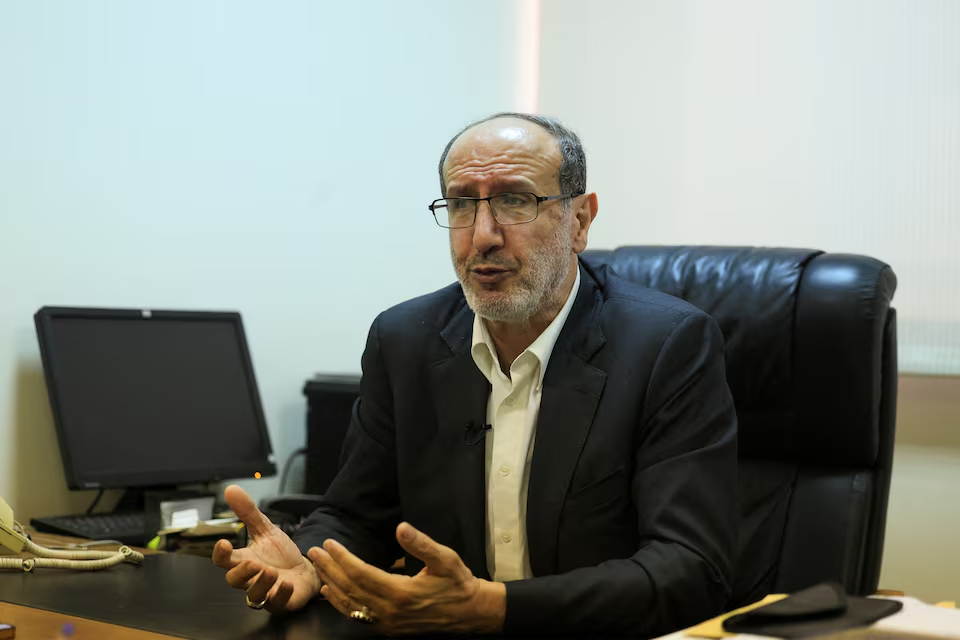
Hezbollah lawmaker Ibrahim al-Moussawi has rejected claims that the group is acting solely as a proxy for Tehran. Instead, he frames the renewed hostilities as a necessary response to ongoing Israeli strikes, arguing that the group seeks to break a cycle of unilateral attacks.
Still, analysts caution that this strategy carries significant risks. According to Yezid Sayigh of the Carnegie Middle East Center, Hezbollah’s resilience on the battlefield does not necessarily translate into strategic gains. Without a broader agreement between Washington and Tehran, he warns, the conflict may settle into a prolonged and painful stalemate.
A War Without Clear Resolution
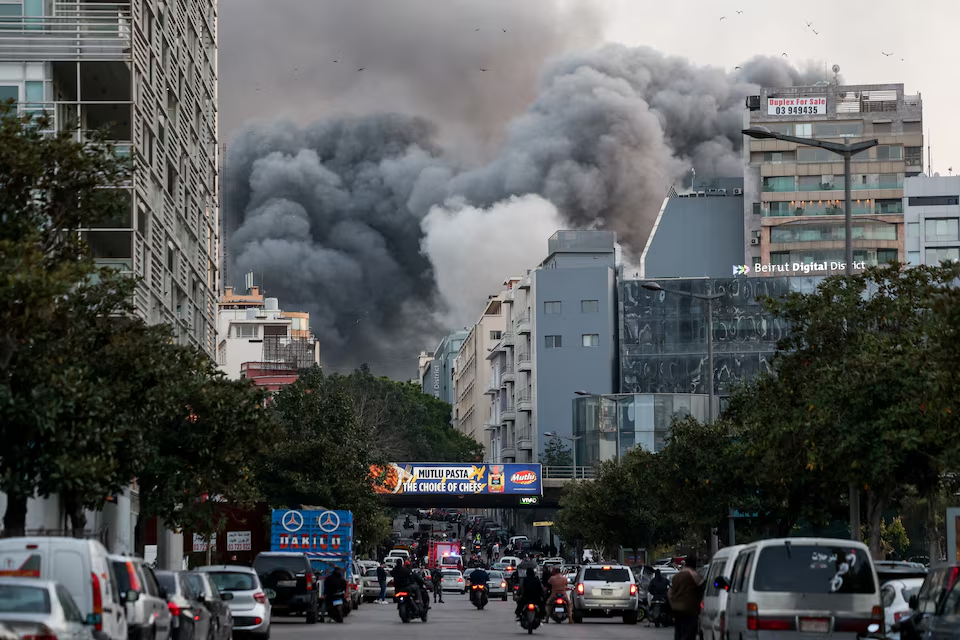
Although a U.S.-mediated ceasefire took effect on April 16, it has done little to fully halt hostilities. Sporadic clashes continue in southern Lebanon, where Israeli forces maintain a military presence. Both sides have accused each other of violating the truce.
Israel insists that its operations are necessary to neutralize threats from Hezbollah, citing ongoing rocket and drone attacks targeting northern Israeli communities. Israeli officials claim that thousands of Hezbollah fighters have been killed and that significant portions of the group’s infrastructure have been destroyed.
Hezbollah, meanwhile, has dismissed the ceasefire as ineffective, pointing to continued Israeli airstrikes as justification for maintaining its military posture.
Humanitarian Impact and Displacement
The war’s toll extends far beyond military losses. Lebanon’s Shi’ite population has borne the brunt of the displacement, with families fleeing conflict zones into other regions of the country. This internal migration has strained communal relations, as host communities grapple with the sudden influx of displaced residents.
Infrastructure damage in southern Lebanon has been extensive, with entire villages reduced to rubble. Israel maintains that such measures are necessary to dismantle militant positions embedded in civilian areas, a claim that remains highly contested.
Iran’s Role and Regional Implications
Iran’s influence remains central to the trajectory of the conflict. Tehran has called for any broader peace agreement to address Israel’s operations against Hezbollah, signaling its continued backing of the group.
However, U.S. officials, including Donald Trump, have indicated that negotiations with Iran may not necessarily include Lebanon. This raises concerns that the conflict could persist independently, even if progress is made on other fronts.
A Western diplomat familiar with the negotiations noted that there is a real possibility of a U.S.-Iran deal that overlooks the Lebanese theater entirely—leaving Hezbollah to navigate its challenges without guaranteed diplomatic support.
The Disarmament Debate
At the heart of Lebanon’s internal political debate is the question of Hezbollah’s weapons. Israeli Prime Minister Benjamin Netanyahu has made disarmament a key condition for any long-term peace agreement.
Hezbollah has firmly rejected such demands, insisting that its arsenal is essential for national defense. The group argues that any discussion about disarmament must occur within a broader national dialogue.
Lebanese leaders, including President Joseph Aoun and Prime Minister Nawaf Salam, have advocated for a peaceful resolution to the issue. However, attempts to curtail Hezbollah’s military role risk reigniting internal conflict in a country still haunted by its civil war from 1975 to 1990.
Uncertain Future Ahead
As the conflict grinds on, Hezbollah faces a complex and uncertain future. Its military capabilities, though still formidable, have been significantly tested. Politically, it confronts growing resistance at home and ambiguous support abroad.
The group’s decision to align closely with Iran in the current conflict may ultimately determine whether it can regain strategic ground—or whether it will emerge further weakened in a rapidly shifting Middle Eastern landscape.
For now, Lebanon remains caught between competing القوى, with its stability hinging on whether diplomacy can succeed where war has failed.