
A contentious political and legal battle is unfolding in Louisiana after Republican leaders eliminated an elected judicial position in New Orleans just days before the incoming officeholder was due to be sworn in. The move has ignited sharp debate over government authority, electoral integrity, and judicial reform in one of the state’s most politically distinct regions.
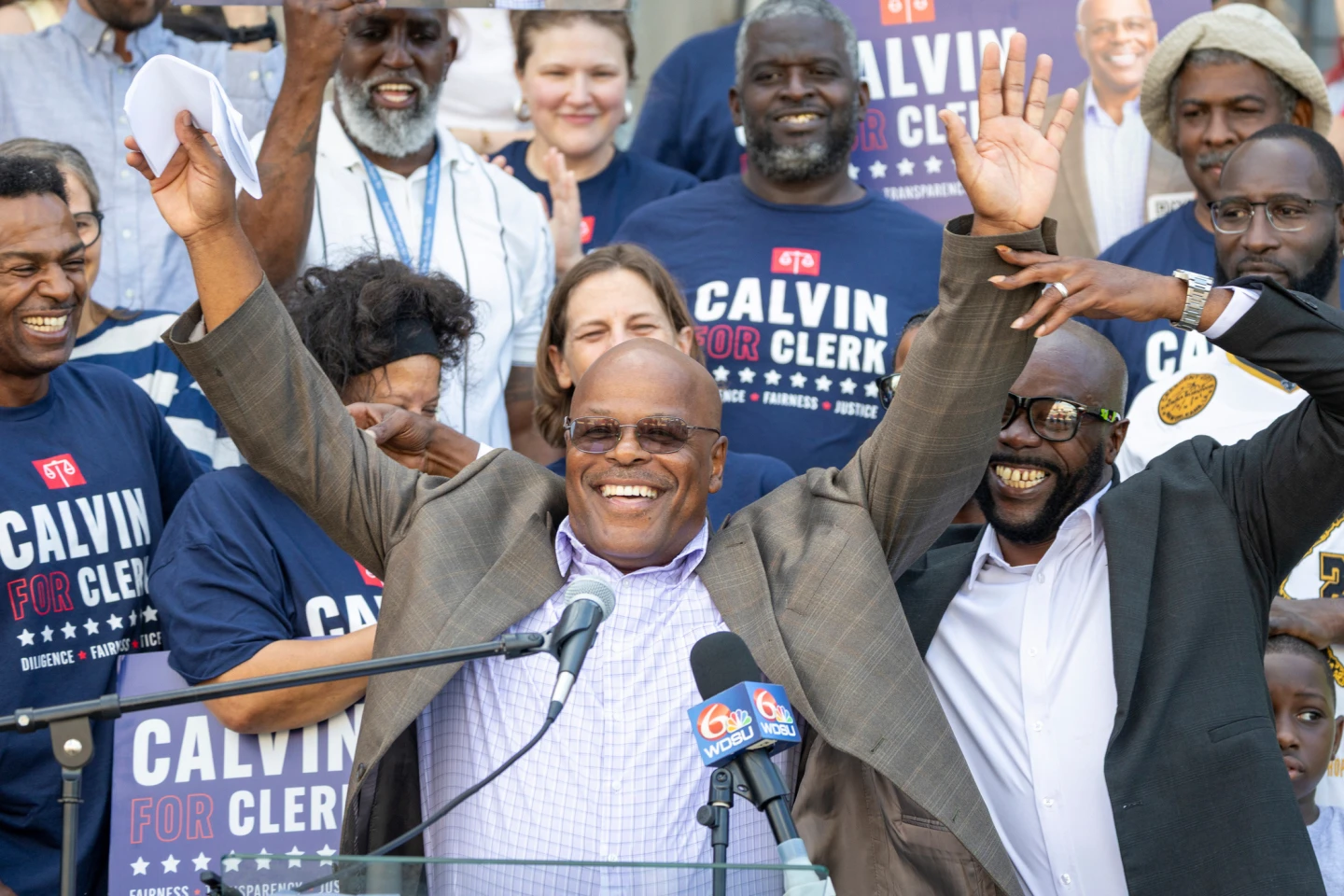
At the center of the controversy is Calvin Duncan, a former inmate who spent nearly three decades behind bars for a wrongful conviction. Duncan won the Orleans Parish clerk of criminal court race in November by a decisive margin, securing more than two-thirds of the vote. His swearing-in had been scheduled for the following week—until the office itself was abruptly dissolved.
Law Signed Quietly, Triggering Immediate Fallout
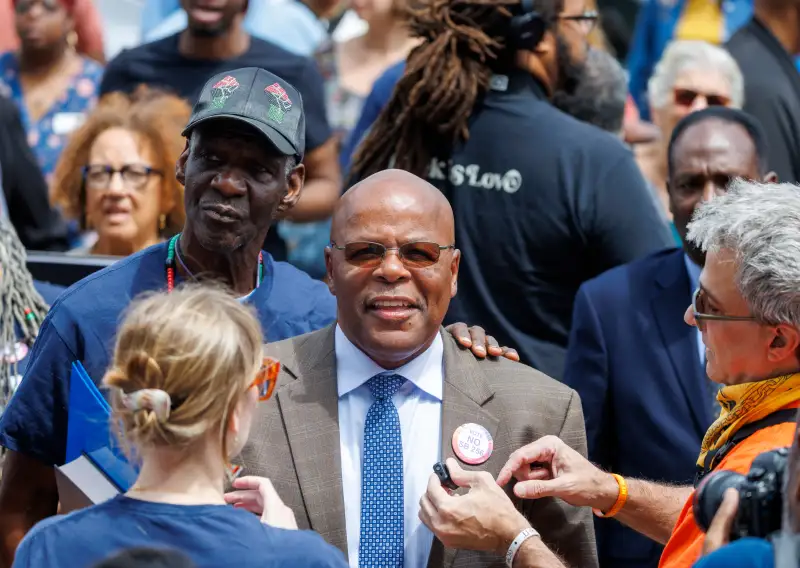
Governor Jeff Landry signed the legislation into law with little public fanfare, effectively abolishing the longstanding clerk of criminal court position in Orleans Parish. According to officials in the Secretary of State’s office, the law took effect immediately, leaving Duncan without the role he had just been elected to fill.
The timing of the decision has raised eyebrows across the political spectrum. Critics argue that eliminating an office just before a newly elected official assumes it undermines the democratic process. Duncan has since filed a legal challenge, asking a federal judge to allow him to take office as originally planned while the broader dispute is resolved.
Reform or Political Overreach?
Republican lawmakers have framed the measure as part of a broader effort to modernize and streamline the state’s judicial system. They say merging the criminal and civil clerk offices in Orleans Parish aligns the region with the rest of the state, where a single clerk typically oversees both functions.
Supporters of the law also point to modest cost savings. Estimates from the legislative auditor’s office suggest the consolidation could reduce state spending by about $27,000 annually and cut city expenses by more than $200,000. However, the same analysis indicates uncertainty around long-term financial impacts, particularly as more than $1 million in costs will now shift to the parish government.
Governor Landry has defended the move, describing it as a necessary step to address longstanding inefficiencies and corruption within the local court system. He has argued that consolidating administrative functions will improve accountability and performance in a jurisdiction often criticized for operational challenges.
Duncan’s Case Adds Emotional and Political Weight
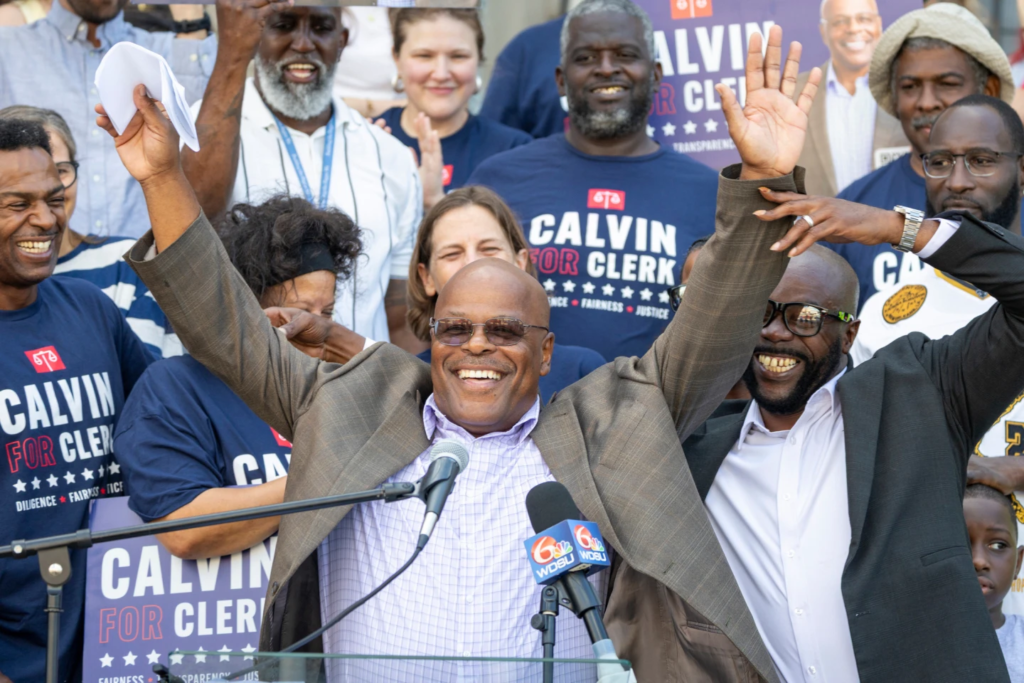
For many observers, the issue extends beyond administrative reform. Duncan’s personal history has made the situation especially charged. His 2021 exoneration—after it emerged that police testimony in his case had been false—brought renewed attention to flaws within the criminal justice system. Since his release, he has positioned himself as an advocate for reform, pledging to improve transparency and fairness within the courts.
Duncan and his supporters believe the decision to eliminate the office is politically motivated. They argue that powerful figures within the state have long questioned his innocence, despite his inclusion in the National Registry of Exonerations. For them, the timing of the legislation suggests an effort to block his entry into public office.
During legislative debates, Democratic State Representative Mandie Landry criticized the move as deeply troubling, warning that it could set a precedent for nullifying election outcomes when they prove inconvenient for those in power.
Broader Judicial Overhaul in Motion
The elimination of the clerk’s position is not an isolated action. It forms part of a wider Republican-led initiative to restructure the judicial system in New Orleans. Several additional proposals under consideration aim to eliminate or consolidate other elected roles within the parish, though most of those changes would take effect only after current officeholders complete their terms.
The bill’s sponsor, Jay Morris, acknowledged that the law was designed to take effect before Duncan could begin his four-year term. While conceding that the situation is unfortunate for the incoming official, Morris insisted that policymaking should not be shaped by a single individual’s circumstances. He also indicated that legal challenges are expected but expressed confidence that the legislation will withstand scrutiny.
Concerns Over Voter Disenfranchisement
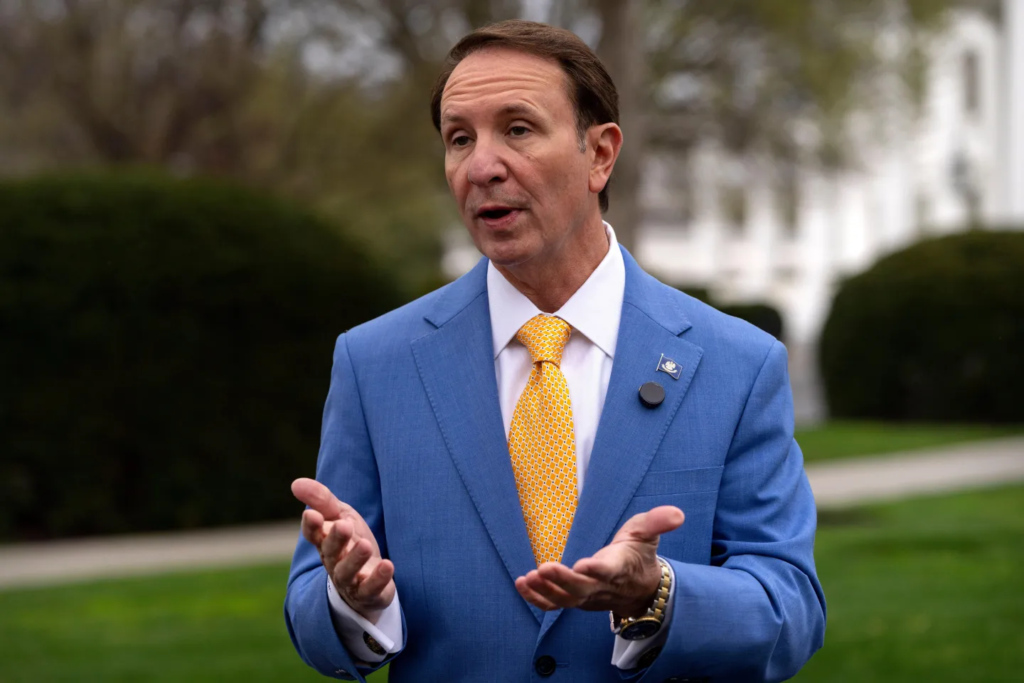
Perhaps the most significant criticism centers on the potential impact on voters. Orleans Parish is a Democratic stronghold with a predominantly Black population, and Duncan’s landslide victory was widely seen as a clear expression of local political will.
Opponents argue that removing the office effectively nullifies that mandate. During legislative discussions, Democratic lawmaker Edmond Jordan warned that the measure risks eroding public trust in elections, particularly in communities that already feel marginalized.
Duncan himself has echoed those concerns. Reflecting on his campaign, he noted that many residents he encountered were already skeptical about the value of voting. The sudden elimination of the office, he argued, may reinforce those doubts and discourage civic participation.
Legal and Political Battle Ahead
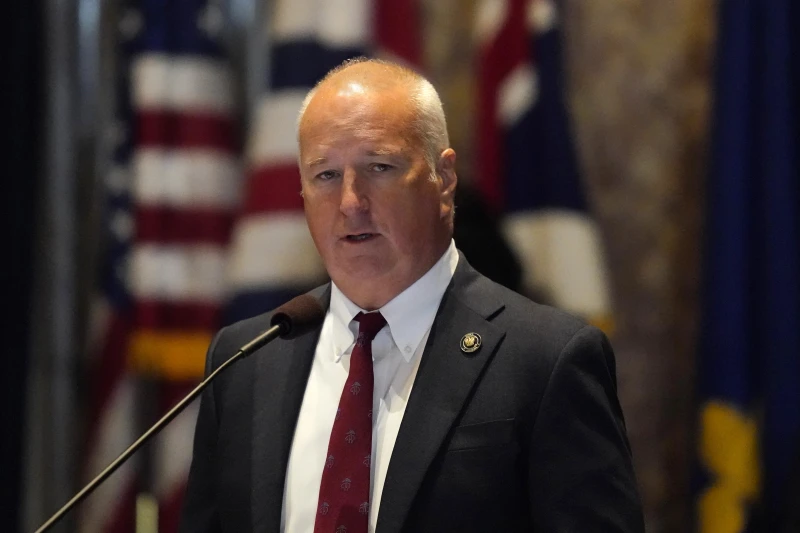
Even before the bill became law, Duncan and his supporters anticipated the outcome. In a symbolic show of support, hundreds gathered outside the Orleans Parish criminal courthouse for a ceremonial swearing-in event, underscoring the strong backing he received from the community.
Now, the dispute is shifting to the courts, where judges will weigh the constitutionality of the legislation and its implications for electoral rights. The outcome could have far-reaching consequences—not only for Duncan’s future but also for how states balance administrative reforms with respect for voter decisions.
As the case unfolds, the situation in Louisiana highlights a deeper national conversation about governance, accountability, and the limits of political power in reshaping democratic institutions.