Clicxpost

Iran’s top diplomat heads to oman for hormuz talks as Trump declares ceasefire over

Iran US assassination threat

Iran’s top diplomat landed in Oman on Saturday to hash out terms for keeping ships moving safely through the Strait of Hormuz, according to Iranian state media, as Washington pushes for a public promise of open, secure passage through the waterway.

President Donald Trump said Friday that the U.S. and Iran would keep talking even after a rough week of renewed hostilities, but he also declared the ceasefire between the two countries finished. No new attacks surfaced Friday or in the early hours of Saturday.

Iran’s semi-official Tasnim news agency reported that Foreign Minister Abbas Araqchi touched down in Oman on Saturday. Oman has been working to broker an end to a war that has rattled security across the Gulf and driven up prices worldwide since the U.S. and Israel struck Iran on February 28.

CBS News and its UK partner, the BBC, both reported that U.S. Vice President JD Vance, Secretary of State Marco Rubio, special envoy Steve Witkoff and Trump’s son-in-law Jared Kushner were set to lead Saturday’s talks with Araqchi. Reuters could not immediately confirm those reports, and neither outlet specified whether the talks would happen in Oman or over video link. Iran’s Fars news agency later quoted a source saying no negotiations would happen until the U.S. backed off its current position.

Iran says U.S. broke the interim deal
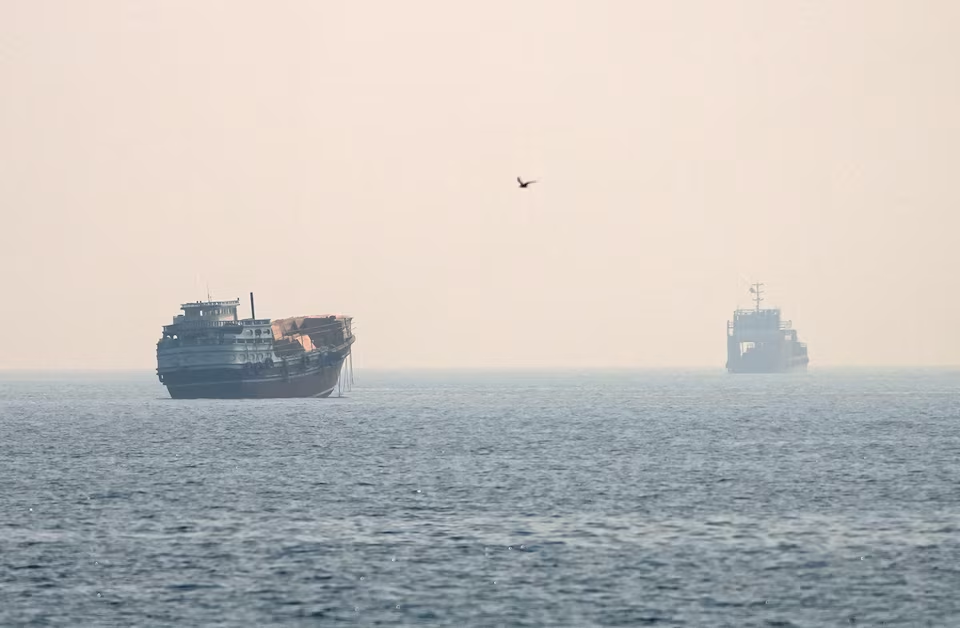
Araqchi accused Washington of violating the ceasefire terms after the U.S. pulled the license that had allowed sales of Iranian crude on Tuesday, a move that came after commercial vessels were hit. “There can only be mutual compliance,” he wrote on X.

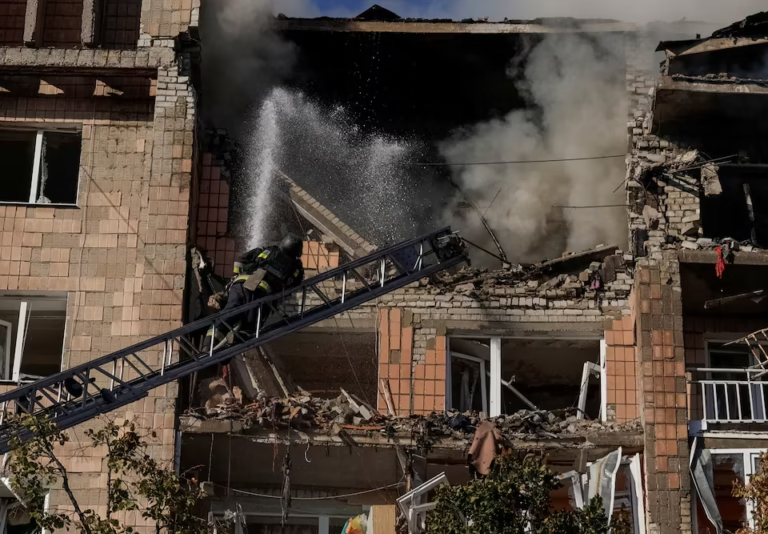
Three Qatari and Saudi commercial tankers were struck earlier in the week. The U.S. answered by hitting Iranian sites, and Iran fired back at U.S. military positions in Gulf states. Iran has not claimed the ship attacks, but analysts say Tehran has used similar strikes before to gain ground at the negotiating table.

Senior U.S. officials told reporters Friday that Iran had told American counterparts the shipping attacks came from an “errant part of their system,” language that seemed designed to lower the temperature. Still, the flareup raised fresh doubts about whether last month’s interim agreement can hold, and it pushed oil prices up at a moment that carries real political weight for Trump heading into November’s congressional elections.

“The Islamic Republic of Iran has asked us to continue ‘talks.’ We have agreed to do so, but the United States has stated to them, in no uncertain terms, that the Cease Fire is OVER!” Trump wrote Friday on Truth Social.

Iran pushed back on that framing. State television reported that Tehran never asked to negotiate directly with Washington but agreed to host a Qatari mediator instead. A person with knowledge of the matter told Reuters that Qatari negotiators met with Iranian officials Friday to work on de-escalation and discuss the strait specifically.

Trump also said he had ordered the U.S. military to stand ready to strike Iran if Tehran carries out, or tries to carry out, an assassination attempt against him. “1000 Missiles are Locked and Loaded and aimed at the Islamic Republic of Iran, with thousands of more to immediately follow, should the Iranian Government act on its threat, pronounced in many corners of the Globe, to assassinate, or attempt to assassinate, the sitting President of the United States of America, in this case, ME!” he wrote.

The Wall Street Journal and other U.S. outlets reported this week that Israel passed intelligence to Washington indicating Iran had recently put together a plan to kill Trump. Iran had not responded to Trump’s latest comments as of Saturday.

At the funeral for Iran’s Supreme Leader Ayatollah Ali Khamenei on Thursday, a massive crowd filled a courtyard, and some mourners carried banners reading “We Will Kill Trump.” Khamenei died in an airstrike on the war’s opening day.

U.S. officials call recent talks productive
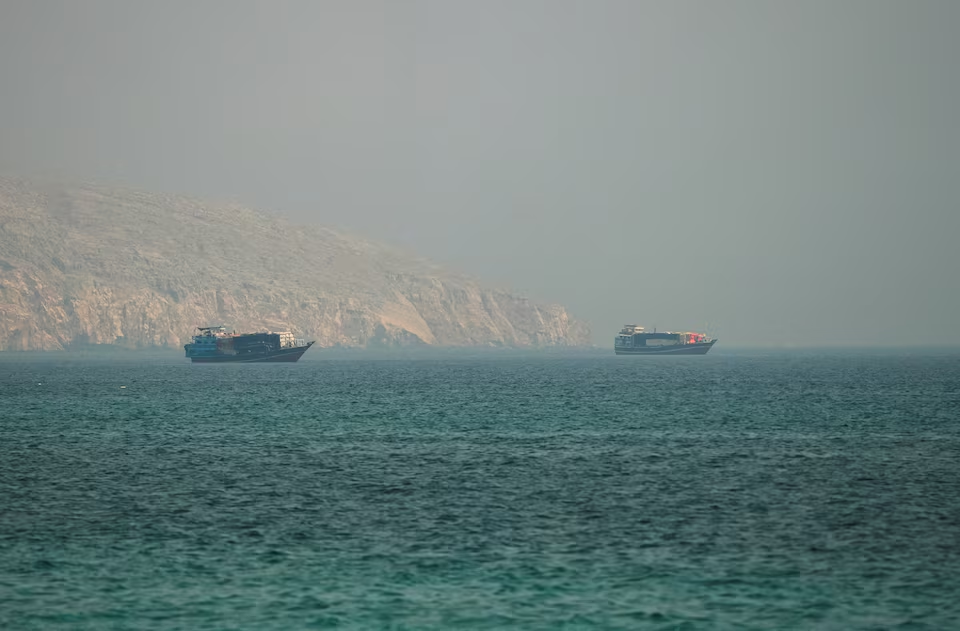
Washington wants Iran to publicly commit to ending attacks on ships in the strait and to keep every lane open with no tolls charged, senior U.S. officials told reporters Friday. Before the war, the waterway carried roughly one-fifth of the world’s oil supply. During the fighting, Tehran has largely controlled the strait, which has left the standoff with the world’s most powerful military stuck in a stalemate.

At least 17 people died in U.S. strikes on six Iranian cities Wednesday and Thursday, according to the head of the public relations and information center at Iran’s Health Ministry, who also said 115 people were wounded.

Despite the casualties and the renewed strikes, U.S. officials described the conversations between the two countries in recent days as productive. Iran’s foreign ministry spokesperson said, through state media, that any breach of commitments by Washington would draw “reciprocal action.”

Last month’s interim deal was supposed to set up an eventual end to a war now in its fifth month. The conflict has killed thousands of people, cut into energy supplies worldwide and stirred worry about a broader global economic slowdown. The renewed fighting in the Gulf has added to the strain on U.S. consumers. Crude oil prices had been falling steadily for weeks before posting their sharpest weekly increase in eight weeks.


RECOMMENDED

UP NEXT

Trump Latin America right-wing leaders

Is Trump making Latin America great again?

President Donald Trump’s foreign policy has faced sharp criticism at home over the past year. A costly and unresolved war against Iran, combined with his continued failure to restrain Israel’s military campaign, has coincided with a steep drop in his approval ratings. Public frustration with both conflicts has grown steadily among American voters. Yet one region tells a different story about Trump’s influence abroad. Over the past eighteen months, a series of right-wing candidates has won national elections across Latin America. Trump has claimed personal credit for several of these victories, framing them as evidence of his continued sway over the hemisphere. He has given this pattern a name: the “Donroe Doctrine,” a reference that ties his approach to the historical Monroe Doctrine while stamping it with his own branding. These newly elected leaders have shown a consistent willingness to align with Washington’s priorities. That alignment carries consequences for the people living under their governments, particularly given the historical pattern of US partnerships with right-wing security forces in the region. Colombia’s shift to the right Colombia’s political direction changed sharply with the inauguration of Abelardo de la Espriella, a far-right businessman and former criminal defense lawyer. De la Espriella built a significant portion of his legal career representing paramilitary commanders in court, a detail that has drawn attention given his current political positioning. During his campaign, he pledged to “disembowel” the political left, language that set the tone for his approach to governance. Since taking office, de la Espriella has prioritized expanding fracking operations and pursuing other projects with significant environmental impact. His rise also marks a broader shift in Colombian politics away from the previous administration. His predecessor, Gustavo Petro, spent four years pursuing policies aimed at reducing domestic inequality. Petro was also an outspoken critic of Israel’s military campaign in Gaza, a position that put him at odds with Washington. With de la Espriella now in office, Colombia has moved back into closer alignment with US foreign policy goals. That closer relationship now has a physical headquarters. Medellin has been designated as the base for “Shield of the Americas,” a hemisphere-wide security initiative backed by the Trump administration. De la Espriella has described the partnership in expansive terms, stating that the United States and Colombia share a “shared destiny to defend Western civilisation across the Americas.” Argentina’s austerity under Milei In Argentina, President Javier Milei has become one of the most closely watched figures in this political shift. His party performed strongly in October’s midterm elections, a result that followed a direct intervention from Trump. The US president tied a $40 billion bailout package for Argentina to the outcome of those elections, a connection that drew criticism from observers who viewed it as an attempt to influence the vote from outside the country. Milei’s signature policy has been the elimination of a wide range of welfare programs. The economic effects of these cuts have been significant. Millions of Argentinians have fallen into poverty since the reductions took effect, and Buenos Aires has seen a marked increase in homelessness as a direct result of the policy changes. Honduras and the threat of lost aid Honduras saw a similar political transition in January, when businessman Nasry Asfura assumed the presidency. His path to office was shaped in part by an explicit threat from Trump, who said he would cut off US aid to Honduras if Asfura lost the election. Asfura went on to win. Since taking power, Asfura has pursued a crackdown on crime as a central policy priority. The results have not matched the stated goals. Violence in the country has increased following the crackdown, a pattern that mirrors the outcomes of similar enforcement-first approaches elsewhere in the region. Chile’s turn toward Kast Chile’s 2025 presidential election produced another win for Trump’s preferred candidates. Jose Antonio Kast, an admirer of former Chilean dictator Augusto Pinochet, secured the presidency with Trump’s public endorsement. Kast moved quickly after taking office, personally overseeing the start of a project to dig trenches along Chile’s borders as part of a broader border security push. A regional pattern Beyond these four countries, several other Latin American leaders have adopted comparable political approaches. Ecuador’s Daniel Noboa, El Salvador’s Nayib Bukele and Peru’s Keiko Fujimori have each pursued strict, enforcement-heavy strategies on crime. Fujimori’s political lineage adds another layer to this pattern: she is the daughter of a former Peruvian dictator, connecting her current political rise to the country’s own history of authoritarian rule. These leaders share more than a general ideological alignment. Nearly all have embraced the position that government should prioritize the interests of wealthy citizens and businesses, a principle that runs through Trump’s own domestic agenda. Most have also adopted iron-fist crime policies that rely heavily on incarceration and lethal force rather than addressing the underlying causes of crime. Many of these governments have also leaned on anti-immigrant rhetoric, using migrants as a political target in ways that closely resemble Trump’s own messaging in the United States. This shared approach to migration has become a defining feature of the political movement now taking hold across the region. Domestic fallout in the United States The immigration enforcement approach that has spread across Latin America has its roots in policies pursued domestically by the Trump administration. US Immigration and Customs Enforcement has expanded its operations significantly, with agents detaining international scholars and activists as part of broader enforcement efforts. ICE has also been connected to incidents resulting in the deaths of US citizens, according to reporting on the agency’s recent operations. Financial data released in August adds another dimension to the picture. A report from Democratic members of the US Congress Joint Economic Committee found that Trump’s personal income reached $2.2 billion in 2025, more than tripling his earnings from the previous year. The same report found that American households collectively lost $219 billion over the same period, with families facing higher costs for everyday essentials. A historical pattern repeats The current alignment between Washington and right-wing Latin American governments is not without precedent. Both Republican and Democratic administrations in the United States have previously partnered with abusive governments in the region, often in the name of combating leftist politics or drug trafficking. Those partnerships have historically coincided with significant violence against civilians, particularly in countries where US-backed security forces operated alongside paramilitary groups. Colombia’s own history illustrates this pattern directly. Decades of US funding for Colombia’s military, delivered while the armed forces maintained close ties to right-wing paramilitary organizations, contributed to substantial civilian casualties. De la Espriella’s legal work defending paramilitary leaders places him within that same historical context, even as he now leads the country as head of state. What the shift means going forward The current wave of elections has drawn comparisons to previous periods of US-aligned governance in Latin America, with some analysts describing the trend as a broader political realignment sweeping the region. The scale and coordination behind this shift, spanning Colombia, Argentina, Honduras, Chile and beyond, distinguishes it from earlier, more isolated instances of US influence in individual countries. Trump’s continued engagement with the region shows no sign of slowing. Financial incentives, public endorsements and now a dedicated security initiative headquartered in Medellin all point toward deeper US involvement across the hemisphere. For the people living under these newly elected governments, the practical effects of that involvement, from welfare cuts to expanded crime crackdowns, are already being felt. The pattern raises questions about what comes next as these governments consolidate power. History suggests that when Washington partners closely with right-wing security forces in Latin America, the resulting policies carry significant human costs, particularly for the populations these crackdowns are ostensibly designed to protect.

Read More »
Canada retaliatory tariffs

Trump’s Lake Ontario Threat Amid Canada Trade War: Ottawa Fires Back With $20 Billion in Retaliatory Tariffs

Canada answered Washington’s latest round of tariffs on Tuesday with a $20 billion package of its own, matching the United States duty for duty and rolling out billions in aid for businesses and workers caught in the crossfire. The counter-tariffs take effect September 8 and apply rates of 15%, 25% and 50% across roughly 700 U.S. products, according to a government statement. The move came the same day Trump threatened to rename Lake Ontario “Lake America,” a comment Canadian officials largely ignored while turning their attention to the economic response. A widening trade rift The retaliation follows Trump’s 50% tariffs on $20 billion of Canadian imports, which took effect Saturday after negotiations between the two countries fell apart. The breakdown has pushed relations between the longtime allies to a new low, with both governments now trading tariffs on hundreds of products across multiple sectors. Canada’s Finance Minister François-Philippe Champagne framed the response as protective rather than escalatory. “Our dollar-for-dollar, rate for rate counter-tariffs as well as a multi-billion dollar support package will protect workers, farmers, families, and businesses,” he said. The White House and the U.S. Trade Representative did not immediately respond to a request for comment. What gets taxed and how much Canada’s 50% tariffs target steel, aluminum, furniture and clothing. The 25% rate applies to cheese, appliances and some seafood. Electronics and tools fall under the 15% tier, a Canadian government official told reporters. The list extends further into prepared foods, perfumes, toiletries, plastics, lumber, wood pulp and paper products, carpets and clothing. Industrial goods are also covered, including iron and steel, aluminum, hand tools, other metal products, machinery, electrical equipment, rail engines, motorcycles, furniture and gaming equipment, according to government documents. Trump’s tariffs affect roughly 5% of Canada’s exports to the United States, a relatively narrow slice of trade. Trade analysts say the impact will still land hard on specific sectors already under strain, particularly wood products and kitchen cabinet makers. Canada’s countermeasures, calculated using 2024 trade figures, cover goods that make up close to 4.5% of the country’s imports from the United States. A political dimension Industry Minister Melanie Joly said the tariffs serve two purposes: shielding Canadian companies and applying pressure ahead of the U.S. midterm elections on November 3. “We need to make sure that the competitors don’t have access to the Canadian market in a better way than their own products, and that’s why the retailers need to show that from Canada,” she said. She described the second goal in direct terms. “We’re also targeting products that will target states in the U.S. and so we’re being wise and strategic to put political pressure, and that’s why we think it’s the right thing to do right now.” Billions for businesses and workers Alongside the tariffs, Canada unveiled a C$7.5 billion support package. It includes funding for small and medium-sized businesses, a cash-flow stream for companies affected by the trade dispute, and assistance for workers at risk of job losses tied to the new duties. The Business Development Bank of Canada, a federal lender, will handle part of the rollout. It plans to offer interest-free loans ranging from C$2.5 million to C$5 million to eligible businesses. Companies that take the loans will not owe repayments for 36 months, a window that stretches through the remainder of the Trump administration’s term. The Lake Ontario comment Trump’s tariff announcement came the same day he floated changing the name of Lake Ontario, one of the five Great Lakes that borders both Ontario and New York State, to “Lake America.” He made the remark in a Truth Social post, tying it to the broader breakdown in trade relations with the province. Canadian officials did not directly address the renaming idea in their tariff announcement, focusing their public remarks instead on the economic measures. The comment adds another layer to a dispute that already spans tariffs, cross-border commerce and a separate disagreement over Quebec’s French-language content rules for streaming services, which Canadian Prime Minister Mark Carney has said also contributed to the collapse of trade talks last week. With both governments now enforcing tariffs on hundreds of products and Ottawa framing part of its response as political leverage ahead of the U.S. midterms, the standoff shows no sign of easing in the near term.

Read More »
Trump Canada trade war

Trump considers renaming Lake Ontario “Lake America” as trade dispute with Canada deepens

Lake Ontario borders the Canadian province of Ontario and New York State. On Tuesday, President Donald Trump said his administration is weighing a new name for it: Lake America. “The United States is giving serious consideration to changing the name of Lake Ontario to Lake America in that we don’t expect to doing much business with Ontario any longer,” Trump wrote in a post on Truth Social. The comment lands a week after trade talks between Washington and Ottawa broke down, with each side blaming the other for the collapse. It is not the first time Trump has floated renaming a body of water tied to a trade dispute. In January 2025, he signed an executive order renaming the Gulf of Mexico as the Gulf of America. Canada declines to engage Dominic LeBlanc, Canada’s minister responsible for U.S. trade, brushed off the suggestion when asked about it in an interview on CNBC. “We’ve decided as a federal government months ago not to respond to sort of the daily social media posts of either the president or his cabinet secretaries,” LeBlanc said. Ontario Premier Doug Ford pushed back on the substance behind Trump’s post during a separate interview with CNN. He argued the province carries real economic weight in the relationship. “I think it’s a lot of rhetoric because we’re the No.1 customer to 17 states, No.2 to 12 others. Ontario alone, if Ontario was just standalone, would be the third-largest trading partner in the world,” Ford said. A name change to one of the five Great Lakes would carry no legal or practical effect on the trade dispute itself. Trump has cast himself for years as a dealmaker, but he is also currently working to end the U.S.-Israeli war on Iran that he launched earlier this year, a conflict that has pushed global energy prices higher. The French-language dispute In a second Truth Social post Tuesday, Trump denied that disagreements over Canada’s French-language rules played any role in the breakdown of trade negotiations. “I would never interfere with Canadians speaking French! In fact, I have never even thought of doing such a stupid thing,” he wrote. He went further, blaming Canadian Prime Minister Mark Carney directly. “This lie was made up by a weak and ineffective Prime Minister in an attempt to gain political support, which he has totally lost, from the people of Quebec. I love French Canadians!” Carney gave a different account at a press conference Monday. He said the deal collapsed after U.S. negotiators pushed changes that would have put Quebec’s French-language protections at risk. At issue is a Canadian legal requirement that streaming services prioritize French-language content for Quebec audiences. The U.S. Trade Representative flagged the rule as a trade barrier in its 2026 National Trade Estimate report, and U.S. negotiators reportedly sought to roll it back during talks. English and French hold equal constitutional status in Canada. Quebec’s view of Trump Roughly 80% of Quebec’s population speaks French, and polling shows the province holds the most negative view of Trump anywhere in Canada. Angus Reid data from August found just 10% of Quebecers view him favorably. Even a tariff-reduction deal is unlikely to shift that opinion, according to the polling. Talks between the two governments remain stalled, with tariffs, the language dispute, and now a potential lake renaming all layered into an increasingly public standoff

Read More »
Trump Canada auto tariffs

Trump Threatens to Double Canadian Auto Tariffs to 50% Starting January

President Donald Trump moved to ratchet up pressure on Canada on Monday, warning that U.S. tariffs on cars, trucks and auto parts from its northern neighbor would rise to 50% starting January 1, 2027, after trade talks between the two countries collapsed over the weekend. A deal had been on the table that would have cut the top-line tariff rate on Canadian cars and light-duty trucks from 25% to 15%, along with lowering tariffs on aluminum and steel from 50% to 25%. That deal fell apart on Friday over several unresolved issues, including whether the tariff relief would extend to medium and heavy-duty trucks. “Build in the U.S. and there are ZERO TARIFFS. Canada will be treated like a State no longer!” Trump wrote on Truth Social. He went further in a follow-up post: “On Trade, and in other ways, also, they are among the worst Nations in the World to deal with. They feel entitled, and yet, WE DON’T NEED CANADA, THEY NEED US!” A Trading Relationship Under Strain Canada has remained one of the United States’ top two trading partners throughout the dispute. Last year, U.S. goods and services trade with Canada totaled $872.3 billion, a 4.6% decline from the year before. More than three-quarters of Canada’s exports go to the U.S., while nearly half of what Canada imports comes from its southern neighbor. That interdependence runs deep in the auto sector specifically. U.S. auto production is tightly integrated with manufacturing in both Canada and Mexico, and tariffs of this scale could disrupt output on the American side of the border as well, depending on how they’re structured. Flavio Volpe, president of Canada’s Automotive Parts Manufacturers’ Association, put it bluntly: “A threatened US tariff on Canadian auto parts will be paid by US auto assembly. Without those specific parts, auto assembly throughout the U.S. would halt.” Neither the White House nor the Canadian government immediately responded to requests for comment on the specifics of the threatened tariffs. Retaliation Already in Motion Canada plans to impose its own tariffs on a range of U.S. goods starting September 8, retaliation for the 50% levies Trump ordered on $20 billion worth of Canadian products. Canadian Prime Minister Mark Carney didn’t hesitate when asked Saturday whether the two countries were now in a trade war. “You’re at war when you get attacked. We got attacked,” Carney said. The standoff is already reshaping the industry. Several automakers have announced or are weighing plans to scale back production in Canada, and the dispute has driven a 22% drop in Canadian imports of U.S.-made vehicles. Major automakers stayed quiet Monday, declining to comment on Trump’s latest announcement. But auto executives who spoke to Reuters on condition of anonymity were skeptical the tariffs would actually take effect as described. They pointed to a pattern: Trump has announced large tariffs before that never materialized. They also noted that a tariff of this size would likely trigger heavy Canadian retaliation, and that January falls well after November’s midterm elections, timing that could mean the threat is really an attempt to restart negotiations rather than a fixed plan. A Familiar Pattern With Aircraft This isn’t the first time Trump has used a similar threat against a different Canadian industry. In January, he said the U.S. would decertify Bombardier’s Global Express business jets and threatened 50% import tariffs on all Canadian-made aircraft unless Canada’s aviation regulator certified a batch of planes built by U.S. rival Gulfstream. Neither the decertification nor the tariffs happened. The following month, Canada certified several Gulfstream aircraft, and the dispute quietly resolved itself. Whether the auto tariff threat follows the same script, an escalation followed by a negotiated retreat, or actually takes effect on January 1 remains to be seen. For now, the two countries are moving in opposite directions: Canada is preparing retaliatory tariffs for early September, while Washington is threatening to double down four months after that.

Read More »
Ukraine drone strikes Ozon

Ukraine Widens Drone Strikes on Russian E-Commerce Giant Ozon

Ukraine has struck four logistics hubs belonging to Ozon, Russia’s second-largest online retailer, extending a drone campaign against Russian e-commerce companies aimed at deepening the economic cost of the war. Ozon’s shares fell sharply on Monday after the company disclosed the strikes in southern Russia, bringing to six the number of its facilities hit over three days. Until last week, Kyiv had concentrated its attacks on Ozon’s rival Wildberries, part of an e-commerce sector that has kept growing even as the broader Russian economy stalls after four and a half years of war. Ozon said in a statement that a logistics hub in Makhachkala, in Dagestan, caught fire and stopped operating after a drone attack. “According to preliminary information, several people were injured,” the company said. A separate fire broke out at an Ozon hub in Enem, near Krasnodar. Workers were evacuated from warehouses in Adygeysk, in the Adygeya region, and in Nevinnomyssk, in the Stavropol region, though the company said neither facility sustained damage. Attacks Spread Across Russian Regions Operations at an Ozon logistics center in the Samara region were suspended Saturday after a drone strike. The company also halted work at its facility in the Orenburg region, evacuating more than 300 people from the site. Ozon shares dropped almost 30% on the Moscow Exchange on Monday. Shares in its largest shareholder, private equity firm AFK Sistema, fell more than 13%. The losses mark a reversal for a company that had thrived through the war. Ozon’s stock had climbed nearly 300% since the market turmoil that followed Russia’s 2022 invasion, making it one of the strongest performers on the Moscow Exchange until the drone campaign began targeting its warehouses. Kyiv has justified the Wildberries strikes by arguing the company’s warehouses function as infrastructure supporting Russia’s war effort. Ukrainian officials describe the broader push against e-commerce logistics as part of a strategy to disrupt Russia’s economic infrastructure, cut into war financing, and bring the war’s costs home to Russian civilians. That strategy has already produced visible effects elsewhere. Strikes on Russian oil refineries have caused fuel shortages, forcing drivers in Moscow to wait in line for hours to fill their tanks. Wildberries Owner Says Business Continues Financial analysts note a key difference between the two retailers under attack. Wildberries has backing from its partner, state-owned bank VTB, while Ozon’s main shareholder, AFK Sistema, carries heavy debt and is unlikely to offer much financial support. Before the latest Ozon strikes, Russian President Vladimir Putin pledged state assistance to rebuild damaged warehouses “at a new technological level” and directed the government to design a support program for the logistics sector. Russia’s Finance Ministry said Monday it had prepared measures to help Wildberries and the small businesses that sell through its platform, including tax breaks lasting up to one year for those whose goods were damaged in attacks. Neither the ministry nor Wildberries disclosed the value of the support package. Russia’s central bank has also urged creditors to support businesses hit by the attacks on logistics centers and warehouses. “We keep on working,” said Wildberries owner Tatyana Kim, Russia’s richest businesswoman, welcoming the tax relief. A Company Built From an Online Bookstore Ozon grew out of an online bookstore and was once popular with foreign investors. Its depositary receipts traded on Nasdaq until 2023, when the company shifted its listing to the Moscow Exchange. Ozon raised $1 billion in a 2020 initial public offering. Before the war, its investor base included U.S. asset manager BlackRock, which said in 2023 that it no longer held any Ozon shares. Ozon does not publish a full list of its investors, but Norway’s sovereign wealth fund, the world’s largest, reported last June that it owned 0.23% of Ozon and more than 1% of AFK Sistema. The European Union sanctioned the financial units of both Ozon and Wildberries on July 24. Ozon said its financial unit does not operate outside Russia and holds no assets that Western sanctions could reach. Economic Pressure Builds on Two Fronts The twin campaigns against Ozon and Wildberries reflect a shift in how Ukraine is waging the economic side of the war. Rather than striking only military and energy targets, Kyiv is now going after the retail infrastructure that keeps goods moving to ordinary Russian consumers, betting that disruption to daily commerce will add pressure that battlefield losses alone have not produced. For Ozon, the timing compounds an already difficult position. The company entered the week of strikes carrying a valuation built on wartime growth, and investors responded to Monday’s disclosures by wiping out a large share of those gains in a single trading session. Whether the damage proves temporary will likely depend on how much support the Kremlin is willing, or able, to direct toward a retailer whose main backer is already carrying substantial debt.

Read More »
Zelenskyy Independence Day speech

Ukraine Won’t Surrender to Russia, Zelenskyy Tells Nation on Independence Day

President Volodymyr Zelenskyy told Ukrainians on Monday that his country wants peace but will not hand territory to Russia to get it, using his Independence Day address to push back against pressure for a settlement on Moscow’s terms. Standing beside British Prime Minister Keir Starmer and European Council President Antonio Costa in Kyiv, Zelenskyy marked the 35th anniversary of Ukraine’s break from the Soviet Union with a speech aimed as much at Washington and Moscow as at his own citizens. “Ukraine absolutely wants peace, but it is not ready to simply surrender,” Zelenskyy said. He argued that Russia would keep fighting even if Kyiv gave up the eastern territory Moscow has demanded, a point he has repeated through several failed rounds of ceasefire talks this year. Zelenskyy wore a traditional Ukrainian embroidered shirt for the ceremony and thanked the foreign leaders who traveled to Kyiv during wartime to appear alongside him. More than four years into the full-scale war, he used the moment to credit ordinary Ukrainians and soldiers for keeping the country intact. Starmer Pledges Continued Backing Starmer chose Kyiv for his first overseas trip since taking office, a signal he said reflected how seriously his government takes Ukraine’s defense. “We are with you in this struggle all the way, heart and soul,” Starmer told the crowd, adding that Britain would keep backing Ukraine “despite Russia’s outrageous threats to my country.” That backing now includes a new pledge. Britain announced Monday it will give Ukraine access to classified technology needed to begin producing European SCALP long-range cruise missiles on Ukrainian soil, weapons capable of hitting targets deep inside Russia. The Kremlin responded within hours. Russian officials said sharing the classified missile technology would “add fuel to the fire” in an already deteriorating relationship with London, a week after Moscow warned Britain there would be “consequences” for supplying drones to Ukraine. Coalition Leaders Turn to Air Defense Starmer was due to co-chair a virtual session of the Coalition of the Willing, the group of nations coordinating military support for Ukraine, alongside French President Emmanuel Macron and German Chancellor Friedrich Merz. Air defense topped the agenda, specifically Ukraine’s request for more systems to intercept the Russian ballistic missiles that have been hitting Ukrainian cities. Zelenskyy said Saturday that a $27 billion gap in this year’s defense funding is straining Ukraine’s war effort. He also warned that Russia could mobilize roughly 300,000 additional troops later this year, once parliamentary elections in September are out of the way, and use them to escalate the fighting. Addressing the crowd gathered for Independence Day, Zelenskyy praised the soldiers defending the country and asked allies for more support, though he was careful about how he framed the request. “We are not asking you to fight for us,” he said. A War Grinding Toward Its Fifth Year Russia’s full-scale invasion, launched on February 24, 2022, has killed hundreds of thousands of people and left large stretches of Ukrainian territory in ruins. Fighting still runs along a front line roughly 750 miles, or 1,200 kilometers, long. Talks pushed by the United States to end the war collapsed earlier this year after Ukraine rejected Russian demands to give up more land. Even so, Ukrainian forces have largely stopped Russian advances this year, holding a front line that barely moved through months of fighting. Above Kyiv, a squadron of drones performed a flying demonstration of the military technology that has helped Ukraine hold that line. On the Dnipro River, naval drones moved in formation, while unmanned ground vehicles, some fitted with heavy machine guns, rolled down one of the capital’s main commercial avenues. Zelenskyy called for Ukraine to build more cruise missiles ahead of winter, aiming to intensify strikes on Russian territory. He raised the request as Russia exploits Ukraine’s shortage of anti-ballistic missile systems, a gap that has let Moscow escalate air strikes on cities well behind the front line this summer. Ukraine has answered with its own long-range campaign, targeting Russian oil refineries and logistics networks to disrupt Moscow’s supply lines. On Monday, Ukrainian drones struck four logistics hubs in southern Russia belonging to Ozon, the country’s second-largest online retailer, according to the company. Fallen Soldiers Honored, Prisoners Released The ceremony turned somber as Zelenskyy presented state awards for fallen soldiers to their mothers and other family members. He also announced that ten Ukrainian servicemen previously listed as missing in action have returned home as part of a prisoner exchange with Russia. “We remember each and every one who remains in captivity,” Zelenskyy said, promising to keep working to bring them home. The address capped a day meant to project unity behind Ukraine’s war effort, even as questions persist over funding, troop numbers, and how much longer Western governments will sustain the level of support Kyiv says it needs to hold the line through another winter.

Read More »
Trump approval rating

Trump’s Approval Rating Falls to New Low as Americans Wary of Iran War

President Donald Trump’s approval rating is at the lowest point of his current presidency, and a vast majority of Americans fear the U.S. battle with Iran might go for months, a Reuters/Ipsos survey found. The survey indicates growing public concern over the war, increased gasoline costs and the greater economic impact of a disruption in the Strait of Hormuz. # The findings also offer a political dilemma for Trump and House Republicans ahead of the November midterm elections.# Trump’s Approval Falls to 33% Only 33 percent of Americans polled said they approved of Trump’s job performance; 64 percent said they disagreed. The approval percentage was down from 35 percent in a Reuters/Ipsos poll earlier this month and was the lowest rating in Trump’s current term. It also matched his lowest approval rating during his first presidency, achieved in December 2017. The decrease comes after Trump’s return to the White House in 2025 with the backing of just under half of Americans. Since then, his electoral fortunes have waned as voters express concern about the administration’s handling of the conflict with Iran and its impact on household budgets. The newest data indicate that Trump’s political power is facing challenges not only from resistance by Democrats but also from economic concerns among the supporters who supported him.## Americans Expect Long Iran Conflict Perhaps the most evident conclusion from the poll was the broad anticipation that the war is not going to end soon. About 80% of those surveyed believe the United States will be involved in Iran for a long time to come. The sentiment cut across party lines, with 87 percent of Democrats and 71 percent of Republicans voicing the same concern. Only 16% of Americans felt the conflict was likely to conclude in a few weeks. The numbers are a tough development for Trump, who campaigned on cutting inflation and avoiding long overseas wars. When the battle started, Trump had said the combat wouldn’t endure for a long time. But Iran’s resilience and the ongoing disruption of shipping via the Strait of Hormuz has made those expectations more difficult to fulfill. The fighting has disrupted one of the world’s most critical energy corridors, generating uncertainty in oil markets and driving up fuel costs.Gas Prices Turn Into Political Issue One of the clearest ways the conflict is affecting American families is through higher gasoline prices. Trump has tried to justify the higher prices, saying Americans might have to live with higher fuel prices in exchange for keeping Iran from getting a nuclear weapon. Speaking Friday at a political rally in Garden City, New York, Trump said paying a little extra at the gas pump was a good price to pay to take on what he called a dangerous Iranian dictatorship. But most Americans haven’t been sold on the argument. Just under one in five of those who answered the Reuters/Ipsos poll said they thought the war had been worth the cost. Even among Republicans, only nearly half said the war was worth it. That finding could take on added significance in the wake of voters’ assessment of the administration’s economic record. Gasoline prices are a very obvious and immediate indicator of the health of the economy for many families. Higher gasoline prices can also be transmitted to transportation, food distribution and other costs, making it harder to tame inflation.# Midterm Elections Put G.O.P. Under Pressure The poll comes at a politically sensitive time for Trump and his Republican allies. The Nov. 3 elections could see Republicans trying to hold onto their slim majority in the House of Representatives while Democrats see an opportunity to battle for control of the Senate. The war in Iran could be a big factor in those races, especially if energy prices stay high or the conflict stretches into election season. Trump’s playbook politically has always been to lean heavily on his ability to persuade supporters that his policies are making the country’s economic standing better and America’s place abroad more secure. The message could be harder to sustain in the face of a long war and rising costs of living.# Democrats Make Strides on the Economy The latest Reuters/Ipsos poll also shows a major shift in how voters view the economic credentials of the two parties. For the first time in almost 10 years, voters prefer Democrats to Republicans on which party would do a better job handling the economy. In the latest poll, 38 percent of respondents said Democrats were better able to handle the economy, versus 35 percent who said they trusted Republicans more. Democrats also gained an advantage when voters were asked which party would be better at managing the cost of living. The development could be consequential for the midterm elections, which have historically been driven by economic issues as a major factor in voter behavior. Republicans have stressed tax cuts, deregulation and energy policy, while Democrats have emphasized household costs and the affordability of necessities. The poll indicates that the Republican edge on economic management could be fraying.# Immigration a Republican Strong Point Immigration remains a Republican advantage, but a much slimmer one. About 40 percent of registered voters said Republicans had the better approach to immigration, while 38 percent said Democrats did. The two-point Republican advantage was the smallest recorded during Trump’s current term. The change is notable because Republicans enjoyed a much larger advantage immediately after Trump returned to office. In January 2025, Republicans held a 26-point lead over Democrats on the issue. Trump has made immigration enforcement a central part of his presidency. His administration has pursued a nationwide crackdown, while officials have highlighted a significant decline in illegal border crossings. However, the administration’s immigration policies have also generated controversy over detention conditions, confrontations involving law enforcement and the detention of children. Those disputes appear to have affected Republican support on an issue that has traditionally been one of the party’s strongest political assets. ## War, Inflation and Political Risk The combination of foreign policy and economic concerns creates a difficult environment for the president. Trump has repeatedly shifted between threatening further escalation against Iran and suggesting that a negotiated settlement could be close. That uncertainty has made it difficult for businesses, investors and households to determine how long the economic disruption might last. The Strait of Hormuz is particularly important because of its role in global energy transportation. Any prolonged restriction on shipping through the waterway can affect oil prices far beyond the Middle East. For the administration, the political challenge is to convince voters that the costs associated with the conflict are temporary and justified by broader national security objectives. The latest poll suggests that message has not yet gained widespread public support. ## Public Opinion Could Shape the Midterms The Reuters/Ipsos findings do not necessarily predict the outcome of November’s elections, but they identify several vulnerabilities for the Republican Party. Trump’s approval rating is weak, voters are increasingly pessimistic about the duration of the Iran war, and Democrats have begun gaining ground on the economy. At the same time, Republicans retain a narrow advantage on immigration and continue to benefit from Trump’s strong base of support. The coming months could therefore prove decisive. If the Iran conflict moves toward a durable settlement and fuel prices decline, Trump could regain some of the political ground lost during the crisis. But if fighting continues, shipping remains disrupted and gasoline prices stay high, economic frustration could become a central issue in the midterm campaign. The Reuters/Ipsos poll was conducted online among 1,166 U.S. adults nationwide. It carried a margin of error of approximately three percentage points in either direction. For Trump, the results offer a clear warning: voters are increasingly judging his presidency not only by his promises of strength abroad, but also by the cost of that approach at home.

Read More »
Donald Trump Iran talks

Trump Says No Iran Talks Are Underway as Hormuz Dispute Deepens

U.S. President Donald Trump claimed Tuesday that there were no conversations underway or planned with Iran, contradicting more upbeat signals from members of his own government and highlighting the tremendous ambiguity surrounding efforts to end the dispute. Trump said the strategically important Strait of Hormuz was open and operational but that a U.S. Navy blockade was still in place. But Iranian authorities presented a starkly different version, saying the waterway would remain shut until Washington honored terms Tehran alleges were included in a temporary deal struck in June. The dueling claims came after a 60-day diplomatic window opened by the US-Iran pact ended Monday without a meaningful conclusion. The collapse has fueled new worries over oil supply, inflation and the potential for a renewed military escalation. Diplomacy Has Stalled, Says Trump Trump remarked in a statement on his Truth Social platform said there had been no talks with Iran and none were planned. He also said the U.S. naval embargo remains in place, while insisting the Strait of Hormuz itself is open. Mines have been taken out or blown up in the waterway, Trump added. The comments marked a substantial change in tone from the previous day. Jared Kushner, Trump’s son-in-law and an administration envoy involved in the diplomatic push, had signaled that talks with Tehran were underway and could be more meaningful than previous meetings. The mixed signals have intensified doubts over whether Washington still believes negotiation is the best way to settle the conflict or is planning to ratchet up economic and military pressure on Tehran. Meanwhile, Iranian officials have continued to claim they are eager to discuss, but only on terms they say defend the country’s sovereignty and economic interests. Iran Says Hormuz To Stay Closed The issue that remains unresolved in the negotiations is the Strait of Hormuz. The narrow strait linking the Persian Gulf to the Gulf of Oman is one of the world’s most vital energy corridors. Before the fighting, over 20 percent of the world’s oil and liquefied natural gas went through the channel. In the June agreement, Iran committed to arrange for the safe passage of commercial vessels for 60 days. The United States has promised to begin lifting its naval blockade of Iranian ports and to finish that process within 30 days. The accord also called for negotiations for a larger settlement on Iran’s nuclear program, sanctions and economic rehabilitation. But the two parties had quite different conceptions of what should happen beyond the first 60-day period. Iranian Parliament Speaker Mohammad Baqer Qalibaf said Tuesday that Tehran will continue to keep the waterway closed until Washington met demands Iran believes were part of the accord. Tehran wants the US to lift its blockade, remove oil restrictions, release Iranian assets frozen abroad and stop American military threats and operations. The dispute has turned what was meant to be a de-escalation mechanism into one of the main causes of confrontation. The initial memorandum foresaw the return of commercial traffic gradually and Iranian efforts to eliminate technical and military barriers, including mines. Shipping still well below normal The strait was open but traffic was well below average, Trump said. Early marine data showed just a handful of ships transiting the channel Monday, well below activity levels before the war. The United Kingdom Maritime Trade Operations group also stated Tuesday that an outbound vessel transiting through the strait had been hit by an unidentified projectile. The incident apparently caused damage in the engine room and a crew injury, and the surviving crew were being assisted by Omani authorities. The event underscores the ongoing risks to commercial operators even when the waterway is nominally passable. For shipping corporations the question is not just whether a ship can physically enter the channel. Insurance expenses, threat of attack, uncertainty over mine clearance and the prospect of detention or intervention can all play a part in whether commercial operators are willing to make the route. That uncertainty has led to the volatility of global energy markets.# Oil prices rise, markets fear a long crisis The end of diplomacy was quickly reflected in the financial markets. Brent crude, the international benchmark, had jumped during the battle to a high of around $126 a barrel, about three-quarters more than before the war. Prices then dropped on prospects of a truce and greater shipping activity but continued diplomatic tensions pushed Brent higher again. It closed Tuesday at just above $91 a barrel. The fallout goes far beyond energy. Higher oil prices raise the cost of transportation and manufacturing throughout the global economy and add to inflationary pressure. Then, governments and central banks have to weigh whether greater energy prices are transitory or enduring when choosing interest rates. Equity and government bond markets have also been buffeted by uncertainty, as the cost of borrowing has jumped dramatically in key nations. U.S. 30-year Treasury yields hit their highest level in nearly two decades as fears grew over the longer term economic impact of the conflict, Reuters reported. American Consumers Are Feeling the Pinch The crisis has also become a growing domestic political concern for Trump. In the U.S., AAA said, gasoline prices had surged beyond $4 a gallon, compared to less than $3 before the war. The rise comes at a politically sensitive time, with legislative elections set for November. For the government, the challenge is to sustain the pressure on Iran, but avoid a lasting energy shock. A prolonged closure of the Strait of Hormuz might force fuel prices even higher, with possible effects on household budgets, transportation expenses and inflation expectations. Trump has always characterized his policy as one of maximum pressure on Tehran and seeking a negotiated conclusion. With the 60-day framework collapsing, that strategy is facing further criticism.“We are not giving up diplomacy,” Tehran says But despite increasingly aggressive rhetoric, Iranian leaders have not shut the door entirely on diplomacy. Tehran still was willing to talk to Washington but would not confuse talks with surrender, Mohammad Mokhber, an adviser to Iran’s supreme leader, said Tuesday. His remarks were reflective of the dilemma facing Iranian leaders. The administration wants to show it can endure the pressure of the U.S. military and economy, but it also wants relief from sanctions and access to frozen financial assets. Long-term economic disruption could also raise domestic misery and political pressure on the government. Iranian leaders have privately warned that worsening economic conditions could trigger new social upheaval and undermine popular confidence in the Islamic Republic even more. Iran’s government thus confronts conflicting pressures: to be hardline toward Washington but to avoid a confrontation that could further damage Iran’s economy.# A Delicate Pact Falls Apart The June memorandum was supposed to give the United States and Iran 60 days to reach a permanent settlement. The pact calls for both parties to suspend military operations and work for a larger agreement on Iran’s nuclear programs, sanctions and economic reconstruction. The treaty also directly dealt with the Strait of Hormuz and the return of commercial shipping was one of the first practical tests of the truce. ([Military Times][2]) The deal, however, left many of the most contentious issues unsolved. They included the future of Iran’s nuclear program, the scope of sanctions relief, the removal or prolonged presence of U.S. forces, the status of the naval blockade and who would ultimately manage maritime commerce through Hormuz. Failure to reach resolution within the 60-day term has resulted in the breakdown of those unresolved issues.## The Risk of Further Escalation The need for international governments and oil markets is to keep the disagreement over Hormuz from becoming another round of military conflict, for now. The waterway is too vital to the world economy for the damage caused by protracted disruption to be seen as just a regional concern. Longer-term cuts in oil and gas supplies could push up prices globally and make it harder to tame inflation. Yet Washington and Tehran have indicated that neither side looks eager to walk away from negotiations altogether. Trump’s assertion that there are no discussions scheduled, but Iranian officials continue to say they are willing to negotiate, indicates the diplomatic avenue may be blocked but not forever shut. The question now is whether both parties can find sufficient common ground to bring back commercial ships and reopen negotiations before military pressure and economic costs push the crisis into a more hazardous phase. For now, the Strait of Hormuz is the fulcrum of that uncertainty — and its fate might determine whether the situation veers toward renewed negotiation or another round of escalation.

Read More »
Trump grocery prices midterms

Grocery Prices Still Rising Two Years After Trump’s Bedminster Inflation Pledge, Testing Republicans Ahead of Midterms

Two years after Donald Trump staged a New Jersey press conference surrounded by grocery staples to attack inflation under Democrats, food prices are still climbing despite his promise to bring them down. The gap between that pledge and the current reality now threatens to become a liability for Republicans heading into November’s midterm elections. Trump stood among tables piled with fruit, beef, cereal, milk, and other household staples at his Bedminster golf club on August 15, 2024, blaming the Biden administration for sharp increases in grocery costs. The event, which included charts displaying rising prices, targeted Democratic nominee Kamala Harris and centered on Trump’s core campaign promise: that he alone could tame inflation and lower the cost of living for American families. Two years later, higher gasoline and grocery prices are squeezing household budgets and pushing the cost of living to the top of voters’ concerns. For the first time in nearly a decade, Reuters/Ipsos polling shows voters giving Democrats a slight edge over Republicans on economic stewardship. A voter’s frustration at the checkout line Sheila Carney, a 68-year-old Trump voter, punctuated her frustration with an expletive as she loaded $70 worth of groceries into her car outside a supermarket near Trump’s Bedminster club. The purchase was modest: some meat, detergent, and a 12-pack of iced tea. For Carney, the receipt stood as proof that affordability concerns Trump has sometimes dismissed as a Democratic “hoax” remain a daily burden for many Americans. “This is real. He can say it’s not, but it is,” said Carney, a hospital administration assistant who has delayed retirement while helping pay off her son’s student loans. “He hasn’t brought anything down.” A Reuters analysis of 26 grocery categories tracked by the Bureau of Labor Statistics, the same categories featured in Trump’s Bedminster display, found prices have risen 3.4% during the first 19 months of his second term. That pace is less than a quarter of what was recorded at the same point in Joe Biden’s term, but it still falls short of Trump’s pledge to lower prices outright, as surges in coffee, beef, and apples have outweighed declines in items like eggs and butter. A White House official pointed to data released Wednesday showing that U.S. consumer prices barely increased in July from the month before, citing it as evidence that inflation is under control. “The July CPI report is further proof that President Trump’s long-term agenda is delivering: prescription drug and auto insurance costs continue to fall, real wages are rising, and beef prices have cooled while other household essentials like eggs, poultry, and dairy remain low,” the official said. Republican enthusiasm wavers Carney, a registered Republican, said high grocery and gasoline prices tied to the Iran war were among the reasons she has grown disillusioned enough to consider skipping the midterms entirely, a sentiment that echoes recent polling showing Republicans less enthusiastic about voting than Democrats this cycle. Carney was one of 17 Republicans and independents Reuters interviewed in New Jersey’s 7th Congressional District, a battleground that includes Bedminster and where swing voters and turnout could decide the outcome. The race pits Republican incumbent Tom Kean against Democrat Rebecca Bennett, who has worked to capitalize on voter frustration over the cost of living. More than half of those interviewed said they were either undecided or leaning toward Bennett. While grocery prices weighed heavily on many voters, complaints about Kean more often centered on his months-long disappearance from public view earlier this year, which he later attributed to depression. Their views mirror those of other Trump supporters Reuters has interviewed in recent months, voters who continue to stand by the president but say financial pressures have dampened their enthusiasm for showing up in November. That ambivalence presents another challenge for Republicans and raises the stakes for the party’s get-out-the-vote efforts. Francesco Trebbi, a public policy professor at the University of California, Berkeley, recently co-authored research finding that Trump drew stronger support in the 2024 election in counties where inflation outpaced income growth, eroding household purchasing power. With real wages rising only marginally and lagging broader economic growth, Trebbi said that pattern is likely to reverse in November. “I expect the same anti-incumbent shift to happen in 2026, this time possibly weakening Republicans,” he said, describing grocery shopping as “psychologically salient” for voters. “Each time one does it, it is the equivalent of a campaign ad against the incumbent.” Not all Republicans are convinced Presidents have limited direct influence over inflation, which is driven by a range of factors and more directly addressed by the Federal Reserve. Many Republicans appear willing to give Trump the benefit of the doubt, even as his tariffs and the Iran war have contributed to rising prices. Bonnie Chandler, 64, plans to vote for Kean, saying she believes some companies are keeping prices elevated deliberately to make Trump look bad. She also said the growing influence of the Democratic Party’s progressive wing left her unwilling to consider its candidates. “I’m going to vote Republican. I’m not a woke person. I’m not a communist. I’m not a socialist,” she said. Lauren DeGirolamo, a 34-year-old Trump voter, said issues like education and border security matter more to her than grocery prices, which she believes have stabilized under Trump after steep increases during the Biden administration. “I feel grocery prices are pretty much at level with where they were during Biden. I know some of the key things that I look for, eggs, have gone down,” she said, adding that she plans to vote for Republican candidates in November. According to BLS data, egg prices have fallen nearly 40% under Trump, reflecting a market correction after avian flu-driven shortages triggered a surge that began during Biden’s presidency. Eggs rank among six of the 26 tracked categories showing declines since 2025, alongside butter, bacon, and cooking fats and oils. Most of the items Trump displayed at Bedminster, however, are now more expensive, some substantially so. Uncooked beef has jumped 19.2%, fresh fish and seafood 8.6%, apples 14%, and coffee nearly 23%. A political liability with real stakes A Reuters/Ipsos poll that concluded earlier this month found Trump’s net approval rating on his handling of the cost of living at negative 47%, down sharply from negative 6% at the start of his term. The issue ranks as his weakest by a wide margin, trailing his ratings on the broader economy at negative 35% and immigration at negative 16%. Bennett told Reuters that if elected, she would work to undo Trump’s tariffs, rein in the Iran war, and restore food stamp benefits to help families struggling to afford groceries. The issue is personal for her, she said. “This is not an abstract concept to me,” said Bennett, a military veteran and married mother of two daughters. “For example, beef is very expensive, so we don’t buy beef anymore.” Whether Kean, whose campaign did not respond to requests for comment, can hold his seat may depend on voters like Margaret Derkach, an 84-year-old who typically votes Republican but is now considering switching her vote if economic conditions don’t improve. “The cost of living, as far as homes, apartments and food, the necessities, they have gone up. It’s shocking, shocking,” Derkach said after shopping at discount grocer Aldi. Though she said Trump “inherited a mess” from Biden, Derkach added that she remains undecided. “I have to see,” she said.

Read More »
Iran US accept defeat

Iran Tells U.S. to Accept “Defeat” as Trump Warns of Prolonged High Gas Prices Amid Hormuz Standoff

Iran called on the United States to accept defeat on Saturday, while President Donald Trump described Tehran as “very evil” and told Americans to brace for continued high fuel prices as the war between the two countries drags on. Progress toward peace talks remained stalled, and oil tanker traffic through the Strait of Hormuz stayed halted, with no indication either side is moving toward ending the conflict that the U.S. and Israel launched on February 28. Iran’s Deputy Foreign Minister Kazem Gharibabadi delivered the sharpest rhetoric of the day in a post on X. “This strait will be opened and closed only under Iran’s command, and so long as you do not accept the reality of defeat and stop indulging in fantasies, Iran will continue to enforce the blockade,” Gharibabadi wrote. His comments came as Foreign Minister Abbas Araqchi said Iran had not decided whether to resume talks with Washington. In an interview published Saturday by Iranian news outlet Shahrara News, Araqchi said the U.S. must meet Iran’s conditions on the strait before shipping can resume through the waterway, which handled roughly one-fifth of the world’s oil before the war began. Trump defends the cost of the conflict Trump addressed the economic toll of the war directly at a political rally in Garden City, New York, on Friday, urging Americans to accept “a tiny little bit more for your gasoline” in exchange for preventing what he called “a very evil country” from acquiring a nuclear weapon, one of the stated justifications he has given for the war. He also floated a dramatic escalation of U.S. ambitions in the region. “After we finish defeating Iran… pretty soon I’ll be declaring the Hormuz Strait a territory of the United States,” Trump said. Throughout the conflict, Trump has shifted between threatening further escalation and claiming a peace deal is close at hand, a pattern that has continued into this latest round of statements. The financial impact of that uncertainty is already visible at the pump. The average U.S. price of a gallon of gasoline stood at about $4.08 on Friday, up 29% from a year earlier, according to the American Automobile Association. Trump campaigned for reelection on a promise to lower energy costs, and Democrats are now working to turn the war’s economic fallout into a campaign issue ahead of November’s congressional elections. Oil markets reflected the tension as well. Crude oil futures rose $1 a barrel on Friday, with benchmark Brent futures on track for a weekly gain of 6.0% and West Texas Intermediate up 5.4% for the week. Iran points to its own economic strain Tehran has matched Washington’s rhetoric in recent days as efforts to reach a lasting resolution appear stuck. Gharibabadi dismissed the idea that U.S. military posturing could resolve the standoff. “The Strait of Hormuz cannot be seized by a tweet or an aircraft carrier, by issuing an order or by delivering an election speech,” he said. Despite that defiance, Iran is showing signs of economic strain from the conflict. President Masoud Pezeshkian, speaking on state television, blamed rising inflation in Iran on a U.S. blockade of Iranian ports and continued sanctions on the country’s oil exports. Iran’s use of the word “blockade” mirrors the term Washington has applied to its own threats against Iranian vessels attempting to leave their ports, with both sides now describing the other’s actions in nearly identical language. Trump and Treasury Secretary Scott Bessent both pledged to increase financial pressure on Iran going forward. Bessent told Newsmax’s “Rob Schmitt Tonight” program on Thursday that additional measures targeting Iran would be announced next week. Trump, for his part, framed the broader U.S. campaign as a benefit to the international community. “What we’re doing is a great service for the world, not only for ourselves… and we’re really doing a great job,” he said. Shipping traffic remains near a standstill The practical effect of the standoff shows up most clearly in shipping data. Only two vessels passed through the Strait of Hormuz on Friday, and neither carried visible crude oil shipments, according to analysis from ship-tracking firm Kpler. Some vessels may still be crossing the strait undetected with their transponders switched off, but even accounting for that possibility, current traffic falls far short of the more than 130 ships that used to cross the strait daily before the war began. Vessels that attempt to navigate the strait without Iranian permission face the risk of missile or drone strikes. That risk has already materialized multiple times in the past two days. The UAE accused Iran of attacking a third vessel operated by the Abu Dhabi National Oil Company while it was transiting the strait on Friday, the Emirati state news agency WAM reported. The accusation followed two earlier incidents involving ADNOC vessels in the strait that the UAE blamed on Iran Thursday evening. Separately, the United Kingdom Maritime Trade Operations Centre reported that a bulk carrier was struck in the hull by an unknown projectile in the strait on Friday. It remains unclear whether that report refers to the same incident involving the ADNOC vessel or a separate attack entirely. A collapsed ceasefire and a widening regional conflict A tentative deal reached in June to end the war has effectively fallen apart. Araqchi rejected the framing that Iran and the U.S. ever had a formal ceasefire to extend. “We did not have a ceasefire in the first place that we would now want to extend,” he said. “We had ‘the end of the war,’ and now there is a new situation.” The conflict’s reach is also extending beyond Iran and the strait itself. Iran-backed Houthi forces in Yemen renewed fears of a broader regional war after Yemen’s internationally recognized government said the group fired six ballistic missiles at the Red Sea port of Mocha on Friday, killing four civilians. The strike adds another front to a conflict that began as a bilateral war between the U.S., Israel, and Iran but has increasingly drawn in Iran-aligned armed groups operating elsewhere in the region. With shipping through the Strait of Hormuz still largely frozen, oil prices climbing, and both Washington and Tehran doubling down on hardline public statements, there is little indication that either side is prepared to de-escalate in the near term. The economic pressure mounting on both countries, reflected in U.S. gas prices and Iranian inflation alike, has yet to translate into renewed diplomatic movement, leaving the war’s trajectory as uncertain as it has been since fighting began in February.

Read More »
Scroll to Top