
China and Russia reaffirmed the strength of their strategic partnership on Wednesday as Chinese President Xi Jinping hosted Russian President Vladimir Putin in Beijing for a closely watched summit marked by ceremonial displays, diplomatic symbolism, and discussions on energy, trade, and global governance.
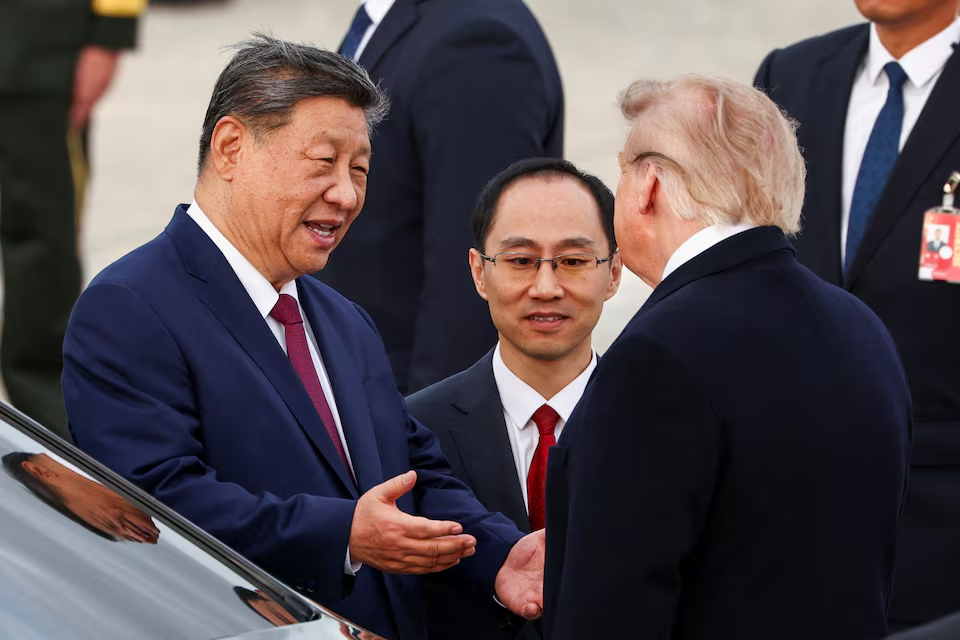
The meeting came only days after U.S. President Donald Trump’s visit to China, placing additional international focus on the Xi-Putin engagement and raising expectations over whether the leaders would advance long-running negotiations on major energy projects, particularly the proposed Power of Siberia 2 gas pipeline.
Despite the positive rhetoric and multiple cooperation agreements signed during the visit, no major breakthrough appeared to emerge on the gas project that has been under discussion for more than a decade.
Xi welcomed Putin at Beijing’s Great Hall of the People with military honours, including a gun salute and ceremonial guard, while children waved Chinese and Russian flags in a display underscoring the close ties between the two countries.
The leaders were also expected to hold a smaller informal tea session later in the day, a diplomatic gesture often viewed as an indicator of personal rapport and political significance in Chinese state protocol.
Strategic Cooperation Takes Centre Stage
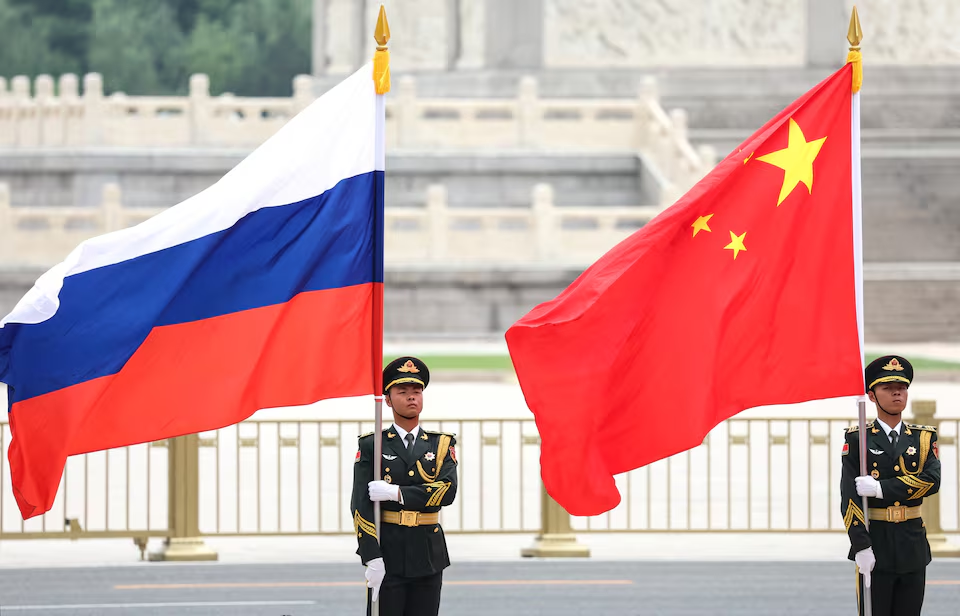
During formal talks, Xi stressed the importance of long-term strategic coordination and deeper political trust between Beijing and Moscow.
According to Chinese state media, Xi said China and Russia should continue promoting a “more just and reasonable” global governance system while strengthening cooperation across key sectors.
“China-Russia relations have reached their current level because both countries have consistently deepened strategic cooperation and political mutual trust,” Xi reportedly said.
Putin echoed those remarks, describing bilateral ties as stronger than ever.
Russian state officials quoted the president as saying relations between the two nations had reached “an unprecedented level” and continued to expand despite global geopolitical tensions.
The Russian leader also highlighted cooperation in the energy sector, emphasizing Russia’s role as a reliable supplier amid ongoing disruptions in global energy markets.
Putin used the meeting to invite Xi to visit Russia next year, further reinforcing the close diplomatic relationship that has evolved significantly in recent years.
Power of Siberia 2 Remains Unresolved
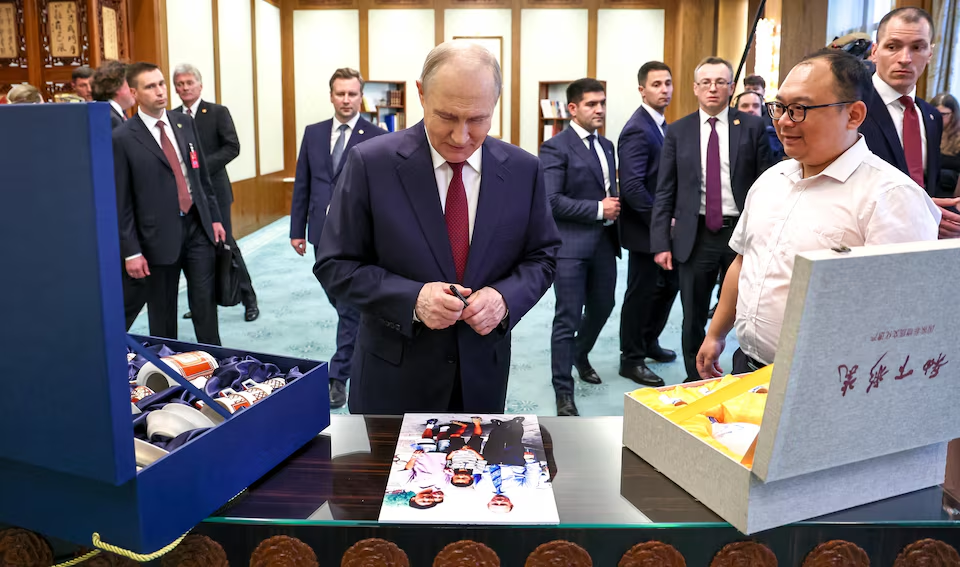
One of the most anticipated topics of the summit was the Power of Siberia 2 pipeline project, a proposed energy corridor expected to transport Russian natural gas to China through Mongolia.
The project, planned at approximately 2,600 kilometres (1,616 miles), would deliver around 50 billion cubic metres of gas annually from Russia’s Yamal fields in the Arctic region to Chinese markets.
Moscow has increasingly viewed the project as strategically important as it seeks alternative energy buyers following Western sanctions linked to the Ukraine conflict.
Ahead of the summit, Russian officials had signalled hopes for progress not only on pipeline agreements but also on broader energy cooperation involving oil and maritime shipments.
However, Wednesday’s discussions produced no formal agreement or timeline.
While Xi highlighted energy and infrastructure connectivity as key pillars of China-Russia relations, he notably avoided direct reference to the Power of Siberia 2 project.
Analysts say unresolved issues—including gas pricing structures, financing mechanisms, and supply conditions—remain significant obstacles.
The Kremlin later stated that both countries had reached a “general understanding” regarding project parameters, though no details were disclosed.
Energy experts believe negotiations may continue for years before a final agreement materialises.
Symbolism and Diplomacy Beyond Formal Talks
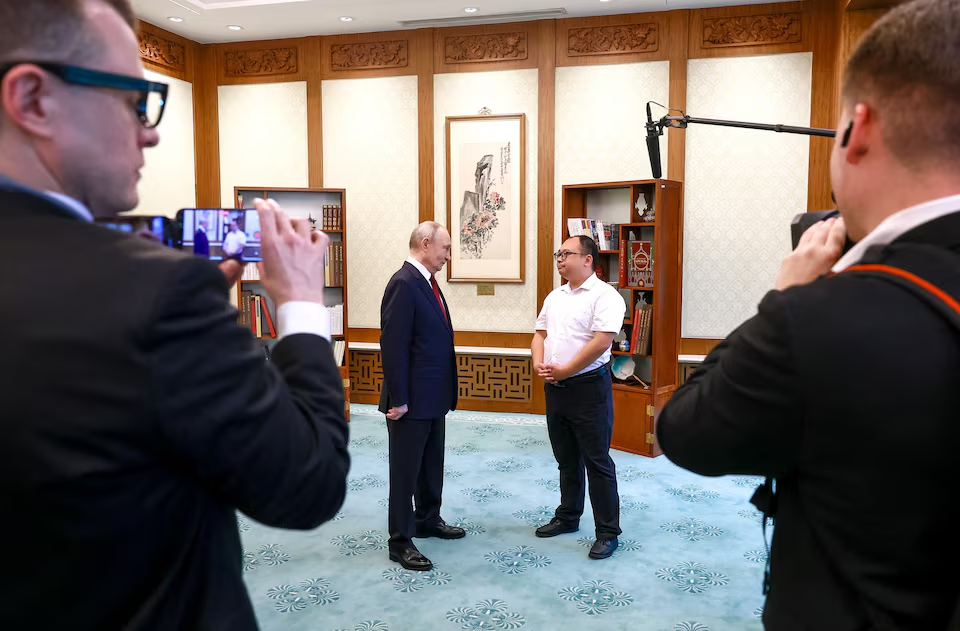
Beyond policy discussions, the summit carried significant symbolic weight.
Chinese leaders often use informal settings, particularly tea meetings, to signal the importance attached to visiting counterparts.
Xi previously hosted Putin in Zhongnanhai during the Russian leader’s 2024 visit, where the two leaders held relaxed outdoor discussions without formal attire.
Observers contrasted this year’s meeting with the more structured and carefully choreographed events surrounding Trump’s recent visit to Beijing, including tours and official engagements.
Kremlin spokesperson Dmitry Peskov dismissed comparisons between the visits, arguing that attention should remain on substantive outcomes rather than ceremonial differences.
Still, diplomatic analysts noted that optics remain central in international politics, particularly when major powers seek to demonstrate strategic alignment.
Expanding Partnership Amid Global Tensions
The summit also reflected the broader evolution of China-Russia relations since Western sanctions were imposed on Moscow following the war in Ukraine.
The two countries signed around 20 cooperation agreements during the visit, covering areas including trade, economic coordination, and strategic cooperation.
A joint declaration released after the talks emphasized support for a multipolar global order and warned against increasing international fragmentation.
The statement reportedly criticised the return of “law of the jungle” politics and called for stronger global cooperation on peace and development.
Analysts say such messaging aligns with Beijing and Moscow’s broader effort to position themselves as alternatives to Western-led international frameworks.
Patricia Kim, a foreign policy expert at the Brookings Institution, said the summit’s significance extended beyond immediate policy outcomes.
“The symbolism alone reinforces the perception that the China-Russia partnership remains institutionalised, coordinated and strategically important,” she noted.
Trade Balancing Between East and West
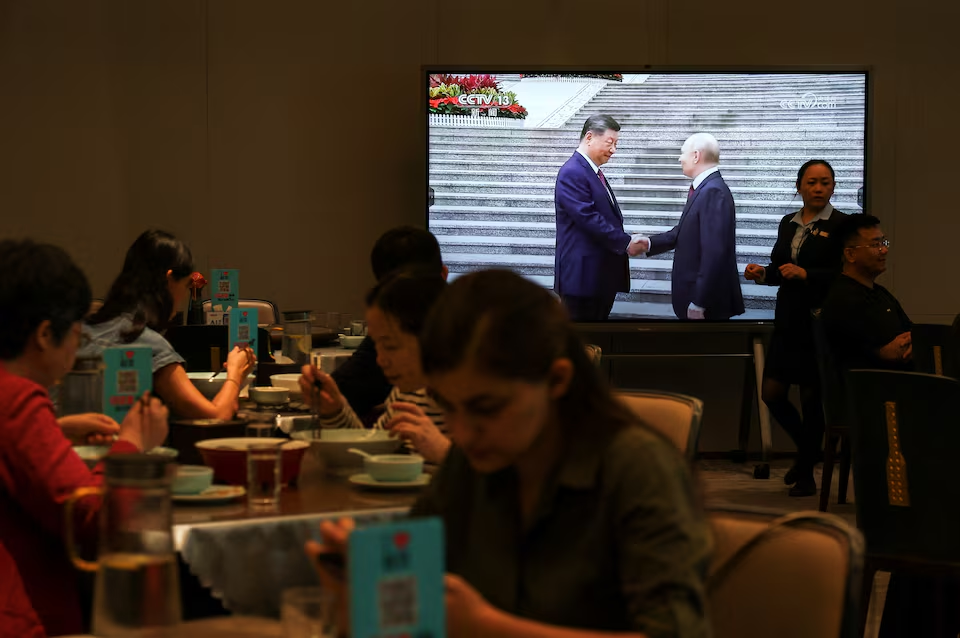
Interestingly, the summit also highlighted China’s efforts to balance its ties with Russia while stabilising relations with the United States.
As Xi and Putin met, China’s commerce ministry confirmed a previously announced agreement involving the purchase of 200 Boeing aircraft—an arrangement linked to discussions during Trump’s recent visit.
Beijing also signalled interest in extending trade understandings with Washington and pursuing reciprocal tariff reductions.
The moves suggest China is seeking to manage economic relationships with both major powers simultaneously, even as geopolitical competition intensifies.
For Russia, stronger trade and energy ties with China remain essential as Moscow adapts to shifting global markets.
While Wednesday’s summit reinforced the political closeness between Xi and Putin, the absence of concrete progress on major energy initiatives showed that strategic partnership does not always translate into immediate economic agreements.
Still, both nations left the meeting presenting a united front—one increasingly shaped by long-term geopolitical ambitions and a shared vision for a changing global order.