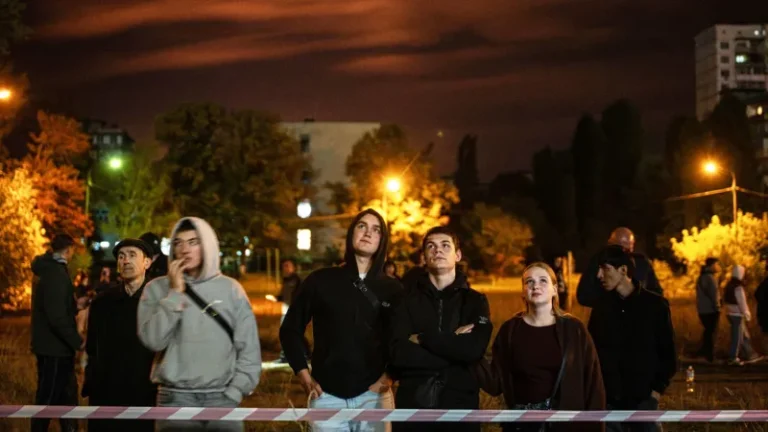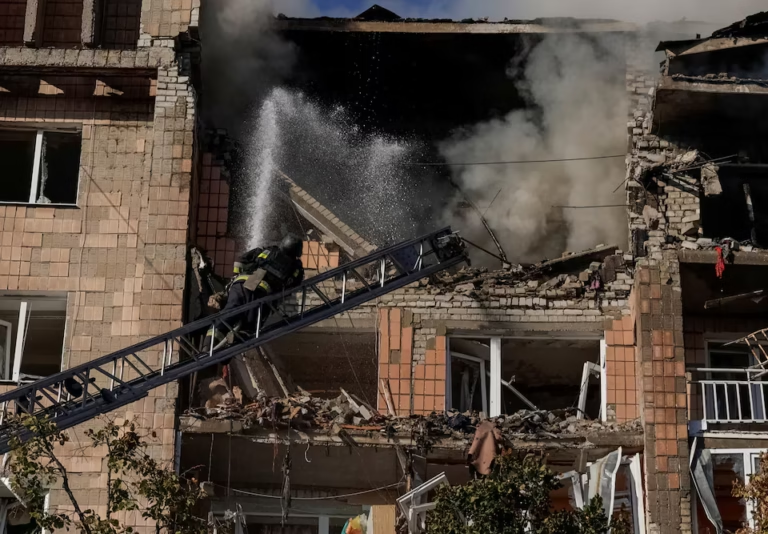

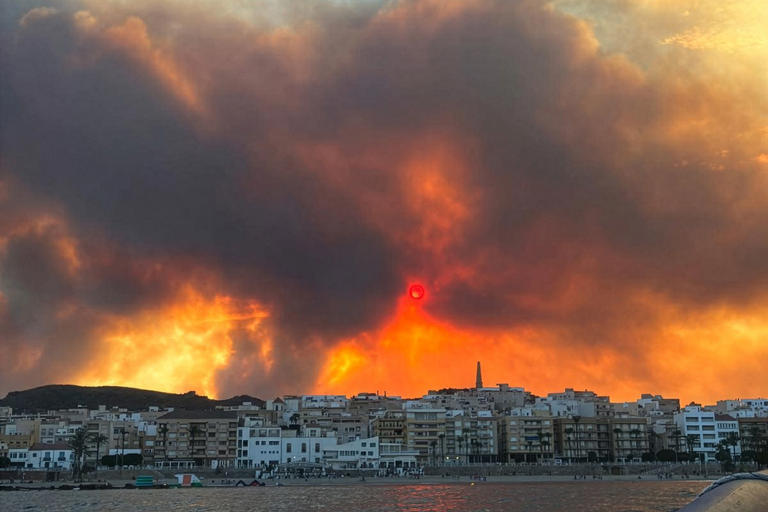
A fast-moving wildfire near Los Gallardos, in the southern Spanish province of Almería, has killed 11 people, injured eight and left 19 others missing, in what officials are calling the region’s worst blaze in more than two decades.
Around 150 firefighters worked through the early hours of Friday, July 10, to contain the fire, according to local newspaper El País. The blaze broke out Thursday in a hamlet near the Sierra de los Filabres mountains, in a semi-arid stretch of Andalusia, and spread with unusual speed through wooded terrain toward the nearby village of Bédar.
Temperatures in the region have topped 100 degrees Fahrenheit, according to Spain’s State Meteorological Agency, known as AEMET. The agency issued a high-danger heat warning for parts of Almería on Thursday, with some areas reaching 105.8 degrees. The fire is unfolding during one of the most severe stretches of heat Europe has seen in years. More than 40 people died in France alone over a few days last month, and Western Europe just recorded its hottest June on record, according to the EU’s Copernicus Climate Change Service, which also found it was the second-warmest June ever recorded globally.
Victims caught fleeing by car and on foot
Antonio Sanz Cabello, Andalusia’s health and emergencies minister, described the fire as “truly tragic” during a Friday morning briefing and confirmed the 11 deaths occurred “across two separate situations.”
In one incident, four people believed to be British nationals died inside a vehicle after taking a route that diverged from the official evacuation path, Sanz Cabello said. In the second, seven people died after apparently abandoning their cars and attempting to escape on foot. Officials are still working to determine exactly what happened in that case. Local reports indicate some of those victims may have tried to flee along a dry riverbed that turned into what Sanz described as a death trap.
“All indications suggest the deceased were mostly or entirely foreign nationals, though this cannot be confirmed until formal identification is established,” Sanz Cabello said, according to a translation from Spanish. Four additional people sustained less serious injuries.
Emergency response mobilized across Andalusia
Sanz Cabello said Andalusia had activated its INFOCA wildfire protection plan, bringing in law enforcement, local councils and Spain’s Military Emergencies Unit to support firefighters on the ground. Roughly 220 soldiers from that unit have joined the roughly 150 firefighters already deployed.
He said the fire had moved with extreme speed through an area where many residents live, forcing evacuations of numerous homes while other residents were placed under shelter-in-place orders. About 1,000 residents and visitors have been moved out of threatened areas since the fire began, and 122 people, most from Bédar, have been relocated to a local theater and a sports center, Sanz Cabello said.
Regional president Juanma Moreno confirmed on Cadena Sur radio that 19 people remain missing and said he was concerned the death toll could still rise. Moreno also addressed the disaster in a public statement, calling it a tragedy and offering condolences to the families of those who died and support to the affected municipalities.
Spanish Prime Minister Pedro Sánchez expressed condolences as well, writing on social media that he felt profound sadness over the fire’s consequences for the province of Almería.
A cause still under investigation
Authorities have not officially confirmed what sparked the blaze, but the mayor of nearby Antas, Pedro Ridao, said it is believed a power cable came loose and fell onto dry scrubland, igniting the fire before it spread rapidly into surrounding woodland. Emergency calls reporting the fire’s outbreak pointed to the same cause, though a formal investigation is still underway.
More than 3,150 hectares of forest and agricultural land have burned so far. Ground crews have faced steep terrain, narrow access roads and unsafe conditions in parts of the affected area, forcing heavier reliance on aircraft and helicopters for water drops. Shifting winds have complicated containment efforts, requiring firefighters to continually adjust their approach as the fire’s direction changes.
A summer already marked by extreme heat
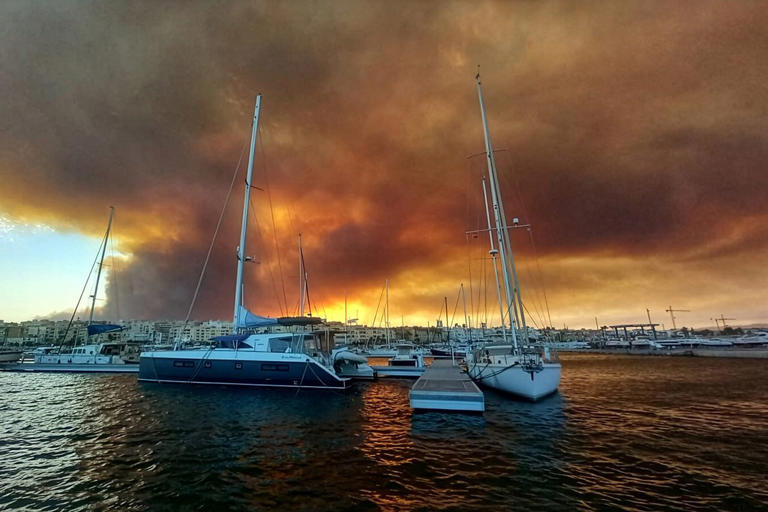
The wildfire adds to a summer already defined by dangerous heat across Spain and much of Western Europe. Spain logged more than 1,000 excess deaths linked to extreme temperatures in June alone, and the country recorded some of its hottest June days on record on June 23 and 24, with many locations topping 104 degrees, according to AEMET. Parts of Western Europe are now facing their third heatwave in six weeks.
Europe remains the world’s fastest-warming continent, with temperatures rising roughly twice as fast as the global average since the 1980s, according to Copernicus. Globally, 2025 ranked as the third-hottest year on record, a trend scientists say has intensified the frequency and severity of wildfires across the Mediterranean region in recent summers.
Almería province, a popular summer destination for both domestic and international travelers, has seen its tourism sector directly affected by the disaster. Hotels, holiday villas and rural rental properties in the area have been evacuated alongside residential communities, and consular assistance has been activated to help foreign visitors who left behind belongings and documents while fleeing the flames. Almería Airport remains operational, though wildfire activity has affected regional aviation coordination due to the ongoing helicopter water-bombing operations nearby.