
Tensions along the Israel–Lebanon border have once again surged, reviving long-standing debates about Hezbollah’s role inside Lebanon and its wider confrontation with Israel. As cross-border strikes intensify and regional diplomacy struggles to contain the fallout from broader Iran-related tensions, Lebanon finds itself caught between internal political paralysis and escalating military pressure.
At the heart of the crisis is Hezbollah, the Iran-backed armed group that has grown from a militia in the 1980s into one of the most powerful non-state actors in the Middle East. Its military capabilities, political influence, and external alliances have made it central not only to Lebanon’s security landscape but also to wider regional power dynamics.
Hezbollah’s Evolution and Its Role in Lebanon
Hezbollah emerged during Lebanon’s civil war with support from Iran, positioning itself as a resistance movement against Israeli forces. Over the decades, it has expanded into a hybrid organisation—operating both as a political party within Lebanon’s parliament and as an independent armed force with significant military capacity.
Critics argue that this dual structure has weakened Lebanon’s sovereignty, creating what they describe as a “state within a state.” With its own military infrastructure, intelligence networks, and external funding channels, Hezbollah has often operated beyond the control of Lebanon’s official armed forces.
Supporters, however, view the group as a deterrent against Israeli military pressure and a defender of Lebanon’s southern border communities. This divide remains one of the most deeply entrenched fault lines in Lebanese politics.
Renewed Border Clashes and Rising Regional Tensions
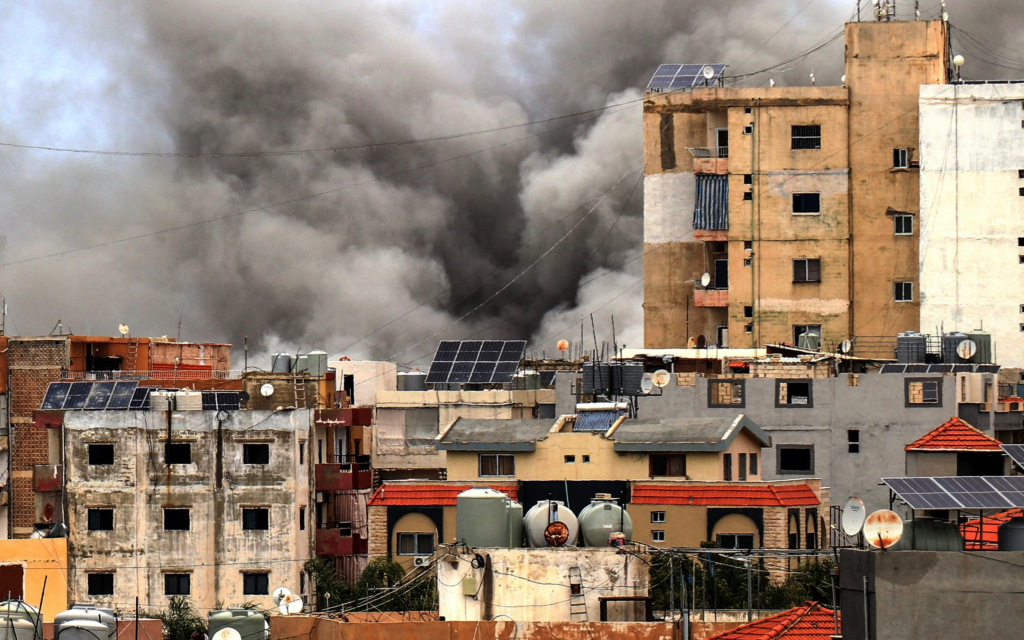
The latest escalation follows months of heightened instability in the region, including broader confrontations involving Iran and Israel. Hezbollah has carried out cross-border attacks into northern Israel, which it frames as part of its broader “resistance” posture linked to regional conflicts.
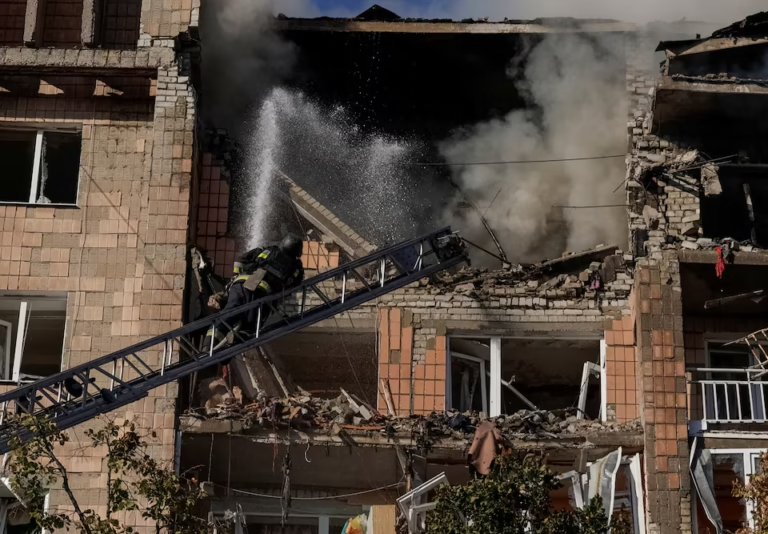
Israel has responded with sustained air and artillery strikes targeting what it describes as Hezbollah military infrastructure in southern Lebanon. Israeli officials have stated that operations will continue until the group’s operational capabilities are significantly reduced.
Reports from the region indicate extensive damage to suspected Hezbollah positions, along with casualties among fighters. These developments have further intensified fears that Lebanon could be drawn into a prolonged and wider conflict.
Lebanon’s Government Under Pressure
Lebanon’s political leadership has repeatedly called for de-escalation, warning that continued military exchanges risk dragging the country into a full-scale war it cannot afford.
Prime Minister Nawaf Salam has stressed that decisions involving armed conflict should remain under the authority of the state, reflecting long-standing concerns about parallel military structures operating outside government control.
Public sentiment inside Lebanon also appears increasingly divided. Surveys in recent years have indicated that a significant portion of Lebanese citizens prefer that only the national army should possess weapons, and many oppose entering direct conflict on behalf of external regional actors.
However, Lebanon’s armed forces remain significantly weaker than Hezbollah in terms of equipment, manpower, and battlefield experience, limiting the state’s ability to assert full military control.
The Limits of State Authority and the Security Dilemma
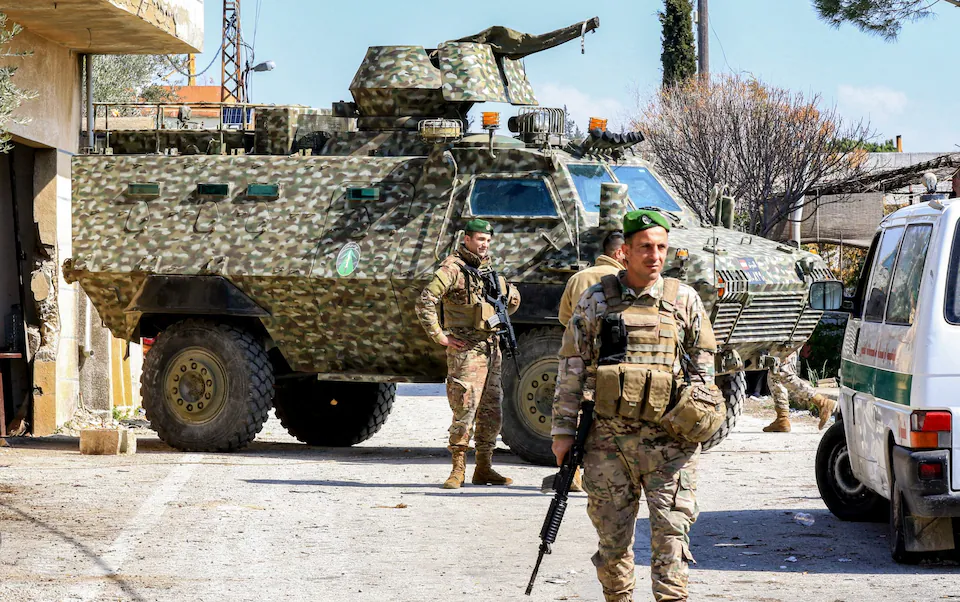
One of Lebanon’s core challenges is structural imbalance. The Lebanese Armed Forces are tasked with national defence but lack the capacity to confront Hezbollah directly without risking internal conflict.
This dynamic has created a long-standing security dilemma: any attempt to disarm Hezbollah could trigger internal instability, while inaction allows the group to maintain its independent military role.
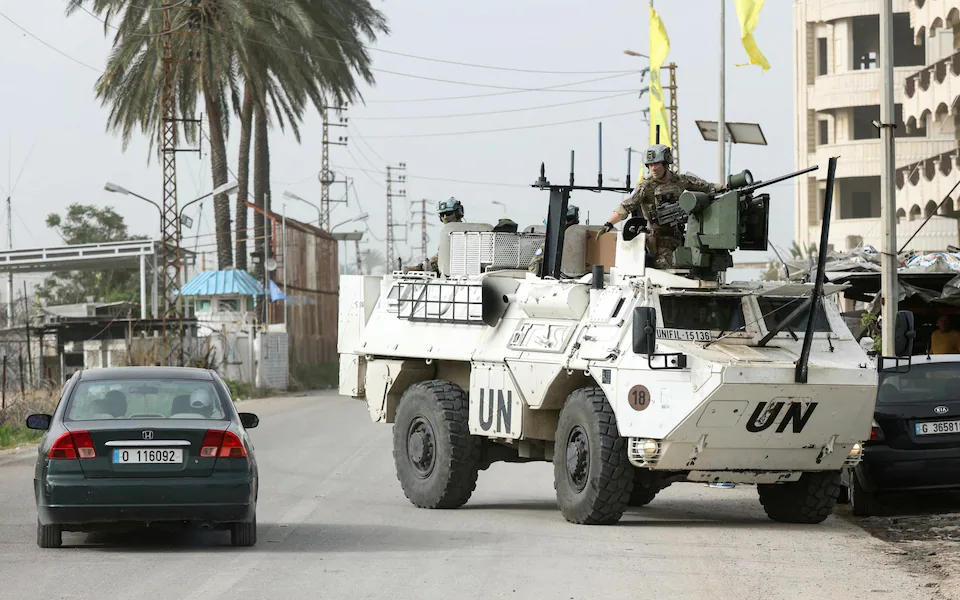
International peacekeeping forces, including the United Nations Interim Force in Lebanon (UNIFIL), have been deployed in southern Lebanon for decades. However, their mandate is limited to monitoring and reporting violations rather than enforcing disarmament or directly preventing hostilities.
Iran’s Strategic Influence and Regional Negotiations
Hezbollah’s position is closely tied to Iran, which provides financial, military, and logistical support. For Tehran, the group is widely viewed as a key component of its regional deterrence strategy, extending Iranian influence to Israel’s northern border.
In ongoing international negotiations involving Iran, regional security arrangements—including Lebanon—have reportedly been part of broader discussions. Some proposals have linked de-escalation in Lebanon to wider diplomatic agreements affecting maritime routes such as the Strait of Hormuz.
These linkages, however, remain highly controversial. Israeli officials argue that Hezbollah’s activities are distinct from broader Iran negotiations and should be addressed independently, particularly given the group’s direct involvement in cross-border attacks.
Israel’s Security Strategy and Military Objectives
Israeli leadership has maintained that its operations in Lebanon are aimed at preventing future attacks and dismantling Hezbollah’s military infrastructure. Officials in Tel Aviv argue that the group’s presence along the border constitutes a long-term security threat that cannot be ignored.
Israel’s strategy has combined targeted airstrikes with warnings that it will continue operations regardless of diplomatic developments elsewhere in the region. The stated objective is to ensure that northern Israeli communities can return to a stable security environment free from rocket fire or infiltration risks.
Lebanon’s Fragile Future
The current escalation highlights a deeper structural crisis in Lebanon: the tension between state sovereignty, armed non-state actors, and regional geopolitical rivalries.
For many Lebanese civilians, the priority remains stability, economic recovery, and political normalisation after decades of crisis. Yet the continued presence of armed groups operating independently of the state complicates efforts to rebuild national institutions.
Whether through diplomatic negotiations, regional power shifts, or military outcomes, Lebanon’s future will likely depend on how this balance of power evolves in the coming months.
For now, the country remains at the intersection of local fragility and regional confrontation—its fate shaped as much by external actors as by internal divisions.