


Hot weather can turn a flourishing garden into a struggling one in just a few days. Leaves scorch, growth slows, and containers dry out faster than most gardeners can keep up with. At the same time, rising water costs and environmental concerns make constant watering unsustainable.
The challenge is not just keeping plants alive during heatwaves, but doing so efficiently. The key lies in smarter watering habits, better plant placement, and choosing species naturally adapted to dry conditions.
Managing Greenhouses in Extreme Heat
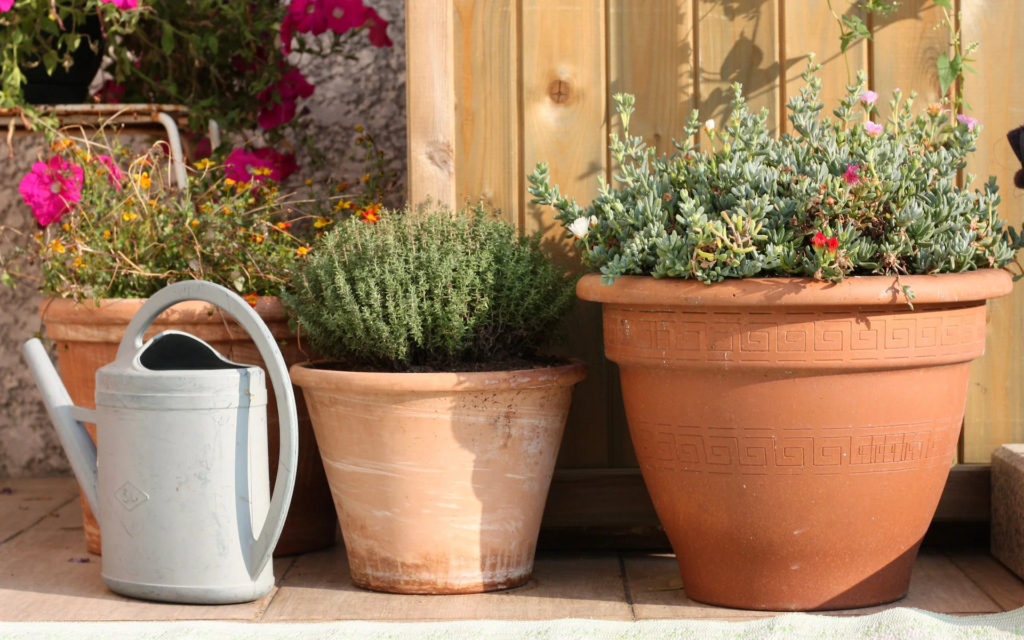
Greenhouses are often the first part of a garden to suffer during hot spells. Temperatures inside can easily exceed 40°C, creating stressful or even fatal conditions for plants.
If possible, move container-grown plants outdoors into shaded, sheltered areas during heatwaves. For plants that must remain inside, timing becomes crucial. Water early in the morning so roots are fully hydrated before peak heat arrives, and consider a second light watering in the early evening to reduce overnight stress.
However, avoid watering crops such as tomatoes late at night. Damp conditions combined with warm air can increase the risk of diseases like blight. Fruit-bearing plants including peppers and aubergines also perform best with consistent moisture rather than fluctuating wet-dry cycles.
To reduce overheating, greenhouse shading paints or mesh can be applied to glass surfaces. These help limit light intensity and temperature buildup without blocking airflow.
Cold Frames: Small Spaces, Big Heat Risks
Cold frames are useful in spring, but in summer they can quickly become traps for heat. Because glass sits close to young plants, temperatures rise rapidly and foliage can scorch within hours.
During warm weather, lids should be propped open or removed entirely. On very hot days, it is often safer to move seedlings and cuttings outside into partial shade.
A useful approach is to give young plants gentle morning sun, then relocate them during the hottest part of the day. This balances growth needs with protection from heat stress.
Understanding Heat Stress in Plants
One of the most common mistakes in hot weather is overwatering. Wilting does not always mean a plant is dry. In many cases, roots are still moist, but leaves droop because the plant is trying to conserve water.
Before watering, check the soil with your finger. If the root zone is still damp, additional watering can actually worsen stress by depriving roots of oxygen.
Plants often recover once temperatures drop in the evening, so observation is just as important as irrigation during heatwaves.
Smarter Container Gardening Strategies
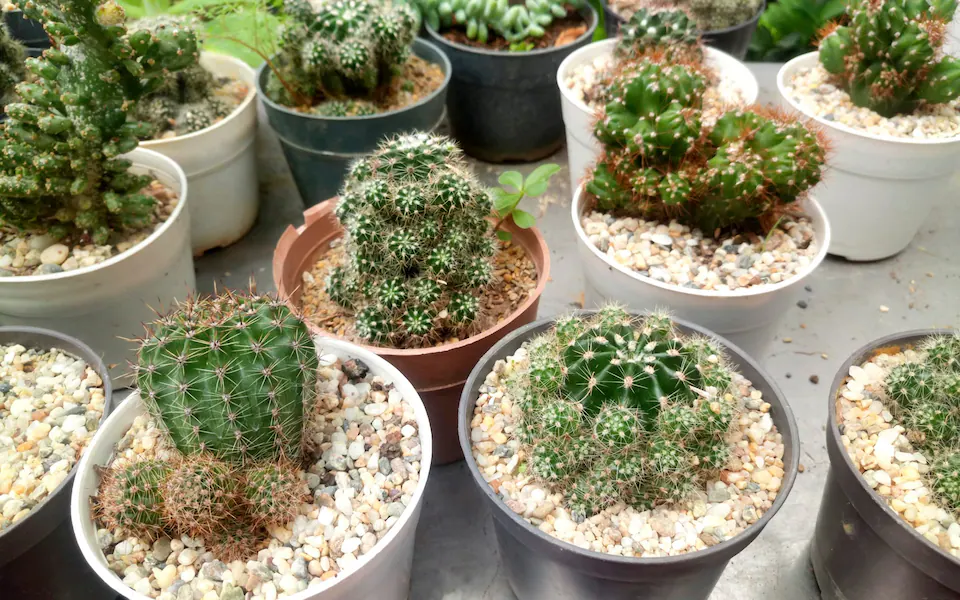
Potted plants suffer more than those in the ground because their roots heat up quickly and dry out faster. Simple adjustments can make a major difference.
Grouping pots together increases humidity around foliage and reduces water loss. Moving containers into shade during extreme heat can also prevent damage, especially for sensitive plants like Japanese maples (Acer), which are vulnerable to both leaf scorch and root overheating.
It also helps to group plants with similar water needs. Mediterranean herbs and succulents require far less water than bedding plants, so separating them prevents overwatering and saves resources.
Adding a layer of mulch—such as bark or gravel—on top of compost can significantly reduce evaporation. For extra protection, light coverings like netting or horticultural fleece can filter intense sunlight on particularly hot days.
Efficient Watering Techniques
Where and how you water matters as much as how often. The most effective method is targeted root watering rather than spraying foliage.
Watering cans offer precision, while hosepipes can be efficient but often lead to overwatering if not controlled carefully. A simple trick is to measure hose output into a bucket to understand how much water is actually being applied.
Container plants benefit from saucers placed underneath pots, allowing excess water to be absorbed later instead of draining away immediately.
Irrigation Systems and Automation
Modern irrigation systems range from basic DIY setups to advanced automated systems. Simple solutions like water bottles used as slow-release reservoirs can be surprisingly effective for small gardens.
At the more advanced end, drip irrigation systems deliver water directly to roots in controlled amounts, reducing waste and improving consistency. These systems are especially useful during prolonged dry spells.
While automated systems vary in cost and complexity, their main advantage is efficiency—delivering water where it is needed, when it is needed.
Lawns in Hot Weather: Lower Expectations
Maintaining a perfect green lawn during heatwaves is extremely difficult without heavy watering. Most grass will go brown under drought conditions, but this is usually temporary.
Hardier grasses tend to recover when rain returns. Weeds, however, often survive better due to deeper root systems, which can make lawns look uneven.
Instead of frequent watering, raise mowing height to reduce stress on grass. Scarifying in autumn helps remove thatch and encourages healthier regrowth.
In increasingly hot climates, many gardeners are choosing to reduce lawn areas altogether in favour of more resilient planting.
Choosing Drought-Tolerant Plants
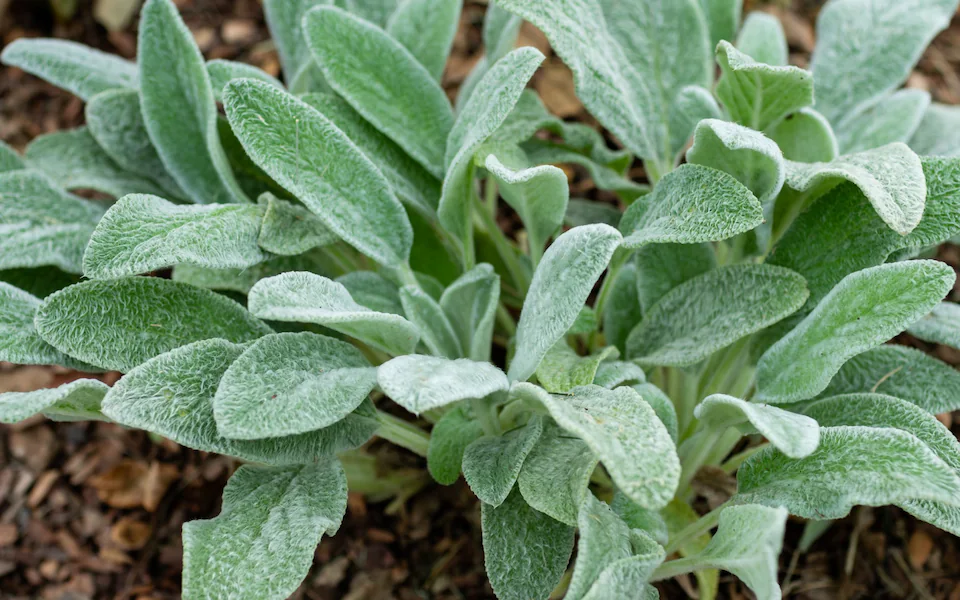
One of the most sustainable long-term strategies is selecting plants adapted to dry conditions. Species with silver or grey foliage reflect sunlight and retain moisture more effectively.
Mediterranean plants such as lavender, sage, artemisia, and lamb’s ear (Stachys byzantina) thrive in heat and require minimal watering once established.
By combining drought-tolerant planting with smarter watering habits, gardeners can maintain healthy outdoor spaces even during prolonged periods of high temperatures—without excessive water use or constant maintenance.