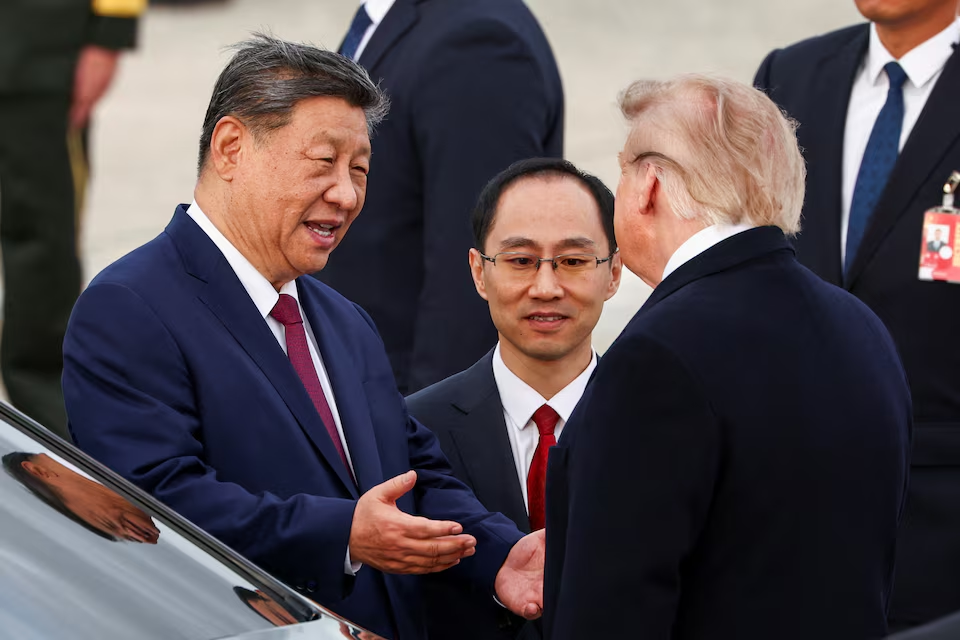

The U.S. Senate voted Tuesday to approve legislation ordering the administration to end American military involvement in Iran. The measure passed by the narrowest possible margin, 50-48. It stands among the strongest congressional challenges to Trump’s foreign policy since fighting with Iran began in late February, and it lands as a real setback for the president.
The House of Representatives approved the same resolution earlier this month. Both votes point to growing concern in Washington over the costs and risks of the war.
The resolution probably won’t change U.S. military operations right away. But it sends a clear political message. Congress wants a bigger say in decisions that could pull the country into a prolonged conflict in the Middle East.
A Historic Congressional Vote
The measure is based on the War Powers Resolution of 1973, known as the War Powers Act. Lawmakers passed the law after the Vietnam War to limit a president’s ability to commit U.S. forces to military conflicts without congressional approval.
This marks the first time both the Senate and the House have approved a resolution directing a president to withdraw American armed forces from ongoing hostilities under the War Powers Act.
The legislation passed the Senate largely along party lines. Four Republican senators joined nearly every Democrat in supporting the measure. Two Republicans did not vote.
The House vote was similarly close: the resolution passed 215-208, with four Republicans joining all Democratic lawmakers.
That bipartisan support was limited, but it shows real unease within Trump’s own party about the conflict in Iran.
Rising Concerns Over the Iran Conflict

The war with Iran, which began on February 28, has grown increasingly controversial in the United States. Polls show declining public support for the military campaign as casualties, economic concerns, and fears of a wider regional war continue to mount.
Several lawmakers have argued that Congress never formally authorized military action against Iran, and that the administration exceeded its constitutional authority by launching and expanding the campaign without approval from lawmakers. Many in Congress fear the conflict could turn into another long, expensive military engagement in the Middle East, much like Iraq or Afghanistan.
The Senate vote shows these concerns are no longer limited to Democrats. A small but notable group of Republicans has started questioning the administration’s strategy too.
White House Rejects the Resolution
Despite the symbolic weight of the vote, the Trump administration has already signaled that it doesn’t consider the legislation legally binding.
Because of the unique procedures under the War Powers Act, the resolution doesn’t require the president’s signature and won’t be sent to the White House for approval or veto. Administration officials argue that Congress cannot limit the president’s authority as commander in chief through a resolution like this one.
The White House has maintained that the measure is unconstitutional, and it has indicated it won’t change military policy because of the congressional vote. That stance could lead to a major legal battle over the balance of power between Congress and the presidency.
Legal Experts Expect Court Challenges
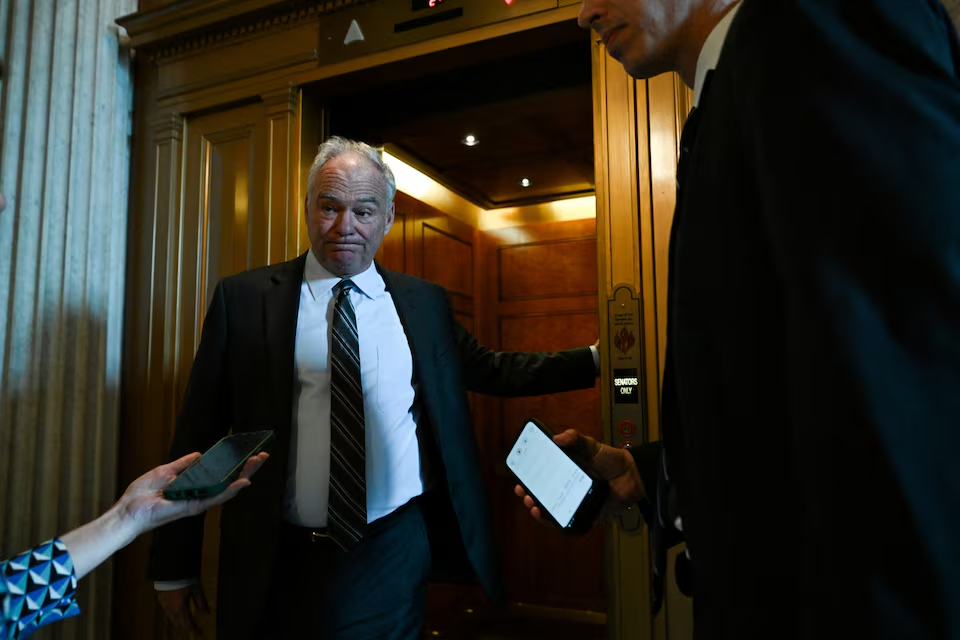
The legal situation remains uncertain. Scott Anderson, a senior fellow at the Brookings Institution and senior editor at Lawfare, said the administration is likely to ignore the measure on constitutional grounds. He added that someone will probably try to challenge the issue in court.
Legal scholars have long debated whether the War Powers Act can effectively restrain presidents from conducting military operations. Since its passage in 1973, presidents from both parties have often argued that it improperly limits executive authority. The current dispute could eventually become one of the most important court cases on presidential war powers in decades.
Growing Tensions Between Congress and the White House
The vote is a rare rebuke for Trump from a Congress that has generally backed his foreign policy agenda. Republicans currently hold slim majorities in both chambers, and until recently the president enjoyed near-unified support from his party on national security matters. The Iran conflict appears to have changed that.
Several Republican lawmakers have raised concerns about the financial cost of the war, the risk to American troops, and the lack of a clearly defined end goal. Others worry the conflict could hurt the party politically ahead of future elections, especially if the war drags on without a decisive outcome. The narrow votes in both chambers show that support for the administration’s Iran strategy is no longer guaranteed.
Impact on Peace Negotiations Remains Unclear
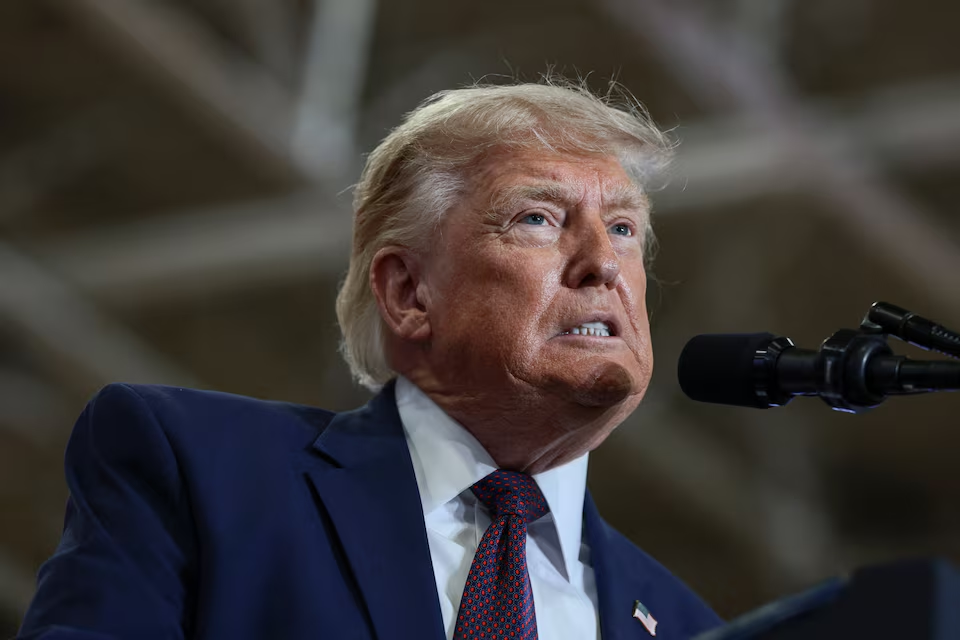
The congressional action comes at a delicate moment. The Trump administration is also negotiating with Iran to secure a broader peace agreement. U.S. officials have been working to turn a preliminary cease-fire into a more lasting settlement that could address Iran’s nuclear program and regional security concerns.
It’s unclear whether Congress’s intervention will strengthen the administration’s negotiating position or complicate the diplomacy already underway. One view holds that the vote signals to Iran that the United States is divided over the conflict. Another is that it increases pressure on the administration to pursue diplomacy instead of further military escalation.
A Debate Over Presidential Power
At its core, the Senate’s decision has reignited a long-running debate in American politics: who has the authority to take the nation to war? The Constitution gives Congress the power to declare war, while the president serves as commander in chief of the armed forces. Over the decades, presidents have increasingly used military force without formal declarations of war, often citing national security concerns and emergency powers.
Tuesday’s vote reflects growing frustration among lawmakers who believe Congress has given up too much authority to the executive branch.
Whether the resolution ultimately changes U.S. policy toward Iran remains uncertain. But the vote has already done one thing: it has reopened a national debate about war powers, executive authority, and the limits of presidential decision-making in times of conflict.