
Health authorities are racing against time as a rapidly expanding Ebola outbreak in the Democratic Republic of Congo (DRC) continues to outpace containment efforts, raising fears of a wider regional crisis.
The outbreak, driven by the Bundibugyo strain of Ebola virus — a variant for which there is currently no approved vaccine or targeted treatment — has already resulted in an estimated 900 infections and about 220 suspected deaths, according to international health officials. The disease has also crossed borders into Uganda, where several cases have now been confirmed.
Medical teams on the ground say the response is critically behind schedule, with thousands of potentially exposed individuals still untraced while the virus continues spreading through vulnerable communities.
Public health experts warn that delays measured in days can dramatically alter the trajectory of Ebola outbreaks. In this case, they fear weeks have already been lost.
Contact Tracing Crisis Threatens Containment Efforts
One of the most urgent challenges facing responders is the struggle to identify and monitor people who may have come into contact with infected individuals.
Internal coordination reports indicate that only a small fraction of identified contacts had been successfully reached by health teams during the early phase of the response.
The World Health Organization later increased the number of potential contacts to more than 2,000, highlighting the scale of the challenge.
Contact tracing is one of Ebola control’s most essential tools. Once exposed individuals are identified, they must be monitored for 21 days — the virus’s incubation period. Rapid isolation of symptomatic cases is often the difference between containing an outbreak and losing control.
But officials say the virus circulated undetected for weeks before being recognized, allowing infections to spread silently.
Health experts now fear the outbreak may already have established transmission chains that remain invisible.
Violence and Mistrust Hamper Frontline Operations
The epicenter of the outbreak lies in eastern Congo’s Ituri province, a region already burdened by conflict, insecurity and fragile health systems.
Medical operations have faced direct attacks in some areas.
Reports indicate hospitals and treatment sites have been targeted by angry crowds, while temporary isolation structures were destroyed amid tensions surrounding burial procedures and fears about the handling of bodies.
The violence has severely complicated outbreak management.
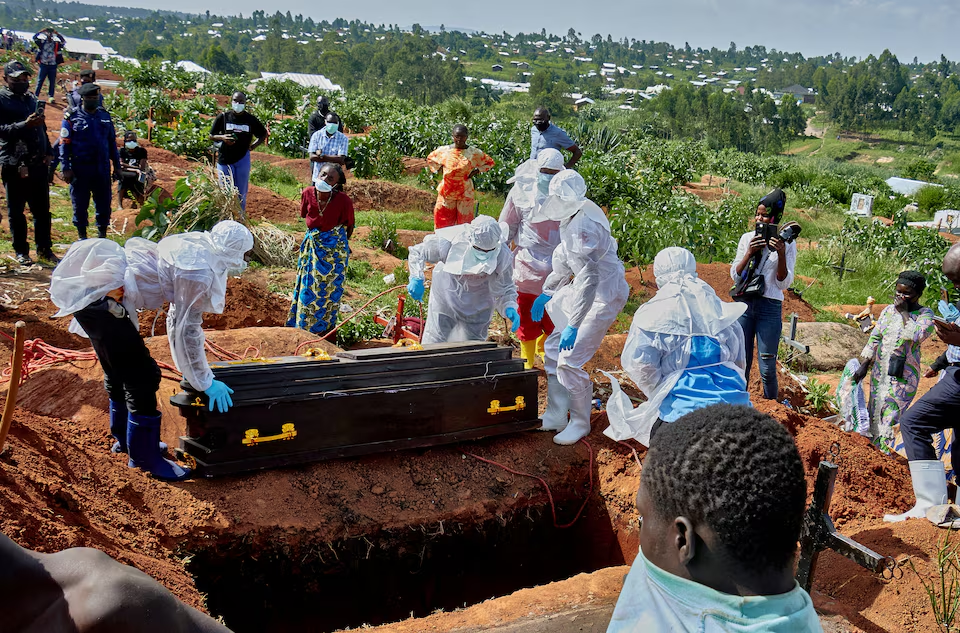
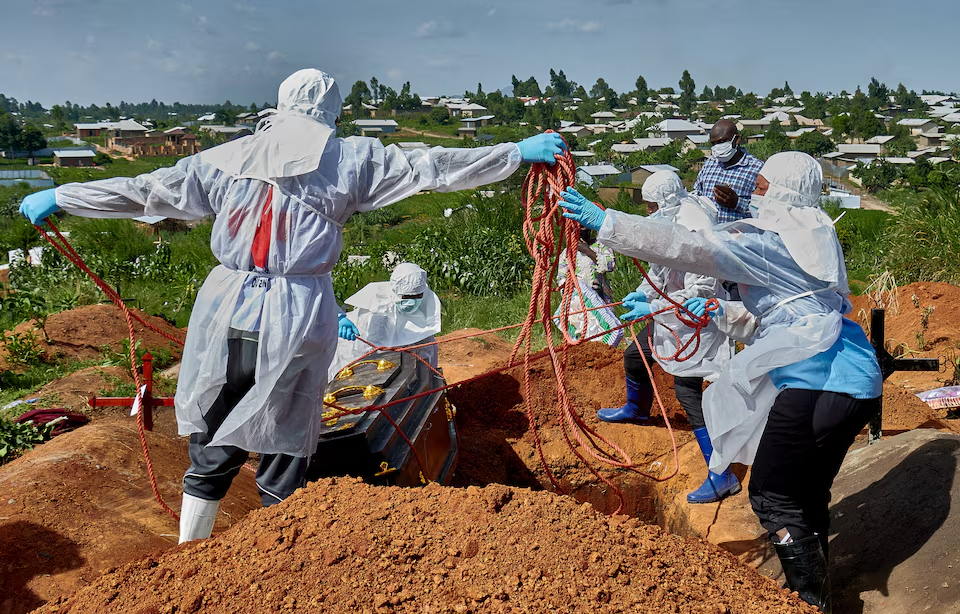
Ebola spreads through direct contact with bodily fluids of infected patients, contaminated materials and the remains of deceased victims. Safe burial protocols are therefore essential — yet they remain deeply sensitive in communities with longstanding mistrust of authorities.
Aid organizations say some families have removed bodies before health teams arrived, increasing transmission risks.
Others report suspected patients disappearing before treatment or refusing medical evaluations entirely.
“People are afraid,” frontline workers have repeatedly emphasized.
The psychological impact of previous Ebola outbreaks remains deeply embedded in affected communities.
Bundibugyo Strain Presents Additional Challenge
Unlike previous outbreaks where vaccines and therapeutics played a major role in reducing mortality, the Bundibugyo strain presents a different challenge.
No licensed vaccine currently exists specifically for this variant, and there is no targeted treatment.
Experts say this forces responders back toward traditional containment methods — isolation, surveillance, contact tracing and community engagement.
Medical workers also face testing limitations.
Health officials say shortages of diagnostic supplies capable of specifically identifying Bundibugyo Ebola delayed early detection efforts.
This contributed to the virus circulating unnoticed during critical early weeks.
In remote areas, basic logistical problems further complicate operations.
Fuel shortages, transport limitations and lack of personnel have slowed field deployments and laboratory activities.
“There are very few people on the ground,” health specialists involved in the response have warned.
Global Funding Cuts Add Pressure
The outbreak is unfolding at a time when international public health systems are under increasing strain.
Several global health officials say funding reductions have weakened emergency response capacity.
The situation has become more difficult following reductions in international aid programs and structural changes affecting global health partnerships.
Humanitarian organizations operating in Congo report workforce reductions and shrinking emergency budgets.
Some aid agencies say they have been forced to scale back personnel despite rising needs.
Emergency response teams that would normally deploy rapidly to outbreak zones are now arriving more slowly.
Health officials familiar with previous Ebola emergencies say international coordination mechanisms are weaker than during earlier crises.
“The organizations that previously led much of this work are no longer operating at the same capacity,” one health source noted.
As resources arrive gradually, responders are prioritizing contact tracing and community outreach.
Healthcare Workers Face Growing Risks
Medical staff remain among the most vulnerable groups in the outbreak.
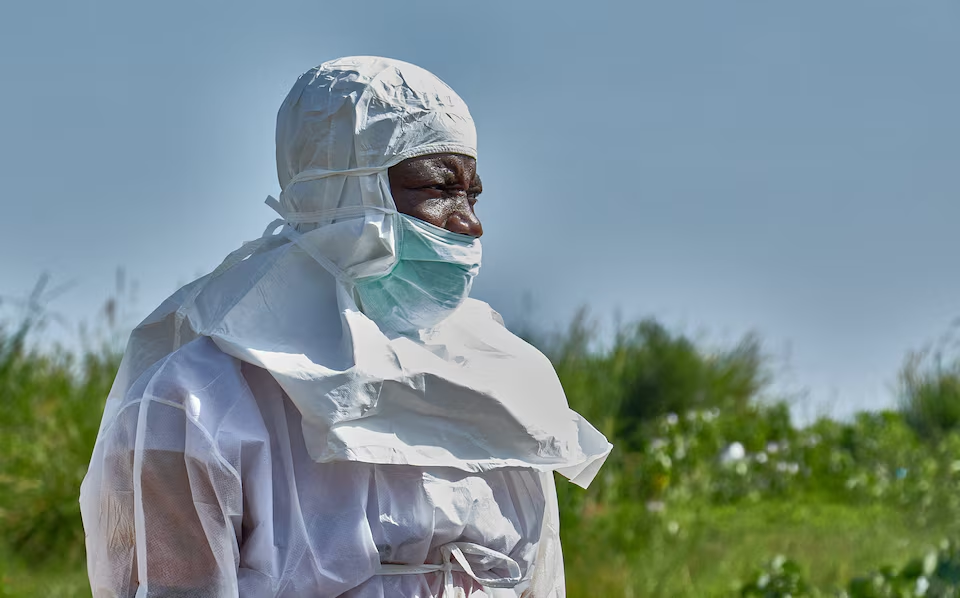
Healthcare workers are increasingly exposed while operating in overstretched facilities with limited resources.
The combination of insufficient protective equipment, insecurity and heavy caseloads has heightened risks.
International organizations have begun mobilizing additional staff.
Some emergency medical groups have issued global calls for reinforcements to support operations in Congo.
Experts say the outbreak demands a large-scale surge response similar to previous Ebola emergencies.
Without rapid deployment, transmission chains may continue expanding.
Fear of Another West Africa-Scale Crisis
The crisis has revived painful memories of the devastating 2014–2016 Ebola epidemic in West Africa, which infected more than 28,000 people and claimed over 11,000 lives.
That outbreak exposed weaknesses in surveillance systems and demonstrated how fear can accelerate transmission.
Health workers in Congo worry similar dynamics are emerging again.
During the West African epidemic, communities often hid sick relatives out of fear, avoided treatment centers and resisted burial protocols.
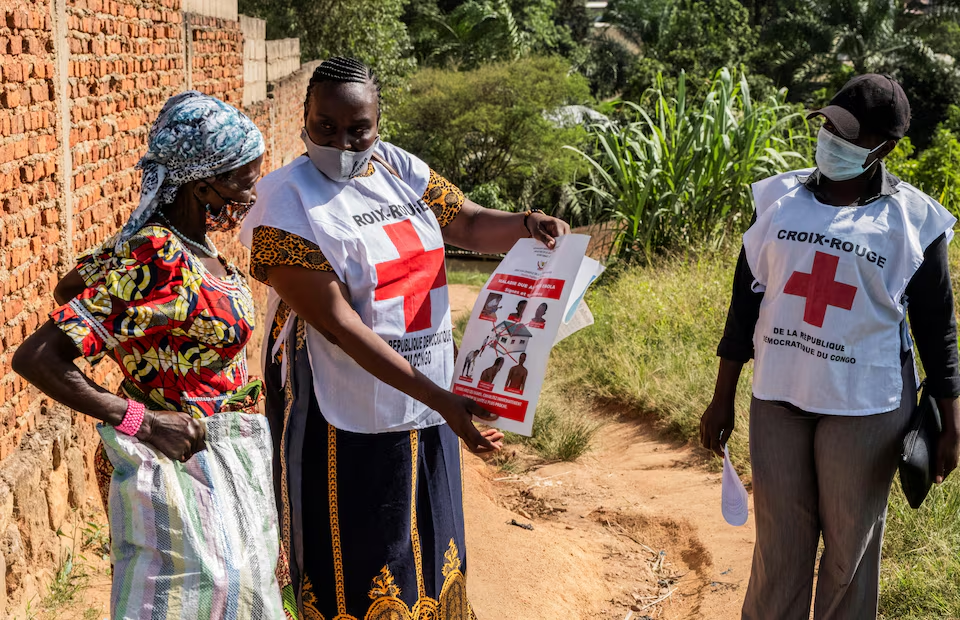
Aid workers now report comparable signs of mistrust.
Some suspected cases are reportedly going unreported.
Others disappear before testing.
Experts say rebuilding trust is as important as medicine.
Community leaders, local health workers and religious organizations are increasingly being engaged to improve cooperation.
Cross-Border Spread Raises Regional Concerns
The confirmation of cases in Uganda has heightened fears of broader regional spread.
Cross-border movement between eastern Congo and neighboring countries remains frequent due to trade, migration and displacement caused by conflict.
Health agencies are strengthening surveillance along border corridors while preparing isolation facilities and emergency plans.
Several countries in East and Central Africa have increased monitoring systems.
Public health authorities stress that early action remains critical.
Every delay increases the possibility of additional transmission chains emerging beyond Congo.
Race Against Time
International experts increasingly describe the outbreak as a race between the virus and the response effort.
Without vaccines or therapies, traditional containment methods have become the frontline defense.
Yet those tools depend on speed, trust and resources — all of which remain under pressure.
The challenge now is not only medical but logistical, social and political.
Health teams continue working to locate contacts, rebuild confidence and expand surveillance before the outbreak gains further momentum.
For communities already shaped by years of conflict and repeated health crises, the stakes could hardly be higher.
As one aid worker on the ground put it: “You never get used to Ebola. It is always frightening.”