
Russia has accused the United States of violating its obligations as host nation to the United Nations after Washington allegedly declined to issue a visa to Russian Deputy Foreign Minister Alexander Alimov, preventing him from attending a United Nations Security Council meeting in New York.
The complaint was raised by Russia’s ambassador to the U.N., Vassily Nebenzia, during a Security Council session chaired by Chinese Foreign Minister Wang Yi. According to Nebenzia, Alimov had been expected to represent Moscow at the meeting but was unable to travel after repeated efforts to secure a U.S. visa reportedly failed.
The incident has added another layer of tension to already strained relations between Washington and Moscow, with Russia arguing that the move undermines diplomatic norms and the functioning of the U.N. system.
Russia Says U.S. Failed to Meet Host Country Obligations
Speaking before members of the 15-nation Security Council, Nebenzia said the Russian delegation had planned to participate at a higher diplomatic level through Alimov, who oversees matters related to the United Nations within Russia’s Foreign Ministry.
According to the Russian envoy, Moscow made several attempts to obtain the necessary travel documents, but U.S. authorities ultimately did not approve the visa request.
Nebenzia argued that the decision contradicts the obligations outlined under the U.N. Headquarters Agreement, the treaty governing relations between the United Nations and the United States as the host country.
Under that agreement, the U.S. is generally expected to facilitate entry for officials of U.N. member states attending official meetings and events at the organization’s headquarters in New York.
Russia maintains that access to the U.N. should remain insulated from broader geopolitical disputes and that diplomatic participation must not be restricted.
Security Council Session Led by China
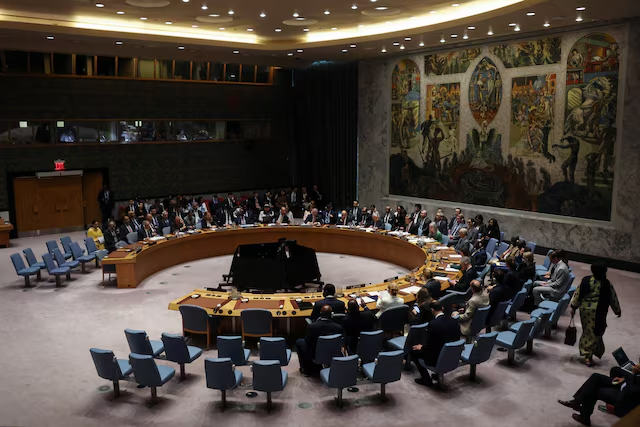
The issue emerged during a Security Council meeting presided over by Chinese Foreign Minister Wang Yi, whose country currently held the rotating presidency of the council.
Nebenzia said Moscow viewed the visa denial not only as an issue affecting Russia but also as a sign of disrespect toward China’s leadership role in the meeting and the broader agenda under discussion.
The session reportedly focused on issues linked to the U.N. Charter and multilateral cooperation—topics that Russia argued made the absence of its senior official particularly significant.
Moscow suggested that the inability of a deputy foreign minister responsible for U.N. affairs to attend such a meeting weakened diplomatic engagement at a time of increasing international tensions.
Washington Yet to Respond Publicly
As of the latest reports, the U.S. State Department had not issued an official response regarding the allegations or the reasons behind the reported visa refusal.
Visa disputes involving foreign diplomats at the United Nations have surfaced periodically over the years, particularly during periods of heightened geopolitical friction.
While the U.S. retains authority over visa issuance as a sovereign state, the headquarters agreement limits its ability to deny access to foreign representatives attending official U.N. business, except under specific circumstances related to security or legal concerns.
Past disagreements over diplomatic access have involved multiple countries and occasionally sparked calls for reforms regarding the location and administration of U.N. operations.
Diplomatic Tensions Continue Amid Broader Global Divides
The visa dispute comes at a time when relations between Russia and Western countries remain deeply strained due to ongoing geopolitical conflicts, sanctions, and disagreements across international forums.
Russia has repeatedly accused Western governments of politicizing international institutions, while the U.S. and its allies have defended actions they say are necessary for national security and foreign policy interests.
Analysts note that access issues at the United Nations often carry symbolic significance beyond procedural concerns, especially when they involve senior officials.
For Moscow, the incident reinforces its broader argument that international institutions are increasingly affected by political rivalries. For Washington, any response is likely to be closely watched by diplomats and member states concerned about the neutrality and accessibility of the U.N. system.
Questions Over Future Diplomatic Engagement
The controversy may renew debate over how host-country responsibilities should be interpreted and whether additional safeguards are needed to ensure uninterrupted participation by member states at U.N. events.
With global diplomacy facing increasing fragmentation, observers say maintaining open channels at international institutions remains essential, particularly during periods of crisis.
Whether the issue develops into a larger diplomatic dispute may depend on Washington’s response and whether further discussions take place within U.N. channels in the coming days.