
Iran’s top diplomat landed in Oman on Saturday to hash out terms for keeping ships moving safely through the Strait of Hormuz, according to Iranian state media, as Washington pushes for a public promise of open, secure passage through the waterway.
President Donald Trump said Friday that the U.S. and Iran would keep talking even after a rough week of renewed hostilities, but he also declared the ceasefire between the two countries finished. No new attacks surfaced Friday or in the early hours of Saturday.
Iran’s semi-official Tasnim news agency reported that Foreign Minister Abbas Araqchi touched down in Oman on Saturday. Oman has been working to broker an end to a war that has rattled security across the Gulf and driven up prices worldwide since the U.S. and Israel struck Iran on February 28.
CBS News and its UK partner, the BBC, both reported that U.S. Vice President JD Vance, Secretary of State Marco Rubio, special envoy Steve Witkoff and Trump’s son-in-law Jared Kushner were set to lead Saturday’s talks with Araqchi. Reuters could not immediately confirm those reports, and neither outlet specified whether the talks would happen in Oman or over video link. Iran’s Fars news agency later quoted a source saying no negotiations would happen until the U.S. backed off its current position.
Iran says U.S. broke the interim deal
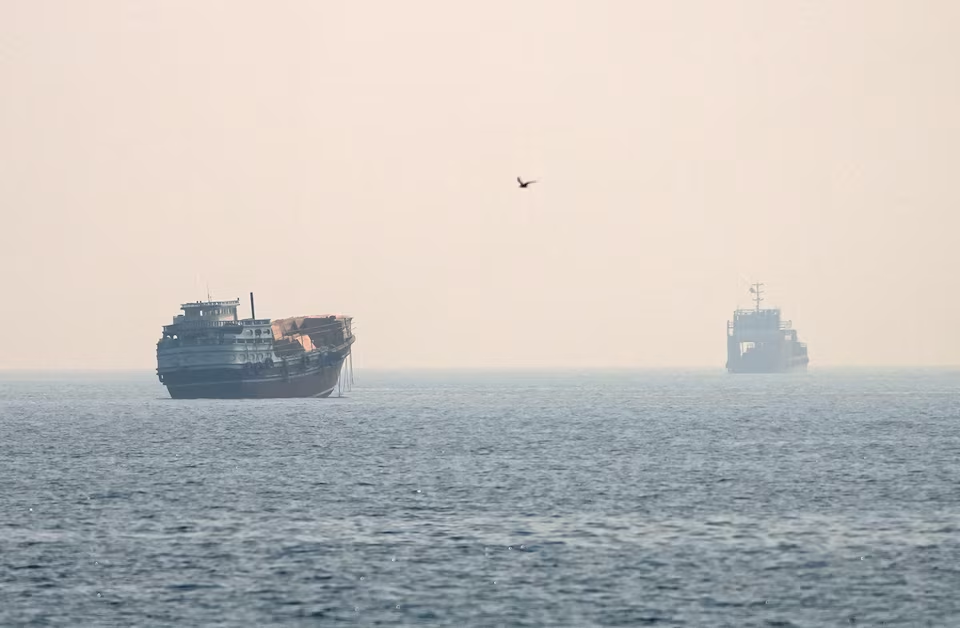
Araqchi accused Washington of violating the ceasefire terms after the U.S. pulled the license that had allowed sales of Iranian crude on Tuesday, a move that came after commercial vessels were hit. “There can only be mutual compliance,” he wrote on X.
Three Qatari and Saudi commercial tankers were struck earlier in the week. The U.S. answered by hitting Iranian sites, and Iran fired back at U.S. military positions in Gulf states. Iran has not claimed the ship attacks, but analysts say Tehran has used similar strikes before to gain ground at the negotiating table.
Senior U.S. officials told reporters Friday that Iran had told American counterparts the shipping attacks came from an “errant part of their system,” language that seemed designed to lower the temperature. Still, the flareup raised fresh doubts about whether last month’s interim agreement can hold, and it pushed oil prices up at a moment that carries real political weight for Trump heading into November’s congressional elections.
“The Islamic Republic of Iran has asked us to continue ‘talks.’ We have agreed to do so, but the United States has stated to them, in no uncertain terms, that the Cease Fire is OVER!” Trump wrote Friday on Truth Social.
Iran pushed back on that framing. State television reported that Tehran never asked to negotiate directly with Washington but agreed to host a Qatari mediator instead. A person with knowledge of the matter told Reuters that Qatari negotiators met with Iranian officials Friday to work on de-escalation and discuss the strait specifically.
Trump also said he had ordered the U.S. military to stand ready to strike Iran if Tehran carries out, or tries to carry out, an assassination attempt against him. “1000 Missiles are Locked and Loaded and aimed at the Islamic Republic of Iran, with thousands of more to immediately follow, should the Iranian Government act on its threat, pronounced in many corners of the Globe, to assassinate, or attempt to assassinate, the sitting President of the United States of America, in this case, ME!” he wrote.
The Wall Street Journal and other U.S. outlets reported this week that Israel passed intelligence to Washington indicating Iran had recently put together a plan to kill Trump. Iran had not responded to Trump’s latest comments as of Saturday.
At the funeral for Iran’s Supreme Leader Ayatollah Ali Khamenei on Thursday, a massive crowd filled a courtyard, and some mourners carried banners reading “We Will Kill Trump.” Khamenei died in an airstrike on the war’s opening day.
U.S. officials call recent talks productive
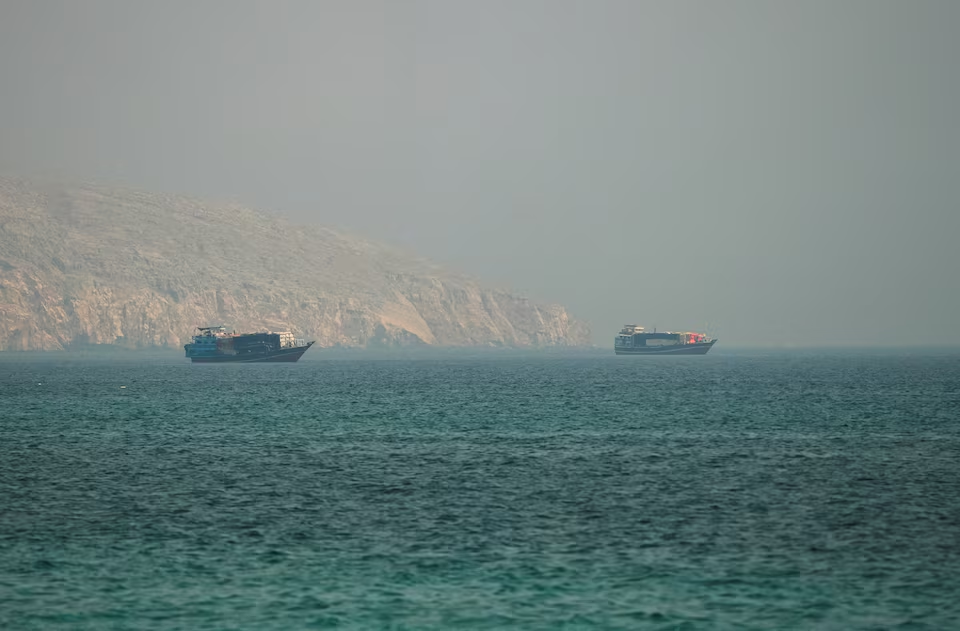
Washington wants Iran to publicly commit to ending attacks on ships in the strait and to keep every lane open with no tolls charged, senior U.S. officials told reporters Friday. Before the war, the waterway carried roughly one-fifth of the world’s oil supply. During the fighting, Tehran has largely controlled the strait, which has left the standoff with the world’s most powerful military stuck in a stalemate.
At least 17 people died in U.S. strikes on six Iranian cities Wednesday and Thursday, according to the head of the public relations and information center at Iran’s Health Ministry, who also said 115 people were wounded.
Despite the casualties and the renewed strikes, U.S. officials described the conversations between the two countries in recent days as productive. Iran’s foreign ministry spokesperson said, through state media, that any breach of commitments by Washington would draw “reciprocal action.”
Last month’s interim deal was supposed to set up an eventual end to a war now in its fifth month. The conflict has killed thousands of people, cut into energy supplies worldwide and stirred worry about a broader global economic slowdown. The renewed fighting in the Gulf has added to the strain on U.S. consumers. Crude oil prices had been falling steadily for weeks before posting their sharpest weekly increase in eight weeks.