
Tensions between Tehran and Washington escalated sharply after Iran accused the United States of violating a fragile ceasefire agreement following overnight military strikes targeting Iranian-linked assets in the region. The latest confrontation has raised fears that ongoing diplomatic efforts aimed at easing hostilities could unravel at a critical moment for Middle East stability.
Iranian officials condemned the attacks as a clear act of aggression and warned that the country would respond firmly to any future military action against its territory or forces.
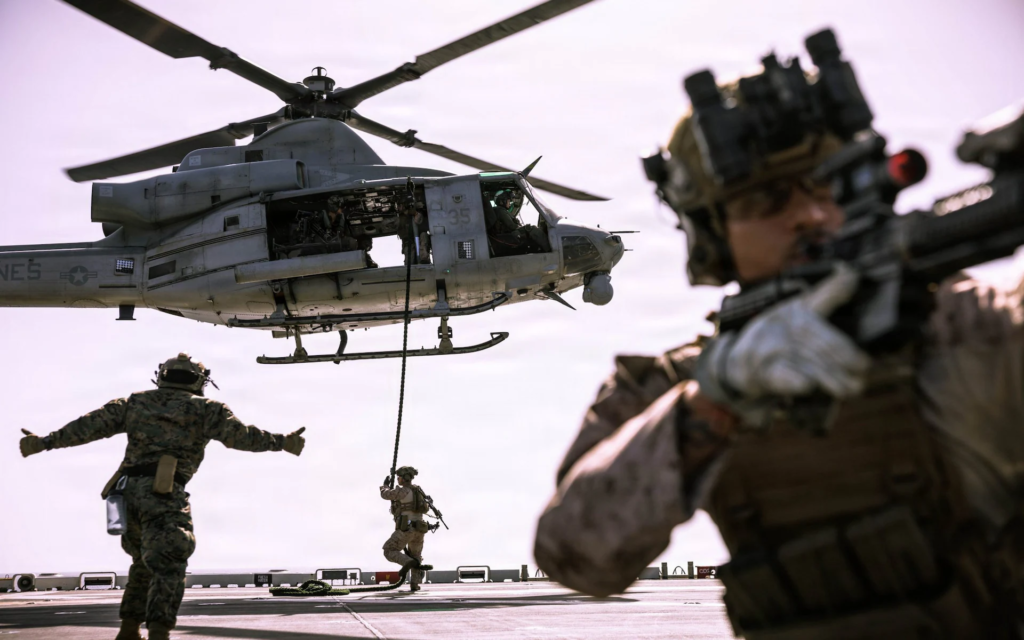
The United States, meanwhile, defended the operation as a “defensive” measure designed to prevent imminent threats against American personnel and military installations in the region.
US Says Strikes Were Defensive Operations
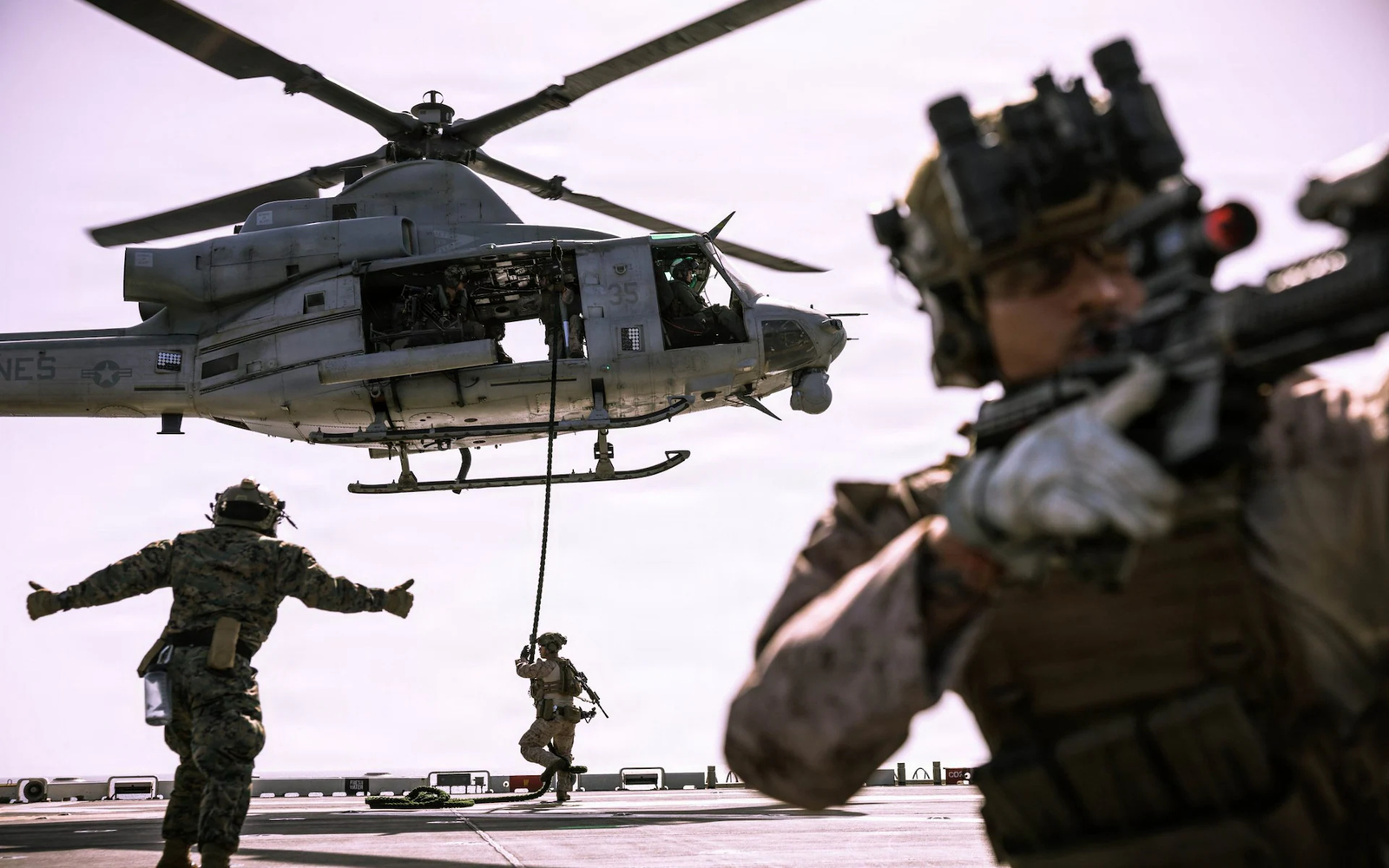
According to American officials, U.S. forces targeted a missile launch site and two boats linked to Iran’s Islamic Revolutionary Guard Corps (IRGC). The vessels were allegedly preparing naval mines believed to pose a threat to U.S. military assets and commercial shipping routes.
Washington insisted the operation was limited in scope and intended solely to deter attacks against American interests.
Officials familiar with the operation said the strikes were carefully calibrated to avoid broader escalation while still demonstrating that the United States would respond swiftly to perceived threats.
The Pentagon has not released detailed operational information, but American defense officials described the action as part of ongoing efforts to protect regional security and freedom of navigation in strategically important waterways.
Tehran Condemns ‘Hostile Acts’
Iran reacted angrily, accusing Washington of acting in “bad faith” during a sensitive period of negotiations.
In a strongly worded statement, Iran’s foreign ministry described the attacks as evidence of American “unreliability” and warned that the United States would bear responsibility for any fallout resulting from the operation.
“Without any doubt, the Islamic Republic of Iran will leave no aggression unanswered and will not hesitate in defending Iran’s sovereignty with the utmost determination,” the statement said.
Iranian leaders argued that the strikes undermine trust at a moment when diplomatic channels remain active. Officials in Tehran claimed the attacks contradicted the spirit of the ceasefire arrangements that had recently reduced direct military confrontation between the two sides.
The latest exchange has intensified concerns among regional observers who fear that a single miscalculation could trigger a wider conflict involving multiple countries across the Middle East.
Supreme Leader Issues Warning to Regional Allies
Adding to the growing tension, Mojtaba Khamenei, Iran’s supreme leader, issued a warning aimed at regional governments hosting American military bases.
Speaking during a public address, Khamenei declared that neighboring countries would no longer serve as “shields for U.S. bases,” suggesting that any country assisting American military operations could face consequences if conflict intensifies.
He also claimed that American forces no longer possess secure positions in the region, arguing that the balance of power has shifted over recent years.
The remarks are likely to increase anxiety among Gulf nations that have long attempted to balance relations between Washington and Tehran while avoiding direct involvement in regional confrontations.
Several Gulf states have repeatedly called for restraint from both sides, warning that instability could severely damage regional economies and global energy markets.
Fragile Peace Talks Continue
Despite the sharp rhetoric and military escalation, negotiations between Iran and the United States are still ongoing.
Diplomatic discussions have reportedly focused on sanctions relief, regional security arrangements, maritime access, and broader efforts to prevent further military conflict.
US President Donald Trump said during remarks to reporters that he believed an agreement could be reached soon.
“We’re very close to a deal,” Trump said, expressing optimism that diplomacy could still prevail despite the renewed violence.
Iranian officials acknowledged that progress had been made during recent talks but cautioned against expectations of an immediate breakthrough.
Tehran’s foreign ministry said negotiators had reached understandings on several major issues, though significant disagreements remain unresolved.
Rubio Says Agreement Could Take More Time
US Secretary of State Marco Rubio offered a more cautious assessment, saying negotiations were advancing but remained delicate.
Speaking on Tuesday morning, Rubio stated that an agreement could still require “a few days” of further discussions before any formal announcement is made.
Diplomatic sources familiar with the talks say both sides continue to disagree over the pace of sanctions relief, military restrictions, and future monitoring mechanisms tied to Iran’s nuclear and missile activities.
Analysts note that while both governments appear interested in avoiding a full-scale war, deep mistrust continues to complicate negotiations.
Middle East Watches Closely
The latest developments are being closely monitored across the Middle East, where governments remain concerned that even limited clashes between Iran and the United States could destabilize the entire region.
Energy markets have also reacted nervously to the renewed tensions, particularly because of the strategic importance of Gulf shipping routes and the Strait of Hormuz, through which a large portion of the world’s oil supply passes.
Military analysts warn that continued confrontations at sea or through proxy groups could quickly spiral into a broader regional conflict if diplomatic efforts collapse.
For now, both Tehran and Washington continue to publicly support negotiations while simultaneously preparing for the possibility of further military escalation — a balancing act that underscores just how fragile the current ceasefire remains.