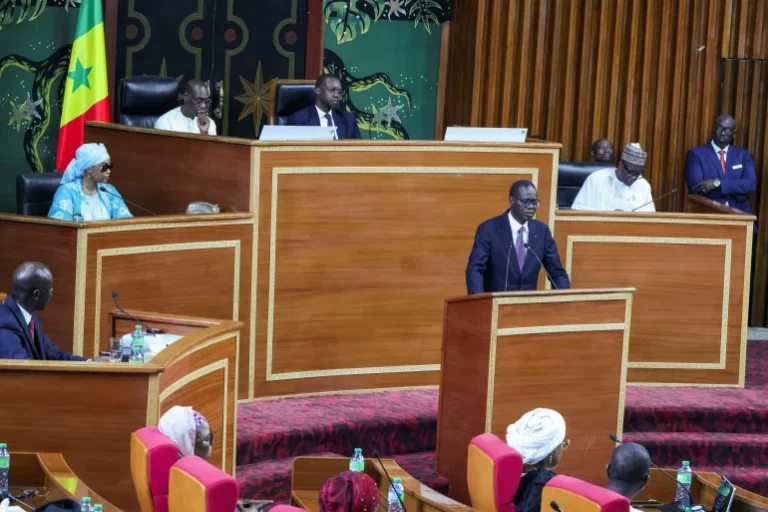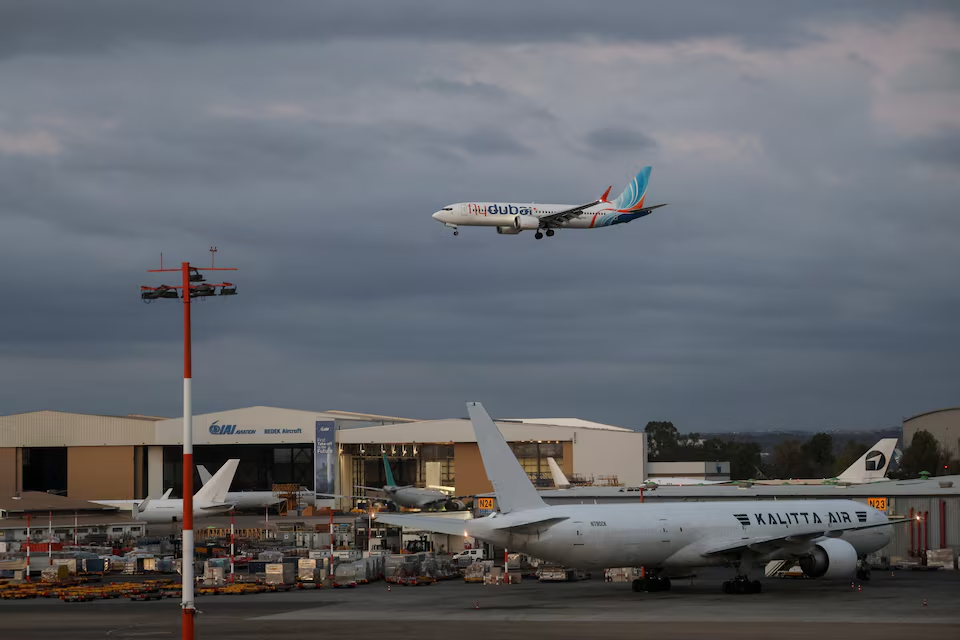

The G7 countries said Friday, October 2, that they will draw 100 million barrels of diesel and other fuels from their reserves over four months, with the International Energy Agency coordinating the release. President Donald Trump announced the deal first on social media. A White House official said he reached it through calls with French President Emmanuel Macron on Thursday night and with the G7 leaders on Friday morning.
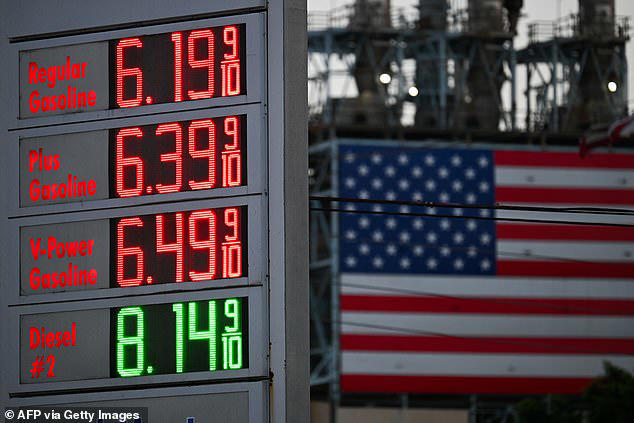
The agreement lands about a month before the November 3 midterm elections. US diesel prices set a record of $6.53 per gallon on September 22, according to AAA, after hostilities in the Strait of Hormuz pushed global oil prices higher.
What Trump and the G7 announced


Trump wrote Friday morning that Europe had agreed to release “a massive amount of their heavily stocked Diesel Oil.” A second post said: “The process will begin immediately.”
The G7 statement came out moments later, after a video conference that Macron chaired. France holds the rotating G7 presidency this year. According to the statement, the release starts immediately and opens with a large diesel release within the first 20 days. Because it is a G7 commitment, it covers the group’s members and partners. It is not limited to European countries.
The Trump administration had been pressing Europe to release its diesel stocks before the call, The National reported. The result is a joint release, announced by Macron, rather than a set of separate national decisions.
The statement also went after Iran. The leaders condemned Iran’s hostile actions and said they harm international trade, energy security and the global economy. They called for the “immediate and full restoration of navigational rights and principles” in the Strait of Hormuz. NPR reported that Macron said G7 members would also coordinate to raise production, bring down tanker insurance costs and get more tankers moving through the strait.
What the numbers show

A release of 100 million barrels over four months averages about 25 million barrels a month. The G7 has not said how much of the total will be diesel rather than crude or other products, and no daily schedule has been published, Newsweek reported. That gap matters because the front-loaded diesel portion is the part drivers and truckers will feel first.
The starting point is thin. Al Jazeera reported that US diesel inventories fell to a record low of 107.9 million barrels as of September 11. The record price on September 22 came eleven days later.
There is also a precedent. In March, the IEA’s 32 member countries agreed to release about 400 million barrels, the largest release in the agency’s history. Reuters reported at the time that this was more than double the 182.7 million barrels released after Russia invaded Ukraine in 2022. Euronews reported that IEA members held more than 1.2 billion barrels of public emergency oil stocks in March, before that release. Friday’s 100 million barrels equals about 8 percent of that figure and a quarter of the March volume, and diesel still set a price record six months after that release.
What drivers and truckers are paying

The record diesel price hurt truckers and raised delivery costs. Gasoline has eased only slightly. As of Friday, the national average for a gallon of regular is $4.40, about 10 cents lower than last week. It is still 20 cents above last month and roughly $1.20 above this point last year. A driver who fills a 15-gallon tank pays about $18 more per fill-up than a year ago.
Putting more supply on the market could ease global prices. Nobody has published a forecast for when that would reach the pump, or by how much. A trucking company buying diesel by the thousand gallons will watch the AAA diesel number, not the national gasoline average, and that number sits at its all-time high. At $6.53 a gallon, every 1,000 gallons of diesel costs $6,530, and the fuel bill is one of the costs a trucking company passes on in its delivery rates.
The export ban dispute
A Reuters report, based on sources, alleged that US officials threatened a diesel export ban aimed at the European nations that did not release their stockpiles. Other reports said the administration was weighing a ban to keep supply on American shores amid heightened energy insecurity.
The threat would have carried weight. The IEA said the US supplied roughly half of the EU’s diesel imports in August, according to The National. US energy companies pushed back anyway, warning that a ban would drive prices higher.
The accounts of the calls differ. Macron said Trump did not threaten an embargo on US diesel and called the discussion a constructive one. ThePrint, citing a French statement shared by AFP, reported that Macron also spoke overnight with Canadian Prime Minister Mark Carney and stressed that G7 countries share an interest in acting together without export restrictions. The White House official credited Trump’s calls with producing the deal.
The G7 statement also says there will be no diesel export bans among the group’s members, according to ABC News. That pledge answers the concern US energy companies raised. Whatever role the reported threat played, it is now off the table among the seven countries.
Iran, the war and the campaign
Trump has promised repeatedly that gas prices will come down after the midterms. It is unclear whether he wants to escalate or reduce hostilities with Iran, so how long the conflict will weigh on the global economy is also unclear. Recent negotiations with Iranian officials have not produced breakthroughs.
Pressure is building inside his own party. Republicans have increasingly urged him to end the war, which has become a sore subject for GOP candidates on the campaign trail. Lara Trump, the president’s daughter-in-law and a former RNC co-chair, said this week that the war “could cost” Republicans the midterms.
The G7 statement puts shipping through the Strait of Hormuz at the center of the crisis, while Republican candidates want the war over before voters decide. Those two goals do not point to the same action, and Trump has not said which he will pursue.
The Daily Mail asked Trump about her remarks on Thursday. He answered: “Well, it’s possible.”
What comes next
Trump says the release begins immediately, and the G7 statement says the same. If it runs evenly, about three-quarters of the 100 million barrels would be scheduled after Election Day, since the four months stretch into February 2027. The front-loaded diesel in the first 20 days is the part that could land before voters cast ballots. Twenty days from Friday is October 22, twelve days before Election Day. Whether diesel falls from $6.53 by then will be the first public test of the deal.
ThePrint reported that France is also working with the IEA on a broader response, so more announcements could come before the first barrels move. Al Jazeera reported that the G7 will meet again through the IEA in the coming days to discuss additional diesel releases if needed. Three things will show whether the deal works: the diesel share of the 100 million barrels, the AAA diesel price once the first barrels move, and whether any member revives export restrictions.