

A Thai court has sentenced two men from China’s Uyghur minority to death for their involvement in the 2015 bombing of Bangkok’s Erawan Shrine, an attack that killed 20 people and injured more than 120 others. The ruling brings a legal conclusion to a case that has stretched on for nearly a decade and drawn international attention due to its political and human rights implications.
The Bangkok South Criminal Court delivered the verdict on Thursday, finding Yusufu Mieraili and Bilal Mohammad guilty of murder, attempted murder, and illegal possession of explosives. Judges said the prosecution’s case was supported by strong evidence, including forensic findings, witness accounts, fingerprints, and video material linking the accused to the attack.
For many in Thailand, the decision closes one of the country’s most traumatic terrorism cases. For others, it reopens difficult questions about justice, fairness, and the circumstances under which the case was investigated.
The Attack That Shook Bangkok
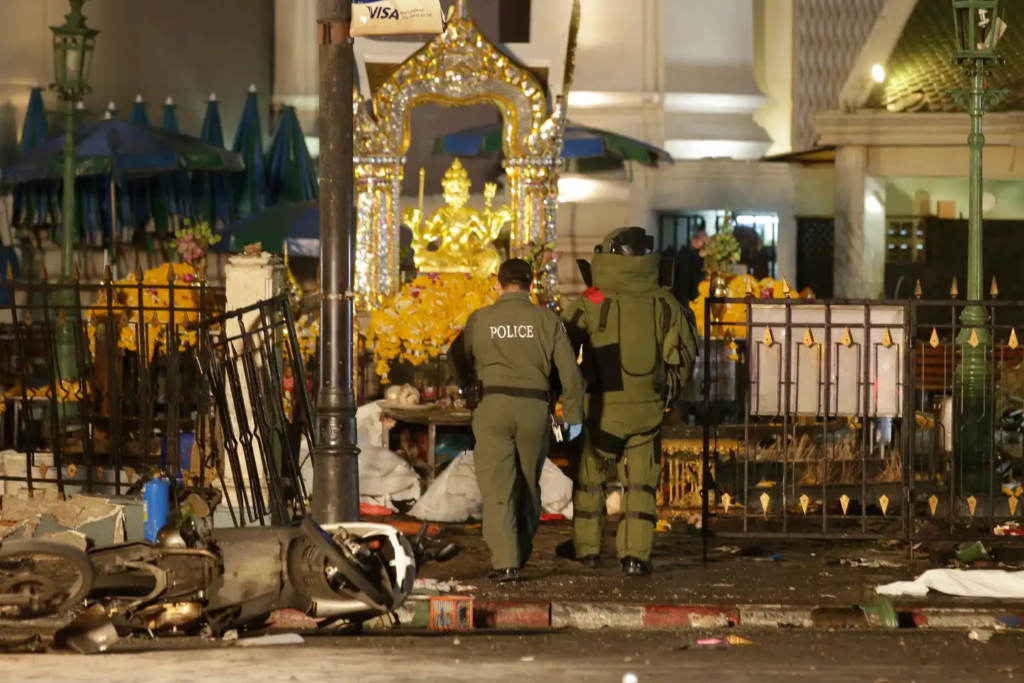
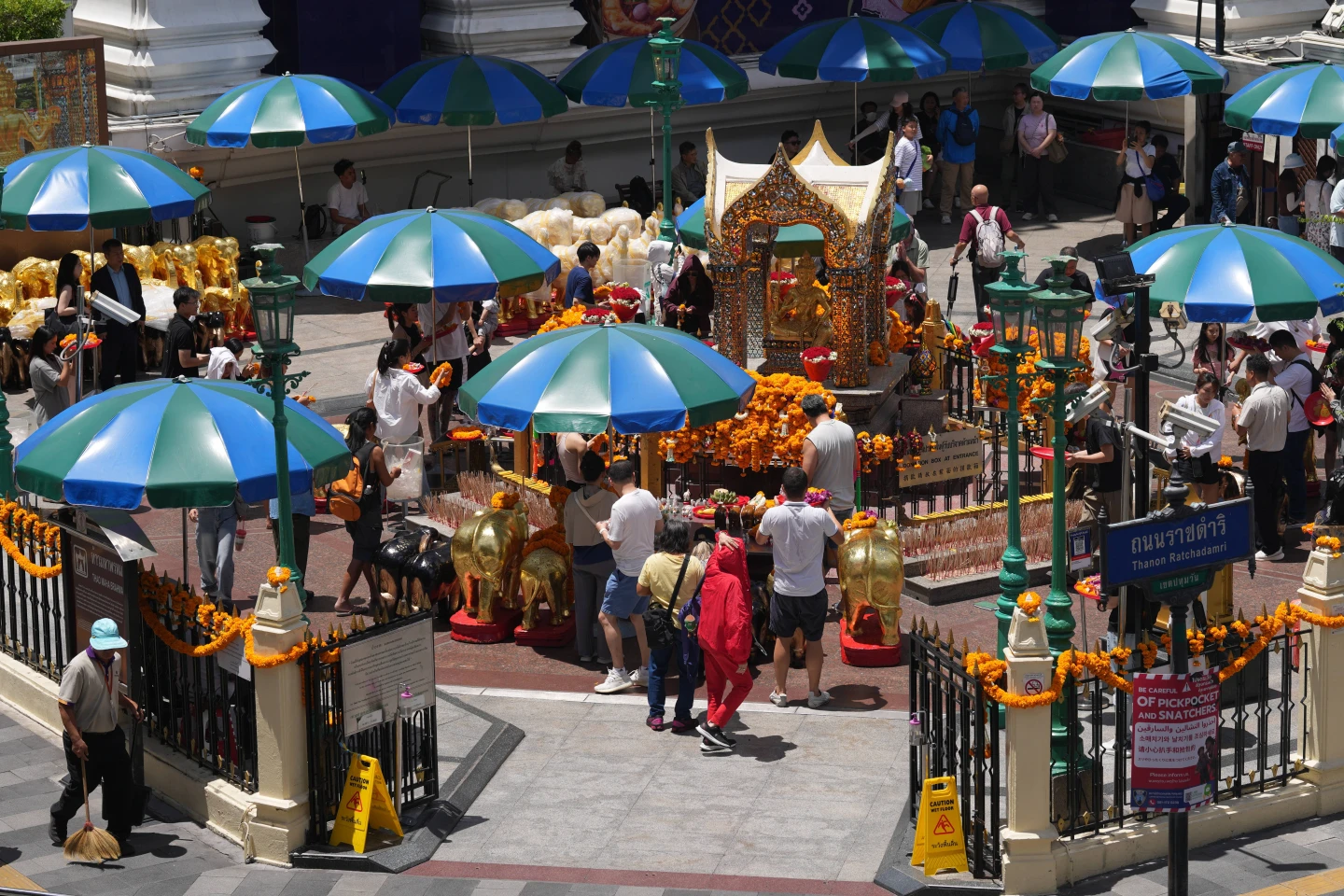
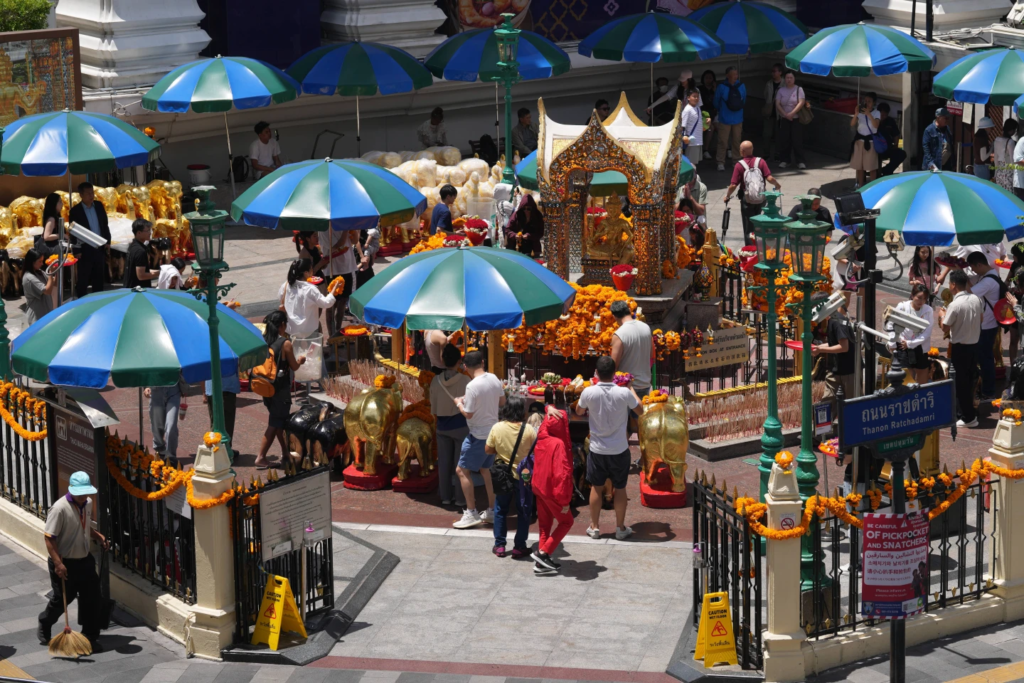
The bombing took place on August 17, 2015, at the Erawan Shrine, one of Bangkok’s most visited religious landmarks. The site attracts both locals and thousands of international tourists every day, especially visitors from China.
A powerful explosion ripped through the busy area during peak hours, killing 20 people and injuring more than 120. The attack sent shockwaves through Thailand’s tourism industry and triggered one of the largest security investigations in the country’s history.
Authorities later identified 17 suspects in connection with the case, though only a few were ever arrested and brought to trial.
Court Says Evidence Was Strong and Consistent
In its ruling, the court said prosecutors had presented a consistent chain of evidence linking the two men to the bombing.
Investigators alleged that Bilal Mohammad placed a backpack containing an explosive device at the shrine before leaving the area. Prosecutors further claimed that Yusufu Mieraili later detonated the device shortly after.
The court cited surveillance footage, fingerprints, and other forensic materials as key evidence. Judges concluded that the defendants were unable to successfully challenge the prosecution’s case or provide a credible alternative explanation.
After the verdict was announced, Mieraili rejected the ruling in court, insisting he was innocent. Speaking in Thai, which he learned while in detention, he said he had not received justice and appealed for public understanding.
Years of Delays and Legal Challenges
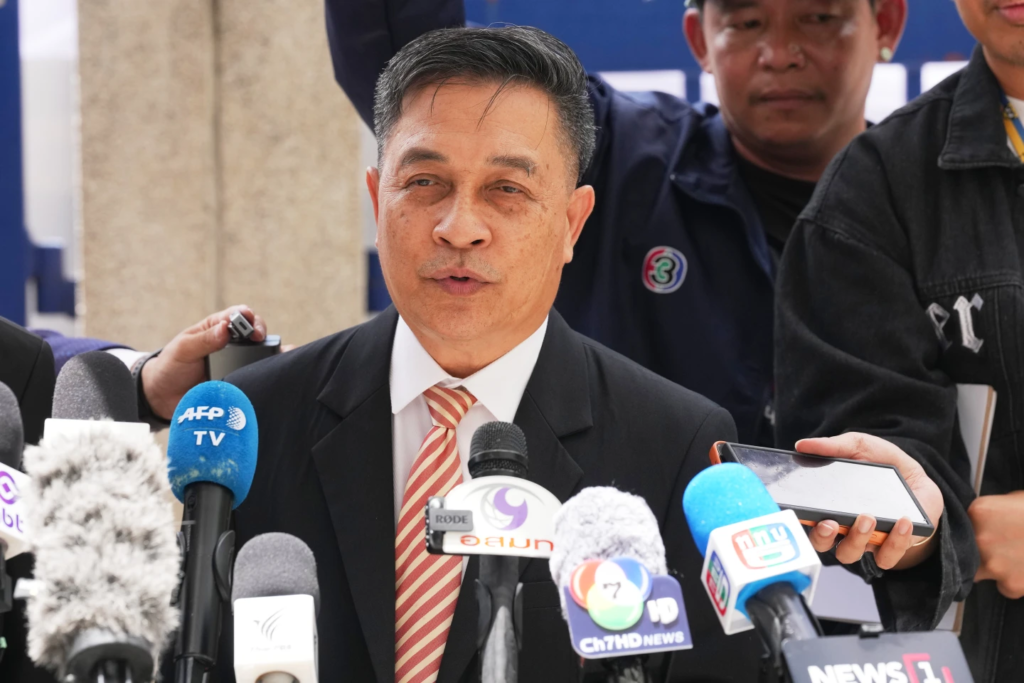
The case has moved slowly through the Thai justice system, marked by repeated delays, translation issues, and changes in jurisdiction.
Both defendants were arrested shortly after the bombing in 2015. They initially confessed during police questioning but later retracted those statements, pleading not guilty when the formal trial began in 2016.
The case was first handled by a military court before being transferred to a civilian court in 2019, as Thailand revised parts of its legal process for major criminal cases.
Language barriers also complicated proceedings throughout the trial. The defendants speak Uyghur, and finding qualified interpreters proved difficult, contributing to repeated postponements.
Allegations of Coercion and Disputed Confessions
A key point of dispute throughout the trial was how the initial confessions were obtained.
The defendants claimed they were mistreated and forced to confess during early questioning. Their lawyers argued that the statements should not be considered reliable evidence.
However, the court rejected those claims, stating there was no credible proof of torture or coercion. Judges ruled that investigators acted within legal procedures and that the confessions aligned with other evidence presented in court.
Human rights groups, however, have continued to raise concerns about due process and the length of time it took for the case to reach a verdict.
China Welcomes the Decision
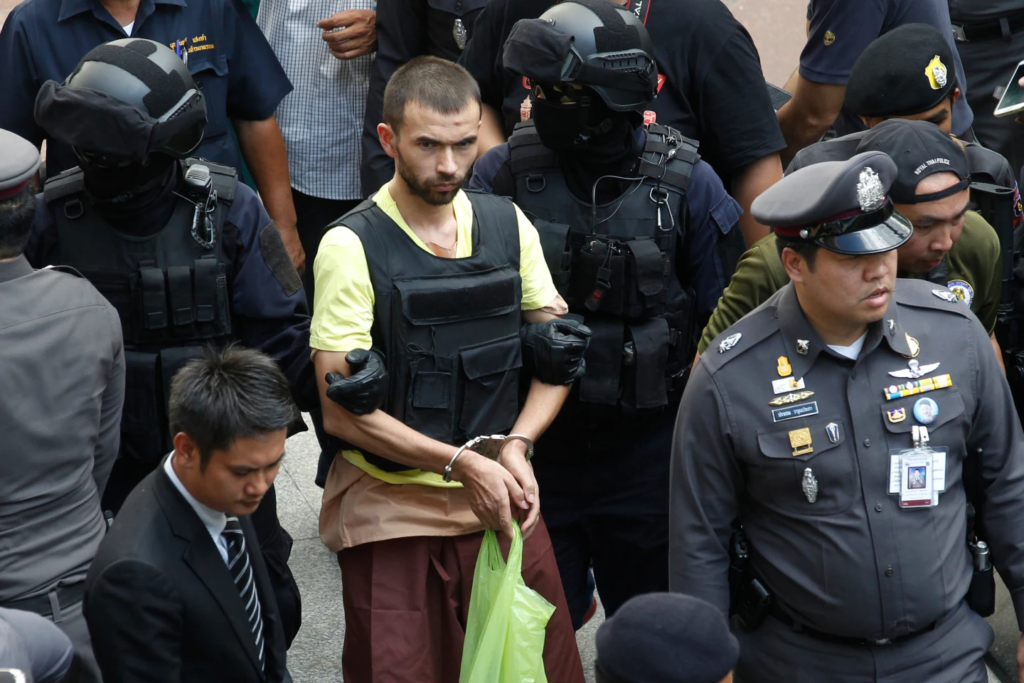
The verdict was welcomed by China’s government.
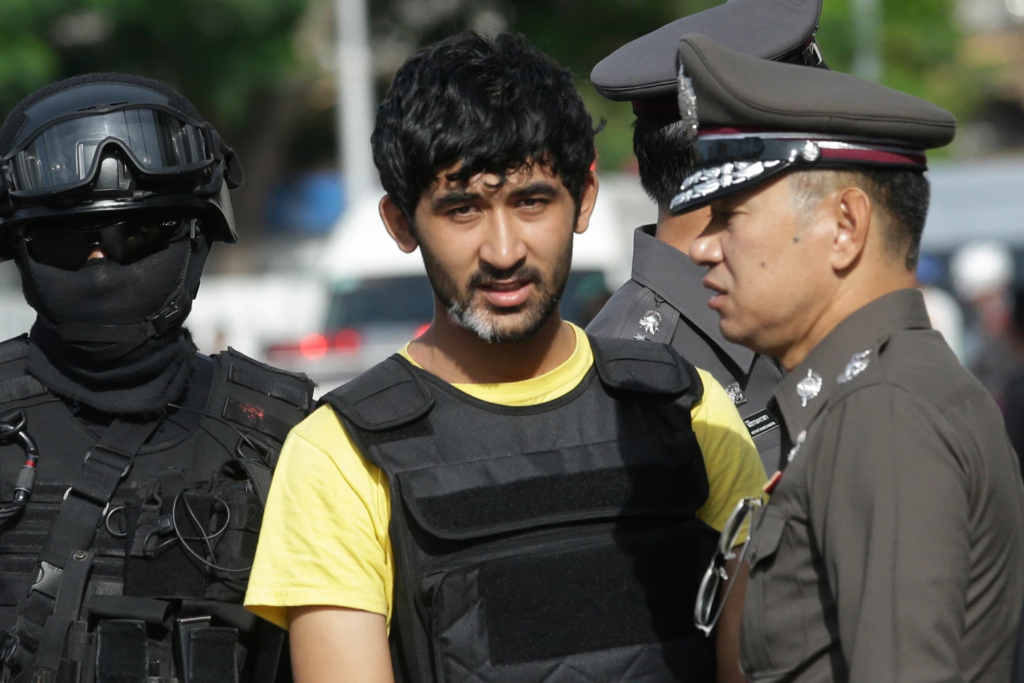
A spokesperson from the Chinese Ministry of Foreign Affairs described the bombing as a “heinous terrorist attack” and said those responsible deserved punishment. Beijing noted that several Chinese nationals were among the victims.
China has consistently supported efforts to prosecute those involved and has worked closely with Thai authorities during the investigation.
Human Rights Concerns and International Scrutiny
Despite the conviction, the case has faced criticism from international human rights organizations.
Groups such as the International Federation for Human Rights have raised concerns about the fairness of the trial process, including the initial arrests, prolonged detention, and questions around access to legal protections.
In a submission to the United Nations, advocates argued that the defendants may not have received full due process protections under international standards.
Thai authorities, however, maintain that the trial was conducted fairly and in accordance with the law.
Questions About Motive Remain Unresolved
While the court focused on the evidence of involvement, the broader motive behind the attack remains debated.
Thai investigators have previously suggested the bombing could be linked to a human trafficking network that was disrupted by a government crackdown earlier in 2015. That operation targeted smuggling routes used by migrants along the Thailand–Malaysia border.
Another widely discussed theory links the attack to anger over Thailand’s deportation of Uyghur asylum seekers to China in the same period. Human rights groups have argued that such actions could have contributed to resentment within parts of the Uyghur diaspora.
So far, no single explanation has been definitively proven.
A Case That Still Leaves Lingering Questions
The Erawan Shrine bombing remains one of Thailand’s most tragic and politically sensitive criminal cases. It exposed vulnerabilities in national security, strained diplomatic sensitivities, and raised ongoing debates about migration, minority rights, and justice.
Thursday’s ruling provides closure in legal terms, but the case continues to carry weight beyond the courtroom. For many, it is remembered not only as a terrorist attack, but also as a case that sits at the intersection of international politics, human rights concerns, and unresolved historical tensions.