
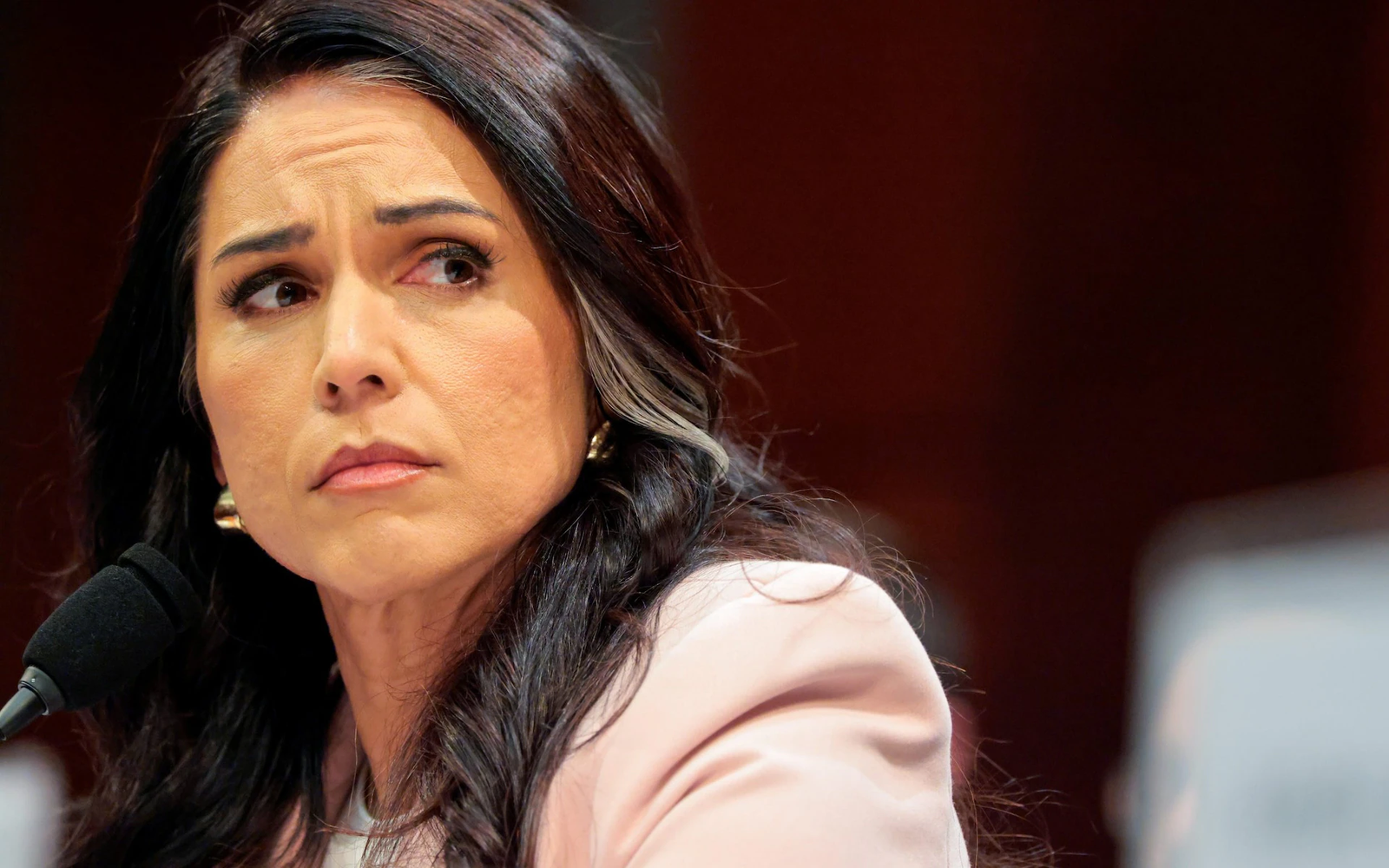
Tulsi Gabbard has announced her resignation as Director of National Intelligence (DNI), bringing an end to a turbulent period in the Trump administration marked by internal policy disagreements, geopolitical tensions, and sweeping changes within the U.S. intelligence community.
The resignation, which is set to take effect on June 30, comes as Gabbard cited a deeply personal reason for stepping away from one of Washington’s most demanding national security positions: her husband’s battle with a rare form of bone cancer.
Her departure closes a chapter that saw the former congresswoman and military officer rise from political outsider to one of the most closely watched figures in President Donald Trump’s administration.
Family Health Crisis Behind Resignation Decision
In her resignation letter, Gabbard explained that her decision was driven by family responsibilities following the diagnosis of her husband, Abraham Williams.
She described him as a constant source of strength throughout their marriage and during key moments in her life and career, including military deployments, political campaigns, and her tenure in government.
“My husband has stood beside me through every challenge,” she wrote, adding that she could not continue in a role as demanding as DNI while he faced a serious medical fight.
Gabbard emphasized that she intends to assist with a smooth transition process to ensure continuity within the intelligence apparatus and avoid disruptions in leadership.
The announcement immediately shifted attention from political debates surrounding her tenure to the personal circumstances behind her exit.
Trump Praises Gabbard Following Departure Announcement
President Donald Trump publicly acknowledged Gabbard’s resignation and praised her work within the administration.
In a statement, Trump described her performance as “incredible” and expressed confidence that her husband would recover.
He also announced that Principal Deputy Director of National Intelligence Aaron Lukas would take over as Acting Director following her departure.
The president’s remarks signaled a conciliatory tone despite widespread speculation that Gabbard had increasingly found herself at odds with parts of the administration over foreign policy matters.
Her resignation comes at a time when the White House has faced growing scrutiny over its handling of escalating tensions in the Middle East.
Iran Policy Differences Shadowed Her Tenure
Although Gabbard cited personal reasons for stepping down, her departure arrives after months of reports suggesting friction within national security circles regarding policy toward Iran.
Long before joining the administration, Gabbard had built a political identity around opposition to military intervention abroad.
During her earlier presidential campaign, she openly criticized prolonged U.S. military involvement in the Middle East and promoted a non-interventionist foreign policy approach. She even sold campaign merchandise carrying anti-war messaging related to Iran.
That reputation followed her into government.
Following U.S. military strikes against Iran earlier this year, Gabbard maintained a more measured public position than some administration officials. While she defended the president’s authority to act, observers noted that she stopped short of becoming one of the conflict’s strongest public advocates.
Her stance reportedly placed her in a difficult position within an administration increasingly focused on projecting military strength.
Disagreements Over Iran’s Nuclear Capabilities
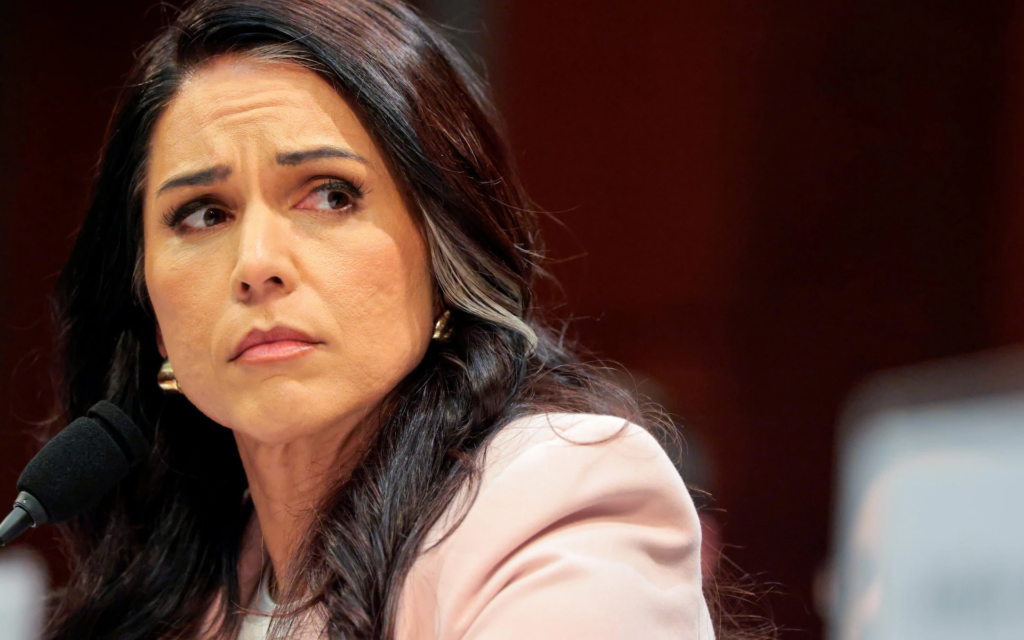
One of the most notable moments during Gabbard’s tenure came amid debate over Iran’s nuclear ambitions.
Reports suggested she publicly differed from the administration’s broader narrative by arguing that Iran was not immediately close to producing a nuclear weapon.
She also reportedly stated that Tehran had not significantly rebuilt aspects of its nuclear program following previous U.S. military actions.
Those comments contrasted with President Trump’s public assessments and fueled speculation that divisions existed within the national security team.
The disagreement became more visible when Trump reportedly dismissed her assessment, telling reporters that she was mistaken.
The exchange was widely interpreted as evidence that Gabbard’s influence within strategic decision-making circles may have diminished.
Anti-War Credentials Shaped Her Political Identity
Gabbard’s political career has long been defined by skepticism toward foreign military interventions.
A lieutenant colonel in the U.S. Army Reserve with service experience in Iraq and overseas deployments, she frequently used her military background to argue against prolonged conflicts.
Her criticism of interventionist policies earned support from anti-war voters across the political spectrum.
During Trump’s first presidency, she was among critics who accused the administration of aligning too closely with traditional interventionist factions in Washington.
Yet her eventual endorsement of Trump in the 2024 election surprised many political observers.
The alliance was built largely on shared messaging opposing “endless wars,” a theme that resonated strongly with sections of the MAGA movement.
That same base viewed Gabbard as an influential voice advocating restraint in foreign affairs.
Restructuring Intelligence Agencies Sparked Debate
As Director of National Intelligence, Gabbard pursued broad reforms aimed at reshaping the intelligence community.
Her office initiated restructuring efforts, cost reductions, and organizational changes intended to streamline operations.
Supporters argued that the reforms targeted bureaucratic inefficiencies and modernized intelligence functions.
Critics, however, warned that the cuts risked weakening institutional capacity at a time of heightened global instability.
Several intelligence analysts expressed concern over staffing reductions and operational changes implemented during her tenure.
Despite the criticism, Gabbard defended the measures as necessary reforms designed to improve efficiency and accountability.
Her leadership style often reflected her outsider political image—challenging traditional institutions while emphasizing structural change.
Tumultuous Tenure Marked by Political Isolation Rumors
Throughout her time in office, Gabbard faced persistent reports suggesting she had become increasingly isolated within national security decision-making processes.
Speculation intensified after several high-profile operations reportedly unfolded with limited visibility into her role.
Observers also pointed to signs that she had become less prominent in major policy announcements involving global security matters.
Although neither Gabbard nor the White House publicly confirmed those claims, rumors persisted that disagreements over foreign policy had reduced her influence.
Her resignation is therefore being viewed through two lenses: a deeply personal family decision and the culmination of a politically difficult period.
Fifth Cabinet-Level Departure Since Trump’s Return
Gabbard becomes the fifth senior administration figure to leave since Trump returned to office.
Her exit follows a series of resignations and reassignments involving high-ranking officials.
National Security Adviser Mike Waltz moved to a diplomatic role after controversy involving leaked communications.
Other departures included Homeland Security Secretary Kristi Noem, former Attorney General Pam Bondi, and Labor Secretary Lori Chavez-DeRemer.
The turnover has fueled debate over stability within the administration as it navigates domestic challenges and growing international tensions.
What Comes Next for Gabbard?
Despite stepping away from government, Gabbard remains a significant political figure.
Her military service, anti-war credentials, and crossover appeal have made her one of the more unconventional voices in modern American politics.
Whether she returns to public office, policy advocacy, or private life remains unclear.
For now, however, her focus appears firmly fixed on family.
Her resignation marks not only the end of her time leading U.S. intelligence operations but also a pause in a political journey that has repeatedly defied expectations.