
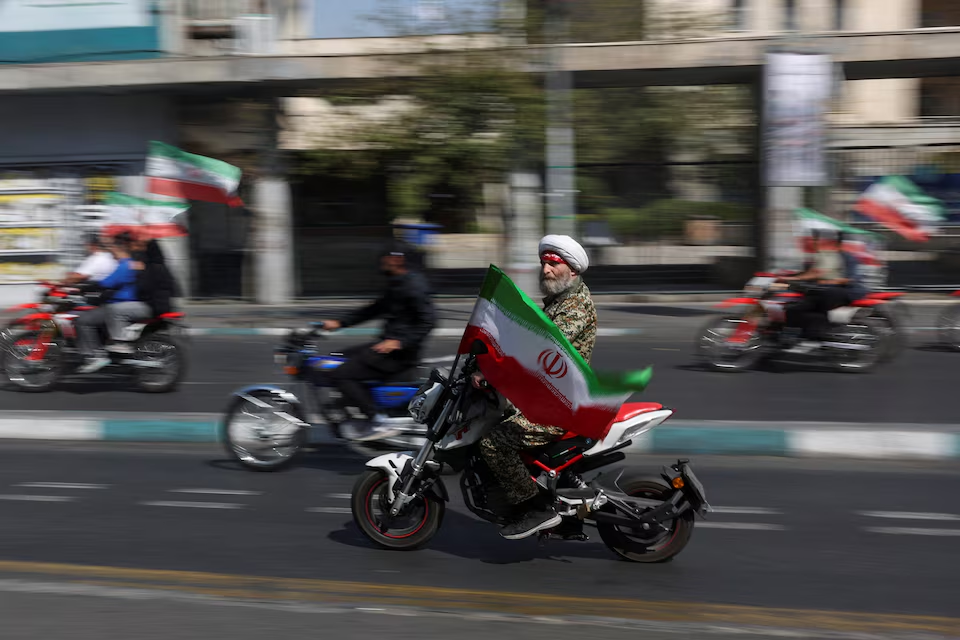
Iran said Sunday that diplomacy remains the only path out of its conflict with the United States and Israel, a day after President Donald Trump said he had turned down an Iranian offer to reopen the Strait of Hormuz and halt the fighting.
Iranian Foreign Minister Abbas Araqchi posted on social media that Tehran’s position had not changed. “Our conditions are clear, and any move toward reopening the Strait of Hormuz is contingent on these conditions being met,” he wrote. “Only a negotiated solution can get them out of this deadlock.”
Iran put the proposal forward last week at the UN General Assembly in New York. Tehran said the offer reached Washington through Qatari mediators. Trump rejected it Saturday, telling reporters at the White House that Iran’s push for a deal was a sign of weakness, not goodwill.
“They want to make a deal to open the Hormuz Strait immediately because they’re losing so badly,” Trump said.
Mediators Have Not Confirmed a Formal Rejection
Araqchi said the mediators handling talks between Tehran and Washington had not officially informed Iran that the US had turned down the plan, despite Trump’s public comments.
“We are waiting for the mediators to convey the definitive views to us, and we will make a decision based on them,” Araqchi wrote.
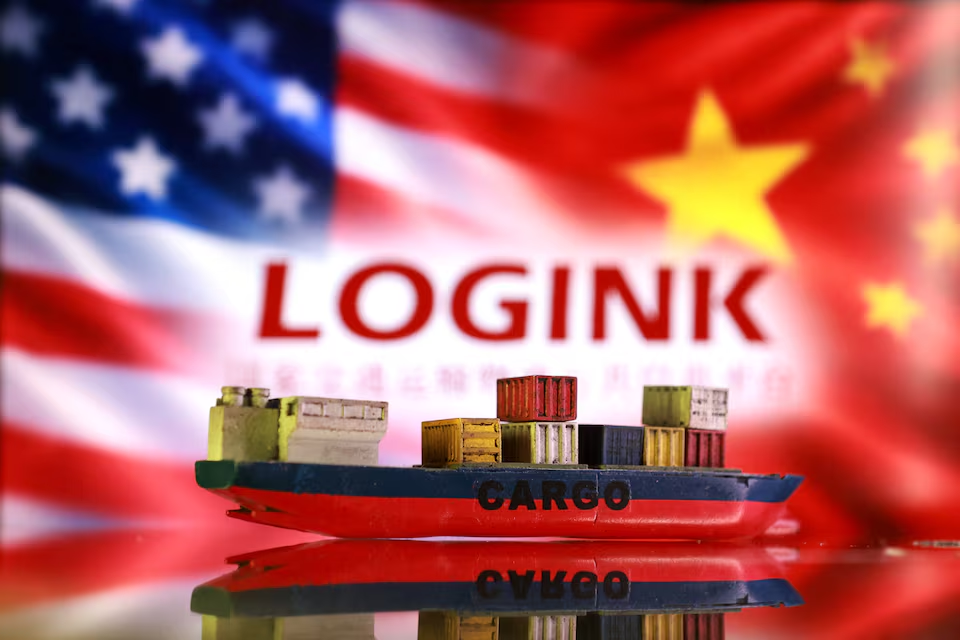
The US has maintained an economic blockade on Iran meant to pressure Tehran into stopping attacks on vessels moving through the Strait of Hormuz. Those attacks have sharply cut shipping traffic through the waterway, even as Trump has repeatedly said the US controls it.
The Wall Street Journal first reported Trump’s rejection of the Iranian plan, citing unnamed US officials. The paper reported that Trump was privately doubtful Iran would meet his conditions and had told his staff he expects to resume bombing after the November US midterm elections.
One US official said earlier that talks with Iran through mediators had been “positive and constructive.”
Iranian Military Commander Warns of a Decisive Stage
Amir Hatam, commander-in-chief of Iran’s army, said the war had reached a critical and decisive point. He said Tehran would not accept a situation where foreign powers control regional shipping lanes while Iran is unable to trade.
“If Iran cannot trade, if Iran cannot live, no one will be able to trade or live,” Hatam said, according to comments carried by state media.
Conflict Has Cut Into Oil Flows and Regional Trade

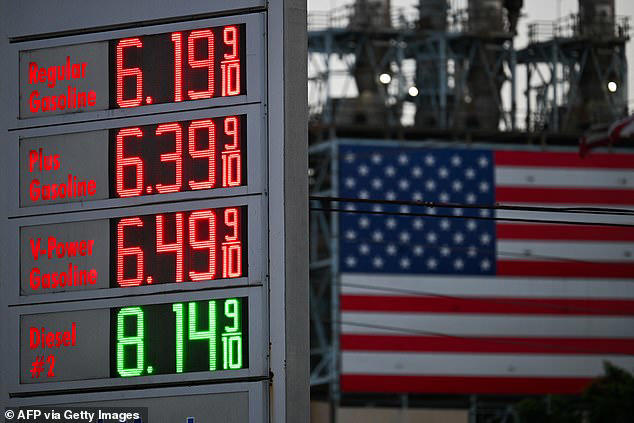
Iran has also approached Saudi Arabia, a regional rival, over the Strait of Hormuz. The outreach reflects how much is riding on a war that has run for seven months, disrupted oil shipments through one of the world’s busiest maritime corridors, and weighed on the global economy.
Araqchi told reporters at the UN on Friday that the proposed deal would set off a seven-day countdown to reopening the strait alongside a pause in regional fighting.
“If there is seriousness on the US side to come to a deal and reopen the Strait of Hormuz, everything is now prepared,” Araqchi said. He added that if Washington agreed, the two sides could move into broader talks “on mutually agreed subjects.”
Those talks could eventually touch on Iran’s nuclear program. Trump has said stopping Iran from building a nuclear weapon was a central reason for launching the war, along with ending Iran’s capacity to strike its neighbors and creating conditions for Iranians to remove their government.
Iran Rules Out Nuclear Concessions

A senior Iranian official told Reuters that Tehran would not soften its position on its nuclear program even if the US accepted the peace proposal. The official said Iran would not give up its right to enrich uranium or agree to ship its stockpile of highly enriched uranium out of the country.
Iranian President Masoud Pezeshkian struck a similar note in an interview with CBS’s “Face the Nation.” He said Iran was open to talks on its nuclear program and other issues but would not accept “bullying or coercion.”
“Iran is not seeking war, but will defend itself against pressure, threats and attacks,” Pezeshkian said. He added that Iran had already agreed that “we’re not supposed to develop nuclear weapons.”
A War That Has Resisted Diplomacy Since February
Earlier diplomatic efforts have failed to stop the fighting, which started on February 28 with US and Israeli strikes on Iran. The war has since moved between lulls and renewed attacks, killing thousands of people, weakening Iran’s conventional military, and adding further strain to an economy already under pressure.
Iran and its regional allies have widened the conflict well beyond their own borders. Iran has fired drones and missiles at US allies in the Gulf, while Yemen’s Houthi movement, aligned with Tehran, has struck Saudi targets.
Seven Killed in Yemen Strike
Yemen’s Houthi-run health ministry said a strike on shops at a market in the Mawiya junction area of Taiz province, in the southwest of the country, killed seven people and wounded 40 others, including children, on Sunday.
Yemen’s internationally recognized government said afterward that its forces had targeted a Houthi military camp and vehicles at the same junction.
The competing accounts point to how the war in Yemen, layered on top of the broader Iran-US-Israel conflict, continues to draw in civilians far from the original front lines. With mediators still working to confirm Washington’s position on the Hormuz proposal and both sides holding firm on the nuclear question, the chances of a near-term breakthrough remain uncertain.