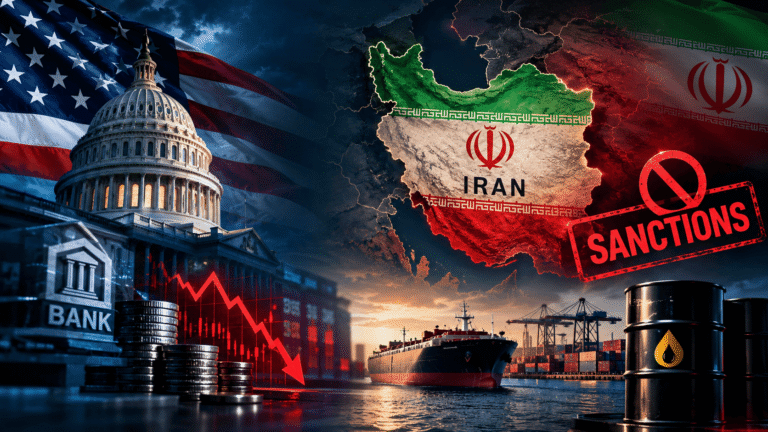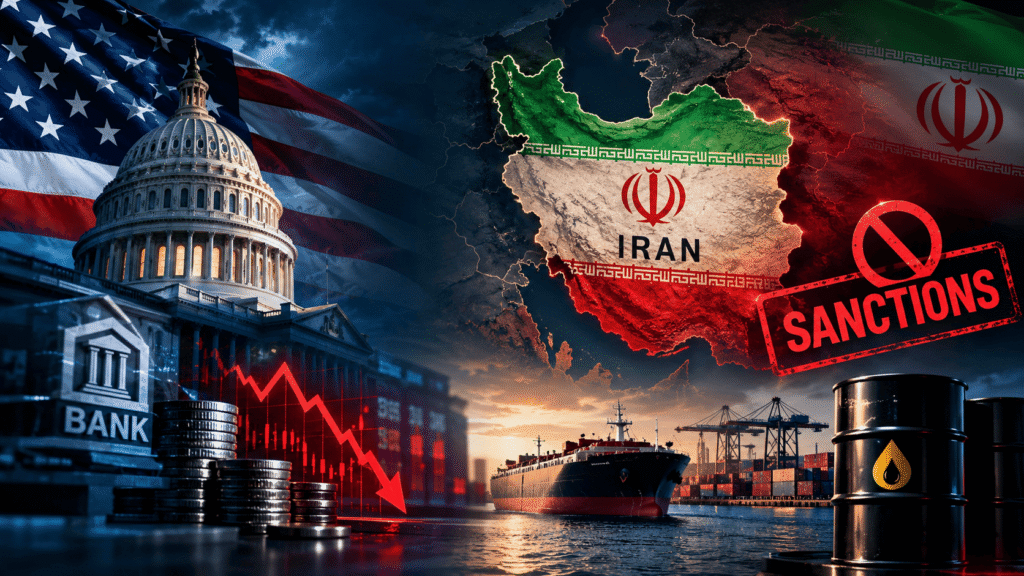

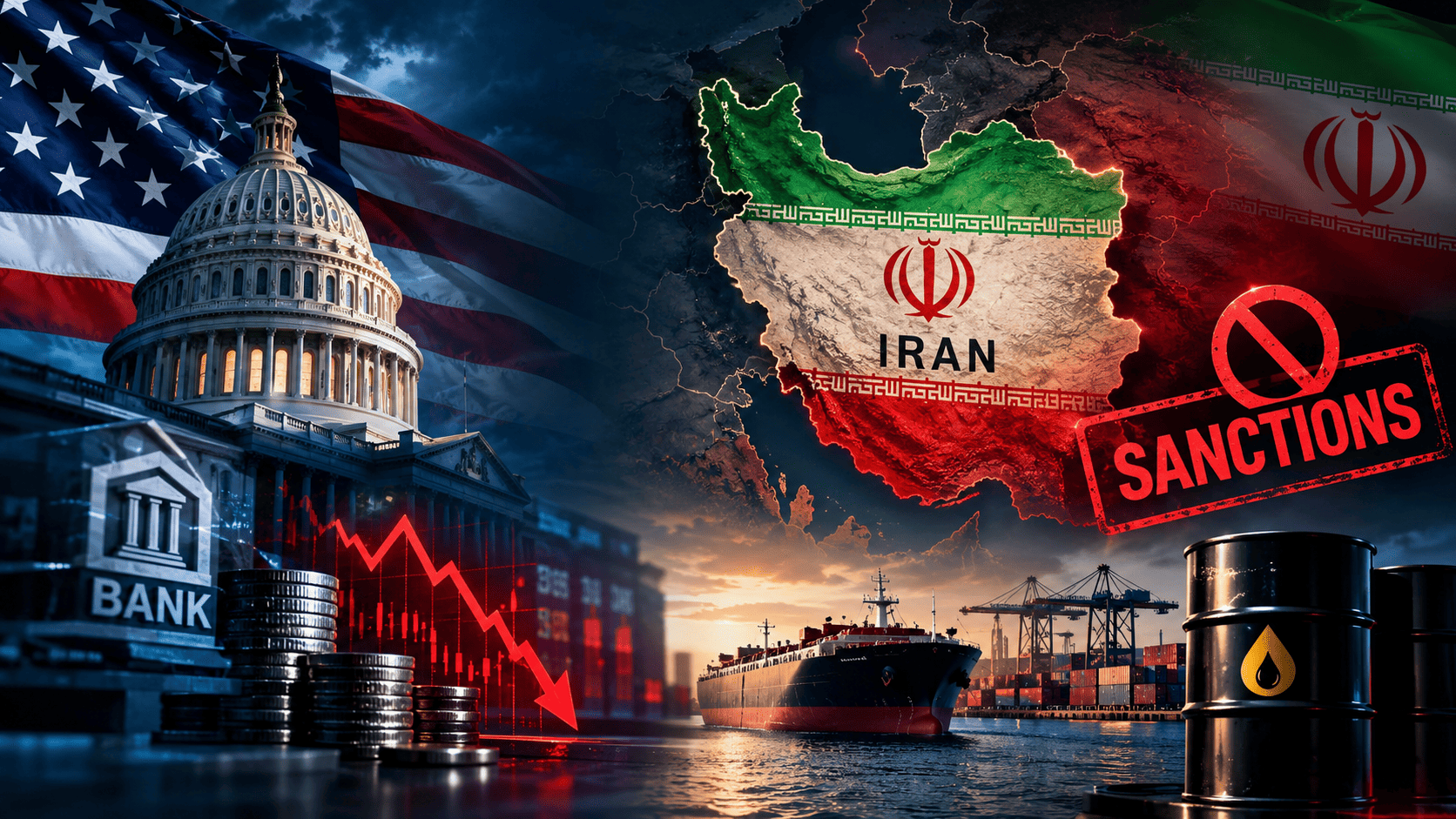
US-Iran negotiations have moved through more than a year and a half of talks, collapsed ceasefires, and renewed fighting, and as of late September 2026 the two sides are once again engaged in indirect diplomacy in New York, centered on a narrower, faster proposal to reopen the Strait of Hormuz. For the broader backdrop, see our coverage of Iran-US relations.
US-Iran Negotiations: How the Talks Began
The current round of US-Iran diplomacy traces back to April 12, 2025, when Iran and the United States began a series of talks aimed at a nuclear agreement, following a letter from President Donald Trump to Iranian Supreme Leader Ali Khamenei, with Trump setting a 60-day deadline for a deal. The first high-level meeting was held in Oman, led by US special envoy Steve Witkoff and Iranian Foreign Minister Abbas Araghchi, with both sides initially describing the discussions as constructive.
Several more rounds followed in Rome and Muscat, with expert-level talks eventually joining the high-level discussions. Central sticking points emerged early and would recur throughout the process: whether Iran could retain any domestic uranium enrichment capability, what would happen to its enriched uranium stockpile, and what sanctions relief Iran would receive in exchange.
US-Iran Negotiations: The Collapse Into War
When the 60-day deadline passed without an agreement, Israel launched large-scale strikes against Iran in June 2025, targeting military leadership and nuclear scientists, which prompted Iran to suspend the nuclear talks indefinitely and led the United States to carry out its own strikes on Iranian nuclear sites at Fordow, Natanz, and Isfahan. A ceasefire followed, but diplomacy stayed largely frozen for months.
Talks resumed in early 2026 after large-scale protests inside Iran, even as the US military buildup in the Middle East continued. That opening proved short-lived: on February 28, 2026, the United States and Israel launched a new round of large-scale strikes on Iran, marking the start of what is now referred to as the 2026 Iran war, an escalation that included the assassination of Khamenei and of Ali Larijani, a senior figure who had been involved in the negotiations.
US-Iran Negotiations: The June 2026 Memorandum and Its Breakdown
By late May 2026, reports indicated the US and Iran were nearing a broader agreement, with Trump suggesting the Strait of Hormuz could soon reopen under a ceasefire framework. On June 17, 2026, Trump and Iranian President Masoud Pezeshkian signed what became known as the Islamabad Memorandum, setting out a 60-day ceasefire period during which further talks were meant to resolve the final status of Iran’s nuclear program.
The arrangement didn’t hold. Technical talks scheduled in Switzerland were postponed within days, and by late June both sides had traded accusations of ceasefire violations, with the US striking Iranian missile, drone, and radar infrastructure and Iran firing missiles and drones at US positions in Kuwait and Bahrain in response.
US-Iran Negotiations: Where Talks Stand Now
The US-Iran negotiations drawing attention in late September 2026 center on a narrower, Qatari-mediated proposal rather than a comprehensive settlement. Iran presented the US with a road map calling for a regionwide ceasefire of up to 60 days, a phased reopening of the Strait of Hormuz, and an end to the US naval blockade of Iranian ports.
Iran has reportedly softened its position on both the strait and its nuclear program in exchange for an easing of the US blockade and the release of frozen funds, with discussions continuing quietly in New York as a prelude to more formal negotiations. The emerging proposal would first reopen the strait and lift the US blockade, with sanctions relief to follow — similar in structure to the June memorandum, but with Iran pushing for a much faster timeline this time.
The path forward remains unsettled. Trump reportedly told journalists he had rejected Tehran’s latest proposal to reopen the strait within a week, even as Iran’s foreign minister stayed in New York awaiting word from Qatari mediators. By September 30, Iran had received a formal US response to its seven-day trust-building proposal, though the contents weren’t disclosed publicly and a dispute reportedly remained over sequencing. Trump has framed his own choice bluntly, saying the US will either “blow them up or make a deal.”
US-Iran Negotiations: Core Issues Still Dividing Both Sides
- Uranium enrichment — the US wants it dismantled entirely; Iran has offered limits, dilution, or pauses, but not a permanent end.
- The Strait of Hormuz — reopening it, and in what order relative to other steps, has become a central sticking point.
- Sanctions and frozen assets — Iran wants funds released and sanctions lifted; the US ties this to nuclear compliance.
- Regional conflicts — disputes over Lebanon and Hezbollah complicate the broader picture, with Israel saying it isn’t bound by earlier provisions there.
- Trust — both sides have accused the other of bad faith, and that’s arguably the hardest issue to resolve.
US-Iran Negotiations: What Comes Next
Araghchi has said the negotiations have become more “serious,” while cautioning that Tehran’s core position hasn’t changed, and other reporting suggests a full deal remains unlikely before the US midterm elections. With both sides signaling openness to a deal while also preparing for renewed conflict, the US-Iran negotiations remain a genuinely fluid situation heading into October 2026 — worth checking current reporting from sources like the United Nations or the U.S. Department of State for the latest, since it’s shifted direction multiple times already this year.
Frequently Asked Questions About US-Iran Negotiations
When did the current US-Iran negotiations begin?
The current round traces back to April 12, 2025, following a letter from President Trump to Iran’s Supreme Leader and a 60-day deadline for a nuclear deal.
Why did the talks collapse into war?
When the original 60-day deadline passed without an agreement, Israel struck Iran in June 2025, and a second, larger round of US-Israeli strikes on February 28, 2026 escalated into what’s now called the 2026 Iran war.
What was the June 2026 memorandum?
Signed by Trump and Iranian President Masoud Pezeshkian on June 17, 2026, the Islamabad Memorandum set out a 60-day ceasefire meant to resolve Iran’s nuclear program, but it broke down within weeks.
What is the current state of US-Iran negotiations?
As of late September 2026, both sides are engaged in Qatari-mediated indirect talks in New York over a narrower proposal to reopen the Strait of Hormuz and lift the US naval blockade.
What are the biggest obstacles to a deal?
Uranium enrichment limits, the sequencing of a Strait of Hormuz reopening, sanctions relief, regional conflicts involving Lebanon, and a basic lack of trust between both sides.