
Iran said Sunday that an accord with Oman to establish new shipping lanes via the Strait of Hormuz was in its final stages, but Tehran reiterated the strait will not reopen until the US meets a separate set of requirements it has laid out.
Iran’s Foreign Minister Abbas Araqchi claimed the country is close to finalizing a deal with Oman, which is across the Strait from Iran. Reopening of the waterway is not only dependant on the shipping-lane deal, he told Iran’s Mehr news agency, a position he had also expressed a day earlier. A U.S. official said Friday a deal between Iran and Oman was close and may soon reopen the strait.
A waterway shut since February
The Strait of Hormuz had transported one-fifth of the world’s oil and liquefied natural gas supplies before Iran sealed it down in retaliation for strikes by the U.S. and Israel. In late February, the United States launched air strikes on Iran on the grounds that they would prevent Tehran from getting nuclear weapons or threatening the area with missiles or proxy forces. A ceasefire between the US and Iran was put in place in June. But Washington reimposed a ban on Iranian commerce in the Gulf in July. Tehran said that blockade was a violation of the truce, which had already broken down by then.
“The agreement which is being finalized with Oman will specify the shipping lines to be used after the strait is reopened,” Iranian Deputy Foreign Minister Abbas Araqchi told Mehr. It does not establish a date for reopening on its own. That decision is still related to a separate list of requests Iran has made of Washington.
Iran’s demands are not just about shipping lanes
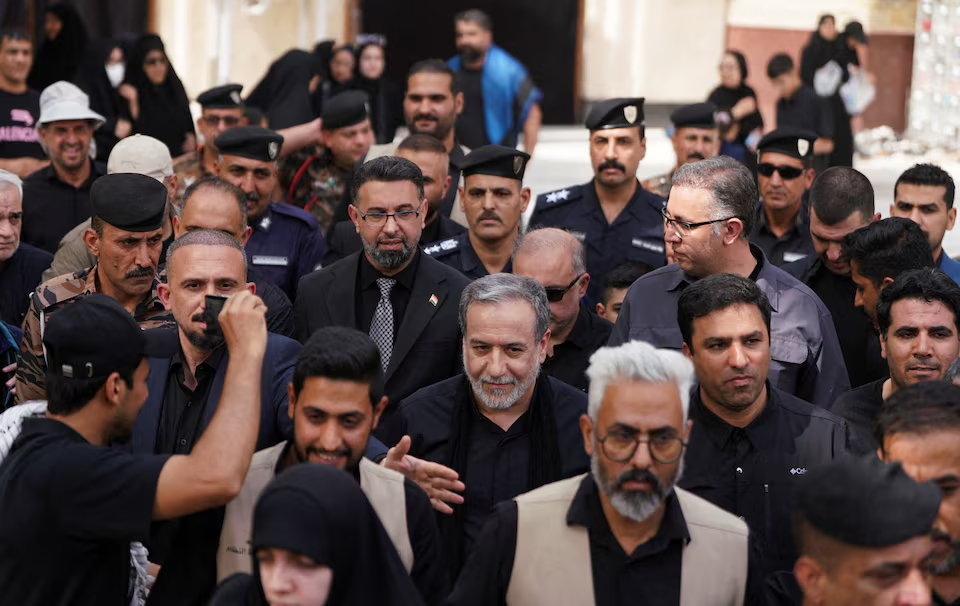
The reopening of the strait partly relies on U.S. reimbursement to Iran for what Araqchi called extensive attacks. Iran’s top national security body secretary Mohammad Baqer Zolqadr gave a longer list of conditions, including an end to U.S. threats against Iran, a stop to aggression against Iran and its allies in Lebanon, Palestinian territories, Yemen and Iraq, the lifting of the blockade and sanctions and the release of frozen Iranian assets.
Iran and the U.S. are not currently engaged in direct discussions, and Araqchi said Tehran will not initiate such talks as Washington maintains what it deems a breach of the interim agreement agreed in June. Messages were being transferred between the two governments thru intermediaries, he said, but did not name which countries or officials were passing them.
Washington would lift its embargo of Iranian ports when an agreement is announced that restores commercial shipping without hurdles, a U.S. official told Reuters, on condition of anonymity. Any efforts by the U.S. would be tied to steps by Iran, a sequencing that reflects the dispute over verification that has stymied other recent agreements in the region, the official said.
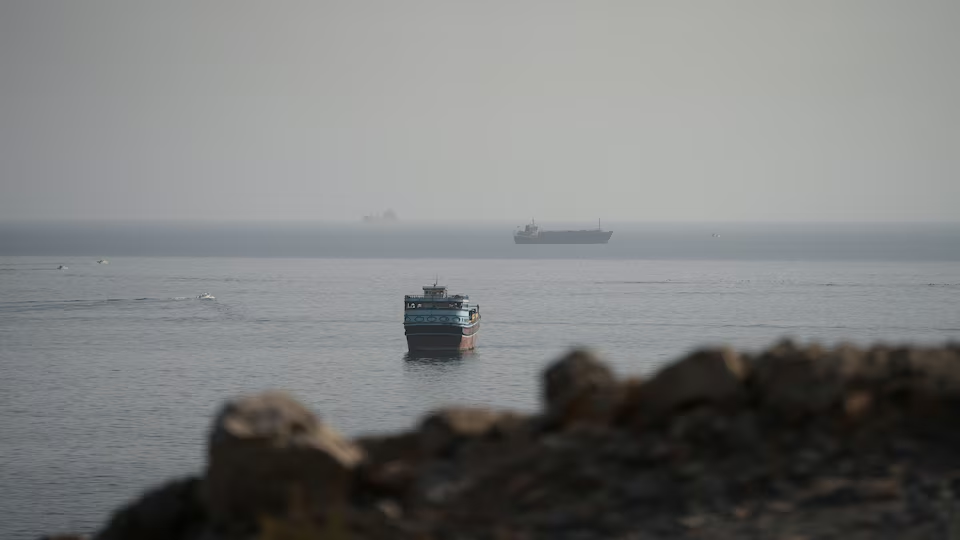
Earlier sources told Reuters the evolving deal appeared bound to give Tehran control of ships going into the Gulf thru the strait, a set-up shipping companies have cautioned would be tough to implement. It’s unclear how that control would function alongside the new lanes Iran and Oman are completing, or how it would align with the U.S. conditions for ending the blockade.
The United Arab Emirates said on Saturday Iran had assaulted a ship linked to its state oil business. Iran has not publicly commented on the claim as of Sunday.
Houthi attacks deepen the regional picture
Iran’s behavior in the Strait of Hormuz has been mirrored by a surge in attacks from the Houthis, the Tehran-aligned organization headquartered in Yemen, who have attacked shipping at another choke point between the Red Sea and the Gulf of Aden. Last month the Houthis imposed a naval blockade on Saudi Arabia in the Red Sea, which they described as retaliation for what they described as a Saudi embargo on Yemen. Saudi Arabia has disputed the claim and continues to support Yemen’s internationally recognized government.
The Houthis stated Sunday they hit Saudi Aramco’s Jazan refinery. The strike was carried out via drone, the group’s military spokesman Yahya Saree claimed on X. A fire broke out at the refinery but was doused and no casualties were recorded, Saudi Arabia’s oil ministry said. Authorities were still dealing with the aftermath on Sunday and did not provide a cause for the fire, albeit the Houthi allegation points to the drone strike Saree reported.
The Jazan refinery is located in southwest Saudi Arabia and processes 400,000 barrels of crude oil per day. The Houthis have already targeted Aramco operations there and in Yanbu on the Red Sea. The organization also launched strikes on the Red Sea port of Mocha, three sources in the Yemen-based administration in Aden told Reuters.
A new defense accord in the background
The Sunday incident came two days after Saudi Arabia signed a defense pact with Turkey and Pakistan, both mostly Sunni Muslim governments, in what Riyadh said was a response to escalating instability linked to the US-Israeli war on Shi’ite-led Iran. The new coalition does not target Iran or any other specific country, Turkey’s Foreign Minister Hakan Fidan said. Rather, he described it as a basic commitment among the three nations to support each other’s security, with the actual scope, method and extent of support to be hammered out in later talks should an assault occur.
It is unclear whether Pakistan or Turkey would join any Saudi reaction to the Jazan attack or any additional Houthi attacks. Neither country mentioned Sunday’s incident precisely in a statement.
Together, the developments suggest an area in which a number of fronts – the discussions over the Strait of Hormuz, the blockade in the Red Sea and the new Saudi defense deal – are on different but linked tracks. Iran’s position toward the U.S. remains conditional on demands much beyond the shipping-lane agreement with Oman. Its proxies in Yemen continue to assault Gulf energy facilities, even as Gulf states strive to codify new security arrangements among themselves. How those tracks connect and in particular whether progress on the Oman deal affects the speed or intensity of Houthi attacks is an open subject that neither Tehran nor Riyadh has publicly addressed.