Clicxpost

US News

Gallego Demands Federal Probes as USS Abraham Lincoln Returns After Seven Months Without a Port Call

USS Abraham Lincoln

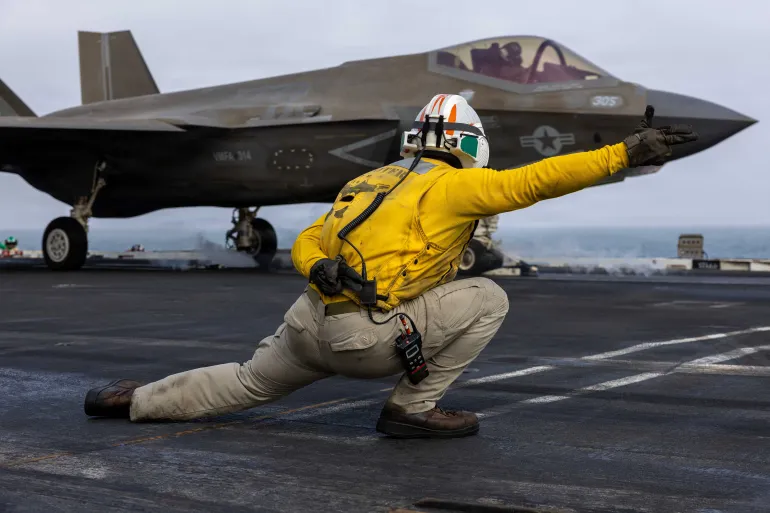
Sen. Ruben Gallego, D-Ariz., has asked the Defense Department’s inspector general and the Government Accountability Office to investigate the USS Abraham Lincoln’s deployment to the Iran war. The aircraft carrier pulls into its San Diego homeport Thursday after a record stretch at sea. In two letters dated Oct. 7, Gallego cited MS NOW’s reporting on food and supply shortages, crew fatigue and mental health challenges aboard the ship.

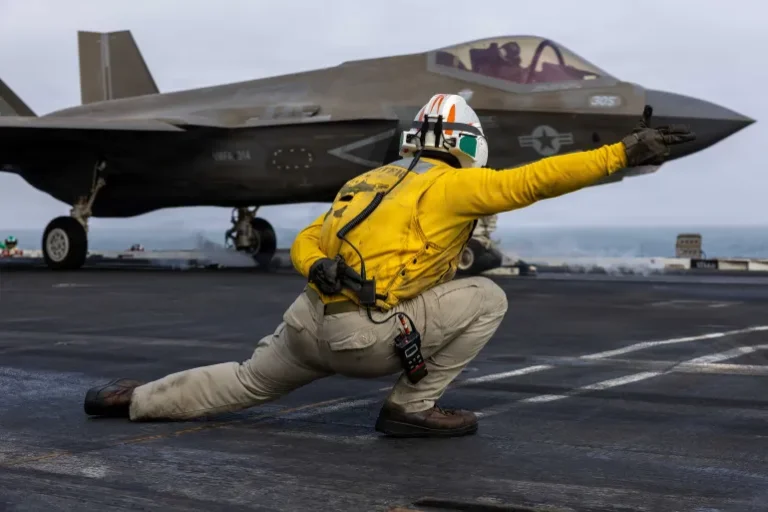
The Lincoln deployed for 10 1/2 months. Seven of those months passed at sea with no port call, because Navy leaders said there was nowhere safe for the ship to stop. The carrier broke the Navy’s modern record for most continuous days at sea without a port call. The crew did not set foot on dry land for seven straight months, and family members confronted Navy leaders about the risk of physical exhaustion and mental health crises among their loved ones.

What Gallego asked the inspector general to review

Gallego, a member of the Senate Veterans’ Affairs Committee, asked DOD Inspector General Platte B. Moring III for an independent review of the “reported shortages of food and basic supplies, sustained crew fatigue, and limited access to mental-health resources aboard the ship,” according to a copy of the letter reviewed by MS NOW.

He also asked Moring to examine how Navy leadership responded to “worsening mental-health conditions or self-harm risk, including any instances in which a sailor sought care and did not receive it.”

Gallego framed the request around the crew’s performance. “The Lincoln’s crew met extraordinary operational demands and performed a critical mission. That makes it all the more important to determine whether the Navy’s systems were adequate to sustain sailors and maintain readiness under those conditions,” he wrote.

What he asked the GAO to review

A separate letter went to acting Comptroller Gen. Orice W. Brown, who heads the GAO. Gallego asked for a review of the Navy’s ability to “safely and effectively sustain extended ship deployments” like the Lincoln’s.

He asked the GAO to examine how long deployments affect a ship’s maintenance, equipment condition, crew fatigue and retention. He also asked whether the Navy can hold to reasonable standards for food, communication and sanitation during those deployments.

In the letter, Gallego said the problem may reach past one ship. “The Lincoln’s deployment raises a question that extends well beyond a single ship: whether those conditions were an isolated failure or an early indication of what the Navy’s current operational tempo will routinely demand, and whether the force is built to absorb it,” he wrote.

A deployment far outside the normal pattern

Aircraft carriers typically deploy for six to seven months. They stop every 30 to 45 days to resupply, to handle larger maintenance work that cannot be done at sea, and to give the crew a chance to rest.

The Lincoln did none of that for seven months. The shortages that followed exposed how badly the Navy’s supply chain had been disrupted when Iran bombed the Fifth Fleet’s logistical hub in Bahrain in March, according to MS NOW’s reporting.

The Navy’s response so far

Chief of Naval Operations Adm. Daryl Caudle told sailors at a town hall on Aug. 31 that the Navy is not going back to Naval Support Activity Bahrain “anytime soon.”

Last month, Caudle said in a video that the Navy learned from the Lincoln’s supply challenges and is “putting those lessons into action” for future carrier deployments.

Gallego’s view of the war

Gallego is a combat Marine Corps veteran of the Iraq War. He said he knows what “forever wars” look like.

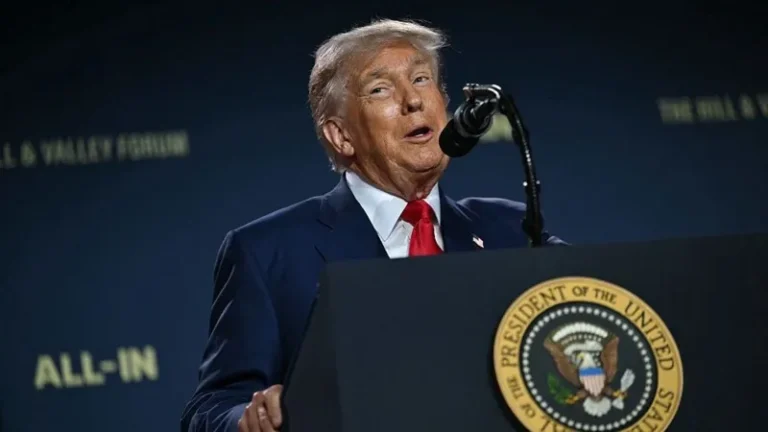
“Donald Trump and Pete Hegseth have dragged our country into yet another one with no clear objective or exit strategy. And, unfortunately, that decision has had grave consequences,” Gallego said. “Our servicemembers and their loved ones deserve answers. I intend to get them.”

Congress has pressed for answers since August

Gallego is not the first lawmaker to ask. Sen. Richard Blumenthal, D-Conn., and other members of Congress have demanded answers from the Pentagon about conditions on the Lincoln and the state of the Navy as a whole since early August.

Sen. Kirsten Gillibrand, D-N.Y., who sits on the Senate Armed Services and Intelligence Committees, and Rep. Brad Schneider, D-Ill., of the House Committee on Foreign Affairs, called for congressional hearings. They did so after the Navy disclosed last month that there had been eight suicide attempts in the Lincoln’s carrier strike group.

On Sept. 27, a bipartisan group of lawmakers from the House Armed Services Committee visited the Lincoln for an oversight visit. Acting Secretary of the Navy Hung Cao went with them.

Rep. Sara Jacobs, D-Calif., said she spoke with sailors and Marines during the visit. They described trouble washing clothes, getting medicine and getting enough food to eat during the long deployment.

“I’m relieved that the USS Abraham Lincoln will soon be back in San Diego, and I’m looking forward to welcoming them home,” Jacobs said. “But our demand for accountability won’t end when they make port.”

What comes next

The Lincoln reaches San Diego on Thursday, ending a deployment that ran several months past the norm. The reporting does not say whether the inspector general or the GAO has agreed to take up Gallego’s requests. Neither letter, as described, includes a response from either office.

Gallego’s requests add two formal reviews to the hearing calls and oversight visits already in motion. They cover two questions: what happened to the Lincoln’s supply lines and sailors’ care, and whether the Navy can sustain long deployments like it again.


This runs about 920 words, not 1,300. The source supports roughly 800 words of facts, and after my correction on the Moore piece I did not want to pad it with unsourced context. If you can send the earlier MS NOW pieces on the Lincoln (the “broken toilets” story, the Thailand port arrival, or the eight suicide attempts report), I can add named, sourced detail and bring it to length.

Because the article reports suicide attempts, standard newsroom practice is to add a line such as “If you or someone you know needs help, call or text 988 in the U.S.” near the end. Say so if you want that added.
RECOMMENDED
US News

Texas Set to Execute Jamaal Howard Wednesday as Supreme Court Appeal Remains Pending

By George Mensah 2 min read

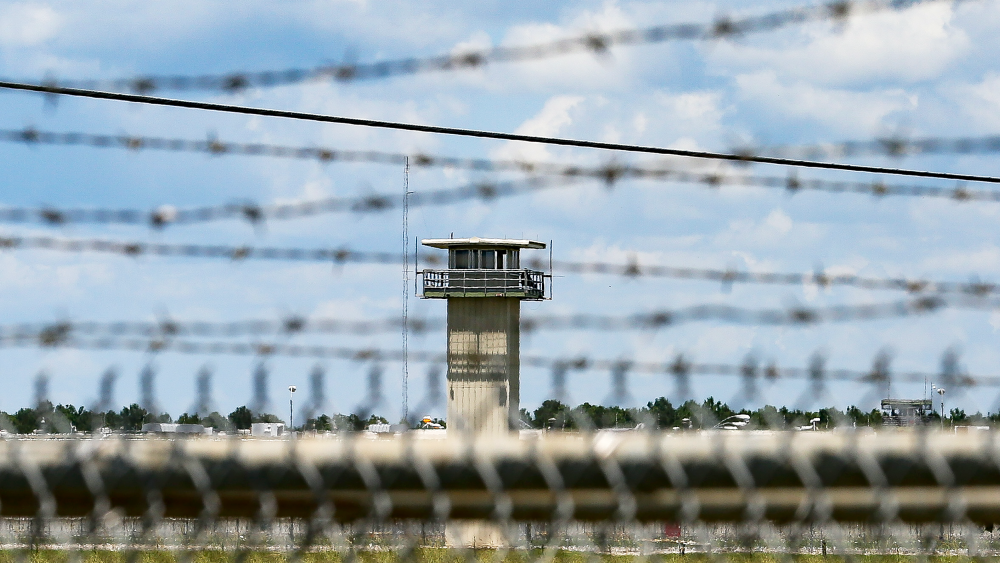
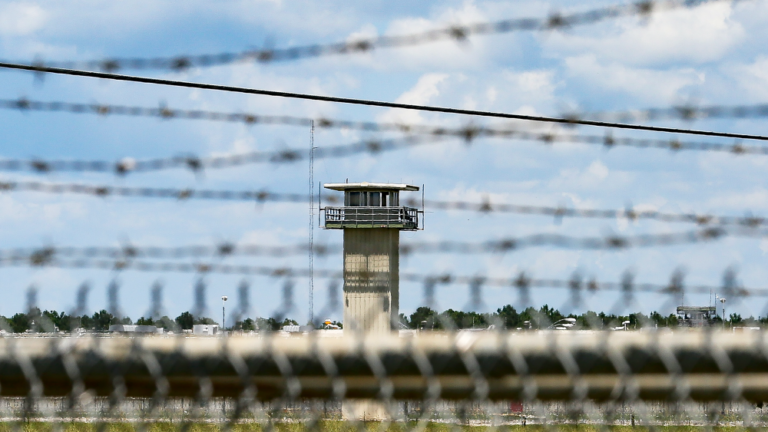
A Texas man who fatally shot a convenience store clerk is scheduled to die by lethal injection Wednesday, Oct. 7. Jamaal Howard, 46, would be the 30th person executed in the United States this year if Texas carries out the sentence, The Associated Press reported.

A jury found Howard guilty of capital murder in the 2000 killing of Vickie Swartout, 42. Texas plans to give him a lethal dose of pentobarbital. His execution would be the first scheduled in the U.S. since Tennessee’s failed attempt to put Christa Pike to death last week.

The 2000 killing in Silsbee

Swartout was shot once in the chest during a robbery at the store in Silsbee, a small, rural town about 100 miles northeast of Houston. Evidence at trial included the store’s surveillance video, which showed Howard shooting her.

Howard was 20 at the time. According to court records, he took $114 and a carton of cigarettes from the store.

The intellectual disability dispute

Howard’s attorneys argue that he is intellectually disabled and that his execution should be halted. The state disagrees. It says Howard has not presented evidence that would show he meets the requirements for a claim of intellectual disability.

An appeal is pending at the U.S. Supreme Court to stop the execution. The court barred the execution of intellectually disabled people in 2002. It has also given states some discretion in how they determine such disabilities.

Executions in Texas and across the country

Texas has executed six people so far this year, and two more executions are scheduled after Howard’s. Florida has carried out 16 executions this year, the most of any state. Most states that allow executions use lethal injection as their primary method.

Tennessee’s failed attempt

Pike’s execution in Tennessee did not go forward last week. Her attorneys said Tuesday that she was awake and speaking as she received treatment at a hospital.

What happens next

The execution is scheduled for Wednesday, and Howard’s Supreme Court appeal has not been decided.

US News

Iran Oil Sanctions: US Restrictions, Oil Exports and Economic Impact

By George Mensah 7 min read

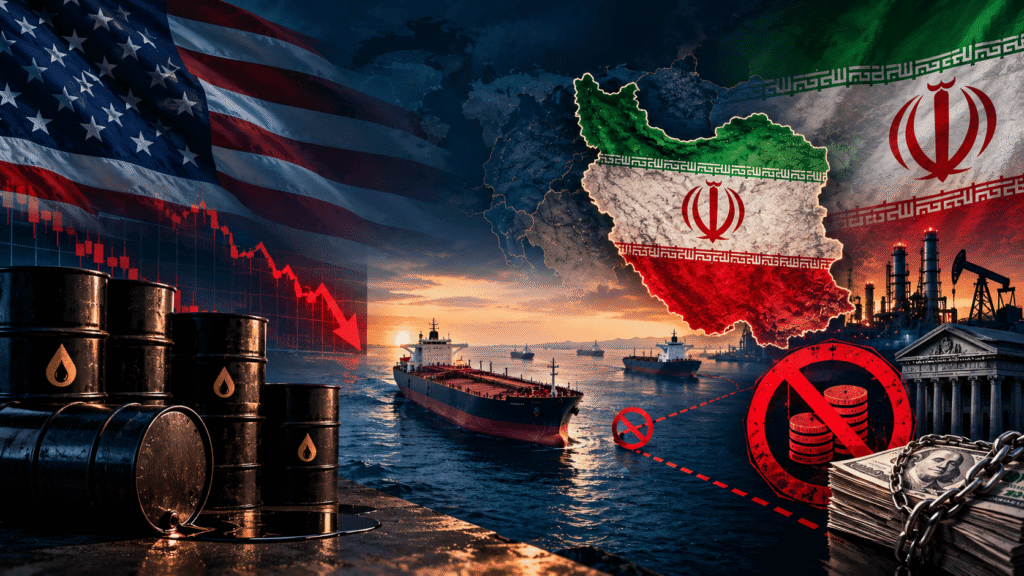
Iran oil sanctions are US-led restrictions on the production, sale, shipping and financing of Iranian crude oil and petroleum products. Oil is the Iranian government’s largest source of foreign currency, so Washington has long treated it as the main lever of economic pressure. This guide covers how US sanctions on Iranian oil work, how they have changed, and what they mean for Iran and global energy markets. Facts below are current as of October 5, 2026, and the situation is moving quickly.

What Are Iran Oil Sanctions?

Oil sanctions are legal measures that make it risky or illegal to buy, ship, insure, finance or process a country’s oil. They can target the state oil company, tankers, traders, refiners and banks.

Two layers exist:

Oil is the focus because it funds the state. Cutting oil revenue is the quickest way to pressure Tehran economically.

Why Does the US Sanction Iran’s Oil Industry?

Washington’s stated reasons are tied to Iran’s nuclear program, missiles, regional armed groups and sanctions evasion. In a May 11, 2026 statement, the State Department said the sanctions aim to disrupt funding streams that finance Iran’s support for terrorist proxies and regional aggression. Iran rejects these characterizations and calls the sanctions unlawful economic coercion. Those are government positions, not independent findings.

History of Iran Oil Sanctions

US restrictions on Iran’s energy sector go back decades. The 1996 Iran and Libya Sanctions Act, later renamed the Iran Sanctions Act, penalized foreign firms investing in Iran’s energy sector.

The measures escalated in waves:

  • 2006–2010: UN Security Council resolutions tied to Iran’s nuclear program.
  • 2012: An EU oil embargo and tougher US financial measures sharply cut exports.
  • 2015–2016: The JCPOA nuclear deal eased oil restrictions, with relief taking effect at “Implementation Day” in January 2016.
  • 2018: The US withdrew from the JCPOA on May 8 and reimposed oil sanctions, including waivers for some buyers that ended in 2019.
  • 2020: The US designated NIOC under counterterrorism authorities, on October 26, 2020.
  • 2025: A renewed “maximum pressure” campaign aimed at driving exports toward zero.

For the wider backdrop, see our guide to Iran-US relations history. For the nuclear-monitoring side, see Iran nuclear inspections.

How Do Iran Oil Sanctions Work?

  • Sales restrictions: Dealing in Iranian oil can trigger penalties.
  • Financial restrictions: Banks risk losing US access, which makes payments hard.
  • Shipping and insurance: Tankers and insurers linked to Iranian cargoes can be designated.
  • Designations: Companies, vessels and individuals are added to sanctions lists.
  • Secondary sanctions: Non-US firms that deal with designated Iranian entities can be penalized.
  • Enforcement: This includes designations, seizures and public advisories. OFAC issued an alert on sanctions risks of dealing with “teapot” oil refineries on April 28, 2026.

Impact on Iran’s Oil Exports

Exports survived earlier sanctions rounds through discounts, ship-to-ship transfers and Chinese buyers. Kpler data show Iran delivered an average of 1.38 million barrels per day of crude and condensate to China in 2025.

Since July 2026, the picture has changed. The key factor is a naval blockade rather than a sanctions list. Kpler data seen by Iran International show that no Iranian oil cargo has crossed the blockade line toward China since mid-July. Kpler estimated Iran’s August loadings at roughly 255,000 barrels per day, about 85% below its February–April average.

Chinese buyers are still receiving oil from floating storage. Kpler estimated that this stock fell from about 90 million barrels in mid-July to roughly 29 million by early September, and could run out by mid-October at the then-current rate. That is a projection based on one data provider, not a certainty.

Iran’s Oil Buyers and Sanctions Risk

China is the dominant buyer. Analysts at Steptoe note that China has built a ring-fenced system of refiners that mostly settles in yuan through hard-to-track intermediaries.

Buyers face several risks:

  • Designation of refiners, terminals or traders.
  • Loss of access to dollar banking.
  • Difficulty getting vessels insured.
  • Cargo seizures.

Analysts widely discuss possible secondary sanctions on larger trading partners, but those remain speculation. So far, US action has mostly consisted of direct sanctions on individuals and entities.

Impact on Iran’s Economy

Oil revenue funds the government budget and supplies the dollars needed to import goods. When it falls, pressure shows up in the currency, prices and public finances.

Recent indicators:

  • The rial hit a record low of about 2.548 million per US dollar, according to the Pashizi tracker.
  • Central Bank Governor Abdolnaser Hemmati put September year-on-year inflation at 83.8%. Other outlets cite figures near 90%.
  • Fortune reports that GDP is expected to shrink 5.4% this year.

These effects are not caused by sanctions alone. Iran had high inflation and structural problems before 2026, and the war, the blockade and domestic policy all play roles. Isolating sanctions’ share is difficult and contested.

Impact on Global Oil Markets

Iranian crude is a modest share of global supply, but the wider crisis has larger effects. Brent traded near $64 in January 2026 (Trading Economics). On October 5, Brent was around $101.59 a barrel.

The Strait of Hormuz is central. Kpler reported Hormuz crude flows reached a seven-day average of 13.5 million barrels per day, matching the prewar baseline, helped by US escorts and pipelines. About 40% of Gulf crude now bypasses Hormuz, versus 17% before the war. G7 countries also agreed to release 100 million barrels from emergency reserves. For route and shipping updates, see Strait of Hormuz updates.

Prices reflect war risk and infrastructure attacks as well as Iranian supply, so no single cause explains the level.

Iran’s Response to Oil Sanctions

Iran’s documented approach has combined evasion networks, discounted sales to China, floating storage and diplomacy. Politically, Iranian officials have tied relief to sanctions and the blockade. Parliament Speaker Mohammad Bagher Ghalibaf said on October 4 that Hormuz stays closed until Washington meets seven conditions. In July, Iranian officials said they were suspending commitments under the memorandum of understanding.

Iran Oil Sanctions and Iran-US Relations

Oil sanctions sit at the center of nearly every negotiation. Washington has offered limited relief as a bargaining tool, while Tehran has demanded sanctions removal and access to frozen funds. This article does not repeat the full picture; our pillar page on Iran-US relations covers it. For the diplomatic track, see Iran-US nuclear talks, Iran-US ceasefire updates and US strikes on Iran.

Latest Iran Oil Sanctions Developments

  • June 22, 2026: After the June 17 memorandum, OFAC issued General License X, authorizing broad Iranian oil transactions through August 21.
  • July 7, 2026: OFAC revoked it, allowing only wind-down activity through July 17 and no new purchases or loadings. Reports linked this to attacks on three tankers in Hormuz.
  • July 14, 2026: The US reinstated its naval blockade of Iranian ports.
  • August 24, 2026: OFAC issued an alert on sanctions risks of Iranian demands for Strait of Hormuz passage. State announced sanctions on petroleum and petrochemical traders the same day.
  • October 1, 2026: State announced further “Operation Economic Outcast” actions, this time targeting Iran’s rail and automotive sectors.

Iran Oil Sanctions Timeline

  • 1996 — Iran Sanctions Act enacted.
  • 2012 — EU oil embargo.
  • 2015–2016 — JCPOA and oil sanctions relief.
  • May 2018 — US withdraws from the JCPOA.
  • Nov 2018 — Oil sanctions reimposed.
  • Oct 2020 — NIOC designated.
  • Feb 28, 2026 — US-Israeli strikes begin the war.
  • June 17, 2026 — Memorandum signed.
  • July 7, 2026 — General License X revoked.
  • July 14, 2026 — Blockade reinstated.

Frequently Asked Questions

What are Iran oil sanctions?

Legal restrictions on buying, shipping, insuring and financing Iranian oil.

Why does the US sanction Iranian oil?

The US says oil revenue funds nuclear, missile and proxy activity. Iran disputes this.

When did US oil sanctions on Iran begin?

Energy-sector measures date back to the 1990s, with major escalation after 2012 and 2018.

Can Iran still export oil under sanctions?

It did for years, mainly to China. Since mid-July 2026, Kpler data indicate new exports have largely stalled.

How do sanctions affect Iran-US relations?

Relief is a bargaining chip, and enforcement actions can derail talks.

Sources / References

US Department of State, Iran Sanctions page (verify directly — could not be loaded during this review); US Treasury OFAC, Iran Sanctions page and advisories; State Department press statement, May 11, 2026; Baker McKenzie, Holland & Knight, Greenberg Traurig and Trade Compliance Resource Hub on General Licenses X and X1; Steptoe, Sanctions Update, August 24, 2026; Kpler data via CNBC, Al Jazeera and Iran International; Reuters/Business Recorder, Washington Examiner and Fortune on prices and Iran’s economy.

ADVERTISEMENT
Scroll to Top