
U.S. Defense Secretary Pete Hegseth faced intense scrutiny on Capitol Hill this week during his first congressional appearances since the Trump administration launched its military campaign against Iran. Over two lengthy hearings before the House and Senate Armed Services Committees, Hegseth defended the war effort and a sweeping new defense budget proposal, while confronting sharp criticism from Democrats and more measured concerns from some Republicans.
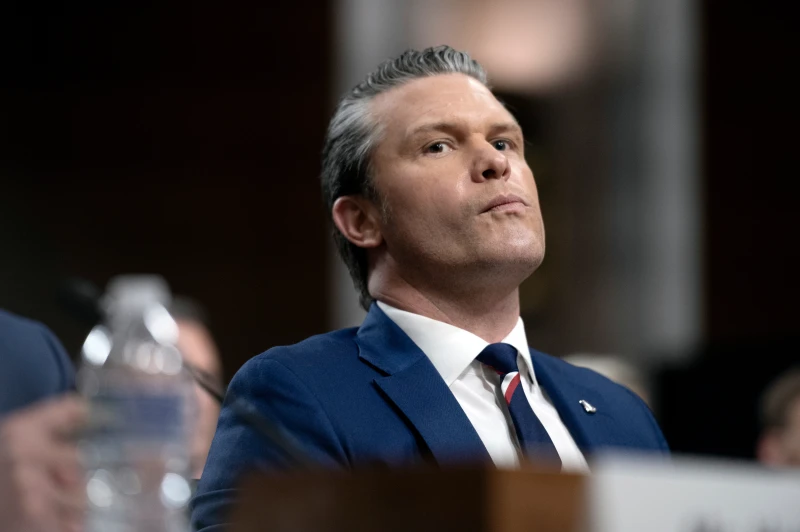
At the center of the hearings was the administration’s proposed 2027 defense budget, which would raise military spending to a record $1.5 trillion. Hegseth and senior Pentagon officials argued the increase is essential to modernizing U.S. forces, with a focus on advanced drones, missile defense systems, and naval expansion. They framed the budget as critical to maintaining military superiority in an increasingly volatile global landscape.
Republican lawmakers largely aligned with that message, backing both the funding increase and the broader strategy in Iran. However, Democrats used the hearings to question whether the war has delivered tangible results, pointing to its rising costs, strain on military resources, and mounting civilian casualties.
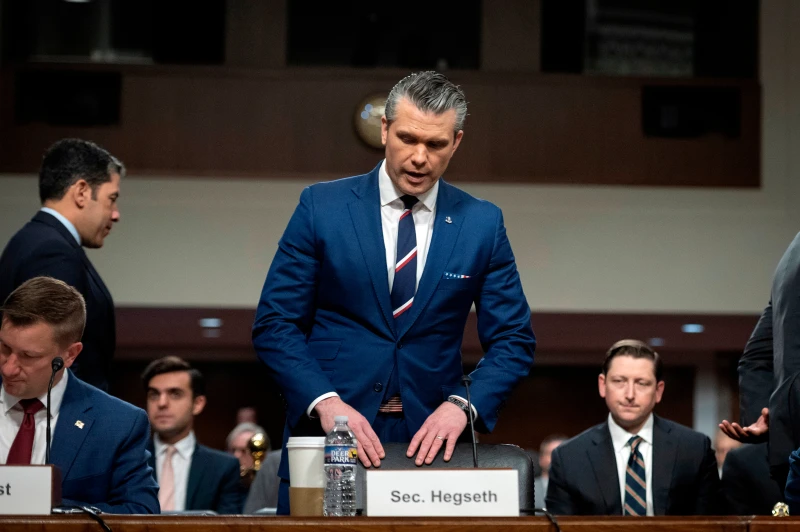
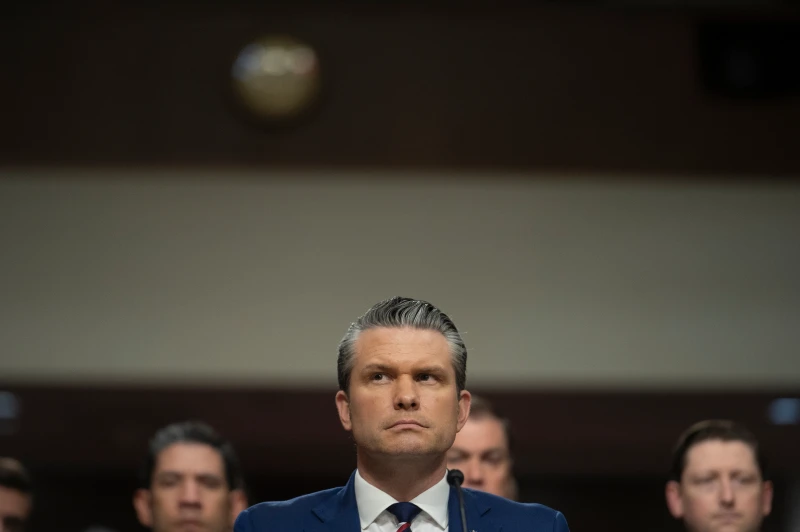
Hegseth struck a combative tone in his testimony, dismissing critics of the war as undermining national unity. He described the conflict as a decisive assertion of American strength, portraying it as a break from what he characterized as weaker policies of previous administrations. Yet even his remarks acknowledged that the war has lasted longer than initially projected, contradicting early expectations of a short campaign.
Democratic lawmakers pressed repeatedly for clarity on the administration’s objectives. Representative Ro Khanna sharply criticized the economic impact of the war, arguing that rising fuel prices and inflation are placing a heavy burden on American households. He accused the administration of failing to deliver on promises to stabilize costs and avoid prolonged foreign conflicts.
In the Senate, Jack Reed, the ranking Democrat on the Armed Services Committee, warned that the conflict may have weakened the United States strategically. He cited the continued closure of the Strait of Hormuz—a vital artery for global oil shipments—as evidence that the war has disrupted international markets without achieving decisive gains. Reed also pointed to ongoing Iranian military capabilities, including enriched uranium reserves and missile systems, as signs that the conflict remains at a stalemate.
The financial toll of the war drew significant attention. Pentagon officials told lawmakers that the campaign has already cost approximately $25 billion, primarily in munitions and operational expenses. However, many in Congress expressed skepticism that the figure reflects the full scope of spending, with some anticipating a much larger funding request in the near future.
Concerns about military readiness also surfaced. Lawmakers questioned whether sustained operations have depleted U.S. weapons stockpiles, particularly critical missile defense systems. Hegseth insisted that the military remains well-equipped but acknowledged the need to accelerate production. He attributed some supply challenges to longstanding issues in defense manufacturing and prior commitments, including U.S. support for Ukraine.
“On the munitions front, we’re in a strong position, but we need to move faster,” Hegseth told senators, emphasizing plans to expand production capacity and replenish inventories more rapidly.
The hearings also highlighted tensions over leadership changes within the Pentagon. Hegseth’s decision to remove Army Chief of Staff Randy George sparked bipartisan concern. Representative Chrissy Houlahan questioned the rationale behind the move, noting George’s strong reputation within both the military and Congress. Hegseth maintained that “new leadership” was necessary but provided little additional explanation, leaving some lawmakers dissatisfied.
Republican Senator Joni Ernst also voiced disappointment, highlighting George’s role in improving recruitment and modernizing the Army. His departure, she suggested, could disrupt progress made in addressing long-standing personnel challenges.
Another major point of contention was a controversial airstrike that struck an Iranian elementary school, killing more than 165 people, including many children. Lawmakers demanded accountability and sought assurances that steps are being taken to minimize civilian harm. Hegseth described the incident as tragic and said it remains under investigation, reiterating the Pentagon’s commitment to avoiding civilian casualties.
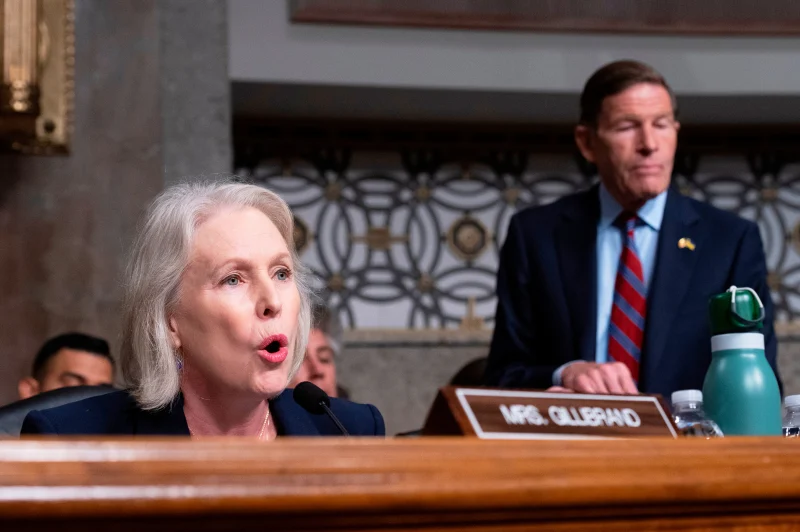
Senator Kirsten Gillibrand questioned whether recent policy decisions have weakened safeguards designed to prevent such outcomes. She pointed to reported reductions in oversight mechanisms aimed at limiting civilian harm. Hegseth responded by insisting that the U.S. maintains rigorous standards and does more than most nations to protect noncombatants.
Legal concerns surrounding the war also emerged during the hearings. The conflict is approaching a 60-day threshold under U.S. law that typically requires congressional authorization for continued military action. Hegseth argued that the presence of a fragile ceasefire effectively pauses that timeline, a claim that drew immediate pushback from Senator Tim Kaine, who warned that such an interpretation may not be legally sustainable.
As the hearings concluded, they underscored deep divisions in Washington over the war’s direction and consequences. While the administration and its allies frame the conflict as a necessary assertion of U.S. power, critics argue it has become an expensive and open-ended engagement with uncertain outcomes.
With rising economic pressures at home, ongoing instability abroad, and critical legal deadlines approaching, the debate over the war—and the broader trajectory of U.S. defense policy—appears far from settled.