
Clicxpost

Ukraine Energy Ceasefire: Zelenskyy Says No Deal Yet After Trump’s Claim

ukraine-energy-ceasefire

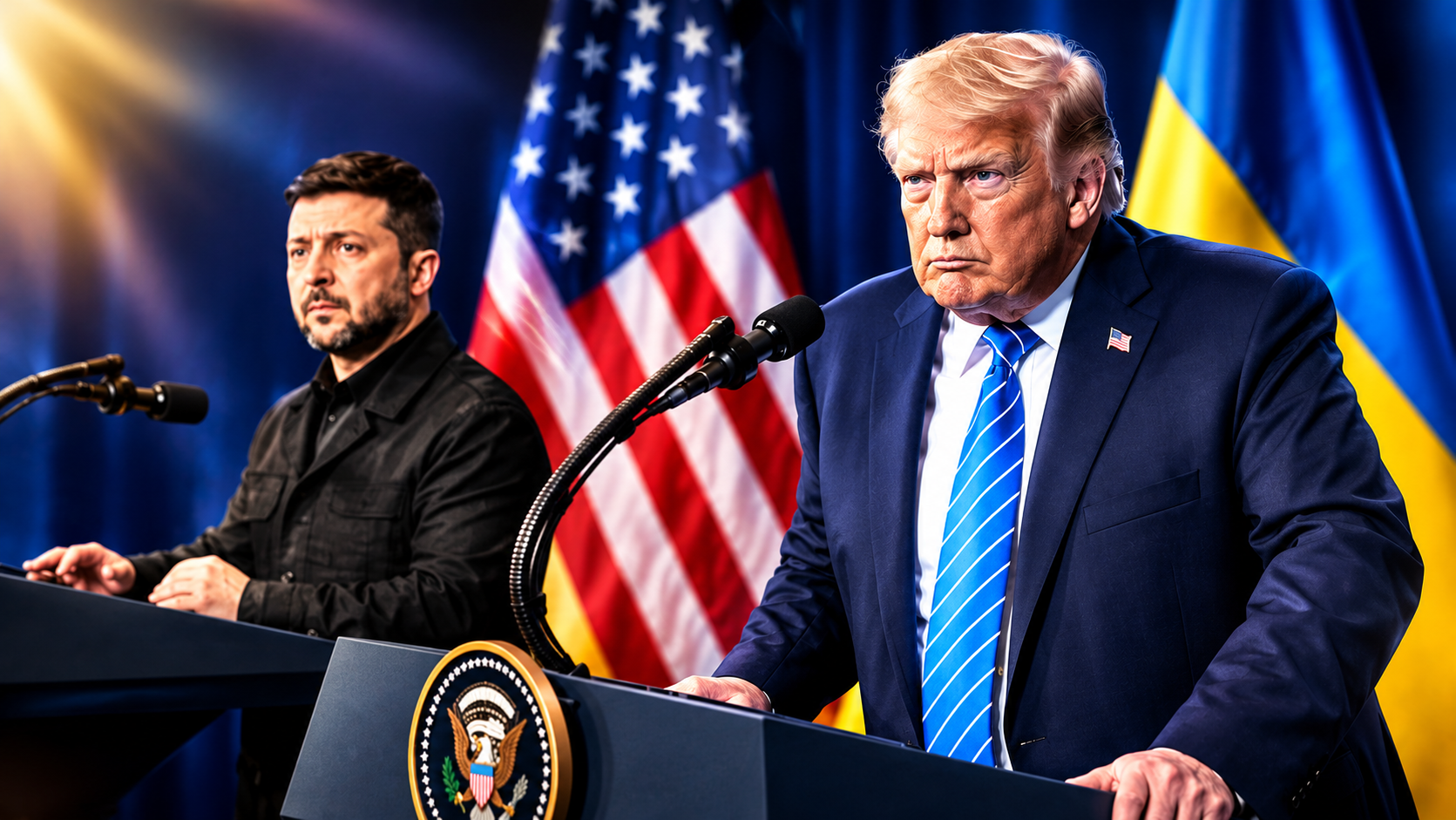
A fresh dispute has broken out over the state of a possible Ukraine energy ceasefire, after US President Donald Trump claimed that Russia and Ukraine had mutually agreed to stop striking each other’s energy infrastructure — a claim Ukrainian President Volodymyr Zelenskyy quickly disputed.
The disagreement, which surfaced on September 15, 2026, highlights just how far apart the two sides remain on the details of any energy truce, even as diesel prices climb and pressure mounts on all sides to find a way to de-escalate the war.

What Trump Claimed About the Ukraine Energy Ceasefire

On Monday, Trump posted on social media that Moscow and Kyiv had both agreed to halt strikes on energy infrastructure. He linked the announcement to the recent spike in diesel prices, arguing that the attacks — rather than broader instability tied to the war in Iran — were the real driver behind the surge.
Diesel prices in the US have climbed to record highs in recent weeks, and Trump appeared eager to frame a pause in energy strikes as a way to ease that pressure while also presenting it as a diplomatic win.

The claimed Ukraine energy ceasefire fits a broader pattern from the Trump administration, which has repeatedly floated ceasefire announcements and partial deals over the course of the war, not all of which have held up once Kyiv and Moscow weighed in independently.

Zelenskyy’s Response

Zelenskyy didn’t confirm Trump’s version of events. In a social media post, the Ukrainian president said no final deal had actually been reached, and laid out the condition under which Kyiv would actually agree to stand down: Russia would need to genuinely stop striking Ukraine’s electricity grid, other energy facilities, critical infrastructure, and food supply routes, with guarantees from Ukraine’s partners that this commitment would hold.

He was blunt about Kyiv’s underlying skepticism, writing that Ukraine remains unconvinced Russia is willing to abide by any agreement it signs. A Ukrainian official also pushed back directly on the idea that Moscow had signed off on anything, telling reporters that despite Trump’s assertion of a mutual agreement, Russia had not actually agreed to it.

That distinction matters. Trump’s post implied a done deal between the two warring parties. Zelenskyy’s response makes clear that, from Kyiv’s perspective, any Ukraine energy ceasefire is still very much a proposal on the table rather than an active agreement.

Markets Weren’t Convinced Either

Financial markets responded to the news of a possible Ukraine energy ceasefire with notable skepticism. Diesel futures initially ticked up on Trump’s announcement but pared those gains as the session went on in choppy trading, ultimately settling around 1% higher on the day — a muted reaction for what was billed, according to CNBC’s coverage of the claim, as a major diplomatic breakthrough. US retail diesel prices, meanwhile, remained at record highs.

Analysts were similarly cautious. Rachel Ziemba, an adjunct senior fellow at the Center for a New American Security, said she would put far more weight on confirmation directly from Ukraine and Russia than on Trump’s own characterization of the situation, as she told Energy Connects.

She also pointed out a practical wrinkle: even if strikes on refineries stopped, that alone might not be enough to meaningfully bring down prices if other bottlenecks, such as blocked Gulf shipping channels, remain in place. In other words, even a genuine ceasefire on energy strikes might not translate into the kind of quick price relief Trump’s announcement implied.

Why Energy Infrastructure Has Become a Flashpoint

To understand why this specific issue keeps resurfacing in ceasefire talks, it helps to look at how central energy infrastructure has become to the war itself. Russia has waged a sustained campaign against Ukraine’s power grid for years, targeting thermal power plants, substations, and district heating facilities, particularly ahead of winter months when the impact on civilians is most severe.

Ukraine, in turn, has shifted much of its own long-range strike strategy toward Russian oil refineries, storage terminals, and export infrastructure — aiming to squeeze the revenue that helps fund Moscow’s war effort.

Because both sides have leaned so heavily on energy strikes as tools of pressure, any Ukraine energy ceasefire covering energy infrastructure would represent a meaningful de-escalation — but it would also require both militaries to give up a strategy they’ve each found effective. That’s part of why previous energy-related truce attempts earlier in the war didn’t hold cleanly, with both sides accusing the other of violations shortly after announcements were made.

A Pattern of Disputed Ukraine Energy Ceasefire Claims

This isn’t the first time a Trump-announced ceasefire element has run into daylight between Washington’s framing and the reality on the ground. Earlier in the war, after Trump spoke separately with both Putin and Zelenskyy, the two sides appeared to align around a partial ceasefire covering energy and civilian infrastructure. Even then, the specifics were murky: US officials described the agreement in narrower terms than Zelenskyy did in his own public statements, and within days Ukraine was reporting fresh Russian strikes on its energy grid despite the supposed pause.

That earlier episode is a useful reminder that this current Ukraine energy ceasefire dispute fits a pattern — verbal agreements reached in phone calls or described secondhand by US officials have a track record of falling apart once both militaries are back in the field. It also explains why Zelenskyy, this time around, was quick to publicly clarify the terms rather than simply let Trump’s framing stand.

What Would a Real Ukraine Energy Ceasefire Take?

Based on Zelenskyy’s own statements, a credible Ukraine energy ceasefire would need to include a few key elements:

  • Verified reciprocity — not just an announcement, but confirmation from both Kyiv and Moscow that they’ve independently agreed to the same terms.
  • A broad definition of protected infrastructure — covering not just oil refineries but the electricity grid, other energy facilities, critical infrastructure, and food supply routes.
  •  Guarantees from Ukraine’s partners — some mechanism, likely involving the US or other allies, to hold Russia accountable if strikes resume.
  • A durable timeframe — given that past ceasefire attempts have collapsed within days, any new agreement would need enforcement mechanisms strong enough to survive early testing.

Until those pieces are in place, Ukrainian officials appear determined to treat any US-announced ceasefire as aspirational rather than operative.

How This Fits Into the Broader Peace Process

This dispute doesn’t exist in isolation — it’s the latest chapter in a peace process that has moved in fits and starts for much of the year. Trump has held multiple calls with both Putin and Zelenskyy, often describing each conversation as a step closer to a lasting resolution, while facilitating occasional prisoner exchanges and narrower agreements along the way.
But full ceasefire talks have repeatedly stalled over disagreements about territory, security guarantees, and — as with this Ukraine energy ceasefire dispute — the scope of what’s actually being agreed to.

Energy infrastructure sits at an unusual intersection in these talks. Unlike broader territorial or security questions, a mutual pause on energy strikes is, in theory, one of the more achievable steps toward de-escalation, since it doesn’t require either side to make concessions on the front line. That’s likely part of why it keeps resurfacing as a proposed starting point. But it also means any breakdown in an energy-specific truce carries outsized symbolic weight — if the two sides can’t hold even a narrow, mutually beneficial pause, it raises doubts about their ability to manage more complex parts of a broader deal.

The Bigger Picture

This latest dispute is less about a single miscommunication and more about the ongoing gap between how the Trump administration talks about progress toward peace and how that progress is actually experienced by Ukraine and Russia on the ground.

For Trump, framing the situation as a resolved deal serves an immediate political purpose — tying it to easing diesel prices and demonstrating diplomatic momentum. For Zelenskyy, publicly correcting the record is about protecting Ukraine’s negotiating position and making clear that any de-escalation is conditional, not automatic.

For now, the state of the Ukraine energy ceasefire remains unresolved. Strikes on both sides’ energy infrastructure have not stopped, markets are treating the announcement with caution, and the core disagreement — whether Russia has actually agreed to anything — remains unanswered. Whether this develops into an actual, verified pause in strikes, or fades the way earlier partial ceasefire claims have, will likely become clearer in the days ahead as both Kyiv and Moscow respond more formally.

Final Thoughts on the Ukraine Energy Ceasefire Dispute

The back-and-forth over this claimed Ukraine energy ceasefire underscores a recurring dynamic in the Russia-Ukraine peace process: announcements often move faster than actual agreements.
Until Russia confirms specific terms and Ukraine sees consistent follow-through on the ground, statements about ceasefires — however confidently made — are likely to be met with the same caution Zelenskyy and financial markets showed this week.


RECOMMENDED

UP NEXT

Saudi Arabia security alerts

Saudi Arabia Issues Security Alerts in Mecca and Jeddah as Iran-Aligned Attacks Escalate

  Saudi Arabia issued security alerts across a wide stretch of its territory on Tuesday, including in the holy city of Mecca and the kingdom’s second-largest city, Jeddah, following a week of intensifying attacks by Iran-aligned fighters that have pulled the kingdom further into the broader Middle East war. The alerts were lifted quickly, and Saudi authorities did not immediately confirm whether any incoming projectiles had actually landed. No group had claimed responsibility for the attacks as of Tuesday. Still, the warnings marked the widest-ranging alert issued since the conflict escalated last week, and the alarm sounded in Mecca was the first of its kind since the war began, striking at a city that houses shrines sacred to all Muslims worldwide. Houthi Attacks Intensify Across the Kingdom The Iran-aligned Houthi movement in Yemen has claimed a series of major attacks on Saudi Arabia over the past week, including a strike on a Saudi air base on Monday that the group said was carried out in retaliation for Saudi-led airstrikes on Yemen. The Saudi-led military coalition fighting the Houthis said 13 civilians were wounded in Monday’s attacks alone, underscoring the toll the escalating conflict is taking on civilian populations far from the original front lines. Saudi Arabia has pointed to a separate front as well, blaming a pro-Iranian movement based in Iraq for a Friday attack that knocked out one of the kingdom’s most critical pieces of oil infrastructure: the East-West Pipeline, which cuts across the Arabian desert. A New Front Strengthens Iran’s Position The emergence of this new theatre in the wider Middle East conflict has strengthened Iran’s position in its ongoing war with the United States, while further threatening global oil supplies at a moment of already heightened market anxiety. Officials from the Saudi-backed Yemeni government, based in the south of the country and opposed to the Houthis, said Saudi and Yemeni air forces have ramped up aerial bombardment of Houthi positions in response to the group’s advances, including strikes near the historic Red Sea port of Mocha, which Houthi fighters seized last week. Despite the intensified air campaign, Yemeni officials acknowledged that the Houthis now hold effective control over nearly the entire western coast of the country along the Red Sea. “The Houthis are being put under heavy pressure. They in turn are putting more and more pressure on the Saudis, increasing their campaign of missile and drone attacks,” one Yemeni official said, describing an escalating cycle of strikes and counterstrikes that shows no clear sign of slowing. The Houthi advance last week culminated in the seizure of an island at the mouth of the Red Sea, a strategically significant gain that has raised alarm among regional and international observers watching the group’s growing reach along one of the world’s busiest shipping corridors. Oil Markets Feel the Strain Saudi Arabia’s East-West Pipeline, stretching 1,200 kilometers (745 miles) and linking the kingdom’s Gulf oil fields to the Red Sea, has served as Riyadh’s principal export route while shipping through the Strait of Hormuz has remained disrupted throughout six months of war. Since the pipeline was shut down following Friday’s attack, traders say a prolonged closure could remove as much as 4% of global oil supply from the market, a figure large enough to move prices meaningfully on its own. Saudi authorities have not said when pipeline operations might resume. U.S. Energy Secretary Chris Wright, speaking on the sidelines of a G20 energy meeting in Houston, said Tuesday he expects the disruption “will be measured in days” rather than weeks. Wright added that Saudi Arabia is taking steps to move more oil through the Strait of Hormuz with assistance from the U.S. military, an effort to offset the pipeline’s closure. That workaround, however, faces its own complications. The Houthis’ expanding presence near the Bab el-Mandeb strait, sometimes called the “Gate of Tears,” at the mouth of the Red Sea threatens to jeopardize that alternate export route as well, potentially leaving Saudi Arabia with fewer safe corridors to move crude to international markets. Oil prices have climbed steadily since last week’s escalation, reaching levels not seen since May. Brent crude futures rose above $108 a barrel on Tuesday, while the politically sensitive average retail price of diesel in the United States hit a new all-time high of nearly $6.27 a gallon, a development likely to reverberate through household budgets and political debates in Washington regardless of the conflict’s outcome. The United Nations Security Council was scheduled to discuss the worsening crisis in the Bab el-Mandeb on Tuesday afternoon, according to two French diplomats, signaling growing international concern over the strait’s stability as a global shipping route. A Reignited Conflict After Years of Relative Calm Saudi Arabia has led a military coalition against the Houthis since 2015, in a conflict that had largely quieted under a ceasefire in recent years. Fighting reignited this month, with Houthi forces pushing back units aligned with Yemen’s internationally recognized government and rapidly expanding their territorial control along the western coast. The renewed conflict has placed the United States in a difficult position. Washington bombed Houthi targets for two months last year but now faces a choice between standing aside, risking further threats to the global economy, or offering more direct military support to Saudi Arabia and risking deeper involvement in another costly Middle East theatre at a time when American forces are already engaged elsewhere in the region’s war. Diplomatic Efforts Underway Saudi Crown Prince Mohammed bin Salman met with Egyptian President Abdel Fattah al-Sisi in Cairo on Tuesday, part of an apparent diplomatic push to address the widening crisis. A statement from the Egyptian presidency following the meeting said the two leaders stressed the need to ensure freedom and security of navigation through the Bab el-Mandeb and the Red Sea more broadly, reflecting shared concern over the economic and strategic stakes of continued instability in the waterway. The crown prince also met with the U.S. regional military commander, Admiral Brad Cooper, in Jeddah on Monday, and phoned President Donald Trump last week to request military support. So far, that support has been limited to intelligence assistance rather than direct military engagement, leaving Riyadh to manage the escalating threat largely on its own for now. What Comes Next With Houthi forces holding much of Yemen’s western coast and Saudi Arabia’s main oil export pipeline still offline, the coming days are likely to prove critical both militarily and economically. Saudi and Yemeni forces appear set to continue intensified air operations against Houthi positions, while attention will remain fixed on the East-West Pipeline’s expected reopening and whether the Bab el-Mandeb strait can remain viable as an alternate export route. The Security Council’s discussion Tuesday may signal whether the international community is prepared to take a more active diplomatic role in containing the conflict, even as Washington continues to weigh the risks of deeper military involvement.

Read More »
Aliko Dangote IPO

Dangote Launches Africa’s Biggest-Ever Share Sale With $2.1 Billion Refinery IPO

Nigerian billionaire Aliko Dangote launched Africa’s largest share sale to date on Monday, opening the initial public offering of his oil refinery to the general public in a bid to raise as much as $2.1 billion for the plant’s expansion. The offer marks a milestone moment for African capital markets and for Dangote himself, already the continent’s richest man. Dangote is selling a roughly 3% stake in the refinery and has framed the offer as a “people’s IPO,” pitching it as a chance for ordinary Nigerians to share directly in the success of one of the continent’s most significant industrial projects. Speaking at a Nigerian stock exchange event on Monday, Dangote said the goal of the share sale was to “democratise wealth creation.” A Refinery Riding Global Disruption The timing of the IPO comes as the refinery benefits from unusual market conditions. Supply disruptions tied to the ongoing Iran war have reshaped global fuel flows, and the plant has capitalized on the shift by selling jet fuel to western European countries that would otherwise have relied on different supply routes. That demand boost has strengthened the refinery’s commercial position heading into the public offering. Retail Investors Pay More Than Institutions Did While Dangote has emphasized broad public participation, the terms are not identical for all investors. Retail buyers in the IPO will pay a higher price than the institutional investors who took part in a private placement in July, which raised $2.5 billion for a 6% stake in the company. That earlier private placement valued the refinery at $40 billion. The current IPO pushes the valuation closer to $49 billion, according to the company’s prospectus, a notable jump in just two months. Refinery CEO David Bird told Reuters the discount offered to institutional investors in July reflected specific conditions those investors agreed to, including a lockup period restricting when they could sell their shares. Dangote has also said the United Arab Emirates’ state oil company ADNOC expressed interest in investing in the refinery alongside other parties, though he declined to provide further detail, citing non-disclosure agreements. The Africa Finance Corporation, one of the institutional backers from the private placement round, said the group of investors also included sovereign wealth funds and development finance institutions, underscoring the scale of international interest in the project even before the public offering opened. A Low Barrier to Entry One of the defining features of the IPO is its accessibility. If fully subscribed, the offer on Nigeria’s main stock exchange would raise 2.15 trillion naira, or roughly $1.6 billion. That figure could climb toward $2.1 billion if the offer is oversubscribed and the company opts to use a greenshoe option to issue additional shares. Individual investors can take part with a minimum purchase of just 10 shares, translating to an entry cost of about $4, a figure available to buyers through fintech platforms and other digital investment services. That threshold is notably low compared with past large Nigerian IPOs. When telecoms firm MTN Nigeria opened its offer to retail investors in 2021, the minimum investment stood at roughly $8 at the exchange rate of the time, nearly double what Dangote is asking. The low entry point appears to be driving strong demand. Nigerian investment app Bamboo said it was seeing significantly higher-than-usual traffic because of the IPO, to the point that some users were unable to log in. Chris Chijioke, a Lagos-based business owner, told Reuters he planned to buy 2,000 shares. He said he had reservations about the sale price but ultimately trusted Dangote’s track record enough to move forward with the purchase. Bigger Ambitions Beyond This Offering Dangote used Monday’s event to outline plans well beyond the refinery itself. He said he eventually intends to list every company within his broader business conglomerate, one of Africa’s largest industrial groups, with operations spanning cement, sugar and salt production. He also raised the possibility of a secondary listing for the oil refinery business in the United States within three to four years, a move that would extend the company’s reach into international capital markets. Reshaping Nigeria’s Fuel Market The refinery itself has already had a transformative effect on Nigeria’s economy since beginning operations in 2024. Built at a cost of about $20 billion on the outskirts of Lagos, the facility currently processes 700,000 barrels of crude per day, with a target of raising that to 1.4 million barrels by 2029. Analysts at Renaissance Capital Africa said in a note that the refinery has shifted Nigeria from a net importer to a net exporter of refined petroleum products, describing it as a “systemically important institution for the nation.” That shift marks a significant change for a country that had long depended on imported fuel despite being one of Africa’s largest crude oil producers, a contradiction that shaped Nigerian energy policy for decades before the refinery came online. A Symbol of African Self-Reliance Market watchers outside Nigeria have also taken note of the offering’s significance. Charles Robertson, head of macro strategy at FIM Partners, called the share sale a major event for Nigeria and a symbol of African self-reliance on the world stage. “Nigerian equities have boomed on the back of retail interest since 2024 and there’s evident excitement among domestic investors,” Robertson said, pointing to a broader pattern of growing local investor participation in the country’s stock market over the past two years. What Comes Next The success of the offering will be watched closely as a test of investor appetite, both domestic and international, for large-scale African industrial projects. With Dangote signaling plans to eventually list additional companies from his conglomerate and to explore a U.S. secondary listing for the refinery, the current IPO may prove to be the opening chapter in a much larger push to bring African industrial giants onto global capital markets. For now, the immediate focus remains on how much of the $2.1 billion target the offering ultimately raises once subscriptions close.

Read More »
Trump Supreme Court

Trump Lashes Out at His Own Supreme Court Appointees Over Mail-In Ballot Ruling

President Donald Trump attacked his own Supreme Court appointees on Tuesday, a day after the nation’s highest court blocked a U.S. Postal Service rule that would have restricted mail-in ballots ahead of the November midterm elections. The outburst marked the latest in a string of public criticisms Trump has leveled at the court following rulings that have gone against him. “This Supreme Court is bullied and cajoled by the Radical Left into making decisions that have set America back at least a hundred years,” Trump wrote on social media. Writing on Truth Social, Trump did not name any specific justices but made clear his frustration extended to the court as a whole, including the three justices he appointed during his first term. “These are not the people I interviewed to serve on the United States Supreme Court, they are merely a shell of their original selves,” he wrote. “It is a Court that will go down as having rendered some of the most destructive, hurtful, and damaging decisions in our Country’s history.” A Court Reshaped by Trump Himself The criticism is notable given that Trump built the court’s current conservative majority. During his first term, he appointed Neil Gorsuch, Brett Kavanaugh and Amy Coney Barrett, cementing a 6-3 conservative bloc that has steered the court rightward since 2020. That the president now regularly criticizes justices he selected underscores how personally he has taken a series of rulings that have not gone his way, even as the court has largely maintained a conservative tilt on most issues. The Ruling at the Center of the Dispute On Monday, the Supreme Court issued a brief, unsigned order preventing the Postal Service from implementing a rule restricting mail-in ballots, a format typical of how the court handles emergency requests. The regulation had been adopted at Trump’s direction and would have required states to submit voter-specific data and use agency-approved mail-ballot envelopes tracked by barcodes. Under the rule, the Postal Service could have refused to deliver ballots that failed to meet the new standards or that were linked to voters not appearing on approved lists. Critics of the measure warned it risked disrupting the delivery of large numbers of legitimate ballots as the November 3 election approaches, particularly with many states preparing to send mail ballots to eligible voters in the coming weeks. The Trump administration defended the rule as a safeguard against voter fraud, though evidence of such fraud in U.S. elections remains rare. Trump called the court’s decision a “horrible, highly political, ruling.” Only two conservative justices, Samuel Alito and Clarence Thomas, publicly dissented from the majority. Trump singled them out for praise, calling them “legends, both.” Attorney General Todd Blanche told reporters afterward that the administration would comply with the court’s decision, signaling that despite Trump’s public frustration, the ruling would stand and the disputed rule would not move forward as originally planned. Not the First Clash With His Own Appointees Tuesday’s outburst continues a pattern. In February, the Supreme Court struck down Trump’s sweeping global tariffs, ruling that he had imposed them illegally by invoking a law intended for national emergencies. In that 6-3 decision, both Gorsuch and Barrett sided with the majority against the administration, drawing some of Trump’s sharpest criticism yet. “I think it’s an embarrassment to their families, you wanna know the truth, the two of them,” Trump said at the time, speaking from a White House lectern. In his post on Tuesday, Trump revisited those grievances, referencing both the tariffs ruling and a separate decision in June that blocked his effort to restrict birthright citizenship. Taken together, the remarks suggest a president increasingly willing to publicly criticize the court’s conservative majority even when it includes justices he handpicked, particularly on cases touching immigration, trade and now election administration. Political Stakes of the Mail-In Ballot Fight The mail-in ballot rule sits at the center of a broader political battle as Republicans work to retain control of Congress in the midterms. Restricting mail-in voting would likely benefit Republicans, according to various surveys showing that Democratic voters disproportionately rely on mail ballots. That dynamic has made the issue a flashpoint well beyond the specifics of postal regulation. Trump signed the executive order targeting mail-in ballots in March, following years in which he repeatedly cast doubt on their security, despite having voted by mail himself on multiple occasions. He has also made false claims of widespread fraud in past U.S. elections, including his 2020 loss to former President Joe Biden, claims that have been repeatedly disproven by courts, state election officials and independent audits. “It is a big loss for Republicans, and America itself,” Trump wrote of Monday’s ruling. A Mixed Record on Election Cases The Supreme Court’s relationship with Trump’s political interests has not been one-directional. The court has issued several election-related rulings in recent months that have benefited Republicans, reinforcing the party’s view of the court as broadly sympathetic to its priorities. But last Thursday, the court blocked Missouri from using a redrawn congressional map that favored Republicans, a decision that dealt a setback to the party’s efforts to protect its narrow majority in the U.S. House of Representatives ahead of November’s elections. That mixed record complicates the narrative Trump has pushed in his social media posts. While he has portrayed the court as uniformly hostile to his agenda, its recent rulings show a more complicated picture, one in which the conservative majority has sided with Republican interests in some cases while rejecting administration positions in others, including the tariffs case, the birthright citizenship ruling and now the mail-in ballot rule. What Comes Next With the Postal Service rule blocked, states are expected to proceed with plans to distribute mail-in ballots without the tracking and eligibility requirements the administration had sought to impose. The Justice Department’s confirmation that it will comply with the ruling suggests no immediate legal escalation, though Trump’s public attacks on the court suggest the dispute is far from resolved politically. As the midterms approach, both parties are likely to keep close watch on further legal battles over redistricting, mail-in voting procedures and other election administration questions, with the Supreme Court positioned to remain a central and unpredictable player in shaping how the November elections unfold. Trump’s willingness to publicly criticize even his own appointees signals that further friction between the White House and the court is likely as more election-related cases reach the justices in the weeks ahead.

Read More »
Treasury bond yields

Bessent Blames “Global Issues” for Bond Yield Surge, Confirms Weekend Meeting With China’s He Lifeng

U.S. Treasury Secretary Scott Bessent said Tuesday that rising bond yields stem from “global issues,” pointing to worldwide market pressures rather than domestic policy as the driver behind the recent climb in borrowing costs. Bessent made the comment to reporters as he arrived for a House Financial Services Committee hearing on the international finance system. The secretary also confirmed he will meet with Chinese Vice Premier He Lifeng this weekend, setting the stage for a broader meeting between President Donald Trump and Chinese President Xi Jinping next week. Bessent told lawmakers the two leaders would continue discussions on Iran and on China’s financial links to Tehran, a relationship Washington has worked to sever as part of its effort to isolate Iran from Western financial systems. The war with Iran has now stretched into its seventh month. Hearing Turns to Markets, Iran and the Economy Though the hearing was formally focused on reforms to the International Monetary Fund and World Bank, lawmakers used the session to press Bessent on more immediate concerns, including financial market conditions, the broader economy and the administration’s sanctions campaign against Iran. The hearing opened with disruption. Several protesters rose one after another inside the room, calling for an end to sanctions on Iran and to the war itself. Security removed them, forcing Bessent to pause and restart his opening statement before the questioning began. Yields Hit Multi-Decade Highs The backdrop to the hearing was a sharp move in U.S. government debt markets. The 10-year Treasury yield climbed Tuesday to levels not seen since 2007, part of a broader bond selloff affecting most major economies. Bessent told the committee the increase reflects “the need to address the deficit,” among other factors. Analysts have linked the rise in U.S. yields to a mix of forces: higher oil prices, expectations that the Federal Reserve will raise its policy rate this week, growing competition for capital tied to AI-related spending, and mounting concern over the country’s fiscal trajectory. Buybacks Defended as a Success The yield increase has persisted despite the Treasury’s recent buybacks of longer-term debt, a strategy Bessent has previously described as a way to inject liquidity into the market and slow the rise in borrowing costs. Bessent told lawmakers the program worked and pointed to it as evidence of continued confidence in U.S. debt. “There is a counterfactual of what would it have done, and we then proceeded to have the two most successful Treasury auctions that we’ve had in 20 years,” Bessent told the hearing. “Since President Trump has come in, [the U.S. bond market] has been the best-performing bond market in the developed world.” Bessent also defended the Treasury’s joint currency intervention with Japan, telling the committee it was intended to signal U.S. support for Japanese economic policy. Inflation Fight Turns Political Democratic lawmakers used the hearing to question Bessent on the state of the economy and on inflation, tying both to the Iran conflict and the resulting rise in global oil prices. Bessent rejected the connection to current policy, instead placing blame for inflation on the Biden administration and arguing that Americans are better off under Trump. Lawmakers also asked Bessent whether Trump’s proposal to pay $5,000 to each American if Republicans retain their congressional majorities in the November election was a genuine plan. Bessent said he would work with House Speaker Mike Johnson to carry out the payments if congressional approval turned out to be necessary. Dollar Strength Tied to “Certainty” Bessent closed his testimony by linking the strength of the U.S. dollar to what he described as the administration’s credibility with markets. “A strong dollar is not a price on a screen; it is a set of behaviors, and what we have seen in this administration, where we are creating regulatory certainty, tax certainty, trade certainty and energy certainty that is bringing in trillions of dollars into the U.S.,” Bessent said. What Comes Next The weekend meeting between Bessent and He Lifeng is expected to shape the agenda for the Trump-Xi meeting the following week, with Iran sanctions and China’s financial ties to Tehran likely to remain central topics on both trade and security fronts. Beijing has repeatedly pushed back against Washington’s efforts to cut off its financial dealings with Tehran, arguing the restrictions overreach into its sovereign trade relationships, while U.S. officials maintain the measures are necessary to choke off funding for Iran’s war effort. Markets, meanwhile, will be watching the Federal Reserve’s policy decision later this week for further direction on where yields head next. A rate increase, as several analysts now expect, could add fresh pressure to a bond market already grappling with heavy government borrowing, competition for capital from the AI investment boom, and unresolved questions about the country’s long-term fiscal path. For now, Bessent’s message to lawmakers was one of confidence: that the dollar’s strength and the bond market’s recent performance reflect deliberate policy choices rather than warning signs.

Read More »
apple-ios-27-new-features

Apple iOS 27 New Features: 15 Amazing Upgrades You’ll Love in 2026

Apple iOS 27 new features are finally here, and this update is one of the most feature-packed releases in years. Released on September 14, 2026, for iPhone 11 and newer, iOS 27 brings a completely reimagined Siri, deeper Apple Intelligence integration, refined Liquid Glass controls, and a long list of quality-of-life improvements across the apps you use every day. If you’re wondering what all the buzz is about, this guide breaks down every major apple iOS 27 new feature so you know exactly what’s changed — and why it matters for your iPhone. What Are the Apple iOS 27 New Features? iOS 27 is Apple’s latest operating system update for the iPhone, first announced at WWDC in June 2026 alongside iPadOS 27, macOS Golden Gate, watchOS 27, visionOS 27, and tvOS 27. After a summer of public beta testing, it launched to everyone on September 14, 2026, right before Apple’s newest iPhone lineup hit shelves, as confirmed on Apple’s official iOS page. The update focuses on three big pillars: a smarter Siri, expanded Apple Intelligence features, and system-wide performance and usability improvements. It’s compatible with the same range of devices that supported iOS 26, so most users who upgraded last year will be able to install this one too. For the full list of supported devices and installation steps, see Apple’s official support page for iOS 27. Siri AI: The Star of the Show The single biggest change among the apple iOS 27 new features is the arrival of Siri AI — a ground-up rebuild of Apple’s voice assistant. This isn’t just a minor upgrade to the old Siri; it’s an entirely new architecture designed to be more conversational, more capable, and far more aware of your personal context. Siri AI can now understand information across your messages, emails, photos, and other content on your device, which means it can answer questions that require pulling together details from multiple apps. It can also look at what’s currently on your screen and answer questions about it, and it taps into broader web knowledge to give you up-to-date answers instead of the canned responses Siri was once known for. One of the most practical additions is the dedicated Siri app. Instead of Siri living only in the background, you now get a standalone app where you can start conversations, revisit past ones, and pick up right where you left off. Conversation history syncs privately across your Apple devices through iCloud, so a question you asked on your iPhone can be continued on your iPad or Mac. There’s also a new Siri mode inside the Camera app that brings Visual Intelligence into the viewfinder, letting you point your camera at something and ask Siri about it in real time. For writing, Write with Siri — another standout among iOS 27’s new features — helps you draft and revise text directly inside Messages and Mail, adapting to your personal writing style rather than sounding generic. It’s worth noting that some of the more advanced Siri capabilities, like custom Siri voices, are limited to newer hardware such as the iPhone 17 Pro, iPhone Air, and iPhone Duo, so not every feature will be available on older devices. Apple Intelligence Expands Across Your Favorite Apps Beyond Siri, Apple Intelligence has been woven more deeply into the apps you already rely on daily. Safari Gets Smarter Safari now organizes your open tabs into topics automatically, so browsing feels less cluttered. It can also monitor a webpage for changes through the improved Notify Me feature — useful for tracking a price drop or waiting for an item to come back in stock. Safari can even build simple browser extensions from natural-language descriptions, a feature that sounds small but could be genuinely useful for power users. Photos: A Standout Among the Apple iOS 27 New Features Photos gets some of the most visible upgrades in this release. A new Spatial Reframing tool lets you adjust a photo’s composition as if you had repositioned the camera after the fact. The Extend feature can expand an image beyond its original edges, filling in the extra space intelligently. Clean Up, the tool for removing unwanted objects from photos, has also been significantly improved to handle larger objects more convincingly. On top of that, Image Playground now supports more realistic, photorealistic image-generation styles. Messages, Mail, and Calendar Understand Context These apps can now understand what you’re describing and take action accordingly — for example, you can describe an event in natural language inside Calendar and have it created automatically, without manually filling in every field. Phone and Home Get AI Upgrades Too The Phone app introduces Call Context, which can understand what’s being discussed on a call and surface relevant information in real time, such as a confirmation code someone mentions. Even the Home app has picked up AI-driven upgrades, including activity notifications and the ability to search through camera clips using natural language — making it easier to find a specific moment from your security footage without scrubbing through hours of video. Liquid Glass Gets More Personal When Apple introduced the Liquid Glass design language in iOS 26, it was a dramatic visual shift. iOS 27 doesn’t replace that design but refines it based on user feedback. One of the most personal apple iOS 27 new features is a new slider in Settings that lets you adjust Liquid Glass anywhere from fully clear to fully tinted, giving you real control over how transparent the interface feels. Apple has also improved readability and contrast throughout the system, and refined how app icons and other UI elements appear, so the overall look feels more polished and less experimental than it did at launch. Performance Improvements You’ll Actually Notice Apple has put real effort into making iOS 27 feel faster, and reviewers have confirmed the difference is noticeable. According to Apple’s own testing, some everyday actions have gotten dramatically quicker — camera app launch times reportedly dropped from around 0.98 seconds in iOS 26 to just 0.65 seconds in iOS 27, and Maps launch times improved from roughly 3.01 seconds to 1.36 seconds. Beyond raw speed, the whole system feels smoother, with more fluid animations during app transitions, unlocking, and when navigating Control Center. AirDrop transfers are faster, new photos load into your library more quickly, and search across Spotlight, Mail, and Photos returns more relevant, comprehensive results than before. Apple has also introduced Connectivity Assist, which enables smoother handoffs between Wi-Fi and cellular networks so you’re less likely to notice a dropped connection when moving between them. Stronger Parental Controls and Child Safety For families, iOS 27 brings a redesigned Screen Time interface paired with new child-safety controls. These child-safety-focused apple iOS 27 new features give parents far more granular control than before. Parents can now set time allowances across specific app categories — like entertainment, games, and social media — rather than applying blanket restrictions. Apple has also improved the setup experience for creating a child’s account and strengthened communication safety protections, making it easier for parents to build an appropriate digital environment for younger users without needing to dig through complicated settings menus. More Apple iOS 27 New Features Worth Knowing About iOS 27 also includes a collection of smaller but genuinely useful changes: Accessibility: An improved Magnifier, expanded options for creating Genmoji, and more advanced Voice Control features. AirPods: Support for Custom EQ, letting you fine-tune audio output to your preference. Health app: New support for tracking perimenopause and menopause within Cycle Tracking. Alarms and Timers: Independent volume controls, separate from your general system volume. iCloud Shared Albums: Enhancements that make collaborative photo sharing smoother. Wallet and Passwords: Quality-of-life refinements that make everyday tasks like checking passes or managing saved logins a bit easier. It’s also worth mentioning that some of the more resource-intensive Apple Intelligence features, like image generation, come with daily usage limits on standard accounts, as noted in Apple’s official iOS 27 feature overview. Higher usage caps are reserved for paid iCloud+ subscribers, though notably this benefit excludes those on the entry-level 50GB storage tier. Should You Update to iOS 27? If you’re weighing whether the apple iOS 27 new features are worth the update, here’s the short answer: yes, for most users. The performance gains alone make everyday use feel noticeably snappier, and the improvements to Siri and Apple Intelligence genuinely change how useful your iPhone feels day to day rather than being surface-level additions. Families will appreciate the more thoughtful parental controls, and anyone who found Liquid Glass overwhelming in iOS 26 now has the tools to tone it down. As with any major software update, it’s a good idea to back up your iPhone before installing, especially if you rely on it heavily for work. But for most users, the combination of a smarter Siri, deeper Apple Intelligence features, and real performance improvements makes iOS 27 one of the more worthwhile updates Apple has shipped in recent memory. Final Thoughts on the Apple iOS 27 New Features The apple iOS 27 new features mark a genuine turning point for how AI integrates into the iPhone experience. Siri AI alone reshapes how you interact with your device, while the quieter improvements across Photos, Safari, Messages, and system performance add up to a release that feels thoughtful rather than gimmicky. Whether you’re most excited about a smarter assistant, sharper photo editing tools, or simply a faster iPhone, iOS 27 has something worth updating for.

Read More »
Houthi Red Sea Strait

Houthi Advance on Key Red Sea Strait Deepens Trump’s Middle East Crisis

A fast-moving Houthi offensive in Yemen has put the Iran-aligned militants within reach of controlling one of the world’s most critical oil shipping routes, adding a new layer of difficulty to President Donald Trump’s ongoing war with Iran, now in its seventh month. Houthi fighters have pushed south along Yemen’s coastline in recent days, expanding their reach toward the Bab el-Mandeb Strait, sometimes called the “Gate of Tears,” at the southern entrance to the Red Sea. Control of that passage would give Tehran leverage over both of the region’s major oil corridors at once. On Friday, Houthi forces reached the island of Perim, positioned in the middle of the strait between Yemen and the African coast. The advance is particularly troubling for Saudi Arabia, which has relied heavily on Red Sea ports to ship its oil since the war closed off much of the Strait of Hormuz on the other side of the Arabian Peninsula. A Setback for Trump’s Pressure Strategy The timing complicates matters further for Trump, who is already dealing with record-low approval ratings and looking for an exit from the broader conflict. He recently unveiled an economic pressure campaign meant to squeeze concessions out of Iran’s government. Rising U.S. gasoline prices tied to the war have put his Republican Party’s hold on Congress at risk ahead of the November midterm elections. Iran, despite sustaining serious military and economic damage, has shown no sign of backing down. “Just weeks ago, Trump adopted a strategy of squeezing Iran’s economy while keeping military conflict at levels too low to squeeze the American economy,” said Stephen Wertheim, a senior fellow at the Carnegie Endowment for International Peace. “The Houthis have shattered Trump’s plan.” Washington Weighs the Cost of Getting Involved The U.S. cannot easily accept a scenario where the Houthis shut down the strait, spiking energy prices and disrupting global trade. But taking direct military action against a group that has already outlasted attacks from both Saudi Arabia and the United States would pull American forces into a new and risky mission at a moment when the military is already committed to the fight with Iran. Saudi Crown Prince Mohammed bin Salman called Trump on Thursday to request U.S. military assistance against the Houthis, according to three sources who spoke with Reuters. The sources said Washington told him it would not intervene directly for now, offering intelligence support instead. Trump confirmed the call on Saturday. He said the Houthis had also reached out to his administration, asking that Washington stay out of the conflict directly. A senior Trump administration official would not answer specific questions about the situation but said the U.S. remains focused on protecting freedom of navigation in the Red Sea “while empowering our regional partners to take the lead in managing and resolving regional security challenges.” Saudi Arabia, Iran and the Houthis did not respond to requests for comment. Iran’s foreign ministry said Thursday that the conflict in Yemen cannot be resolved through blockades or military strikes against the Houthis and called instead for dialogue, without addressing Iran’s own involvement in the group’s operations. Two Choke Points Under Pressure Iran already retaliated against U.S. and Israeli strikes earlier this year by disrupting traffic through the Strait of Hormuz, a passage that once carried roughly a fifth of the world’s oil supply. If the Houthis succeed in closing the Bab el-Mandeb as well, that would threaten another 7 percent of global petroleum supplies and about 12 percent of global trade. “This was always the worst-case scenario, that the Iranians exert control not only of Strait of Hormuz but Bab el-Mandeb, two of the leading energy choke points in the world,” said David Schenker, who served as Assistant Secretary of State for Near East Affairs during Trump’s first term and now works at the Washington Institute for Near East Policy. “It’s an enormous amount of leverage that [the Iranians] have in hand,” Schenker said. Analysts and former officials say Trump faces a difficult decision: commit U.S. forces and limited air-defense munitions to repelling the Houthis, or leave the fight to Saudi Arabia and its allies, including a Yemeni government based in the south of the country. The Houthis have held Yemen’s capital for 12 years, surviving a Saudi-led military campaign that has failed to remove them from power. Ending an Existing Truce Would Carry Risks A U.S. move against the Houthis would also unravel an arrangement Trump reached last year, under which Washington agreed to stop bombing the group in exchange for an end to Houthi strikes on Red Sea shipping. Breaking that deal would likely expose American forces to missile fire from Yemen. It would also place additional strain on a U.S. military already stretched thin. Officials say confronting the Houthis would demand substantial naval and air resources, along with intelligence assets needed to track Houthi positions that have shifted considerably since last year’s ceasefire. A sustained campaign against Houthi drones and missiles could also draw down already limited U.S. stockpiles of munitions and air-defense interceptors. The senior administration official rejected the idea that resource constraints were a concern. “The United States Military has more than enough munitions, ammo, and stockpiles to serve all of the Commander-in-Chief’s strategic goals and beyond,” the official said. Tim Lenderking, who served as U.S. special envoy for Yemen under former President Joe Biden and now works as a principal at the law firm Squire Patton Boggs, said Trump’s reluctance to intervene militarily means Washington needs to increase intelligence sharing with Saudi Arabia’s air campaign and boost diplomatic and material support for Yemen’s internationally recognized government. “This administration came in asking the question, ‘What can Yemen do for us?’” Lenderking said during a webcast hosted by the Middle East Institute in Washington. “Well, Yemen can spoil our day.”

Read More »
Xi BRICS

Xi Urges BRICS to Push for Peace in Middle East During New Delhi Summit

Chinese President Xi Jinping called on the BRICS bloc to act as a peacemaker in the Middle East during an address to member countries gathered in New Delhi on Saturday. China will work alongside other BRICS members in that role, Xi said, because the ongoing war “does not serve the common interests of the international community.” State broadcaster CCTV carried the remarks. BRICS started in 2009 with five founding members: Brazil, Russia, India, China and South Africa. The group later added Egypt, Ethiopia, Indonesia, Iran and the United Arab Emirates. Its original goal was to offer developing nations a counterweight to a world order shaped largely by the United States and its Western allies. Today, BRICS members make up more than 40 percent of the world’s population and close to a quarter of the global economy. Xi Frames BRICS as a Global South Leader Xi described the bloc as a “leading group” within the Global South and pointed to it as an example of self-reliance for emerging and developing economies. He said the group should push harder toward innovation-driven growth. China will take over the BRICS chairmanship next year and host the 19th BRICS summit, CCTV reported. Xi and Modi Meet on Summit Sidelines Xi also met with Indian Prime Minister Narendra Modi during the summit. According to state news agency Xinhua, Xi told Modi that China views its relationship with India through a “strategic, long-term perspective.” Xinhua quoted Xi saying the two countries can learn from each other’s strengths and pursue shared development together. The meeting marked Xi’s first visit to India in seven years. Analysts say the trip may help move the diplomatic relationship between the two neighbors forward, though little evidence yet points to any real improvement in business ties between them. A Relationship Shaped by Old Tension China and India share a difficult history. The two countries fought a brief war in 1962, and that conflict has colored their relationship for decades since. Tensions flared again after a border skirmish in 2020 left 20 Indian soldiers and four Chinese soldiers dead. Despite that history, ties between the two countries have eased somewhat in recent years. Modi traveled to China last year, a visit that helped set the stage for warmer contact. Both nations are also navigating unpredictable relationships with Washington, which may be pushing them toward closer coordination with each other. BRICS Summit Continues Broader Diplomatic Push Xi’s remarks on the Middle East come as BRICS leaders work through a joint declaration during the New Delhi gathering. The bloc has increasingly positioned itself as a platform for countries outside the traditional Western alliance system to coordinate on global conflicts and economic policy. For China, the summit offers a chance to reinforce its role as a leading voice among developing nations while also managing a delicate bilateral relationship with India. The upcoming Chinese chairmanship of BRICS next year gives Beijing an opportunity to shape the bloc’s priorities directly, including how it approaches conflicts like the one in the Middle East. Whether BRICS can meaningfully influence the Middle East war remains an open question. The bloc includes Iran, one of the parties most directly affected by the conflict, alongside countries like Brazil and South Africa that have taken more distant diplomatic positions on the issue. Modi’s government, meanwhile, continues to balance its own relationships with the United States, Russia and China. The New Delhi summit puts that balancing act on public display, with Xi’s visit serving as one of the most closely watched moments of the gathering. No immediate details emerged on what concrete steps BRICS members might take toward peacemaking in the Middle East, or how member states with differing interests in the region might coordinate such an effort.

Read More »
Ukraine Ground Robot Army

Ukraine Builds Ground Robot Army to Cut Soldier Deaths as War Enters Fifth Year

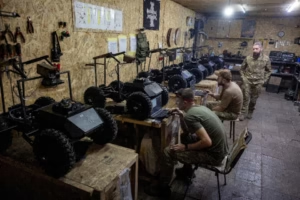
Ukrainian military mechanic “Chimera” spends his days in a small workshop near the front line in northeastern Ukraine, preparing four-wheeled robots for combat. His unit calls them “Hyenas.” Loaded with explosives, they roll toward Russian positions to hit dugouts or stop enemy advances before a single soldier steps into the open. Chimera, 44, asked to be identified only by his call sign. He said similar unmanned ground vehicles, or UGVs, have already forced Russian soldiers to surrender. “Imagine what 20 kilograms (44 pounds) of explosives is like: it’s very powerful,” he said. “Very powerful.” His workshop belongs to Ukraine’s Third Army Corps, one of dozens of similar operations that have opened along the 1,200-kilometer (745-mile) front line. Kyiv’s military, outnumbered by Russian infantry, is turning to robotics to close the gap in personnel five years into the war. A Weapon Built to Save Lives Unmanned ground vehicles now sit at the center of Ukraine’s plan to protect its troops. On a battlefield saturated with surveillance drones, exposed movement often draws immediate fire. Most Ukrainian brigades and regiments run dedicated unmanned systems units, and those units are adding ground vehicles to their existing drone fleets. Reuters visited NC13, a unit under the Third Army Corps that specializes in combat use of these machines, to see how the technology is changing how Ukraine fights on land. Inside the workshop, mechanics work on a mix of experimental designs. Some run on tracks, others on wheels. One carries a hose for putting out fires. Another holds a rack built to launch portable rockets. Brigadier General Andrii Biletskyi commands the Third Army Corps. He calls the shift toward UGVs the next major turn in the war, following the earlier rise of aerial drones. His corps, regarded as one of Ukraine’s strongest fighting forces, aims to replace about a third of its frontline infantry with machines by the end of the year. “The West slept through the (drone) revolution in many ways,” Biletskyi said. He added that infantry soldiers now handle only about 10 percent of the tasks they once did, before aerial threats made constant movement dangerous. “If the West really wants to not just keep up with the times, but to get slightly ahead, it needs to think about the next revolution,” he said. Machines on the Supply Line In Donetsk region’s so-called fortress belt, ground drones have become a regular sight, hauling ammunition and rations into besieged towns and carrying wounded soldiers out. Ukraine’s defence ministry said in June that these vehicles had completed more than 50,000 logistics and evacuation missions so far this year. At NC13’s command post, set up in a basement in Ukraine’s Kharkiv region, operators sit at rows of screens, controllers in hand, watching black-and-white video feeds from the field. The unit was formed last year. On one recent operation, an operator sprayed a tree line with a machinegun mounted on a UGV. Screens glow across the room, and chatter over Discord, the messaging app the team uses to coordinate, fills the air. Deputy commander “Bar” said the unit runs missions almost daily. In one operation, the team loaded three bombs onto a trailer, pulled it onto a bridge used by Russian forces for supply routes, and detonated it. In another, a UGV armed with a machinegun held off an infantry assault while kamikaze drones struck from above. “To me, it’s a wonderful recipe,” said Bar, 23, a former bartender, describing how ground and air drones now work together. He said at least two Russian soldiers have surrendered directly to NC13’s ground vehicles. The machines have real limits. They cannot climb over obstacles the way soldiers can, and they cannot clear a building or a trench. Ukraine also has not produced enough of them to deploy in the large numbers used for aerial drone swarms, Bar said. Even so, the vehicles have started taking over dangerous jobs once assigned to people. “They don’t need food, they don’t need water, they don’t need logs delivered to build shelters,” Bar said. “Basically, we don’t need to feel for them. It’s a hunk of iron sent to do the job we used to send soldiers to do.” A Shift in How Commanders Fight Biletskyi described ground drones as one part of a broader change in warfare, alongside the growing use of artificial intelligence to analyze battlefield data. He said the technology gives human commanders more room to focus on planning and judgment calls rather than direct exposure to risk. That shift could open the door to bolder battlefield decisions, ones that might have cost too many lives to attempt in the past. “War is a creative activity; it’s an art,” Biletskyi said. “Otherwise, a commander is not called a commander, but a butcher.” Ukraine’s former top general, Oleksandr Syrskyi, faced criticism from some service members who described his leadership style as rooted in Soviet-era tactics with a high tolerance for casualties. His successor, Mykhailo Drapatyi, is viewed by many in the military as more willing to protect troops, in part by pushing new technology like UGVs into wider use. Biletskyi himself was promoted last month, taking on a broader role helping oversee the defense of Ukraine’s Donetsk region. Bar, like most members of NC13, served as an infantryman earlier in the war and fought in some of its largest battles. He said the outcome for many of those he served alongside could have been different with today’s technology. If ground drones had existed back then, he said, “a great number of my friends would still be alive.”

Read More »
hezbollah-vs-hamas-differences

Hezbollah vs Hamas: 8 Key Differences Explained

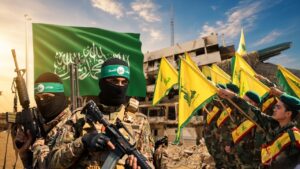
Hezbollah vs Hamas is a comparison that comes up constantly in Middle East coverage — if you’ve been following the news, you’ve probably heard the two names mentioned in the same breath, almost like they’re two branches of the same organization. They’re not. The Hezbollah vs Hamas comparison actually reveals two groups with different roots, different religious identities, and different playbooks, even though both end up on the same side of the fight against Israel. Hamas operates out of the Gaza Strip and grew from the Palestinian nationalist movement. Hezbollah is based in Lebanon and grew out of a very different set of circumstances tied to Iran’s Islamic Revolution. Both receive backing from Tehran, both are labeled terrorist organizations by the US and several Western governments, and both have fought bloody wars with Israel. But once you dig past the surface, the Hezbollah vs Hamas story splits into two separate paths worth understanding on their own terms. What Is Hamas? Hamas is short for Harakat al-Muqawama al-Islamiyya, which translates to the Islamic Resistance Movement. The group was founded in 1987 during the First Intifada, the Palestinian uprising against Israeli occupation, and it grew out of the Palestinian branch of the Muslim Brotherhood. Its founders, including Sheikh Ahmed Yassin, wanted an organization that mixed Islamist ideology with Palestinian nationalism. Hamas is a Sunni Muslim organization, and its founding charter called for the establishment of an Islamic state across historic Palestine. The group won legislative elections in 2006, then took full control of the Gaza Strip in 2007 after a violent split with its rival, Fatah, which continued running parts of the West Bank instead. From that point on, Hamas functioned as both a governing authority in Gaza and an armed resistance movement, with its military wing, the Izz ad-Din al-Qassam Brigades, carrying out attacks against Israel for decades. Leadership has shifted a lot in the past two years. Longtime political chief Ismail Haniyeh was assassinated in Tehran in mid-2024, and Yahya Sinwar, the architect of the October 7, 2023 attack, was killed by Israeli forces later that same year. Khalil al-Hayya now leads the group’s political bureau. Under the 2025 Gaza peace plan, Hamas formally stepped back from day-to-day civil administration of Gaza, though disputes over its disarmament continue to stall the next phase of that agreement. What Is Hezbollah? Hezbollah, which means “Party of God” in Arabic, formed in 1982 in the middle of the Lebanese Civil War, right after Israel invaded Lebanon to push out the Palestine Liberation Organization. Iran’s Revolutionary Guard Corps helped train, fund, and organize the new group almost from day one, and that relationship has never really loosened since. Unlike Hamas, Hezbollah is a Shia Muslim organization, drawing much of its support from Lebanon’s Shia population in the south of the country, the Bekaa Valley, and parts of Beirut. It describes itself as a resistance movement against Israeli occupation and Western influence in the region. Over the decades, though, Hezbollah built something far bigger than a militia. It runs hospitals, schools, and social services, and it holds seats in the Lebanese parliament, functioning as a genuine political powerbroker inside Lebanon’s government. Hassan Nasrallah led Hezbollah for 32 years and turned it into arguably the most capable non-state armed actor in the world. Israel killed Nasrallah in a September 2024 airstrike on Beirut, and Naim Qassem, his longtime deputy, took over as secretary-general shortly after. A ceasefire between Israel and Hezbollah took effect in late November 2024, though tensions along the border have flared repeatedly since. Hezbollah vs Hamas: How Are the Two Groups Different? The sectarian divide is the starting point of any Hezbollah vs Hamas comparison. Hamas follows Sunni Islam, while Hezbollah follows Shia Islam, and that split shapes almost everything else about the two groups, including their theological outlook and their patron-client relationship with Iran, a Shia-majority state. Geography matters just as much. Hamas is rooted in the Gaza Strip and the Palestinian cause specifically, aiming for Palestinian statehood and the end of Israeli control over Palestinian territory. Hezbollah, on the other hand, operates from Lebanon and frames its mission around resisting Western and Israeli influence across the whole region, not just the Palestinian issue. It rallied behind Hamas after October 7, but Hezbollah’s core purpose was never exclusively about Gaza. Their level of integration into formal politics also diverges quite a bit. Hezbollah holds a real, entrenched role inside Lebanon’s parliamentary system alongside its armed wing. Hamas briefly governed Gaza as a de facto authority, but it never operated as a conventional political party embedded in a functioning national government the way Hezbollah does in Lebanon. What Is the Relationship Between Hamas, Hezbollah, Iran, and Israel? Iran sits at the center of the Hezbollah vs Hamas relationship, though it holds the reins far more tightly with one group than the other. Hezbollah was essentially built by Iran’s Revolutionary Guard, and analysts widely describe it as the most loyal and controlled member of Iran’s so-called “Axis of Resistance,” a loose network that also includes Yemen’s Houthi movement and various Iraqi militias. Hezbollah’s weapons, training, and much of its funding trace directly back to Tehran. Hamas is different. Iran supplies money, weapons, and training, but Hamas is a Sunni group with its own independent leadership structure and its own decision-making process, so Tehran’s influence over Hamas is real but noticeably looser than its grip on Hezbollah. Both groups, though, share Israel as their primary adversary, and both have called for its destruction at various points in their history, even as their tactics and priorities diverge. Hamas and Hezbollah’s Military Capabilities This is where the gap in the Hezbollah vs Hamas comparison becomes obvious. Hezbollah fields what many analysts consider a small national army rather than a typical militia, with Nasrallah himself once claiming over 100,000 fighters. Its arsenal reportedly includes precision-guided missiles, Russian-made Yakhont and Chinese Silkworm anti-ship missiles with ranges stretching past 180 miles, and a substantial drone fleet used for both surveillance and strikes. Years of fighting alongside Iranian and Russian forces in Syria also gave Hezbollah fighters real battlefield experience. Hamas relies on a different approach. Its Qassam Brigades built an extensive underground tunnel network beneath Gaza, used for storing weapons, moving fighters, and sheltering hostages, alongside shorter-range rockets and small arms. Hamas leans heavily into asymmetric warfare and urban combat rather than the kind of longer-range precision arsenal Hezbollah has assembled. Israel’s military campaigns since 2023 and 2024 have degraded both groups’ capabilities substantially, killing senior commanders and destroying large stockpiles of weapons. A History of Hamas and Hezbollah’s Conflict With Israel Hezbollah’s most defining clash with Israel came in the 2006 Lebanon War, a 34-day conflict triggered by a cross-border raid that killed and captured Israeli soldiers. Hamas, meanwhile, has fought Israel repeatedly since taking control of Gaza, including major rounds of fighting in 2008-09, 2014, and 2021. Year Event 2006 Israel-Hezbollah war in Lebanon 2008-09 Israel-Hamas conflict (Gaza) 2014 50-day Gaza war Oct 2023 Hamas-led attack on southern Israel; Gaza war begins Sept-Nov 2024 Israel kills Nasrallah; Israel-Hezbollah ceasefire Oct 2024 Israel kills Yahya Sinwar Oct 2025 Gaza peace plan ceasefire takes effect 2026 Disarmament talks continue amid disputes Everything changed on October 7, 2023, when Hamas launched a coordinated assault on southern Israel, killing roughly 1,200 people and taking around 250 hostages back into Gaza. Israel’s retaliation turned into the deadliest war in the territory’s history. Hezbollah opened a second front along the Lebanese border soon after in solidarity with Hamas, which eventually escalated into a full Israeli ground and air campaign that killed Nasrallah and much of Hezbollah’s senior leadership by late 2024. A ceasefire with Hezbollah followed in November 2024, and a phased Gaza peace plan between Israel and Hamas took effect in October 2025, though disarmament remains a sticking point well into 2026. Why Hamas and Hezbollah Matter in the Wider Middle East Conflict Neither group operates in isolation. Both function as pieces of Iran’s broader regional strategy, which also leans on Yemen’s Houthis and various militias in Iraq and Syria to pressure Israel and US interests without Tehran directly entering a war itself. When Hamas and Hezbollah act together, or even just rhetorically support each other, the risk of a wider regional war involving Iran, Israel, and potentially the United States rises sharply. The Hezbollah vs Hamas dynamic also shapes Lebanese and Palestinian domestic politics far beyond the battlefield. Hezbollah’s grip on southern Lebanon complicates any lasting peace deal with Israel, and Hamas’s post-war role in Gaza’s governance remains a central unresolved question in the current ceasefire negotiations. Neither conflict can really be settled without addressing the other, which is part of why global powers keep treating them as connected crises rather than separate regional disputes. For background on how each group is officially classified, both are listed on the U.S. State Department’s Foreign Terrorist Organizations register, and independent backgrounders from the Council on Foreign Relations cover each group’s origins in more depth: U.S. State Department: Foreign Terrorist Organizations CFR Backgrounder: What Is Hamas? CFR Backgrounder: What Is Hezbollah? Hamas vs Hezbollah: Key Similarities and Differences Here’s the full Hezbollah vs Hamas comparison in one place: Category Hamas Hezbollah Founded 1987 1982 Sect Sunni Islam Shia Islam Base Gaza Strip Lebanon Iran relationship Backed, less controlled Backed, tightly controlled Political role Formerly governed Gaza Seats in Lebanese parliament Military style Tunnels, urban warfare Precision missiles, drones, larger force Current leader Khalil al-Hayya Naim Qassem Shared goal Opposing Israel Opposing Israel Frequently Asked Questions Are Hamas and Hezbollah the same organization? No. They’re separate groups with different founding histories, different religious sects, and different bases of operation, even though they share Iranian backing and hostility toward Israel. Does Iran control both groups equally? Not really. Iran built Hezbollah from the ground up and maintains close command over it, while Hamas receives Iranian support but keeps more independent decision-making. Which group is militarily stronger? Hezbollah generally fields a larger, better-armed force with longer-range missiles and more battlefield experience, though both groups have suffered major losses since 2023. Do Hamas and Hezbollah work together? They coordinate at times and share a common enemy in Israel, but they don’t operate under a single unified command, and each group sets its own strategy. What’s the current status of conflicts involving these groups? A ceasefire between Israel and Hezbollah has held since late 2024 with occasional flare-ups, while the Israel-Hamas ceasefire under the 2025 Gaza peace plan remains fragile, with disarmament negotiations still unresolved in 2026.

Read More »
US Canada trade war

US Bans Range of Canadian Products After Ottawa’s Retaliatory Tariffs Take Effect

  The United States will ban imports of several Canadian products, including alcoholic spirits, certain dairy goods and motorbikes, after Canada’s retaliatory tariffs on American goods took effect this week. President Donald Trump signed a series of executive orders Tuesday accusing Canada of “discriminating” against the US and outlined the new restrictions, which take effect September 29. Officials on both sides have said they want to reach a trade deal, but no new talks have been scheduled since negotiations broke down in late August. Canada’s trade minister, Dominic LeBlanc, called the latest US measures “unjustified” and said he would work to protect Canadian workers, families and businesses. “Our core focus is on what we can control: building strength at home, diversifying our partnerships abroad, and building Canada strong for all Canadians,” he said. LeBlanc added that he had reached out to his US counterpart and pledged to work “in good faith” to ease tensions. Earlier Tuesday, Canadian Prime Minister Mark Carney said in a video address that his country’s shift away from relying on the US as its largest trading partner “will come at a cost.” A Long-Running Trade Dispute The new US restrictions mark the latest escalation in a months-long trade war between the two countries, which have historically been close economic allies. More than two-thirds of Canada’s total exports go to the US. In 2025, Canada’s alcoholic spirits exports to the US were worth $687 million, dairy products totaled $269 million and motorbikes came to $90 million, according to UN data compiled by Trading Economics. Stephen Brown, chief North America economist at Capital Economics, said the ban covers just 0.25% of Canada’s exports to the US. “Nonetheless, Trump’s willingness to impose an import ban is further evidence, if it were needed, that these latest measures are about inflicting economic pain rather than raising revenue,” he said. Canada remains the second-largest trading partner of the US after Mexico, though its exports are less diversified than those of the US. Business owners on both sides of the border have said in recent months that they expect prices to rise and customer numbers to fall as the dispute continues. Last month, the White House imposed 50% tariffs on roughly $20 billion worth of Canadian goods after several rounds of negotiations collapsed. Those tariffs hit Canada’s furniture and wine industries along with some sporting and fishing equipment businesses. Canada responded with what Carney called “dollar-for-dollar” tariffs on US goods including steel, clothing and furniture. Canada’s counter-duties took effect after midnight Tuesday. The White House said Canada was discriminating against US businesses by restricting American goods while not applying the same restrictions to similar products from other countries. What’s Banned and What Costs More Some products, including whey and non-alcoholic beer, are banned from import entirely under the new orders. Tariffs have also been raised on other goods, including cheeses and cheese substitutes that were not covered by the outright bans, along with motorboats. Products banned outright include certain dairy items like whey, cane molasses, non-alcoholic beer, a range of wine, rum and vodka products, beer made from malt, and motorbikes including mopeds. Products facing higher import taxes include various types of cheese, raw hides and skins, paper, some furniture and mattresses, some metals including aluminum and iron, motorboats, golf carts, fishing rod parts and accessories, and switchboards. Washington has targeted “significant industries” for Canada, including its politically influential dairy sector, according to Scott French, an economics lecturer at the University of New South Wales in Australia. Trump has previously argued that Canada’s dairy system, which includes production quotas, set pricing and import limits on dairy, eggs and poultry, is unfair to American farmers. French said the new bans and tariffs will increase pressure on Canada’s leaders to make concessions to Trump’s demands. He said the trade war will prove “costly for both sides due to the historical level of integration of the North American economy,” and that consumers in both countries will end up as “the biggest losers.” On Monday, Trump signaled further trade restrictions could follow, warning Canadian aircraft manufacturer Bombardier that it would lose access to the US market unless it moved its manufacturing there. Trump has long argued that tariffs help correct trade imbalances between the US and its trading partners, though his broader tariff policies have strained relationships with several longtime US allies. Some Canadians have organized boycotts of US products, including alcohol, which have disappeared from some store shelves since Trump’s global tariff campaign began last year. Deborah Elms, a trade expert at the Hinrich Foundation, told the BBC the import ban could have a “strong” impact on individual Canadian businesses that sell to US buyers, though early estimates suggest a “modest impact” affecting around $1 billion worth of goods overall. She said Canada will likely “hold course for now” and adjust its business support measures in response to the latest US actions. “The bigger question is what it will take for the two sides to sit back down together,” Elms said. “The language in these proclamations, as an example, isn’t helpful in getting to the negotiating table.” Carney addressed the cost of Canada’s response as its counter-tariffs took effect Tuesday. “There’s always a cost to action,” he said. “But it doesn’t come close to the cost of standing still.” The dispute between the two countries has extended beyond trade in recent weeks. In August, Trump ordered that Lake Ontario be renamed Lake America, a move that drew objections from Canadians and some Americans alike.

Read More »
Scroll to Top