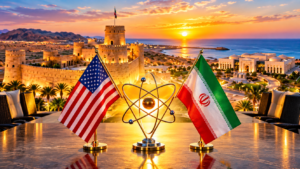


After months of conflict, rising tensions, and fears of a wider regional war, the United States and Iran appear to be moving closer to a diplomatic breakthrough that could bring an end to their prolonged confrontation.
Officials from both countries signaled on Friday that negotiations have made significant progress, with a senior U.S. administration official revealing that a draft agreement is now in place and has received a generally positive response from both sides. Meanwhile, Iranian officials confirmed that the proposed deal is being reviewed by the country’s top decision-making bodies before a final decision is made.
The latest developments have raised hopes that diplomacy may finally succeed where military pressure and months of indirect negotiations have struggled.
Pakistan Emerges as Key Mediator
Pakistan, which has quietly played an increasingly important role in facilitating dialogue between Washington and Tehran, announced that negotiators had reached what it described as a final text for a potential peace agreement.
Prime Minister Shehbaz Sharif said Islamabad is now working closely with both governments to determine the next steps needed to formalize the deal.
For weeks, Pakistan has been involved in back-channel diplomatic efforts aimed at narrowing differences between the two sides and preventing further escalation in the Gulf region. Analysts say its role has become increasingly important as direct communication between the United States and Iran remains limited.
The announcement from Islamabad is being viewed as one of the strongest indications yet that negotiations have reached an advanced stage.
What Is in the Proposed Deal?
Although neither Washington nor Tehran has officially released the full contents of the draft agreement, reports from diplomatic sources suggest that the proposed framework addresses several major issues that have fueled tensions during the conflict.
Among the key elements reportedly under discussion are the reopening of the Strait of Hormuz, sanctions relief for Iran, and measures concerning Tehran’s nuclear activities.
The Strait of Hormuz remains one of the most critical issues in the negotiations. The narrow waterway serves as a major route for global energy supplies, carrying a significant share of the world’s oil and liquefied natural gas exports.
Its disruption during the conflict contributed to higher energy prices and increased concerns about global inflation and economic instability.
Diplomatic sources say reopening the vital shipping corridor is one of the central objectives of the agreement.
Questions Raised Over Concessions

As details of the proposed agreement began to emerge, debate quickly followed.
Reports from Western, Pakistani, and Iranian sources suggest that the framework could provide Tehran with several of the concessions it has long sought, including substantial sanctions relief and access to economic benefits that have been restricted for years.
Those reports have sparked criticism among some observers who argue that the agreement appears to favor Iran.
President Donald Trump appeared to reject that characterization, dismissing leaked accounts of the negotiations as inaccurate.
The White House insists the deal contains important safeguards designed to protect American interests and prevent future security threats.
Washington Defends the Negotiations
A senior U.S. official sought to reassure critics by emphasizing that the proposed agreement includes strict conditions and clear expectations for Iran.
According to the official, the framework contains detailed provisions regarding the reopening of the Strait of Hormuz and measures related to Iran’s enriched nuclear material.
The official also stressed that sanctions relief would not be granted automatically. Instead, economic incentives would be tied to Iran’s compliance with the terms of the agreement.
That approach, administration officials say, is intended to ensure accountability and avoid the problems that affected previous diplomatic arrangements between the two countries.
Tehran Weighs Its Options
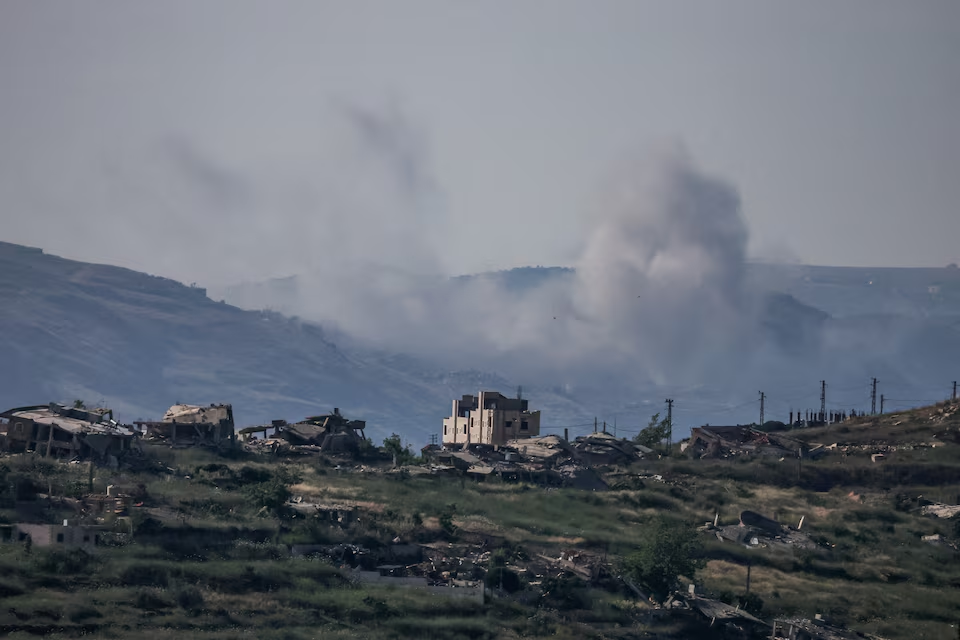
In Iran, political leaders are carefully reviewing the draft agreement before making a final decision.
Government officials have indicated that discussions are taking place at the highest levels of leadership, reflecting the significance of any potential deal with Washington.
Iran has consistently maintained that any agreement must provide meaningful sanctions relief and recognize its economic interests. At the same time, leaders in Tehran face domestic political pressure from factions that remain skeptical of negotiations with the United States.
Analysts believe Iranian officials are balancing potential economic gains against political concerns about appearing to compromise too much.
Global Markets Watching Closely
The possibility of a peace agreement is being closely monitored by investors and energy markets around the world.
A successful deal could help stabilize oil prices, restore confidence in global shipping routes, and ease concerns about supply disruptions that have affected international markets throughout the conflict.
Business leaders and economists have repeatedly warned that prolonged instability in the Gulf region could have far-reaching consequences for global trade and economic growth.
Any agreement that restores normal maritime traffic through the Strait of Hormuz would likely be welcomed by energy producers, importers, and financial markets alike.
A Potential Turning Point

While important hurdles remain before any agreement is officially signed, the latest signals from Washington, Tehran, and Islamabad suggest that diplomacy may finally be gaining momentum.
The conflict has already reshaped regional politics, disrupted global markets, and heightened security concerns far beyond the Middle East. A negotiated settlement would mark a significant shift away from confrontation and toward a more stable diplomatic path.
For now, officials on all sides appear focused on finalizing the details and securing political approval. If successful, the agreement could represent the most important breakthrough in U.S.-Iran relations in years and potentially open the door to broader regional stability.
After months of uncertainty and conflict, hopes for peace are beginning to look more realistic than they have at any point since the crisis began.