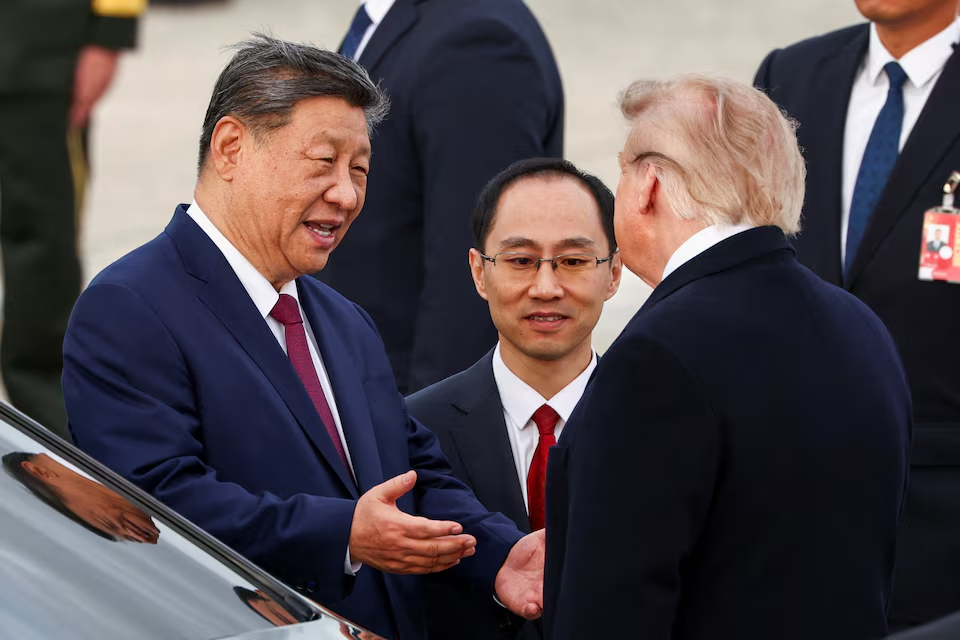

U.S. President Donald Trump has claimed that indirect communications with the Lebanese militant group Hezbollah have resulted in a commitment to cease attacks against Israel, marking a potentially significant development in efforts to reduce tensions along the Israel-Lebanon border.
In a statement shared on social media Monday, Trump said discussions conducted through intermediaries led to assurances from Hezbollah that hostilities would stop. He also stated that separate conversations with Israeli Prime Minister Benjamin Netanyahu had resulted in Israel agreeing to halt planned military operations targeting southern Lebanon.
The remarks come amid growing international concern over the widening regional fallout from the ongoing conflict involving Iran and its allies, which has fueled instability across the Middle East in recent months.
Unprecedented Claim Involving Hezbollah
If confirmed, the development would represent a highly unusual diplomatic episode. The United States has long designated Hezbollah as a terrorist organization and has maintained a policy of avoiding direct engagement with the group.
Trump did not provide details about the intermediaries involved or the specific terms discussed during the reported communications. However, he characterized the exchanges as productive and suggested they had contributed to reducing the immediate risk of escalation.
According to his statement, Israel agreed to halt troop movements toward areas near Beirut, while Hezbollah signaled a willingness to stop rocket and drone attacks directed at northern Israel.
Neither Hezbollah nor Israeli officials immediately released detailed public statements confirming Trump’s characterization of the discussions.
Lebanese Officials Describe Conditions for De-escalation
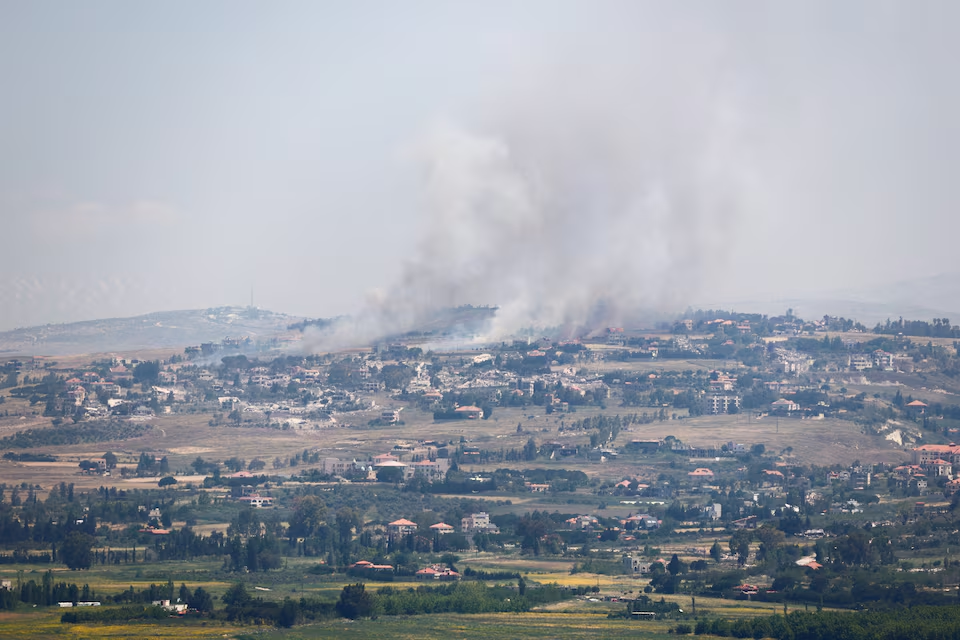
Sources familiar with the matter in Lebanon indicated that discussions may have been facilitated through senior Lebanese political figures.
According to Lebanese officials, Hezbollah reportedly communicated through parliamentary channels that it would consider suspending attacks on Israeli territory if Israel refrained from expanding military operations into Beirut and surrounding suburbs.
The reported message reflects growing pressure within Lebanon to prevent a broader war that could further devastate the country’s economy and infrastructure.
Political leaders in Beirut have repeatedly called for restraint as civilian communities continue to bear the consequences of cross-border fighting.
Conflict Has Displaced More Than One Million People
The violence along the Israel-Lebanon frontier has become one of the most significant regional spillovers linked to the wider confrontation involving Iran.
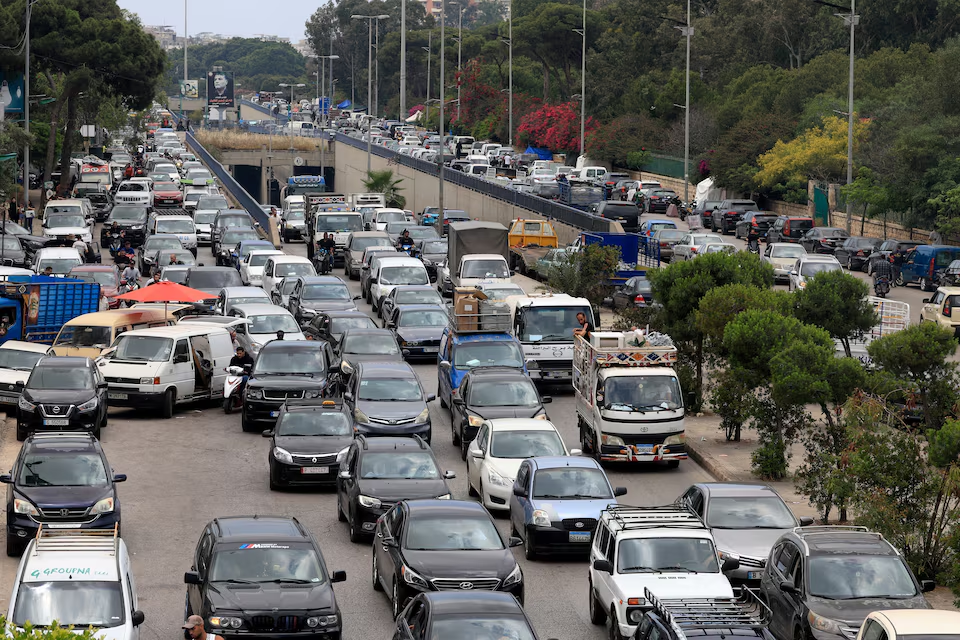
Since fighting intensified earlier this year, Israeli airstrikes and evacuation orders have forced large numbers of Lebanese residents to flee their homes. Humanitarian organizations estimate that more than one million people have been displaced, creating severe challenges for local authorities and aid agencies.
Communities across southern Lebanon have experienced repeated air raids, infrastructure damage, and disruptions to essential services. Schools, businesses, and public facilities have also faced prolonged closures in several affected areas.
The humanitarian impact has prompted international calls for renewed diplomatic efforts aimed at preventing a full-scale war between Israel and Hezbollah.
Military Operations Continue Along Border Areas
Despite signs of diplomatic engagement, military activity has continued in parts of southern Lebanon.
Israeli forces recently reported advances in strategically important areas near the border, including the capture of elevated positions overlooking key routes used by militant groups.
Military analysts note that control of high-ground locations provides tactical advantages for surveillance and defensive operations, making such positions highly contested during periods of conflict.
The latest developments followed one of the most intense periods of Hezbollah rocket and drone activity since a previous ceasefire arrangement was reached earlier in the year.
The increased attacks prompted security alerts across northern Israel, leading local authorities to suspend classes in some communities and implement emergency restrictions.
Regional Stability Remains Fragile

While the reported understanding between Hezbollah and Israel may reduce immediate tensions, experts caution that the broader regional situation remains highly volatile.
The conflict involving Iran, Israel, and allied groups continues to influence security calculations across the Middle East. Any breakdown in negotiations or military incidents could quickly reignite hostilities.
Diplomatic observers note that ceasefires and informal understandings in the region often face significant challenges due to competing political interests, security concerns, and ongoing military operations.
The involvement of multiple regional actors further complicates efforts to achieve lasting stability.
International Community Watches Closely
Governments and international organizations are closely monitoring developments, viewing any reduction in violence as an opportunity to pursue broader diplomatic solutions.
The United Nations and several regional powers have repeatedly urged all parties to avoid actions that could trigger a wider conflict. Humanitarian agencies have also emphasized the need for sustained calm to allow displaced civilians to return home and for aid deliveries to reach affected communities.
Analysts argue that even a temporary halt in hostilities could provide critical breathing space for negotiations and reduce the risk of further civilian suffering.
Uncertainty Over Long-Term Outcomes
Despite optimistic statements from political leaders, significant questions remain about whether the reported commitments can be translated into a durable ceasefire.
Previous agreements between regional actors have often collapsed under the pressure of renewed violence or shifting political circumstances. As a result, many observers remain cautious about predicting a lasting breakthrough.
For now, however, Trump’s announcement has raised hopes that diplomatic channels remain open and that both sides may be seeking ways to avoid a deeper and more destructive conflict.
Whether these efforts lead to a sustainable reduction in violence will likely depend on continued negotiations, restraint from military forces, and the willingness of all parties to prioritize stability over confrontation.
As the situation evolves, regional leaders, international mediators, and affected communities will be watching closely for signs that the reported understanding can help pave the way toward a more lasting peace along one of the Middle East’s most volatile frontiers.