
The United States has signaled that it remains prepared to resume military operations against Iran if ongoing diplomatic efforts fail to produce a lasting agreement, underscoring the fragile state of negotiations aimed at ending months of conflict in the Middle East.
Speaking at the Shangri-La Dialogue security summit in Singapore on Saturday, U.S. Defense Secretary Pete Hegseth said Washington possesses the capability and willingness to restart military action if circumstances require it.
“Our ability to act again, if necessary, remains intact,” Hegseth told delegates attending Asia’s leading defense and security forum. “The United States has the means, the resources, and the resolve to protect its interests and those of its allies.”
His remarks come at a critical moment as negotiators from Washington and Tehran continue efforts to overcome significant disagreements that have stalled progress toward a comprehensive peace agreement.
Diplomatic Efforts Continue Amid Lingering Tensions
While military rhetoric remains part of the conversation, the administration of President Donald Trump continues to emphasize that diplomacy remains its preferred path forward.
According to U.S. officials, negotiators are attempting to extend an existing truce established earlier this year following a devastating conflict that erupted on February 28. The proposed arrangement would reportedly prolong the ceasefire for an additional 60 days, providing both sides with more time to negotiate a broader settlement.
President Trump indicated on Friday that he would soon convene senior advisers in a secure White House meeting to evaluate the latest proposal and determine Washington’s next steps.
The president has repeatedly stated that any final agreement must guarantee that Iran is prevented from acquiring a nuclear weapon, a position that remains at the center of U.S. policy.
Hegseth echoed that stance during his Singapore appearance, describing Trump as patient but firm.
“The president wants a strong and lasting agreement,” he said. “But that agreement must address the core security concerns that brought us to this point.”
Conflict Leaves Lasting Human and Economic Damage
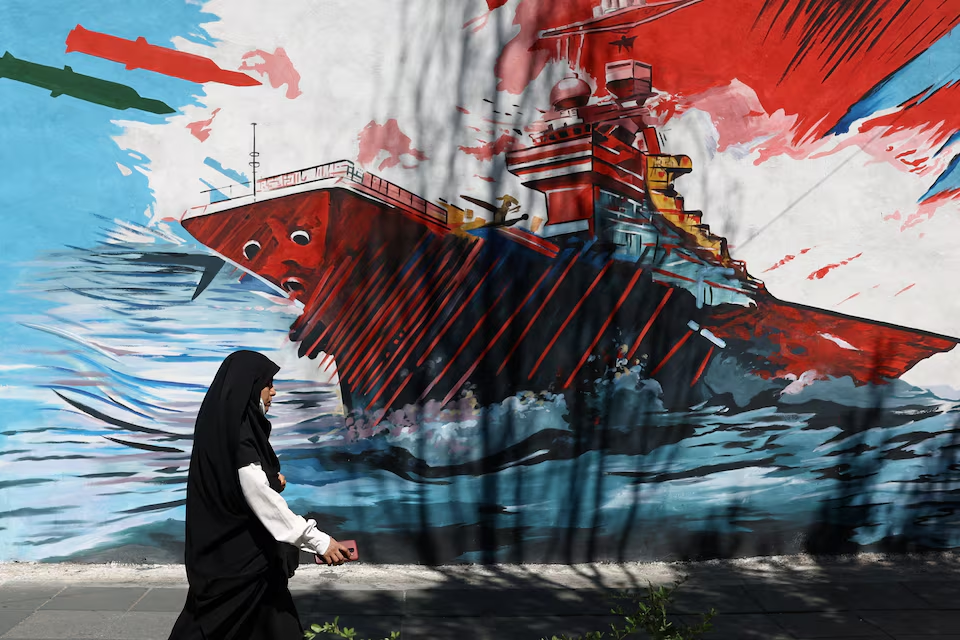
The war between Iran, Israel, and the United States has left deep scars across the region.
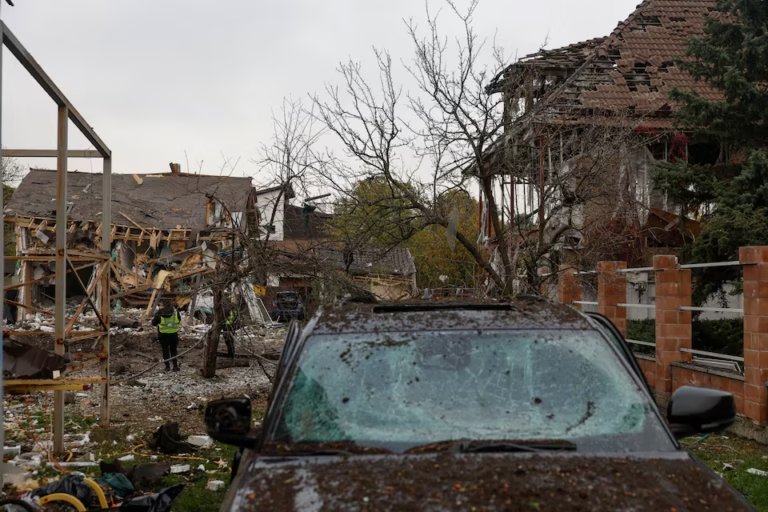
Since hostilities began earlier this year, thousands of people have reportedly been killed or injured, with significant casualties recorded in Iran and neighboring Lebanon. Critical infrastructure has suffered extensive damage, while displacement and humanitarian concerns continue to challenge regional governments.
Beyond the human toll, the conflict has generated significant economic consequences worldwide.
Global energy markets experienced major disruptions after Iran effectively restricted movement through the Strait of Hormuz, one of the world’s most strategically important shipping routes. The narrow waterway handles a substantial portion of global oil and liquefied natural gas exports, making any interruption a source of concern for international markets.
The resulting spike in energy prices contributed to inflationary pressures in numerous countries, affecting consumers and businesses alike.
Analysts note that stabilizing the region remains essential not only for Middle Eastern security but also for broader global economic recovery.
Pentagon Rejects Claims of Strategic Distraction
Hegseth also used his remarks to counter suggestions that the conflict with Iran has diverted U.S. attention from the Indo-Pacific region, where Washington views China’s growing military influence as a long-term strategic challenge.
Addressing defense officials and military leaders from across Asia, he stressed that the United States is capable of managing multiple security priorities simultaneously.
“We have not abandoned the Indo-Pacific,” Hegseth said. “The United States remains fully committed to maintaining stability, supporting allies, and preserving freedom of navigation throughout the region.”
The Defense Secretary emphasized that the Pentagon is investing heavily in expanding America’s military production capabilities to meet increasing global security demands.
According to Hegseth, efforts are underway to significantly boost the production of missiles, precision-guided weapons, and other critical defense systems.
“We are accelerating our defense industrial capacity,” he explained. “Production levels are increasing rapidly to ensure our military remains prepared for any contingency around the world.”
Regional Allies Closely Watching Negotiations

Governments across the Middle East and Asia are closely monitoring developments, aware that the outcome of the negotiations could shape regional security for years to come.
Many U.S. allies have expressed support for diplomatic efforts while urging both Washington and Tehran to avoid actions that could reignite large-scale hostilities.
Security experts warn that even a limited military escalation could have consequences far beyond the immediate region, affecting global trade routes, energy supplies, and financial markets.
The stakes are particularly high because the conflict involves multiple actors with competing interests, including Iran, Israel, Gulf Arab states, and major world powers.
As a result, any final agreement will likely require complex compromises on security arrangements, military deployments, sanctions relief, and nuclear oversight.
Major Obstacles Still Remain
Despite reports of progress in certain areas, significant differences continue to separate the two sides.
Iran has repeatedly demanded stronger guarantees regarding sanctions relief and security assurances, while U.S. officials insist that strict verification measures and limitations on Iran’s military capabilities remain essential components of any deal.
Diplomatic sources suggest negotiators have narrowed some gaps but acknowledge that several of the most contentious issues remain unresolved.
Experts caution that reaching a comprehensive agreement will require political will from both governments at a time when domestic pressures are mounting in Washington and Tehran.
The upcoming White House review of the latest proposal could therefore prove decisive in determining whether negotiations move forward or whether tensions return to the battlefield.
Uncertain Path Ahead
For now, diplomacy remains alive, but military options have not been removed from consideration.
The Trump administration continues to present a dual-track approach—pursuing negotiations while maintaining pressure on Iran through military preparedness and strategic deterrence.
As discussions continue behind closed doors, the coming days may determine whether the region moves closer to a lasting peace or faces renewed confrontation.
With global markets, regional allies, and millions affected by the conflict watching closely, the outcome of the talks could have consequences that extend far beyond the Middle East.