
U.S. President Donald Trump claimed Tuesday that there were no conversations underway or planned with Iran, contradicting more upbeat signals from members of his own government and highlighting the tremendous ambiguity surrounding efforts to end the dispute.
Trump said the strategically important Strait of Hormuz was open and operational but that a U.S. Navy blockade was still in place. But Iranian authorities presented a starkly different version, saying the waterway would remain shut until Washington honored terms Tehran alleges were included in a temporary deal struck in June.
The dueling claims came after a 60-day diplomatic window opened by the US-Iran pact ended Monday without a meaningful conclusion. The collapse has fueled new worries over oil supply, inflation and the potential for a renewed military escalation.
Diplomacy Has Stalled, Says Trump
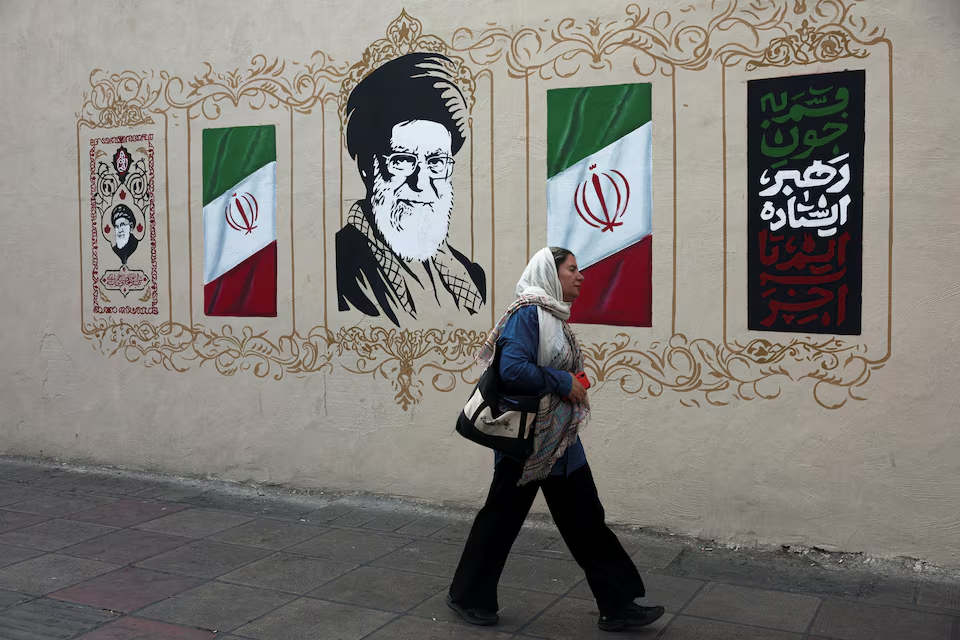
Trump remarked in a statement on his Truth Social platform said there had been no talks with Iran and none were planned.
He also said the U.S. naval embargo remains in place, while insisting the Strait of Hormuz itself is open. Mines have been taken out or blown up in the waterway, Trump added.
The comments marked a substantial change in tone from the previous day. Jared Kushner, Trump’s son-in-law and an administration envoy involved in the diplomatic push, had signaled that talks with Tehran were underway and could be more meaningful than previous meetings.
The mixed signals have intensified doubts over whether Washington still believes negotiation is the best way to settle the conflict or is planning to ratchet up economic and military pressure on Tehran.
Meanwhile, Iranian officials have continued to claim they are eager to discuss, but only on terms they say defend the country’s sovereignty and economic interests. Iran Says Hormuz To Stay Closed
The issue that remains unresolved in the negotiations is the Strait of Hormuz.
The narrow strait linking the Persian Gulf to the Gulf of Oman is one of the world’s most vital energy corridors. Before the fighting, over 20 percent of the world’s oil and liquefied natural gas went through the channel.
In the June agreement, Iran committed to arrange for the safe passage of commercial vessels for 60 days. The United States has promised to begin lifting its naval blockade of Iranian ports and to finish that process within 30 days.
The accord also called for negotiations for a larger settlement on Iran’s nuclear program, sanctions and economic rehabilitation.
But the two parties had quite different conceptions of what should happen beyond the first 60-day period.
Iranian Parliament Speaker Mohammad Baqer Qalibaf said Tuesday that Tehran will continue to keep the waterway closed until Washington met demands Iran believes were part of the accord.
Tehran wants the US to lift its blockade, remove oil restrictions, release Iranian assets frozen abroad and stop American military threats and operations.
The dispute has turned what was meant to be a de-escalation mechanism into one of the main causes of confrontation.
The initial memorandum foresaw the return of commercial traffic gradually and Iranian efforts to eliminate technical and military barriers, including mines. Shipping still well below normal
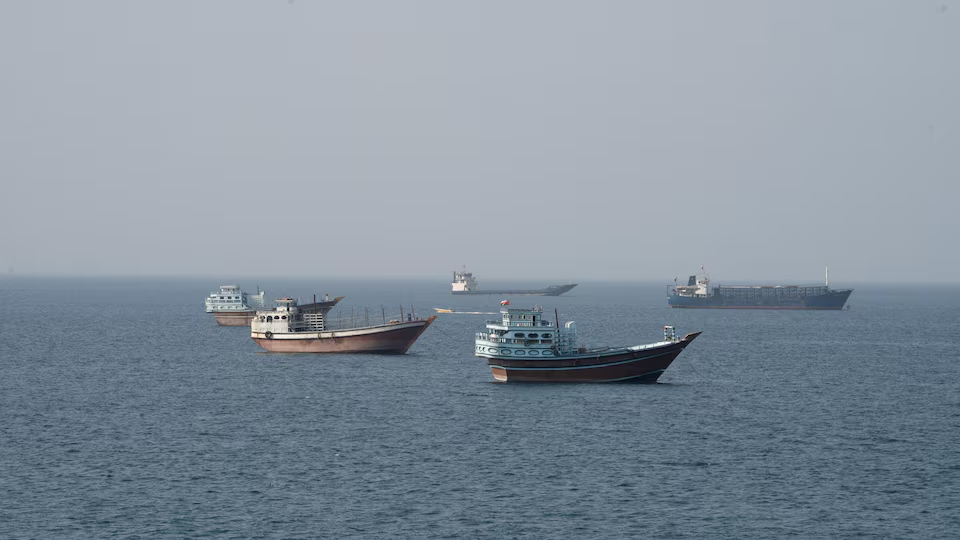
The strait was open but traffic was well below average, Trump said.
Early marine data showed just a handful of ships transiting the channel Monday, well below activity levels before the war.
The United Kingdom Maritime Trade Operations group also stated Tuesday that an outbound vessel transiting through the strait had been hit by an unidentified projectile. The incident apparently caused damage in the engine room and a crew injury, and the surviving crew were being assisted by Omani authorities.
The event underscores the ongoing risks to commercial operators even when the waterway is nominally passable.
For shipping corporations the question is not just whether a ship can physically enter the channel. Insurance expenses, threat of attack, uncertainty over mine clearance and the prospect of detention or intervention can all play a part in whether commercial operators are willing to make the route.
That uncertainty has led to the volatility of global energy markets.# Oil prices rise, markets fear a long crisis
The end of diplomacy was quickly reflected in the financial markets.
Brent crude, the international benchmark, had jumped during the battle to a high of around $126 a barrel, about three-quarters more than before the war.
Prices then dropped on prospects of a truce and greater shipping activity but continued diplomatic tensions pushed Brent higher again. It closed Tuesday at just above $91 a barrel.
The fallout goes far beyond energy.
Higher oil prices raise the cost of transportation and manufacturing throughout the global economy and add to inflationary pressure. Then, governments and central banks have to weigh whether greater energy prices are transitory or enduring when choosing interest rates.
Equity and government bond markets have also been buffeted by uncertainty, as the cost of borrowing has jumped dramatically in key nations.
U.S. 30-year Treasury yields hit their highest level in nearly two decades as fears grew over the longer term economic impact of the conflict, Reuters reported. American Consumers Are Feeling the Pinch
The crisis has also become a growing domestic political concern for Trump.
In the U.S., AAA said, gasoline prices had surged beyond $4 a gallon, compared to less than $3 before the war.
The rise comes at a politically sensitive time, with legislative elections set for November.
For the government, the challenge is to sustain the pressure on Iran, but avoid a lasting energy shock. A prolonged closure of the Strait of Hormuz might force fuel prices even higher, with possible effects on household budgets, transportation expenses and inflation expectations.
Trump has always characterized his policy as one of maximum pressure on Tehran and seeking a negotiated conclusion. With the 60-day framework collapsing, that strategy is facing further criticism.“We are not giving up diplomacy,” Tehran says
But despite increasingly aggressive rhetoric, Iranian leaders have not shut the door entirely on diplomacy.
Tehran still was willing to talk to Washington but would not confuse talks with surrender, Mohammad Mokhber, an adviser to Iran’s supreme leader, said Tuesday.
His remarks were reflective of the dilemma facing Iranian leaders.
The administration wants to show it can endure the pressure of the U.S. military and economy, but it also wants relief from sanctions and access to frozen financial assets. Long-term economic disruption could also raise domestic misery and political pressure on the government.
Iranian leaders have privately warned that worsening economic conditions could trigger new social upheaval and undermine popular confidence in the Islamic Republic even more.
Iran’s government thus confronts conflicting pressures: to be hardline toward Washington but to avoid a confrontation that could further damage Iran’s economy.# A Delicate Pact Falls Apart
The June memorandum was supposed to give the United States and Iran 60 days to reach a permanent settlement.
The pact calls for both parties to suspend military operations and work for a larger agreement on Iran’s nuclear programs, sanctions and economic reconstruction. The treaty also directly dealt with the Strait of Hormuz and the return of commercial shipping was one of the first practical tests of the truce. ([Military Times][2])
The deal, however, left many of the most contentious issues unsolved.
They included the future of Iran’s nuclear program, the scope of sanctions relief, the removal or prolonged presence of U.S. forces, the status of the naval blockade and who would ultimately manage maritime commerce through Hormuz.
Failure to reach resolution within the 60-day term has resulted in the breakdown of those unresolved issues.## The Risk of Further Escalation
The need for international governments and oil markets is to keep the disagreement over Hormuz from becoming another round of military conflict, for now.
The waterway is too vital to the world economy for the damage caused by protracted disruption to be seen as just a regional concern. Longer-term cuts in oil and gas supplies could push up prices globally and make it harder to tame inflation.
Yet Washington and Tehran have indicated that neither side looks eager to walk away from negotiations altogether.
Trump’s assertion that there are no discussions scheduled, but Iranian officials continue to say they are willing to negotiate, indicates the diplomatic avenue may be blocked but not forever shut.
The question now is whether both parties can find sufficient common ground to bring back commercial ships and reopen negotiations before military pressure and economic costs push the crisis into a more hazardous phase.
For now, the Strait of Hormuz is the fulcrum of that uncertainty — and its fate might determine whether the situation veers toward renewed negotiation or another round of escalation.