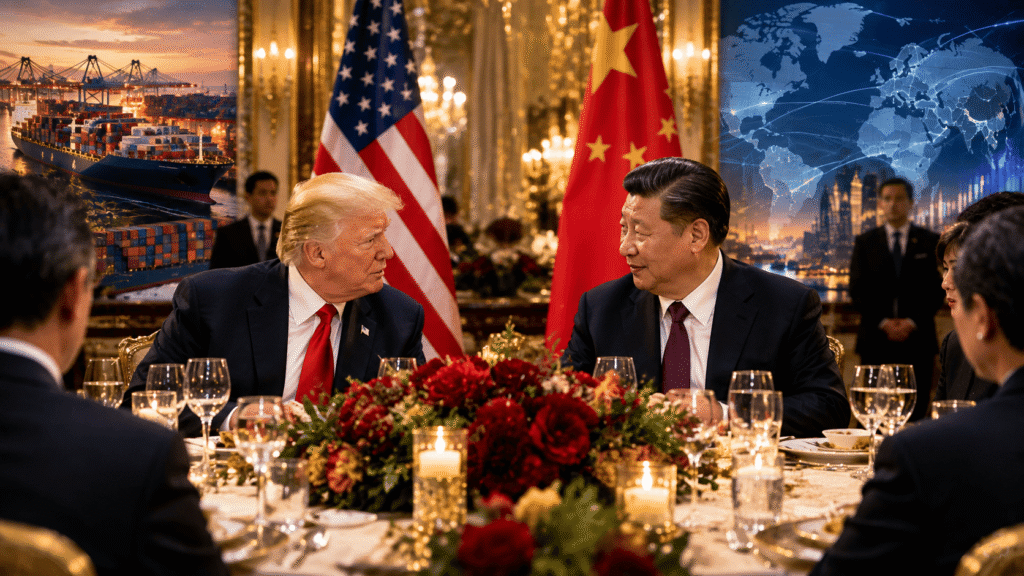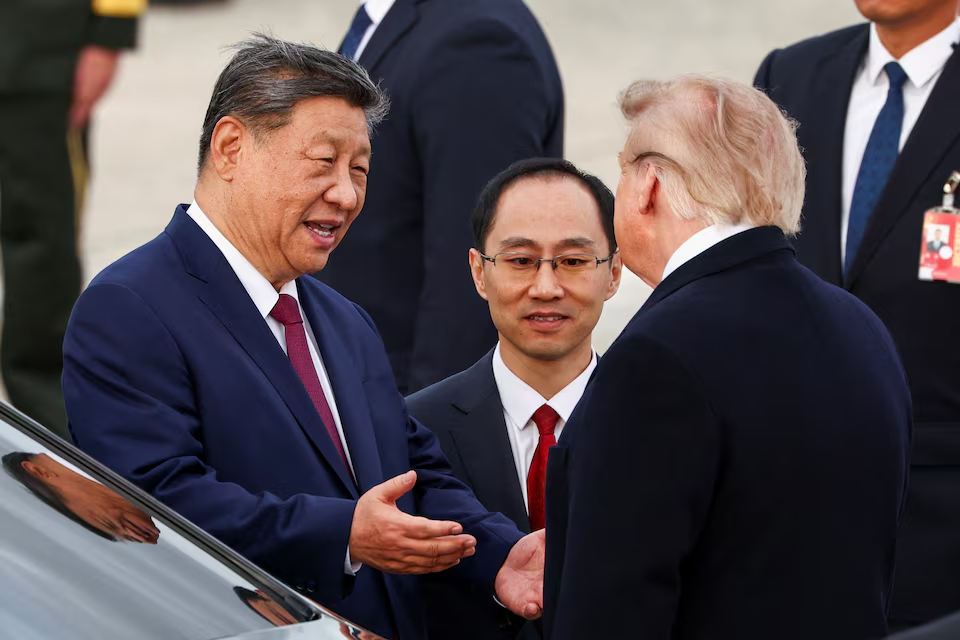

U.S. President Donald Trump stepped back Tuesday from a plan to charge a 20% transit fee on ships passing through the Strait of Hormuz, saying he would instead pursue investment deals with Gulf states.
The reversal came less than five hours before the fee was set to take effect at 2000 GMT. Trump said the strait would remain open to all shipping traffic except vessels tied to Iran.
“Based on highly productive conversations with Middle East leadership, I have decided to replace the 20% United States Reimbursement Fee with Trade and Investment Deals that the various Gulf States will be making into the United States,” Trump wrote in a post on Truth Social.
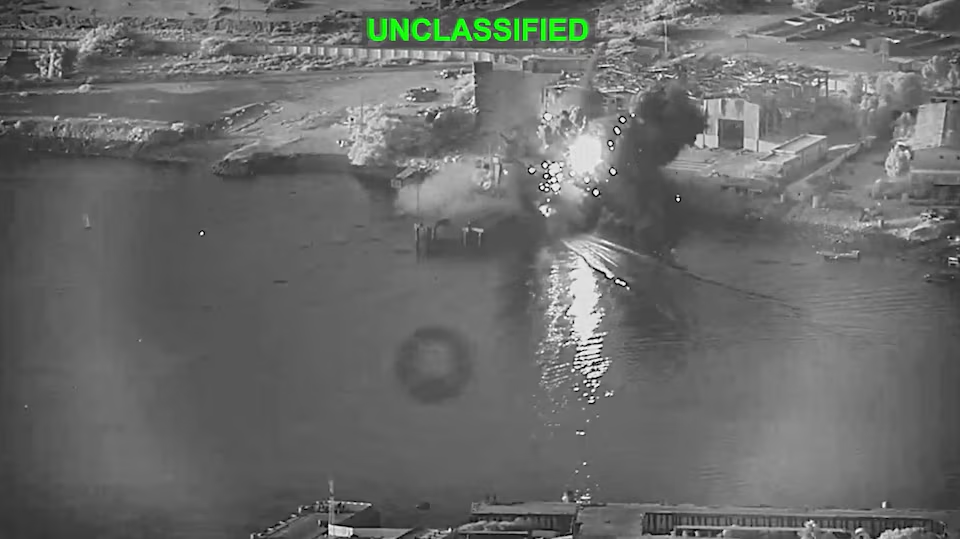
The fee proposal had followed a tense 24 hours in the region. U.S. forces carried out attacks against Iran for the third night in a row after Tehran said it had closed the Strait of Hormuz. Trump responded Monday by reinstating a naval blockade on Iranian shipping and floating the transit fee as a way to cover the cost of protecting the waterway.
Strikes Continue Across the Region
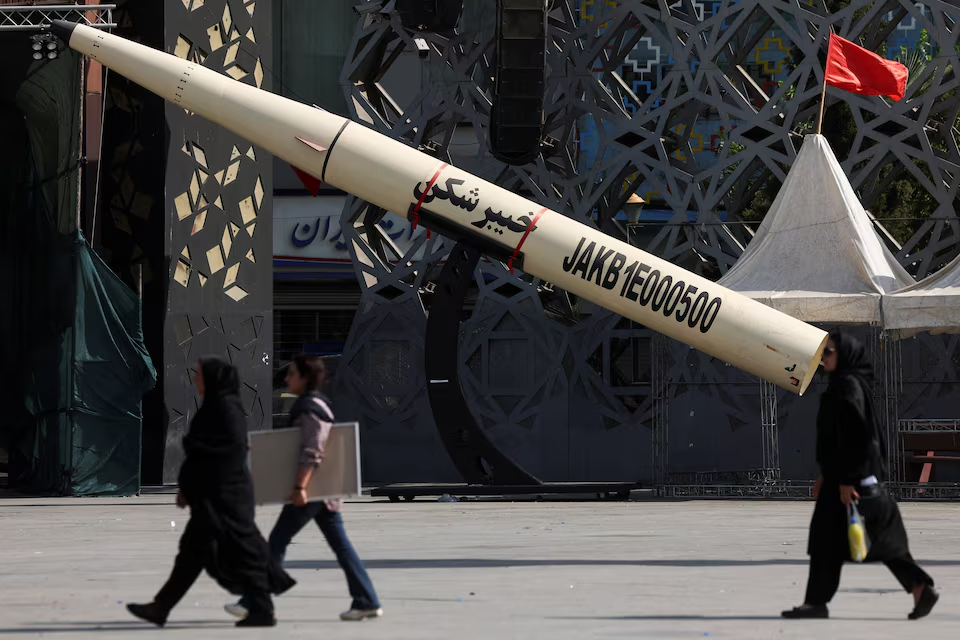
Speaking on the “Hugh Hewitt Show” Monday, Trump said Iran would be hit “very hard tonight, and we’re going to hit them hard tomorrow. And there’s not a damn thing they can do about it.”
The governor’s office on Iran’s Qeshm Island, which sits on the Strait of Hormuz, said a U.S. projectile struck the island around 7 p.m. Tuesday, according to Iranian state media. Iran’s semi-official Tasnim news agency reported a separate U.S. projectile exploded near a water and electricity facility on Kish Island. State media also reported hearing an explosion in Andimeshk, in southern Khuzestan province.
Iran struck back by attacking a U.S. Army base in Jordan with ballistic missiles. Jordan said it shot down four of the missiles. Bahrain, which hosts a U.S. naval base, said it fended off a separate Iranian aerial attack, and explosions were reported in the capital, Manama.
Kuwait’s armed forces said they were engaging “hostile” aerial targets Tuesday evening, and the country’s state news agency reported that air raid sirens had sounded nationwide.
The exchange of strikes has deepened doubts about whether a memorandum of understanding signed last month can lead to a lasting halt in the fighting. The war has already disrupted global energy supplies and fueled concerns about inflation worldwide.
Shipping Industry Had Pushed Back on Fee
The proposed transit fee drew criticism before Trump dropped it. The U.N. shipping agency said it opposed fees on straits used for international navigation and argued there was no legal basis for mandatory tolls on strait transits.
Germany’s Hapag-Lloyd, the world’s fifth-largest container shipping company, called the fee proposal “fundamentally wrong.”
Trump said later Tuesday that he had never liked the idea of charging for use of the strait and that several countries had called him directly to say they preferred investing in the U.S. rather than paying a fee.
What exactly Gulf states have agreed to remains unclear. Trump’s Truth Social post did not name specific commitments, saying only that “Investments will be MASSIVE but, at the same time, extraordinarily good for them, and their future.”
Oil prices rose about 2% Tuesday, hitting a one-month high after the U.S. reimposed its naval blockade on Iran. The renewed fighting between Washington and Tehran has raised fresh concerns about energy flows through one of the world’s busiest shipping corridors.
Before the war began, roughly a fifth of global oil and liquefied natural gas traffic passed through the Strait of Hormuz each day. Had the 20% fee taken effect, it could have generated close to $240 million daily.
Analysts See Limits, But Also Risk
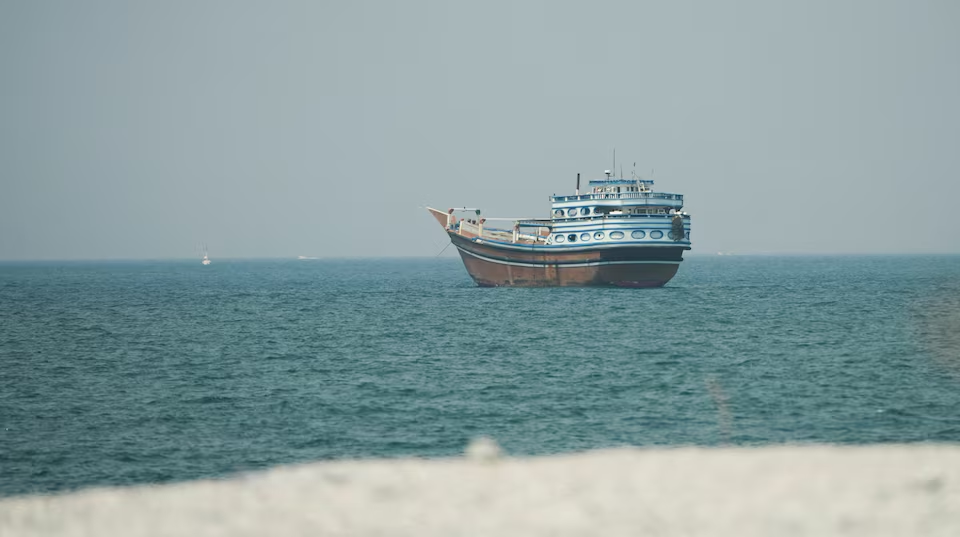
Regional analysts said the current hostilities appear contained for now, with both Washington and Tehran positioning themselves for eventual peace talks. Still, they cautioned that the conflict carries real risk of escalating beyond either side’s control.
“I doubt the two sides will resume a full war, especially as Trump will suffer, though there is also a distinct possibility that the Iranians will overplay their hand. That is true of Trump too, of course,” said Yezid Sayigh, a senior fellow at the Carnegie Middle East Center.
The war has grown increasingly unpopular in the United States, where gasoline prices have climbed since fighting began. Congressional elections are set for November, adding political pressure on the administration. A Reuters poll found that half of respondents believe the war has not been worth its costs.
How the Conflict Began
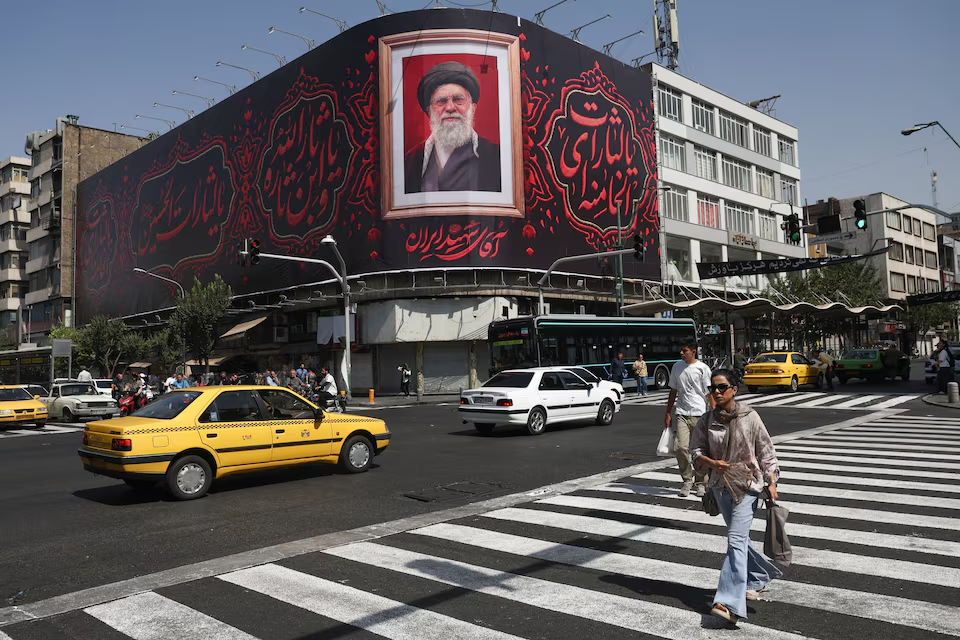
The U.S. and Israel struck Iran on February 28, prompting Iran to retaliate against Israel and against Gulf states hosting U.S. military bases. The fighting reignited a separate conflict between Israel and Hezbollah militants in Lebanon. Combined, the wars have killed thousands of people and displaced millions across the region.
In Rome, Lebanon and Israel resumed talks Tuesday, with Beirut pushing for progress toward an Israeli withdrawal from south Lebanon under a deal brokered by the United States.
A Fee Proposal That Never Had Support
The speed of the reversal stands out. Trump proposed the transit fee Monday and abandoned it less than 24 hours later, before it ever took effect. In that window, the U.N. shipping agency and one of the world’s largest container carriers both objected publicly, and Trump said Gulf leaders reached out directly to offer an alternative.
The shift from a punitive fee to investment pledges changes the nature of the arrangement. A transit fee would have applied uniformly to all shipping through the strait, generating revenue tied directly to traffic volume. Investment deals, by contrast, depend on individual agreements with Gulf governments, and the terms Trump described remain unspecified.
That ambiguity leaves open questions about enforcement and timing. Without a clear framework, it is not yet possible to say how the promised investments compare with the roughly $240 million a day the fee could have generated, or whether Gulf states view the new arrangement as a one-time gesture or an ongoing commitment tied to continued U.S. naval protection of the strait.
For now, the practical result is that Hormuz remains open to non-Iranian shipping, the naval blockade on Iran stays in place, and the underlying military conflict continues on multiple fronts, from Qeshm and Kish islands to Jordan, Bahrain, and Kuwait.