
For Ethiopian refugee Helana Wolde, the anti-immigrant demonstrations sweeping across South Africa brought back memories he had hoped to leave behind. As thousands marched through the streets demanding the removal of foreign nationals, Wolde locked the doors of his small grocery store in central Durban and stayed inside with his family, watching the events on television.
His wife and three children, all born in South Africa, were frightened by the hostility directed at migrants. The demonstrations stayed largely peaceful in many areas, but reports of isolated attacks on foreign-owned businesses and looting pushed anxiety higher across immigrant communities nationwide.
For Wolde, leaving South Africa isn’t a real option. He fled Ethiopia more than two decades ago to escape political persecution, and he says going back would mean facing uncertainty and danger again. Instead, he reopened his shop the morning after the protests, hoping things would settle.
“I have no home, no property and no family waiting for me in Ethiopia,” he said, explaining that several relatives had been imprisoned there. “South Africa is where I rebuilt my life.”
thousands leave temporarily, others stay put
Ahead of the nationwide demonstrations held on June 30, many immigrants relocated temporarily to safer areas or shut their businesses, worried about violence like past outbreaks of xenophobic unrest.
Still, thousands of refugees and migrant workers stayed in their communities, feeling they had little choice. Many have spent years building businesses, raising families and settling into South African life. Leaving would mean giving up livelihoods built over years of work.
For shop owners like Wolde, reopening after the protests was both an economic necessity and a show of resilience. His store escaped damage, but several neighboring businesses owned by foreign nationals were vandalized or looted during isolated incidents.
protesters tie immigration to economic hardship
The demonstrations were organized by a movement called March and March, which argues illegal immigration has placed excessive strain on South Africa’s economy, jobs and public services. Its leaders say the campaign targets undocumented migrants specifically, not refugees or legal immigrants. Human rights groups and community organizations counter that in practice, foreign nationals become targets regardless of their legal status.
Demonstrators called for stricter immigration enforcement and mass deportations, arguing that South Africans are losing business opportunities and jobs to foreigners. March and March leader Jacinta Ngobese told supporters that South Africans should regain control of the country’s economy, accusing immigrants of dominating neighborhood retail trade. She said the group plans to keep protesting every Thursday until its demands are met.
high unemployment drives frustration
South Africa continues to post one of the world’s highest unemployment rates, with roughly a third of the labor force unable to find work. Persistent poverty, rising living costs, weak public services and high crime have built up public frustration over time.
Economists acknowledge those problems are severe, but many reject the idea that immigration drives them. Research points instead to slow economic growth, structural inequality, electricity shortages, weak investment and governance failures as the main causes. Even so, immigration has become a politically charged issue, with many South Africans viewing migrants as direct competitors for jobs, housing and business opportunities.
refugees are a small share of the population
Public perception aside, refugees make up a small portion of South Africa’s population. The United Nations refugee agency puts the number of recognized refugees and asylum seekers in the country at around 167,000. The broader immigrant population sits at roughly three million, about 4% of the national population.
That’s modest by regional standards. Uganda currently shelters around 1.8 million refugees, Chad hosts more than 1.2 million, and Kenya holds about 850,000 displaced people. Migration researchers point to those numbers as evidence that South Africa’s refugee population is small compared with its neighbors.
small businesses become targets
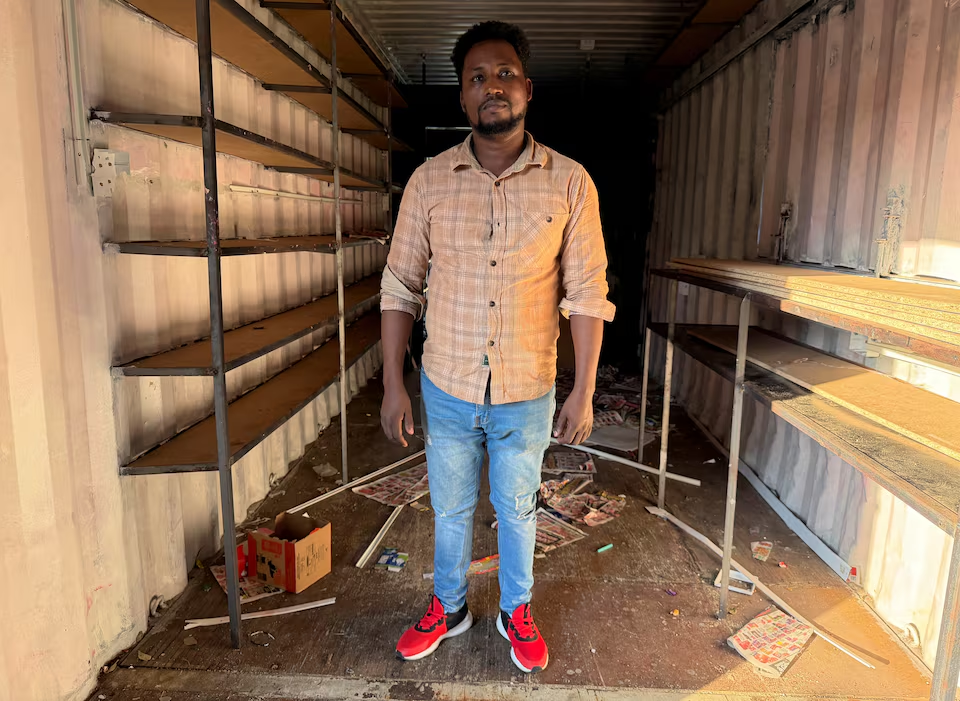
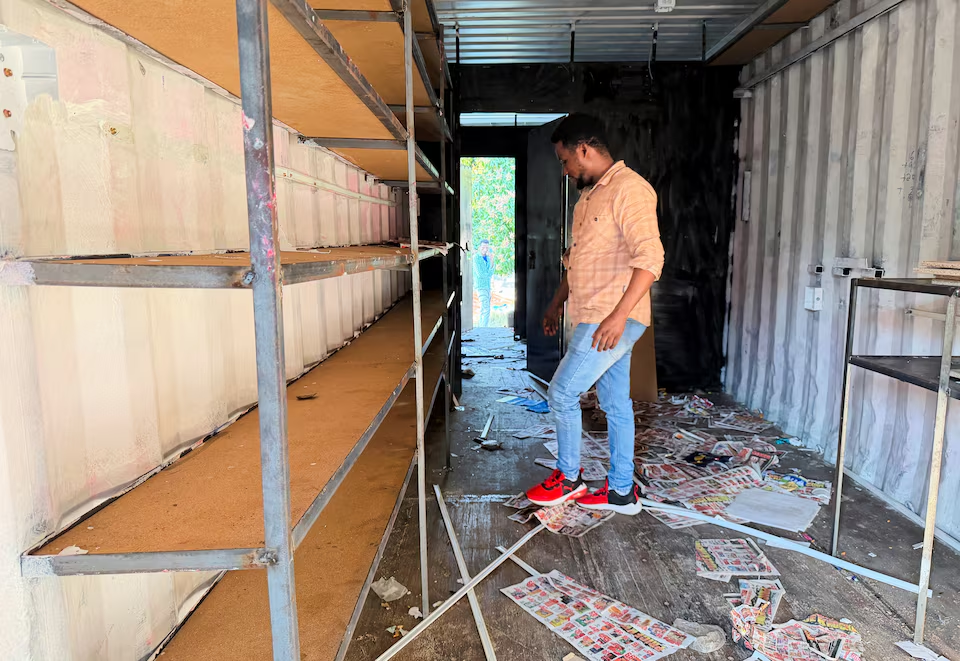
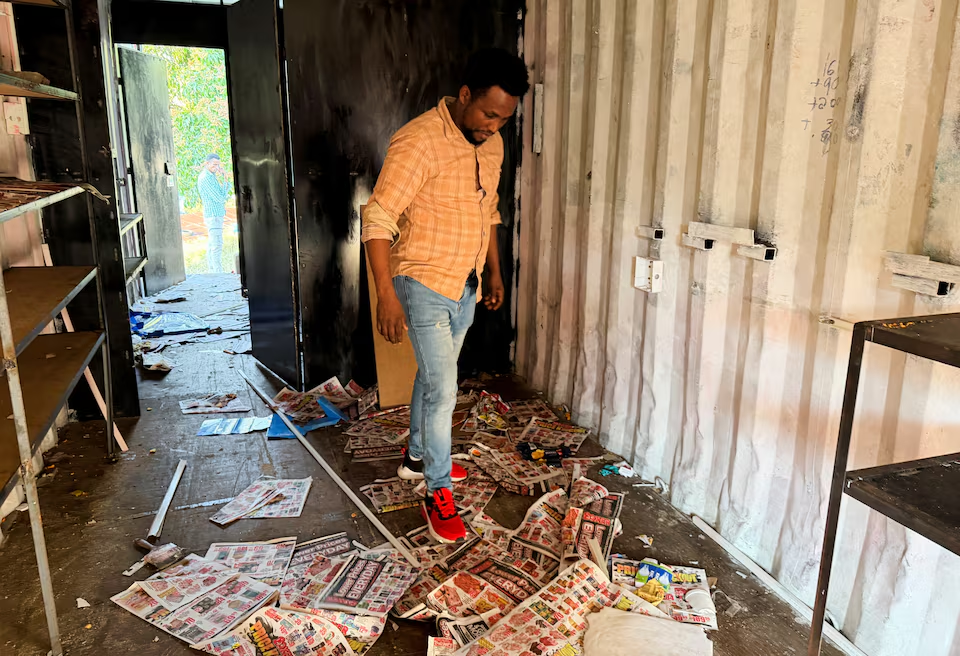
Foreign-owned convenience stores have repeatedly become flashpoints during past outbreaks of xenophobic violence, and this week followed the same pattern. In Clermont township near Durban, Ethiopian businessman Daniel Abide watched as one of his two convenience stores was looted overnight. The attackers emptied the shelves and destroyed property, shutting the store down temporarily. His second shop wasn’t touched.
Abide, who has lived in South Africa for ten years, says he’s invested heavily in his businesses and employs local residents. “Foreigners are not taking jobs from South Africans,” he said. “We are creating businesses, paying rent, paying taxes and hiring workers.” He plans to rebuild the damaged store despite the financial hit.
Residents said several businesses owned by Somali and Pakistani entrepreneurs were also hit during the unrest. Workers repaired broken storefronts while owners worried about further attacks after dark.
refugees face daily scrutiny
Even migrants with valid documentation report frequent harassment. Wolde carries a laminated folder with his refugee certificate, tax records and banking documents everywhere he goes. He says police officers and members of the public demand proof of his legal status multiple times a day.
South African authorities have said repeatedly that only law enforcement can request immigration documents, but refugees say informal identity checks from members of the public continue anyway. Human rights groups warn this creates fear and encourages discrimination against legally recognized refugees. For business owners, the uncertainty has also scared off customers. “People are afraid to visit this area now,” Wolde said. “Business has slowed because everyone is nervous.”
government condemns vigilantism, urges calm
South African officials have condemned violence against foreign nationals and reminded citizens that immigration enforcement is the state’s job, not the public’s. Authorities have warned against vigilantism, stressing that individuals have no legal authority to demand papers or force people out of communities.
Community organizations are calling for stronger police protection in neighborhoods with foreign-owned businesses, worried that continued anti-immigrant rhetoric could fuel more violence. Advocacy groups are pressing the government to address the economic frustrations behind the anger while protecting refugee communities from intimidation.
a repeating pattern
For many immigrants, the unrest echoes previous waves of xenophobic violence that have broken out across South Africa over the past two decades. Wolde survived major outbreaks in 2008, 2015 and 2021. Each time, foreign-owned businesses were looted or destroyed, forcing families to rebuild from scratch. Despite that history, thousands of refugees have stayed, believing South Africa still offers more safety and opportunity than the countries they left.
The latest protests have shaken confidence in refugee communities, but many migrants remain determined to keep living and working in South Africa. For Wolde, starting over somewhere else would mean rebuilding his life a second time. He’s choosing to stay instead.
Standing behind the counter as customers slowly return, he reflects on what his family has endured. “I survived political persecution, violence and previous attacks,” he said quietly. “I came here to work honestly and provide for my family.” He paused, then added, “I don’t understand why people are angry with us. We are simply trying to build a better life.”