
NEW YORK — Mayor Zohran Mamdani and his progressive allies celebrated several major wins in Tuesday’s Democratic primary elections, strengthening democratic socialism’s foothold inside the Democratic Party and pointing to a continued shift in how America’s largest city does politics.
Candidates backed by Mamdani won a string of high-profile races, beating establishment Democrats and reshaping the balance of power within New York’s political world. The results are likely to ripple well past the city, adding fuel to an already heated debate over where the Democratic Party heads next ahead of the 2026 midterms and the 2028 presidential race.
A Movement on the Rise
The wins mark another milestone for the 34-year-old mayor, who stunned the political world with his election in 2025 and has spent the time since building a wider coalition of progressive and democratic socialist leaders.
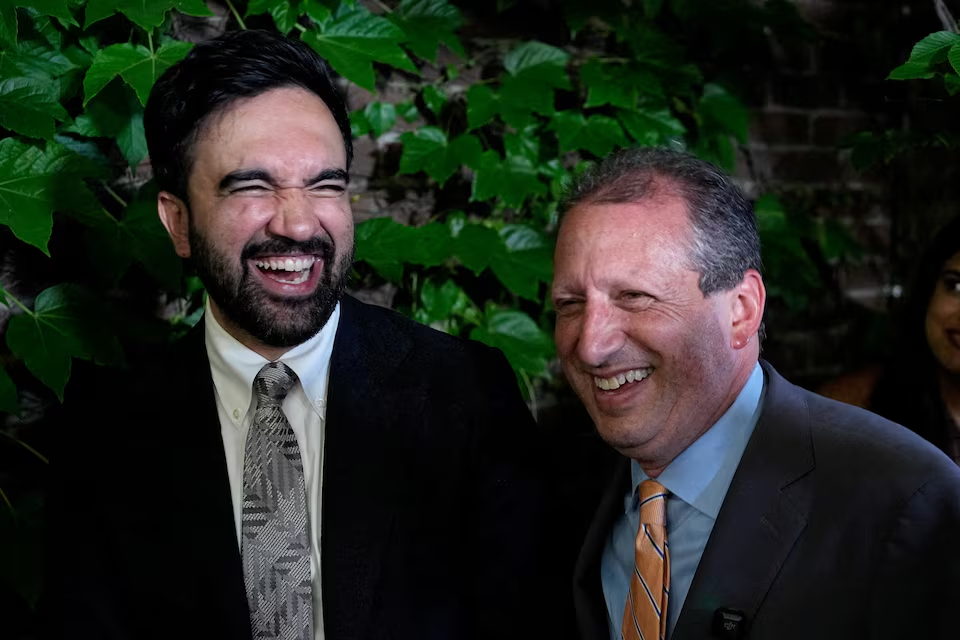
Among the most notable results: former New York City Comptroller Brad Lander beat two-term Representative Dan Goldman. Assemblymember Claire Valdez defeated Brooklyn Borough President Antonio Reynoso in a race for an open congressional seat. And in what may be the biggest upset of the night, activist Darializa Avila Chevalier narrowly beat five-term Representative Adriano Espaillat, one of Congress’s most influential Latino lawmakers and chair of the Congressional Hispanic Caucus.
The wins amount to a real consolidation of power for Mamdani and the movement that carried him into City Hall. Political analysts say the results show democratic socialism has moved past fringe status in New York politics and now has the muscle to take down long-established figures.
Tracing Back to Bernie Sanders
The latest wave of victories traces back to Senator Bernie Sanders’ unexpectedly strong 2016 presidential run, which inspired a generation of progressive activists and candidates.
Since then, democratic socialist organizations and grassroots groups have steadily built up influence, especially in cities where younger voters and progressives have grown tired of traditional Democratic leadership.
Mamdani’s rise has become one of the clearest signs of that shift. His push to build out a broader coalition of progressive candidates comes as democratic socialist contenders have also found success in cities like Washington, D.C., and Los Angeles, where left-wing mayoral candidates have picked up momentum.
Supporters say the movement reflects growing frustration among Democratic voters over economic inequality, housing costs, healthcare prices, and what they see as a weak response to President Donald Trump’s policies.
Frustration With National Politics
Political observers say the recent surge in progressive activism is partly a reaction to national politics. Many Democratic voters have voiced frustration with both Republican policies under Trump and the centrist approach taken by parts of the Democratic establishment.
The Biden administration’s support for Israel during the war in Gaza also angered younger and progressive voters, adding momentum for candidates pushing further left.
Steve Israel, a former Democratic congressman from New York, said political movements often emerge as a reaction to their opponents. “Energy on the far right ignites energy on the far left,” he said. “Politics is reactive.”
That dynamic appears to be playing out in New York, where progressive candidates have tapped into voter frustration and a desire for real political change.
New Strain Inside the Democratic Party
The wins are also likely to deepen existing splits inside the Democratic Party.
For months, top Democratic leaders struggled with how to handle Mamdani’s rise. House Democratic Leader Hakeem Jeffries eventually endorsed him during the mayoral race, though only shortly before the general election. Senate Democratic Leader Chuck Schumer stayed mostly quiet throughout the campaign.
The latest primary results could create new headaches for Democratic leaders trying to hold the party together while gearing up for next year’s elections. Jeffries, seen by many as a potential future Speaker of the House, now has to balance progressive enthusiasm against the realities of winning competitive races in politically divided districts.
Democrats are expected to focus heavily on swing districts as they try to claw back ground nationally. Party strategists worry that candidates tied to more progressive positions could become an easy target for Republican attacks.
Espaillat’s Loss Carries National Weight
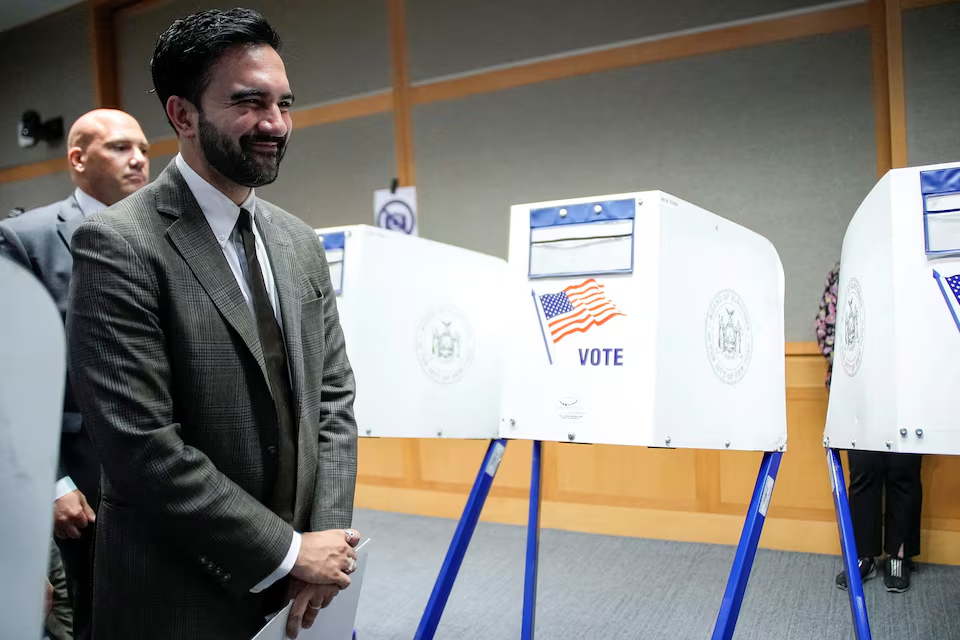
The defeat of Adriano Espaillat stands out as perhaps the most politically loaded result of the primaries. As chair of the Congressional Hispanic Caucus and a veteran lawmaker, Espaillat held one of the most influential Latino voices in Congress.
His loss to Avila Chevalier shows how much strength progressive activists can bring to bear, even against deeply entrenched incumbents. Some Democratic strategists worry the result could complicate efforts to win over moderate and independent voters.
Matt Bennett, co-founder of the centrist Democratic group Third Way, said Republicans could turn some of the progressive positions held by democratic socialist candidates into political ammunition. “This is precisely the kind of candidate Republicans love to use against Democrats in competitive races,” Bennett said.
Past Statements Spark Debate
Avila Chevalier’s win has also drawn attention because of old social media posts in which she backed abolishing police and immigration enforcement agencies and questioned aspects of Israel’s policies. She has since deleted some of those posts and apologized for certain statements.
She has continued to push for major changes to the immigration system, including opposition to deportation policies she argues are rooted in discrimination. Espaillat brought up these positions repeatedly during the campaign, arguing his challenger held views too extreme for public office.
Voters chose change over experience anyway, handing the primary season one of its biggest upsets.
A Message That’s Landing With Voters
Supporters of the democratic socialist movement say its growing popularity reflects real dissatisfaction with the political and economic status quo.
Alex Jacquez, a progressive strategist and former adviser to Bernie Sanders, said many voters feel traditional politicians have failed to address basic issues like inequality, healthcare costs, and corporate influence. According to Jacquez, the real question for many Democratic voters is whether their leaders are willing to challenge powerful interests and pursue real reform.
“That’s where the fault lines are,” he said. “Are you willing to take on the wealthy and corporations to deliver results, or are you not?” For younger voters especially, that message has landed.
A Party Facing a Choice
Despite the momentum behind progressive candidates in cities like New York, many Democratic strategists warn against assuming the movement’s success can be repeated nationwide.
Former Representative Steve Israel said the Democratic Party’s path to national power still runs through moderate battleground states rather than deeply liberal urban districts. “Presidential elections are not won in deep-blue states,” he said. “They’re won in a handful of competitive states where more moderate positions often resonate.”
That leaves Democrats with a familiar problem: how to put an energized progressive base to use without driving away the centrist voters who often decide national elections.
For now, the wins in New York belong to Mamdani and his allies, who have shown that democratic socialism keeps gaining ground in one of America’s most influential political arenas. Whether the movement reshapes the Democratic Party nationally is still an open question. Tuesday’s results suggest its influence is growing and the fight over the party’s direction is far from settled.