

The first batch of as many as 400 Chinese-made shoulder-fired air-defense missile launchers is expected to reach Iran within weeks, three sources familiar with the deal told Reuters. The purchase is one of the biggest known attempts by Tehran to rebuild its short-range air defences since war broke out with the United States and Israel earlier this year.
The deal, valued at $60 to $70 million, covers 300 to 400 man-portable air defense systems (MANPADS) including Chinese-made QW-12 and FN-16 missiles, the sources said. The deal was signed with Hong Kong-based Zhongqing Baoshang International Investment, which sources described as an intermediary between the Iranian side and the Chinese supplier.
The sources were not identified because of the sensitivity of the matter. Iran’s foreign ministry did not respond immediately to a request for comment.
The Chinese Foreign Ministry challenged the reports. There is no basis whatsoever for the relevant reports. “China has always played a role in promoting peace and resolving the conflict,” the ministry said in a statement.
Zhong Qing Bao Shang Group, based in Beijing and the parent of Zhongqing Baoshang International Investment, did not respond to an email request for comment on Tuesday.
After months of strike, rebuilding
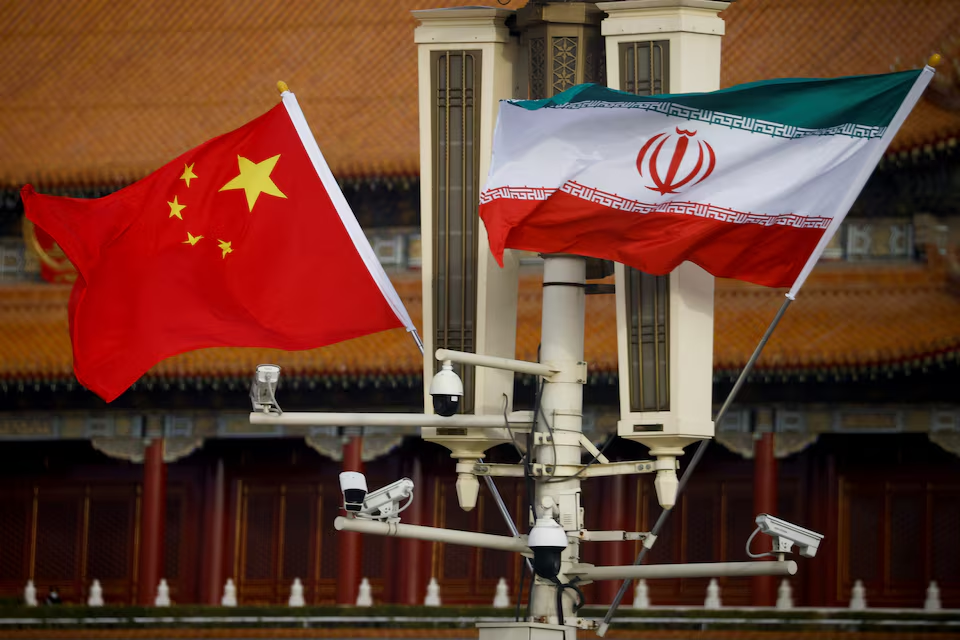
Months of fighting in which the United States and Israel have hit facilities linked to its missile, drone and air-defense programs mean Iran needs to rearm. Tehran retaliated with a barrage of its own ballistic missiles and drones. The war demonstrated the difficulty for Iran to defend fixed military and strategic locations against advanced aircraft and guided weapons.
Washington abruptly suspended two weeks of bombardment on Saturday, but President Donald Trump said strikes would resume if talks failed to end the five-month conflict that has been technically under a ceasefire since April.
One shipment containing hundreds of MANPADS would significantly boost Iran’s stockpile of short-range air-defense weapons and signal closer military cooperation between Tehran and Beijing. The sources cautioned that even though the deal is signed, delivery schedules, quantities, and other details could change before shipments begin.
Under the current plan, the deliveries will initially travel by air from Urumqi in western China, then transit through Pakistan into Iran, the sources said. They did not mention whether the journey onwards from Pakistan would be by air or by road.
The ISPR, the military’s public relations wing, denied any involvement. “The speculations about Pakistan’s involvement in the supply of Air Defence weapons to Iran from China are absolutely concocted and false,” the agency said in a statement. A spokesman for Pakistan’s foreign ministry did not immediately respond to requests for comment.
China, Iran discuss land routes
Iran has developed its missile, drone and radar capabilities over the past two decades, but military experts say portable air-defense systems serve a different purpose. They can be moved frequently and deployed rapidly by small units, making them harder targets than fixed air-defence batteries.
“His country’s authorities were monitoring a number of contracts being negotiated for the sale of QW-series MANPADS to Iran, including the QW-12, QW-18 and QW-19 systems,” said a European security source. Iran was actively looking for QW-12 and QW-18 missiles, but there was no sign that a deal had been concluded, said a second security source based in the Middle East.
The QW-12 and FN-16 are portable, infrared-guided, surface-to-air missiles designed to target low-flying aircraft, helicopters and drones. They are mobile, meaning they can be quickly deployed around military installations, energy infrastructure and other sensitive sites. “Defense analysts say the QW-12 is viewed as less capable than newer QW variants, like the QW-18 and QW-19, but it can still offer a useful layer of short-range protection against drones and low-flying threats.
Tehran had also looked at overland routes for transporting Chinese military supplies and dual-use components, to reduce the chance of interception and make the shipments less visible, two Western intelligence sources and an Iranian official said.
Foreign procurements in spite of sanctions
The deal shows Iran remains reliant on a mixture of domestic weapons production and foreign suppliers, even after years of sanctions and limits on defense-related imports. Separately, Reuters reported that Iran was close to a separate deal with China, this time for anti-ship cruise missiles, according to people familiar with the talks. That agreement was not clearly concluded.
The MANPADS purchase comes as Iran works to patch holes in its air-defense network revealed during the war. The fighting demonstrated Iran’s air defense infrastructure is vulnerable during a sustained air campaign and the strikes by Israel and the U.S. directly targeted sites connected to Iran’s missile and drone programs. Shoulder-fired systems can’t replace the fixed batteries Iran lost or had degraded during the conflict, but they give ground forces a way to protect specific sites without relying entirely on radar-guided systems that can be jammed or targeted first.
The intermediary role of Zhongqing Baoshang fits a familiar pattern in Iranian arms procurement where trading companies in Hong Kong or mainland China act as intermediaries rather than Chinese state-run defense firms selling directly to Tehran. That, in turn, provides Beijing some insulation from transactions that could otherwise bring international attention or sanctions exposure while its Foreign Ministry denies involvement in providing weapons to either side of the conflict.
Pakistan’s denial of any role in the transit route adds to the complexity. If deliveries do go through Pakistani territory as the sources described, Islamabad would be in an awkward position given its own relations with Washington and Gulf states that have taken a harder line against Tehran during the conflict.
The shipment is still in its early stages for now with the sources warning details could still change before any missiles reach Iranian territory. But the order’s size, possibly hundreds of launchers, indicates Tehran is treating air defense holes as an urgent priority and not a problem it can solve in bits and pieces. How quickly Iran can rebuild the kind of layered air-defense posture it had before the war began is likely to be shaped by whether the deal goes through as planned and whether additional shipments follow the anti-ship missile talks Reuters previously reported.