
Hezbollah’s leader, Naim Qassem, has rejected the U.S.-brokered security agreement Lebanon and Israel signed this week, calling it a surrender that compromises Lebanese sovereignty and gives legal cover to Israeli military occupation.
The rejection landed a single day after Lebanese and Israeli officials signed the framework, which is meant to scale back tensions along their volatile shared border. The deal followed months of fighting tied to the wider conflict involving Iran, Israel and the United States.
Hezbollah, the Shiite movement that has positioned itself for decades as Lebanon’s main line of defense against Israel, pushed back almost immediately.
In a statement released Saturday, Qassem called the accord “null and void” and accused the Lebanese government of making concessions on its own, without national agreement. “This agreement crosses all red lines and effectively rewards Israeli occupation,” he said. “We did not abandon the battlefield in the most difficult circumstances, and we will not abandon it now.”
What the Security Agreement Includes
The U.S.-mediated framework targets the hostilities that have driven hundreds of thousands of civilians from their homes on both sides of the border.
Under its terms, Israeli forces would pull back gradually from parts of southern Lebanon while the Lebanese Armed Forces move in to hold security and block militant activity in those areas.
One provision has drawn particular criticism: it lets Israeli troops stay temporarily inside an expanded security zone in southern Lebanon. The agreement also ties the pace of Israel’s withdrawal to steps limiting Hezbollah’s military footprint, including talks on disarmament.
Those terms are nonstarters for Hezbollah. Qassem argued that linking Israel’s pullback to the dismantling of Hezbollah’s weapons hands Israel leverage over Lebanon’s internal affairs and strips the country of its right to defend itself.
Drone Strike Highlights Fragile Security Situation
The fighting didn’t stop when the agreement was signed.
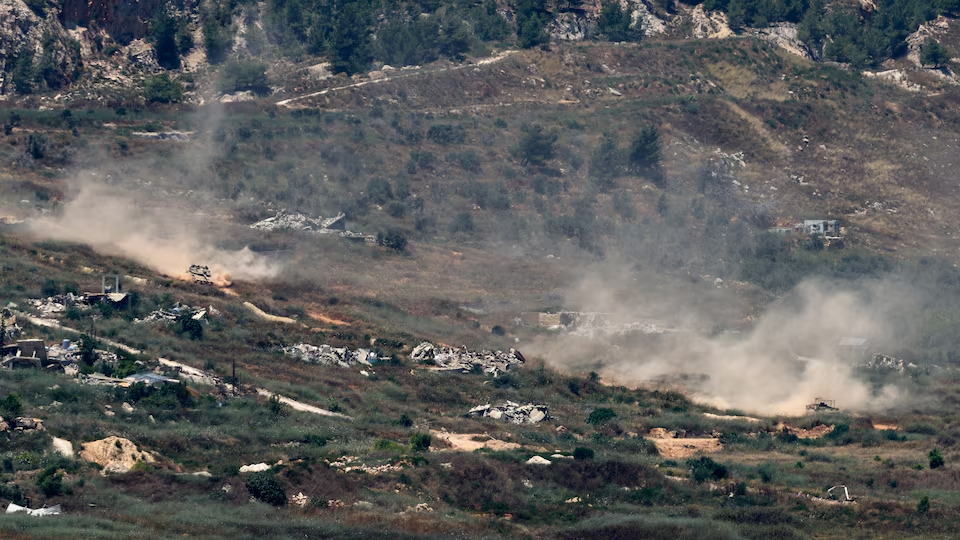
Lebanon’s state-run National News Agency reported that an Israeli drone hit the town of Nabatieh al-Fawqa in southern Lebanon on Saturday. The strike landed outside the security zone marked on maps Israeli authorities had released, which raised immediate doubts about whether the new accord can actually hold.
The Israeli military confirmed the strike, saying it targeted someone who posed a threat to its forces. Officials said a drone carried out the operation because no Israeli troops were nearby at the time. They gave no further details about the target.
The strike underscored how unstable the situation between Israel and Hezbollah remains, even as diplomacy moves forward.
Widespread Displacement Fuels Public Anger
The toll of the Israel-Hezbollah conflict on Lebanon has been severe.
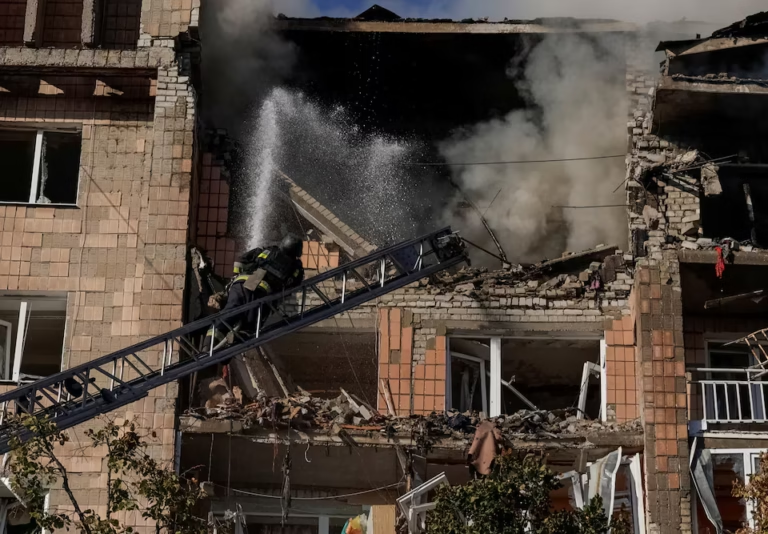
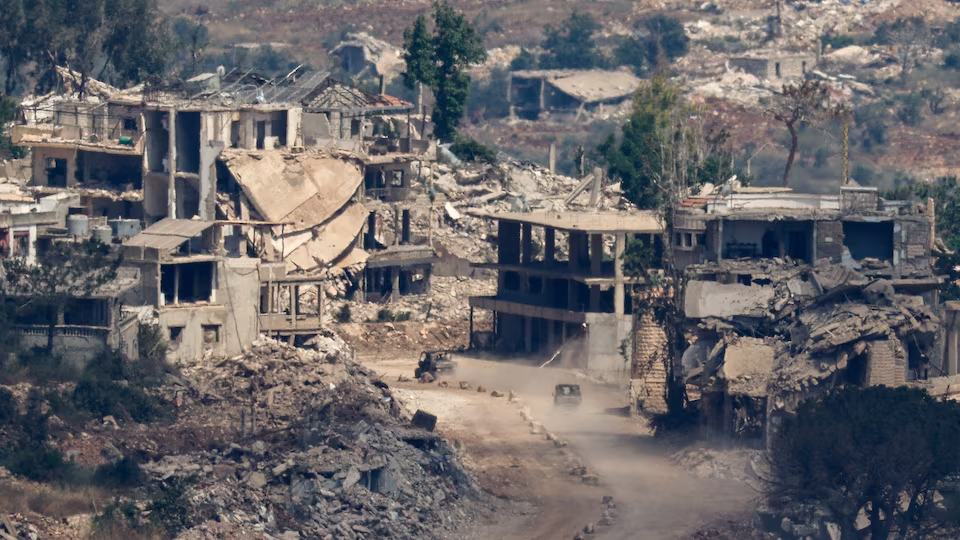
More than a million Lebanese have been displaced since fighting escalated, marking one of the largest internal displacement crises the country has faced in decades. Many residents of southern Lebanon, particularly from the Shiite community, still can’t return home because of the continued Israeli military presence and lingering security concerns.
That reality has pushed anger over the new agreement well beyond Hezbollah’s leadership. Displaced families worry the deal could lock in Israeli control over parts of southern Lebanon and push their return further out of reach. Frustration has built as communities deal with wrecked infrastructure, destroyed homes and limited access to basic services.
Amal Movement Also Criticizes the Deal
Hezbollah isn’t alone in opposing the agreement.
The Amal Movement, Lebanon’s other major Shiite political force, led by Parliament Speaker Nabih Berri, condemned the framework as unbalanced. The group warned in a statement that the deal risks favoring Israel while failing to protect Lebanese interests.
Amal argued that letting Israeli troops remain on Lebanese territory, even temporarily, could harden into a lasting occupation.
The pushback from both Hezbollah and Amal points to deep political resistance within Lebanon’s Shiite community, which has carried much of the burden of the conflict with Israel over the years.
Israel Welcomes the Agreement
Israeli officials see the deal very differently.
Defense Minister Israel Katz said the agreement delivers real security guarantees and lets Israel maintain a buffer zone against potential Hezbollah attacks. He said the arrangement would stop armed groups from quickly retaking positions near the border while diplomatic efforts continue.
Israeli officials have said repeatedly that a limited military presence in certain areas is necessary to head off future cross-border attacks.
The result is two starkly different readings of the same document: a security measure to Israel, a dangerous concession to Hezbollah and its allies.
Iran Deal Adds Another Layer of Complexity
Qassem also pointed to a recent memorandum of understanding between the United States and Iran aimed at ending the broader regional conflict.
According to Hezbollah and Iranian officials, Washington agreed as part of that deal to respect Lebanon’s territorial integrity and work toward ending hostilities involving the country. Qassem argued that this earlier understanding, not the newly signed security framework, should form the basis for any future arrangement covering Lebanon.
By bringing up the U.S.-Iran deal, Hezbollah is making clear it sees the Lebanon-Israel agreement as out of step with broader regional commitments Washington has already made.
A Delicate Moment for Lebanon
The rejection puts Lebanon’s government in a tight spot.
Officials in Beirut are under pressure from international partners to stabilize the border and avoid another destructive war with Israel. At the same time, they’re facing serious domestic opposition from powerful political and military actors who reject the deal outright.
Lebanon remains split over how much authority the state should have, what role Hezbollah should play going forward, and what terms could ever make peace with Israel possible.
For now, the U.S.-brokered agreement looks far from delivering lasting stability. Continued drone strikes, political opposition and unresolved questions about Hezbollah’s weapons all point to southern Lebanon staying a flashpoint despite the renewed diplomatic push.
With thousands of displaced families still waiting to go home and regional powers continuing to shape events from behind the scenes, what happens to the agreement, and to the broader push for peace, is still very much an open question.