

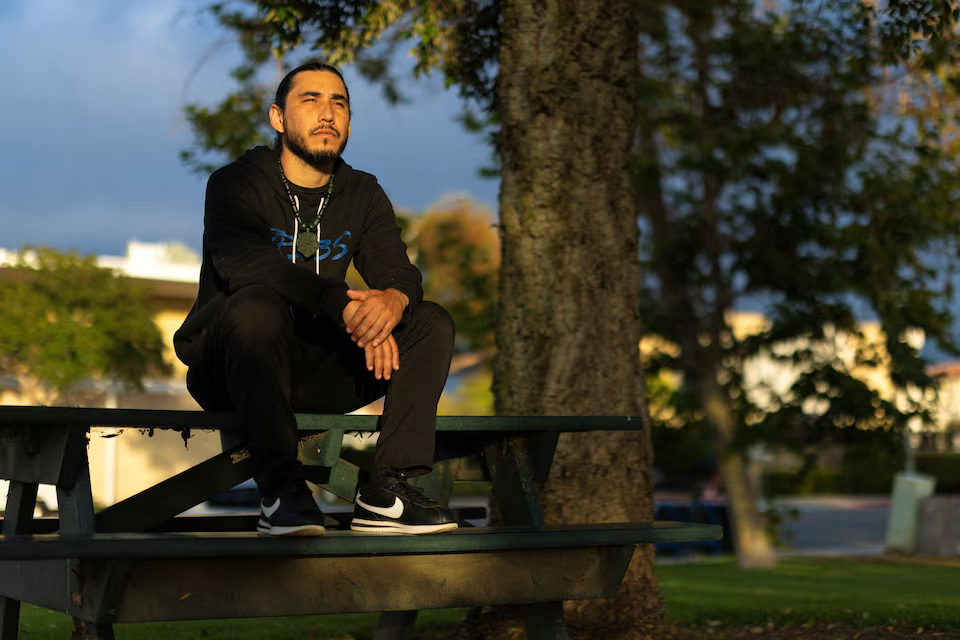
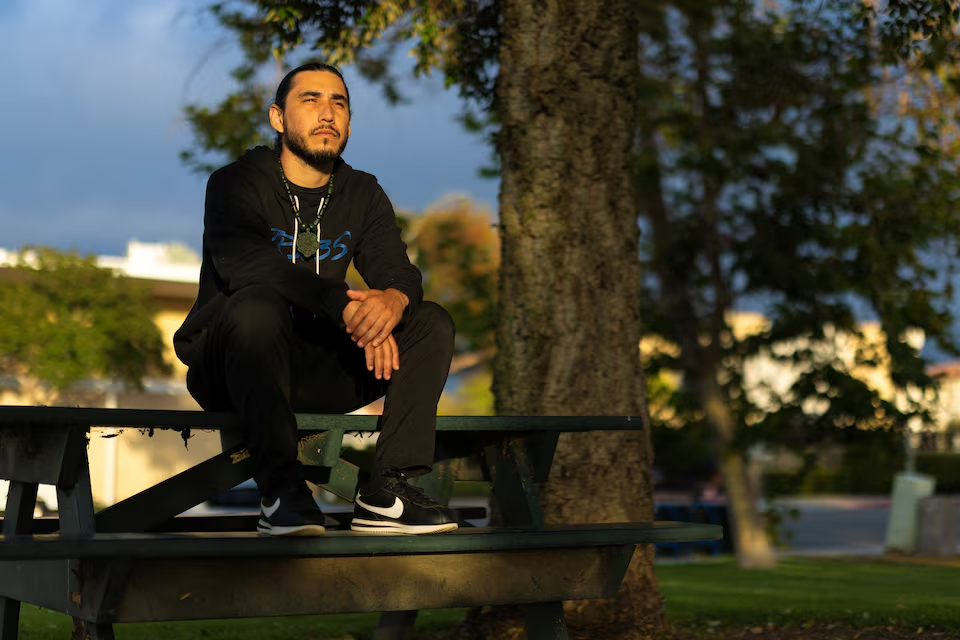
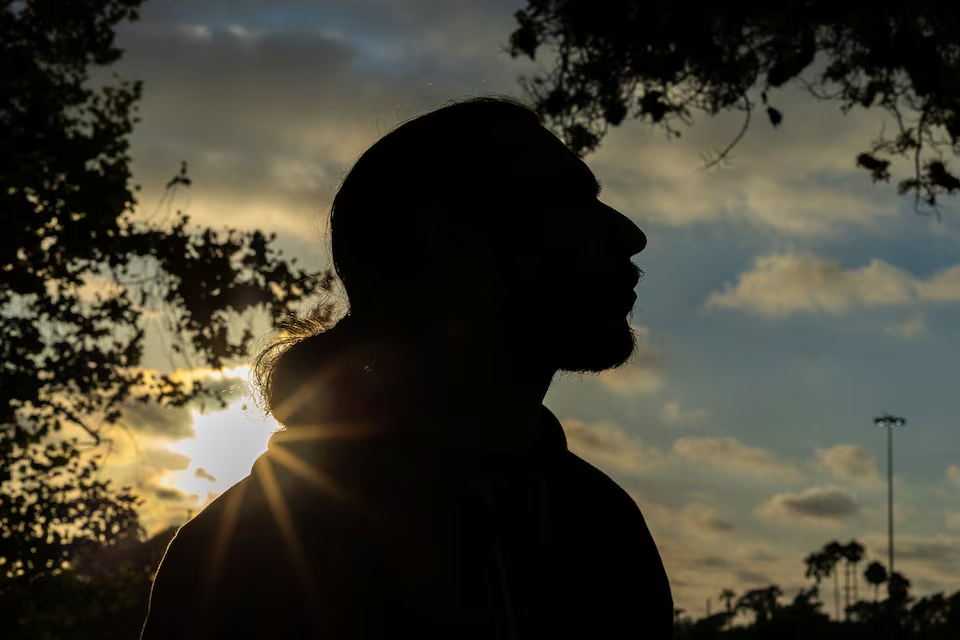
Christian Garcia says he tossed an empty water bottle at federal authorities defending a facility outside Los Angeles during an immigration protest last summer. He said the bottle hit no one, not even close. Instead it was blown back at him on a blast of wind. But federal authorities nabbed him nevertheless. He was locked up for three days and might be facing a year behind bars.
Garcia, a 32-year-old amateur photographer, said he lost both of his jobs, one as a security guard and another as an undercover shopper, when his employers told him that investigators had contacted them. Then, without more public explanation, the prosecutors dropped the case.
Garcia’s incident is part of a pattern playing out across the country. The Trump administration filed criminal charges against at least 851 people accused of abusing or obstructing federal officers and then dropped those charges at a rate considerably beyond historical norms. A Reuters study of federal court data shows that 31% of completed cases in this group ended in dismissal, compared with 8% of all federal criminal cases statewide, records compiled by the Federal Judicial Center show.
Reuters obtained records of everyone accused with assaulting or obstructing a federal officer from January 2025 through March 2026 and documented the progress of each prosecution. Much of the charge stemmed from the administration’s crackdown on immigration, but the group also included assaults on other federal workers, including postal personnel.
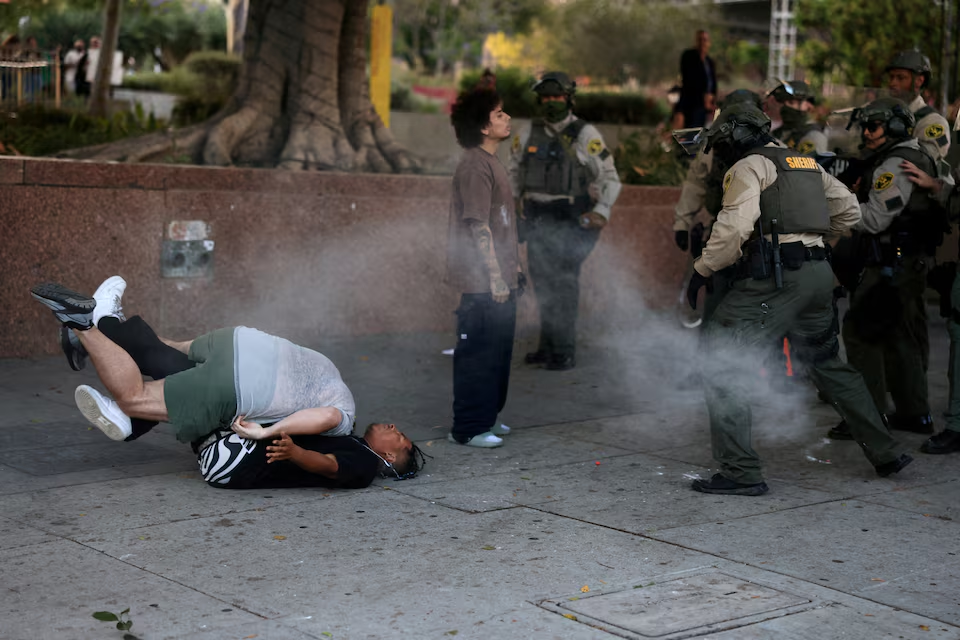
Dismissals were significantly more frequent in cases directly connected to protests over immigration. Prosecutors dismissed almost 45% of the 86 protest-related cases that had been resolved by the end of May, a Reuters review has revealed.
“The administration’s position is that anyone who assaults or obstructs law enforcement will be prosecuted to the fullest extent of the law,” said a spokesman for the Department of Homeland Security. “Prosecutors should hold people accountable for these assaults,” said Justice Department spokesman Kiersten Pels, but when mitigating elements arise in a case, she said, prosecutors must inform the court and in some cases reduce or abandon the charges.
Whatever the outcome of the proceedings, the cost has been incurred by those caught up in the charges. Six people told Reuters of lost jobs, legal fees and in some cases, barrages of internet threats that came after federal officials announced their arrests.
Garcia said he never got his jobs back even after prosecutors dropped his case. He alleged an agent took his phone during the arrest and never returned it. “It’s like I didn’t get no justice at all,” he remarked. “One day changed everything in my life.”
The original criminal sheet against Garcia says he was seen tossing an object at cops and others in the crowd threw rocks and water bottles that impacted officers’ shields.
Reuters has examined thousands of court files nationwide and interviewed more than 15 investigators, prosecutors and defendants about the administration’s pursuit of people who disagreed with law enforcement – and the consequences. Their stories suggest a Justice Department prepared to file federal charges for confrontations that in previous administrations would have resulted in no arrests or prosecutions.
Among those instances: a lady who backed her SUV into an agent’s car at low speed, a man who challenged an agent to a boxing bout but didn’t throw any punches, and another who leaped on top of a Homeland Security agent’s vehicle during a demonstration. Prosecutors also charged a Washington man in connection with sandwich rebounded off an immigration agent’s body armor.
That’s not all cases. Some of the assaults Reuters studied were bad enough that they likely would have led to prosecution under any administration, including an instance in Minnesota in which a woman was accused of chewing off the tip of a federal agent’s finger in January.
But those involved with the campaign say the scale and velocity of the administration’s prosecutions, and a lower bar for bringing cases to court, represent a departure from traditional Justice Department practice.
Two people familiar with internal guidelines said the Justice Department notified prosecutors last year that any decision to decline one of those cases had to be justified to Washington. The need forced prosecutors to file charges they may have otherwise ignored. In May, acting U.S. Attorney General Todd Blanche informed immigration officials in Arizona that the agency would pursue any assault on an officer “regardless.”
cases fall off at a rate not often seen in a federal court
Federal prosecutors generally win their cases. Records from the Federal Judicial Center show that around 90% of those charged with a federal felony are convicted in most years.
That pattern is notably broken by the administration’s prosecution of assault cases. Prosecutors won convictions in 65% of the 481 completed cases in Reuters’ examination, with the majority of the rest dropped at the prosecutors’ request. The other cases are still pending out of the 851 reviewed.
The dismissal rate shows authorities are rushing to build cases the right way, said Kyle Boynton, a former federal prosecutor and FBI agent with experience investigating assault cases. In most cases prosecutors offered no specific explanation for dismissing the charges other than the interests of justice.
That’s the reason offered to Lizzie Rose, charged in January with backing her car into an SUV carrying immigration authorities after she followed the vehicle through Minneapolis. A neighbor recorded the incident on camera, depicting a slow speed accident.
The Department of Homeland Security publicized Rose’s mugshot on social media and said the agency would not be intimidated. Her picture was in the press media as well. The deluge of threats that followed forced Rose to leave her own home and send her two children to live with their father, she said. “It took over our lives,” she said. The answer: “Everyday.” Rose, 42, has been put on leave from her employment with a Minneapolis nonprofit.
video proof disproves agents’ sworn statements
In Chicago, the presiding judge said the arresting officer swore under oath that he had studied video evidence supporting his assertion that 21-year-old Luci Mazur grabbed his arm and resisted arrest when prosecutors dropped assault charges against Mazur. The judge indicated body camera footage had a role in prosecutors’ decision to drop the case.
Four law enforcement officials, both current and retired, warned that the prosecutors’ readiness to bring cases in which agents’ stories subsequently turn out to be false risks undermining the trust that judges have traditionally given government lawyers.
Michael Rabbitt, a local Democratic political official in Chicago, was at a morning demonstration last September outside an ICE processing facility in nearby Broadview, a site that became a focal point of the administration’s immigration enforcement in the region. “People were moving out of the way for cars to get by at the direction of the Broadview Police,” Rabbitt claimed, “but the ICE car didn’t wait for the crowd to clear.” A video of the event showed Rabbitt had his hand on the side of the automobile for roughly 30 seconds as it crept forward.
A month later, Rabbitt was in Portugal with his wife on vacation to honor their 30th wedding anniversary when he got a call from an FBI agent telling him he’d been indicted and needed to give himself in. The accusations included a misdemeanor count of impeding the agent’s car, and a felony allegation of conspiracy to hinder or injure authorities. “It’s ridiculous,” Rabbitt said.
Prosecutors dismissed the conspiracy accusation in early May but nevertheless pursued the case against him for blocking the ICE car.
Federal judge criticizes grand jury practices
Just days before Rabbitt’s trial was to begin, a federal judge in Chicago rebuked prosecutors for their handling of the case. The judge accused them of “stacking” the federal grand jury in their favor by excusing potential jurors who looked unlikely to vote to indict, of wrongly telling jurors they could rely on the prosecutor’s credibility rather than weighing the evidence themselves, and of communicating with jurors outside the grand jury room.
All accusations against Rabbitt were dropped by the Justice Department later. In an extraordinary measure, prosecutors agreed not to oppose a defense request that the department pay a share of the legal bills for Rabbitt and other defendants charged in the same protest.
“I think most government lawyers are operating in good faith and trying to do the right thing,” said Judge April Perry, who normally gives prosecutors a presumption of regularity. But in this situation, she argued, that trust has been breached.