
France said Saturday it may take retaliatory steps after Burkina Faso’s military government formally cut diplomatic relations with Paris, the latest blow to France’s standing in West Africa.
Burkina Faso’s break, which took effect Friday, extends a string of fractures between Paris and Sahel governments that have pulled away from their former colonial ruler over the past several years.
The French Foreign Ministry called the move unjustified and pushed back on the accusations behind it. “France regrets this hostile and unfounded decision, which illustrates the worrying drift of the Burkinabe authorities,” the ministry said in a statement.
Burkina Faso Accuses France of Interference
Burkina Faso’s government announced the break Friday, accusing France of backing “subversive networks” and armed groups inside the country.
Communications Minister Gilbert Ouedraogo said the government acted to protect national sovereignty and pointed to what he described as foreign meddling in Burkina Faso’s internal affairs.
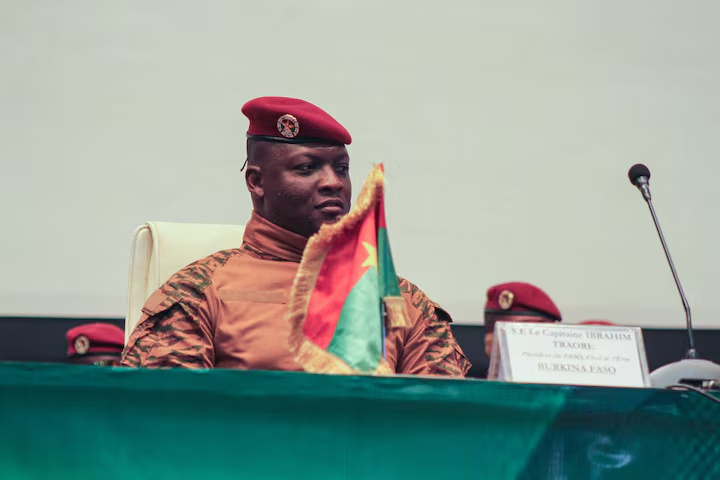
The claims rank among the sharpest the junta has leveled at Paris since Captain Ibrahim Traore seized power in a 2022 coup. French officials have repeatedly denied backing insurgents or working to destabilize the country.
The split follows years of friction over military cooperation and France’s broader security role in the Sahel.
A Growing Rift Across the Sahel
Burkina Faso’s move tracks similar breaks by Mali and Niger, whose own military governments have cut ties with Paris and built relationships with other foreign partners.
The three countries formed the Alliance of Sahel States after withdrawing from the Economic Community of West African States, building a bloc focused on joint security and political coordination. Many leaders and citizens across the region argue that decades of French troop deployments did little to slow the jihadist insurgency tearing through the Sahel.
France’s footing in the region has eroded as junta governments turn to other security partners and chart their own foreign policy paths.
Security Crisis Continues to Worsen
Burkina Faso is still fighting one of Africa’s deadliest insurgencies.
Islamist fighters tied to al Qaeda and the Islamic State have battled the government for almost ten years in a conflict that spread from Mali. The fighting has killed thousands and driven millions from their homes.
Government forces don’t control large stretches of the country, and attacks on civilians and troops keep happening. The instability has fed the rise of military rule across the Sahel, and Traore’s government has argued repeatedly that a different security strategy is needed, blaming foreign powers for working against that effort.
France Warns Its Citizens
After Burkina Faso’s announcement, France told its citizens in the country to stay alert. The Foreign Ministry said the diplomatic break could affect security conditions and consular support going forward.
Paris hasn’t detailed what retaliatory steps it might take, though officials said options remain on the table, including possible visa restrictions, cuts to development aid, or shutting remaining diplomatic posts.
A Historic Relationship Comes Apart
Burkina Faso, once known as Upper Volta, was a French colony until independence in 1960. France kept close political, military and economic ties with the country for decades after.
Those ties have drawn more scrutiny as younger Sahelians question France’s continued role in the region. Street protests against the French military presence have grown more common, with demonstrators calling for troop withdrawals and a full reckoning with the colonial past.
Uncertain Future for Regional Diplomacy
What comes next for France and Burkina Faso is unclear. Both governments appear dug in, even as the Sahel grapples with extremist violence, humanitarian need and economic strain. France’s next move, and Burkina Faso’s response to it, will shape how the region’s former colonial relationships look going forward.