
Venezuela is dealing with one of the worst natural disasters in its modern history after two powerful earthquakes hit near Caracas, leaving widespread destruction, dozens of confirmed deaths, and fears that the final toll could climb into the thousands.
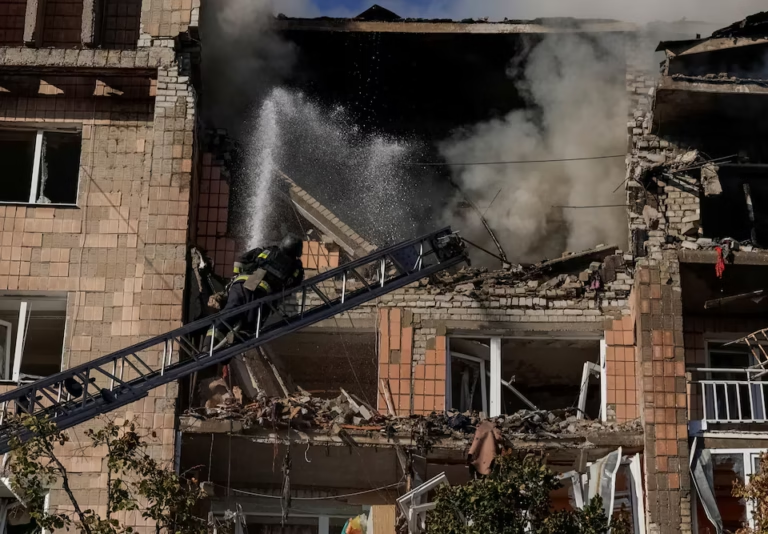
Emergency crews worked through the night Thursday, digging through piles of concrete and twisted metal looking for survivors trapped under collapsed buildings. Officials have confirmed at least 32 deaths and more than 700 injuries, but they warn those numbers are expected to rise once rescue teams reach the areas hit hardest. Aftershocks kept rattling residents who were already shaken by the twin quakes.
Two quakes, seconds apart
The USGS reported the first earthquake, magnitude 7.2, struck roughly 160 kilometers west of Caracas. Less than a minute later, a stronger 7.5-magnitude quake followed and made the damage worse. Both epicenters sat in central Venezuela, but the shaking reached much of the country, plus neighboring nations in South America and the Caribbean.
The USGS said its models suggest the eventual death toll could reach several thousand, and put real odds on fatalities passing 10,000.
Buildings come down across Caracas
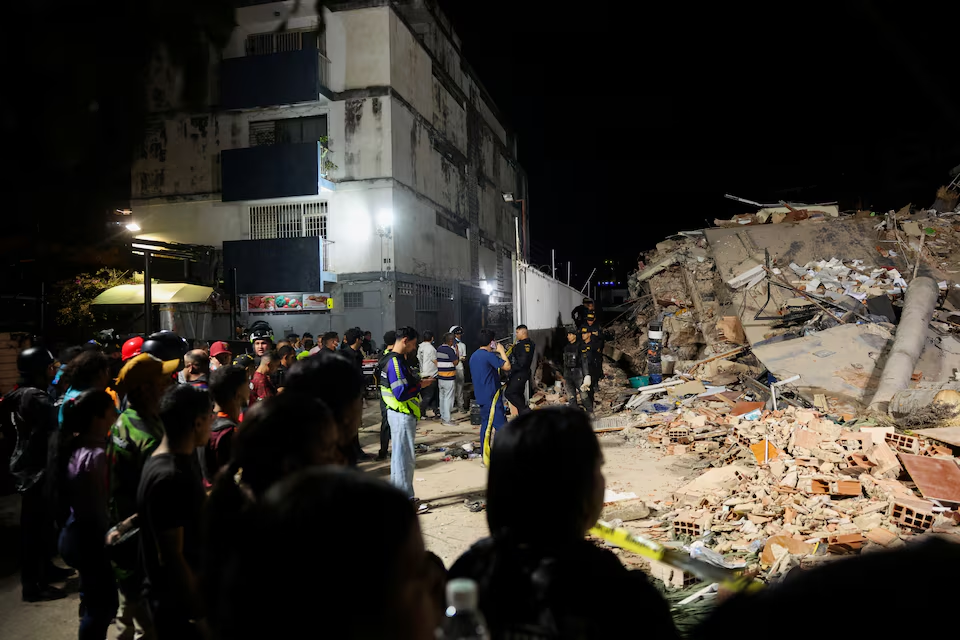
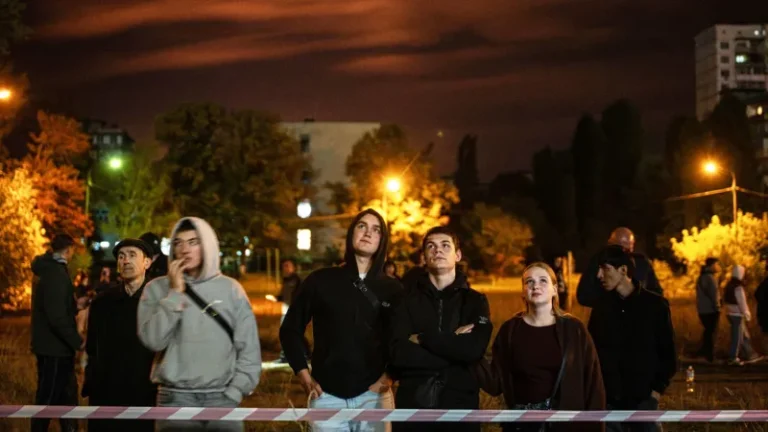
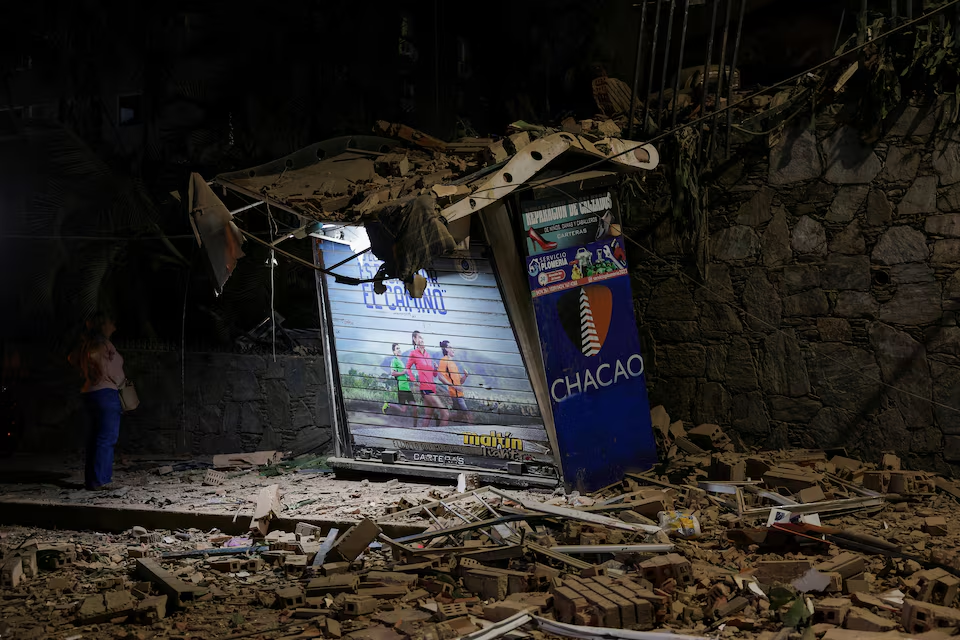
As night fell over the capital, scenes of destruction emerged from several neighborhoods where homes, offices, and commercial buildings had crumbled. Rescue workers climbed through debris while relatives gathered nearby, waiting for word on family members believed trapped.
“When we got downstairs, it looked like a horror movie,” said Maria Alejandra, who lives near one of the collapsed buildings in Caracas. “We had to climb over pieces of concrete and broken walls. Families were screaming, and people were trying to help each other get out.”
Rescue teams carried injured survivors on stretchers as sirens echoed across the city.
Toll expected to climb
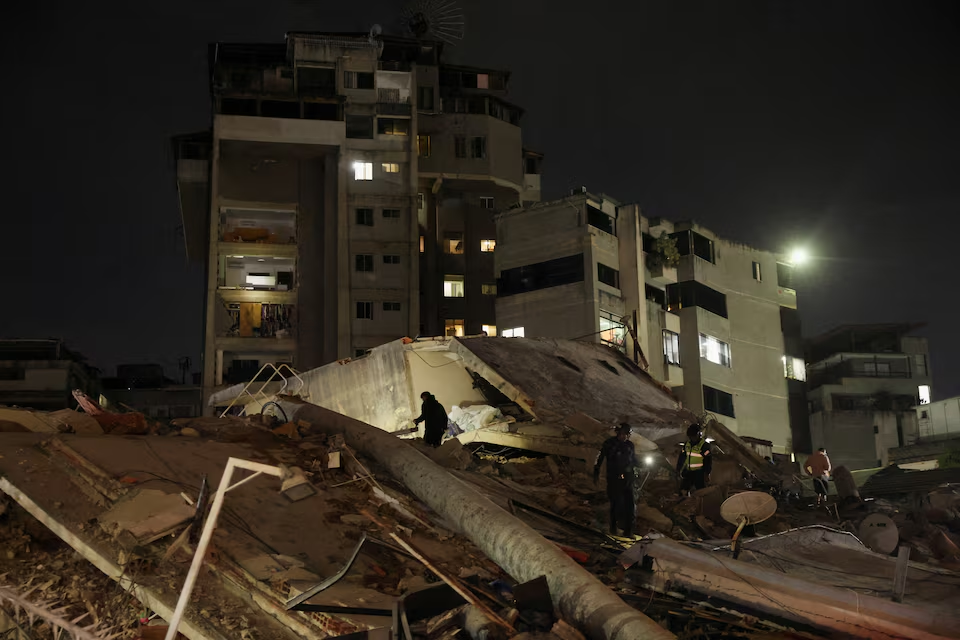
Interim President Delcy Rodríguez addressed the country shortly after midnight, confirming the initial numbers but warning that authorities still hadn’t gotten full reports from some of the worst-hit regions. “Dozens of buildings have collapsed, and we are carrying out intense rescue operations to save as many lives as possible,” Rodríguez said in a televised address.
La Guaira, home to the country’s main international airport and several densely populated communities, is a particular concern. Damaged communication networks and infrastructure there have made it hard for emergency crews to get a full picture of the destruction. An online platform set up to help families track down missing relatives had already logged more than 6,600 unaccounted-for people by early Thursday morning.
A holiday made it worse
The earthquakes hit on a national holiday, so millions of Venezuelans were home when the ground started shaking. “There was an incredibly loud crash,” said Caracas resident Coro Martinez. “Everything inside the house fell. I’ve never experienced anything like this before.” Many residents ran into the streets barefoot and in their pajamas, afraid of further collapses.
Aftershocks keep the fear going
A series of strong aftershocks continued through the night and into Thursday morning, forcing authorities to evacuate several buildings and pause rescue work in some areas over safety concerns.
“As soon as the shaking started, we heard people screaming everywhere,” said Astrid Ramirez, a publicist in western Caracas. “Everyone was running down the stairs.”
For many Venezuelans, the disaster brought back memories of the deadly 1967 Caracas earthquake. “This was worse than 1967,” said 80-year-old pensioner Maria Romero after police helped her get out of her home.
World offers help
The disaster drew an immediate response from other countries. President Donald Trump offered condolences and assistance. “The two major earthquakes that just hit the great people of Venezuela are massive in scale and have left a devastating number of deaths,” Trump wrote on social media. The U.S. said it’s preparing humanitarian aid and rescue support if Venezuelan authorities ask for it.
Leaders from Brazil, Spain, El Salvador, and the Dominican Republic also offered support. The United Nations urged Venezuelan authorities to keep communication networks and social media accessible during the rescue effort, calling access to information “a matter of life and death.”
Airport shut, roads damaged
Footage online showed debris falling from the ceiling at Simón Bolívar International Airport as travelers ran for safety. Authorities closed the airport temporarily after reports of structural damage. A tsunami warning went out briefly after the quakes but was canceled once experts ruled out a significant threat. Several roads and bridges near the epicenter were also damaged, making it harder to get aid and personnel where they’re needed.
Hospitals stretched thin
Hospitals across Caracas filled up fast as hundreds of injured residents sought treatment. Staff at major hospitals were told to stay on duty, and extra medical personnel were called in. The Venezuelan Red Cross said its own headquarters suffered serious damage but confirmed its rescue teams had already deployed to the hardest-hit areas. Authorities suspended classes for the rest of the week while engineers check schools and public buildings for damage.
Oil sector spared
Venezuela’s oil infrastructure appears to have avoided major damage despite the destruction elsewhere. Officials around Lake Maracaibo, the heart of the country’s oil-producing region, reported no major incidents, and workers at the El Palito Refinery said operations hadn’t suffered serious damage. Energy analysts warned, though, that extended power outages could still hurt production.
Why Venezuela keeps getting hit
Venezuela sits on the boundary between the Caribbean and South American tectonic plates, which makes it prone to seismic activity. Geologists say the movement between these plates can produce powerful earthquakes capable of doing severe damage, especially in dense urban areas. The country has been here before. In 1812, a major quake reportedly killed around 30,000 people and destroyed large parts of Caracas and other cities.
A long recovery ahead
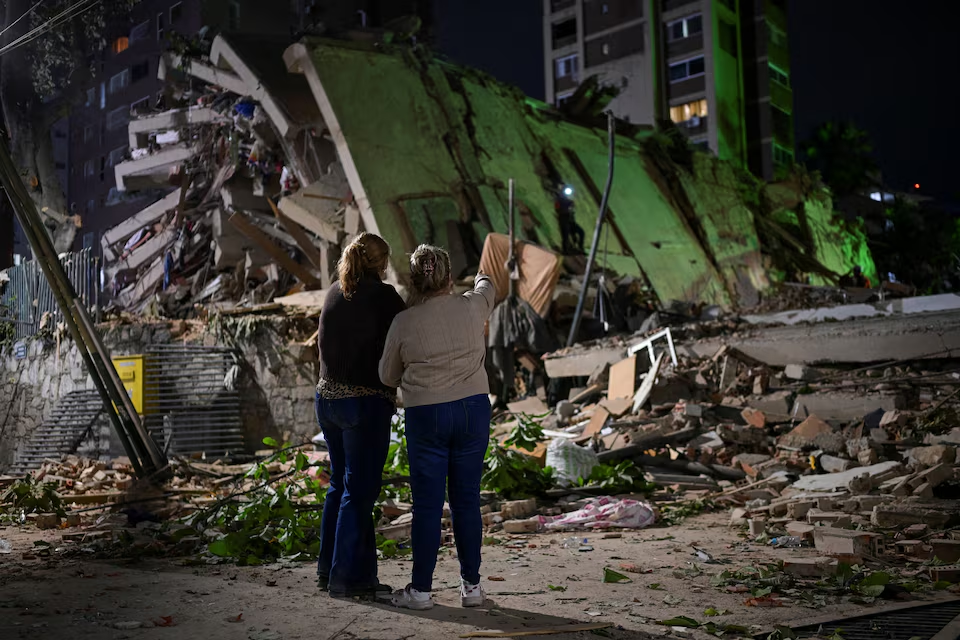
As search and rescue work continues, Venezuela faces the massive job of rebuilding communities, fixing damaged infrastructure, and helping thousands of displaced residents. For many families right now, the priority is finding missing loved ones. Rescue workers across Caracas keep digging through rubble, listening for any sign of life beneath the debris. The coming days are expected to show the true scale of what may turn out to be one of the deadliest natural disasters to hit Venezuela in generations.