President Donald Trump has called off a planned signing ceremony for a bipartisan affordable housing bill, ramping up pressure on Senate Republicans to back his signature election measure, the SAVE America Act.
The move exposes growing strain inside the Republican Party and shows how hard Trump is finding it to move one of his top domestic priorities, even with Republicans controlling both chambers of Congress.
Trump announced the decision on social media Wednesday, saying he would hold off on signing the housing bill until lawmakers pass what he called the “desperately needed” voting legislation.
He’s expected to meet with Republican senators behind closed doors later in the day to try to rebuild support for a bill that has stalled in the Senate again and again.
What the SAVE America Act Would Do
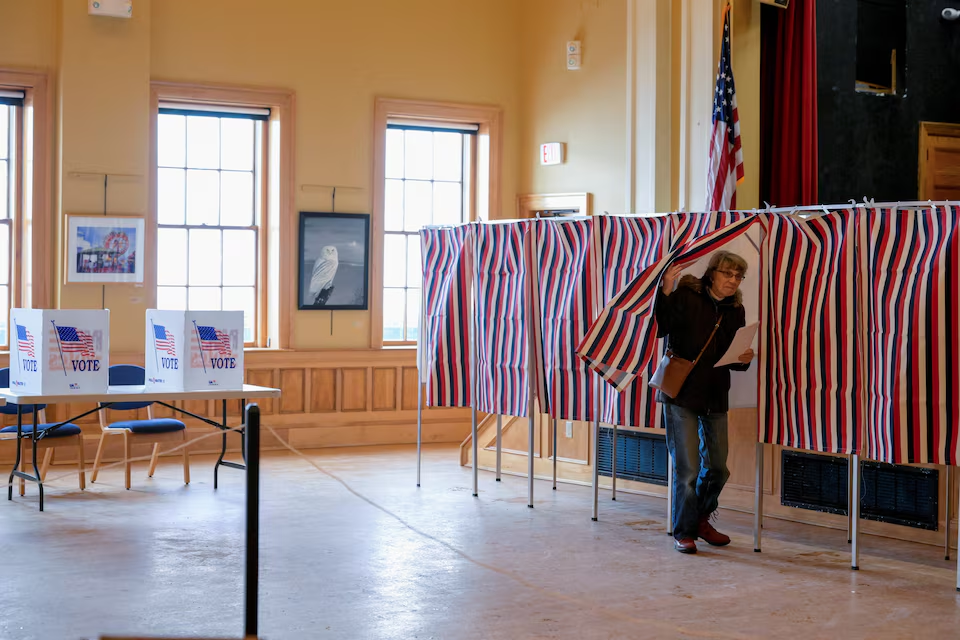
The SAVE America Act ranks among the biggest voting proposals Republicans have introduced since Trump returned to the White House.
It would require voters to show a government-issued photo ID in federal elections, require proof of U.S. citizenship to register to vote, force states to share voter registration records with the federal government, and widen federal oversight of voter registration databases.
Backers say the bill would tighten election security and rebuild public trust in the voting process. Trump has called the legislation essential to protecting American democracy and stopping election fraud.
“This is a national emergency,” he wrote in the post announcing the housing bill delay.
Housing Bill Turns Into a Bargaining Chip
The bipartisan housing bill Trump declined to sign had drawn broad support in Congress. It would boost affordable housing construction, offer incentives to first-time homebuyers, and expand federal funding for local housing programs.
Several lawmakers pointed out that Trump’s refusal to sign may not actually matter much. Under the Constitution, a bill becomes law without the president’s signature if Congress stays in session and ten days pass after it reaches the White House. Congressional leaders also believe they have the votes to override a veto if Trump tries one.
That has left many Republicans reading the move as a pressure tactic rather than a real attempt to block the housing bill.
Senate Math Keeps Working Against the White House
The SAVE America Act runs into a familiar problem in the Senate. Republicans hold 53 of 100 seats, but most legislation needs 60 votes to clear a filibuster and reach final passage. That means Republicans would need at least seven Democrats on board, and Democratic opposition to the bill has been firm.
Versions of the legislation and related provisions have failed in the Senate five times since March.
Senate Majority Leader John Thune put it bluntly. “Those are simply the hard realities,” he told reporters. “At some point, people have to recognize the numbers we have and the rules that govern the Senate.”
Republicans Won’t Touch the Filibuster
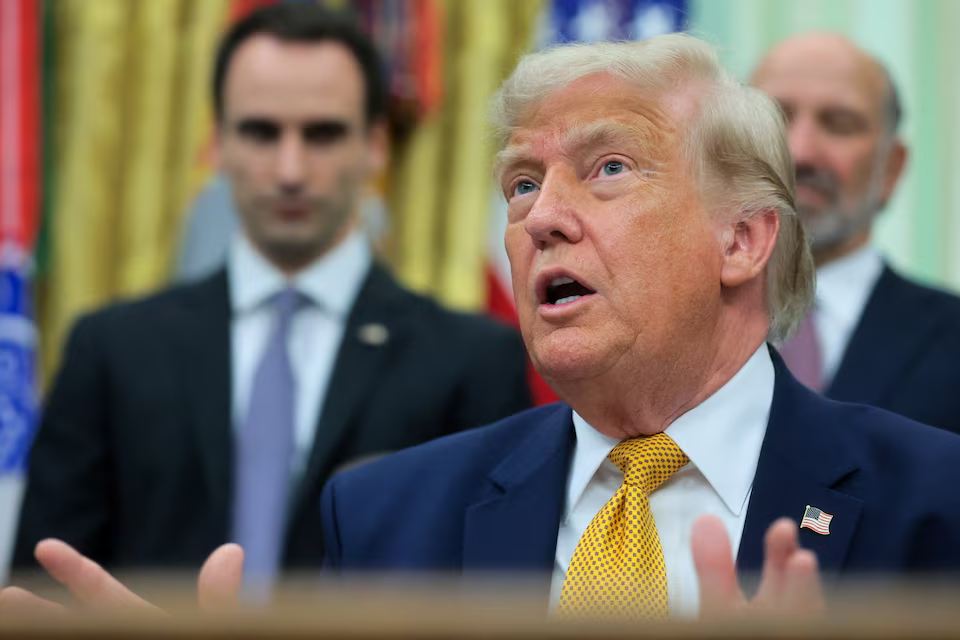
Trump has pushed Senate Republicans repeatedly to scrap the legislative filibuster so the voting bill could pass with a simple majority. Most GOP senators have shown little appetite for that. Some worry that killing the filibuster would strip away minority protections in the Senate, a problem if Democrats retake control down the road.
Senators have also pushed back on other ideas from Trump, including attaching the voting bill to spending legislation that has to pass and removing Senate officials who blocked efforts to fold the measure into budget packages.
The resistance suggests Trump’s grip on congressional Republicans isn’t what it used to be.
Some Senators Say Keep Fighting
Florida Senator Rick Scott, one of the bill’s biggest champions, invited Trump to Wednesday’s meeting and sounded upbeat about where things stand. “Every bill starts without enough votes,” Scott said. “The question is whether we can find a path forward.”
He and other supporters think the bill still resonates with Republican voters and could become a real issue heading into the 2026 midterms.
A Presidential Visit That Says a Lot
Presidents don’t show up at the Capitol to lobby senators very often, which makes Trump’s personal visit stand out. It comes at a rough moment for his relationship with Senate Republicans. With under five months until the midterms, several GOP senators have started pushing back on him openly, including over a proposed $1.8 billion anti-weaponization fund, his pick of an ally with little intelligence background to run the nation’s intelligence agencies, and disagreements on foreign policy tied to military action involving Iran.
Iran Vote Splits Republicans Further
Those cracks showed up clearly on Tuesday, when four Republican senators sided with Democrats to pass legislation limiting U.S. military action against Iran. Susan Collins, Lisa Murkowski, Rand Paul and Bill Cassidy crossed over, dealing the White House an awkward defeat.
Trump didn’t hold back. “Four Republican losers voted with the Democrats,” he wrote, arguing the vote had made his administration’s foreign policy work harder.
Democrats Say the Bill Solves Nothing
Democrats remain solidly against the SAVE America Act. They argue that non-citizen voting in federal elections is rare to the point of being a non-issue, and that the bill targets a problem that barely exists while creating new ones.
Voting rights groups warn that plenty of eligible citizens don’t have quick access to passports or birth certificates, especially older voters, people with lower incomes, and those in rural areas. Democrats say the requirements could shut out voters who have every right to cast a ballot.
Some Republicans Want to Move On
Not every Republican thinks the fight is worth it. North Carolina Senator Thom Tillis questioned spending political capital on a bill that doesn’t have the votes to pass right now.
“Every minute we spend on this is time we’re not spending on issues that can help our colleagues get reelected,” Tillis said.
His comment echoes a wider worry among some Republicans that the party should be talking about the economy, inflation, immigration and public safety instead, with the midterms approaching.
A Test of Trump’s Pull in Congress
The fight over the SAVE America Act has turned into a real measure of how much sway Trump still holds in his second term. He remains popular with Republican voters, but recent setbacks suggest his ability to steer Congress has real limits now.
Whether Wednesday’s meeting changes anything is still unclear. For now, the standoff has laid bare the cracks in the Republican Party and the rough road ahead for one of Trump’s biggest legislative goals.