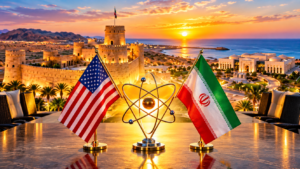


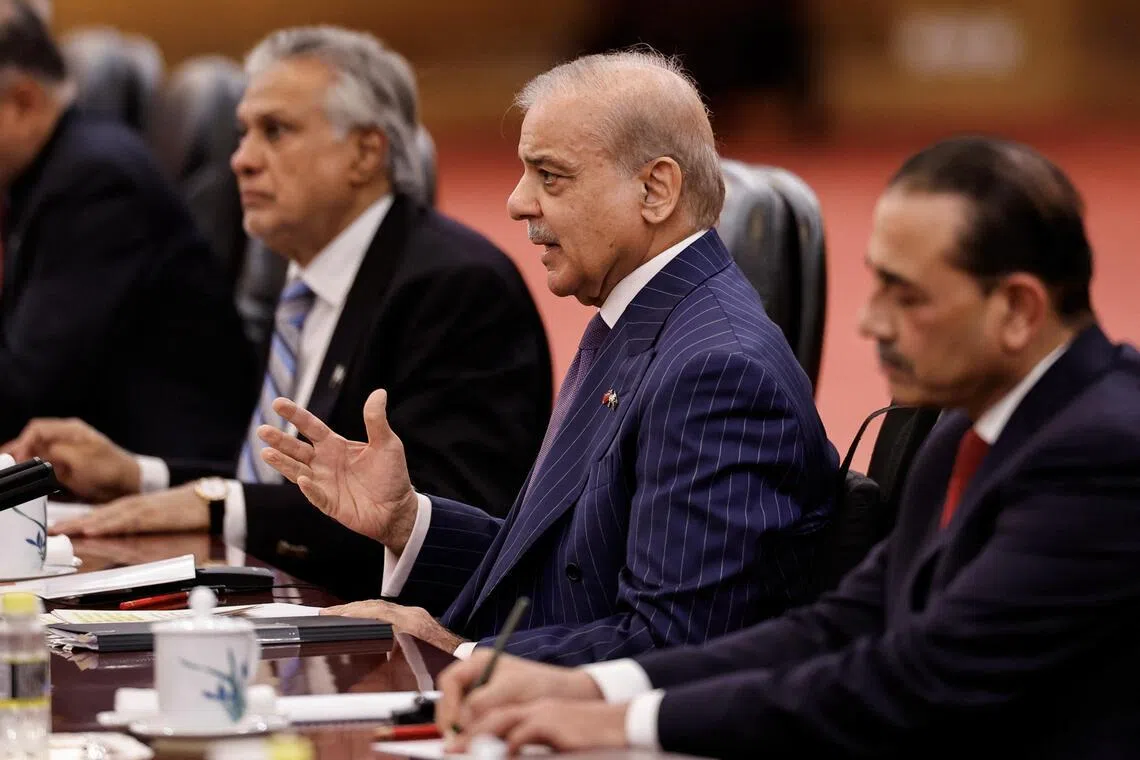
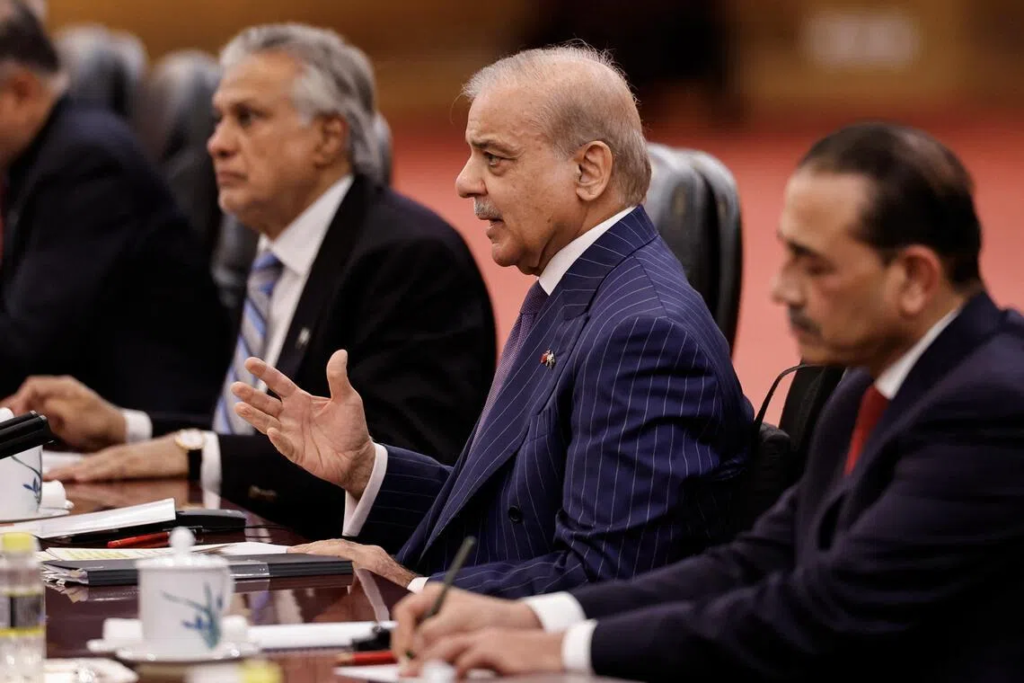
Pakistan Prime Minister Shehbaz Sharif has announced that the United States and Iran have reached a peace agreement, a development that could mark a major turning point in one of the world’s most closely watched geopolitical disputes.
According to Sharif, the agreement will be formally signed in Switzerland on June 19 after weeks of intensive negotiations involving regional and international mediators. The Pakistani leader described the deal as a significant diplomatic achievement that could help bring stability to a region that has faced months of uncertainty and escalating tensions.
The announcement has sparked cautious optimism among diplomats and international observers, many of whom have spent recent months warning that growing hostility between Washington and Tehran risked triggering a wider conflict across the Middle East.
If implemented successfully, the agreement could open a new chapter in relations between the two longtime rivals and reduce fears of further military escalation.
Immediate End to Military Operations
One of the most important elements of the agreement is the reported commitment by both sides to halt military activity immediately.
Sharif said the United States and Iran had agreed to a permanent end to military operations across all fronts linked to the conflict. The agreement reportedly extends beyond direct tensions between Washington and Tehran and includes regional flashpoints that have contributed to instability in recent months.
Notably, the Pakistani prime minister said the deal would include an end to military operations in Lebanon, where ongoing tensions involving Iran-backed groups have frequently threatened to expand into a broader regional confrontation.
The move is being viewed as a potentially significant step toward reducing violence and lowering the risk of future clashes.
For many governments in the region, preventing another major conflict has become an urgent priority as they seek to protect economic growth, energy markets, and national security.
Pakistan Emerges as a Key Peace Broker
The announcement also highlights Pakistan’s growing role as a diplomatic mediator on the international stage.
Over recent months, Islamabad has quietly positioned itself as an important channel of communication between Washington and Tehran, helping facilitate discussions at a time when direct engagement remained difficult.
Sharif said the breakthrough was the result of sustained diplomatic efforts and praised both sides for choosing negotiation over confrontation.
Pakistan’s ability to maintain working relationships with both the United States and Iran allowed it to play a unique role in helping move discussions forward.
Political analysts say the successful mediation effort could strengthen Pakistan’s standing internationally and reinforce its reputation as a country capable of helping resolve complex regional disputes.
For Islamabad, the agreement represents not only a diplomatic success but also an opportunity to demonstrate its influence in promoting regional stability.
Qatar, Saudi Arabia and Türkiye Played Crucial Roles
While Pakistan was at the center of the negotiations, Sharif emphasized that several regional partners helped make the agreement possible.
He specifically thanked Qatar for its mediation efforts, describing Doha’s role as critical in helping bridge differences between the two sides.
Qatar has developed a reputation in recent years as one of the Middle East’s most active diplomatic intermediaries, hosting negotiations involving regional powers, international organizations, and global governments.
Sharif also acknowledged the support of Saudi Arabia and Türkiye, both of which reportedly contributed behind the scenes to advancing the peace process.
The involvement of multiple regional powers reflects a broader recognition that prolonged instability benefits no one and that diplomatic solutions are increasingly viewed as the best path forward.
A Chance to Reset U.S.-Iran Relations
The agreement comes after decades of strained relations between Washington and Tehran.
The two countries have remained at odds over issues ranging from sanctions and regional influence to security concerns and Iran’s nuclear activities.
Although previous diplomatic efforts have occasionally produced periods of reduced tension, lasting breakthroughs have often proven difficult to achieve.
That is why many observers are describing the latest agreement as potentially historic.
If both sides follow through on their commitments, the deal could create an opportunity for broader discussions on economic cooperation, regional security, and long-standing political disputes.
Diplomats caution, however, that peace agreements are often easier to announce than to implement.
The coming weeks will be critical in determining whether both governments can translate diplomatic promises into lasting progress.
Why the Deal Matters Beyond the Middle East
The significance of the agreement extends far beyond Washington and Tehran.
For months, concerns about conflict between the two countries have affected global markets, energy prices, and international trade routes.
Any reduction in tensions is likely to be welcomed by investors, businesses, and governments that depend on stability in the Gulf region.
Energy markets in particular have closely monitored developments, as prolonged conflict could have threatened important shipping routes and disrupted supplies.
A successful peace process could ease those concerns and provide a more predictable environment for economic growth.
International leaders have repeatedly warned that instability in the Middle East has consequences far beyond the region, making diplomatic solutions especially important.
Challenges Still Lie Ahead
Despite the optimism surrounding the announcement, major challenges remain.
Many details of the agreement have not yet been made public, leaving questions about how commitments will be enforced and what steps both sides must take next.
Experts say implementation will likely require additional negotiations, verification mechanisms, and continued diplomatic engagement.
Trust remains another significant hurdle.
Years of hostility have created deep skepticism on both sides, meaning even small setbacks could test the durability of the agreement.
The official signing ceremony in Switzerland is expected to provide greater clarity on the roadmap ahead and the specific obligations each party has accepted.
A Rare Diplomatic Success Story
At a time when many international conflicts appear increasingly difficult to resolve, the announcement offers a rare example of diplomacy gaining momentum.
After months of uncertainty and fears of wider conflict, the agreement provides hope that dialogue can still succeed where confrontation has failed.
For Pakistan, it represents a major diplomatic accomplishment. For the United States and Iran, it offers an opportunity to move away from crisis management and toward a more stable relationship.
Whether the deal ultimately delivers lasting peace remains to be seen, but for now, the announcement has created a sense of cautious optimism across the region.
As leaders prepare to gather in Switzerland for the formal signing ceremony on June 19, attention will be focused on whether this breakthrough can become the foundation for a more peaceful and stable future in the Middle East.