
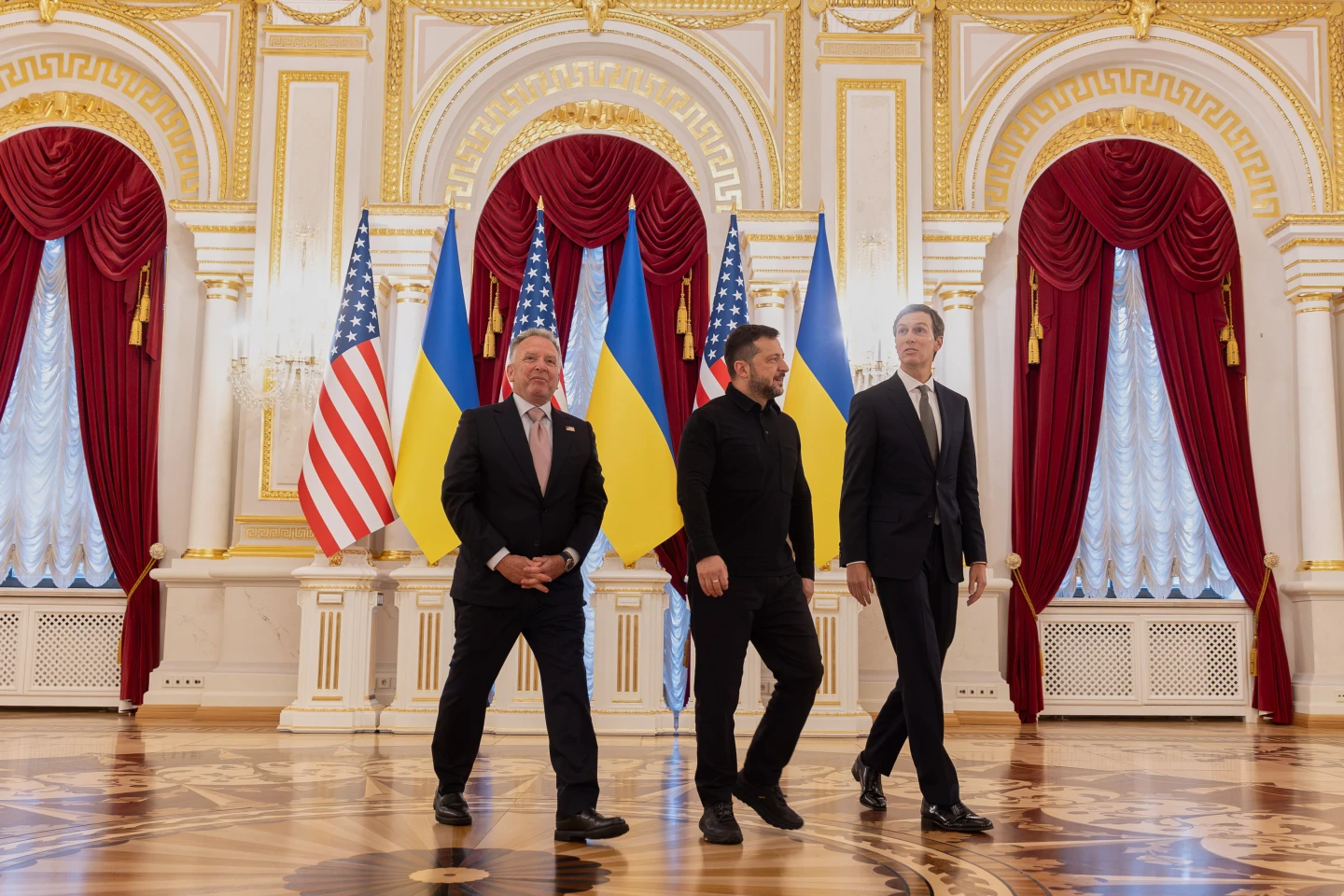
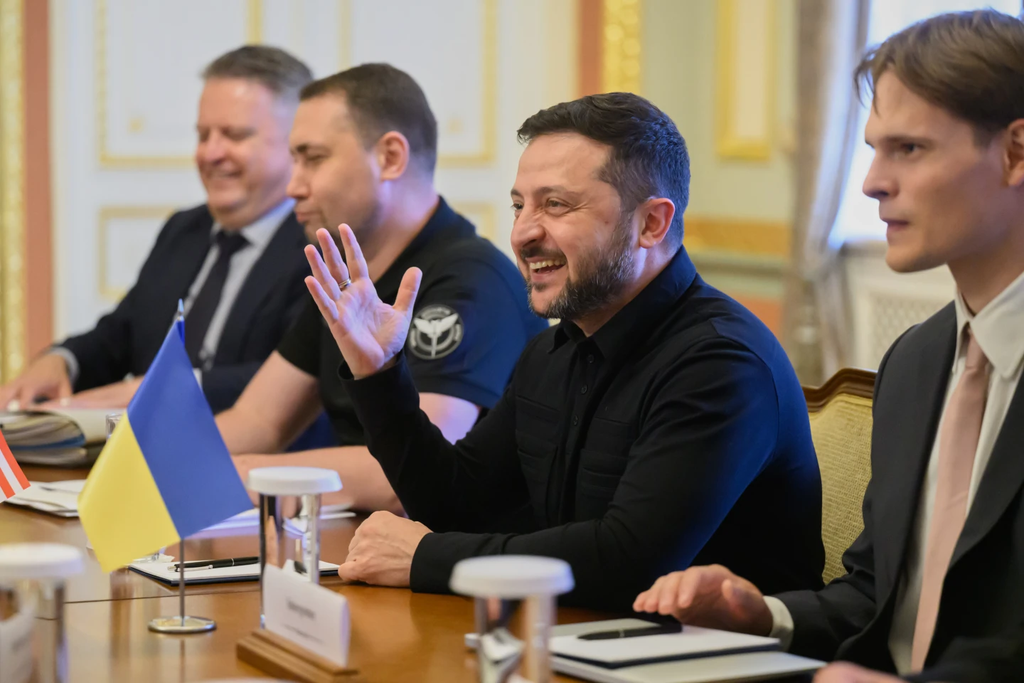
U.S. envoys Steve Witkoff and Jared Kushner held “encouraging” talks in Kyiv on Sunday, their first official visit to Ukraine, but the meeting produced no breakthrough toward ending Russia’s full-scale invasion.
The visit is part of a renewed push by the Trump administration to end the war. It came a day after Witkoff and Kushner met with Russian President Vladimir Putin in Moscow. Both trips took place as Russia and Ukraine have escalated aerial attacks on each other in a war that has now run more than four and a half years.
The Trump administration’s diplomatic effort to end the fighting had lost momentum in recent months, with U.S. attention centered on the Iran war for the past six months. The Kyiv and Moscow meetings mark an attempt to bring Ukraine back into sharper focus.
Despite the fresh round of diplomacy, the core demands of Moscow and Kyiv remain mutually exclusive, particularly over territorial concessions. That gap underscores how difficult reaching an agreement will be, even with senior American officials now shuttling between the two capitals.
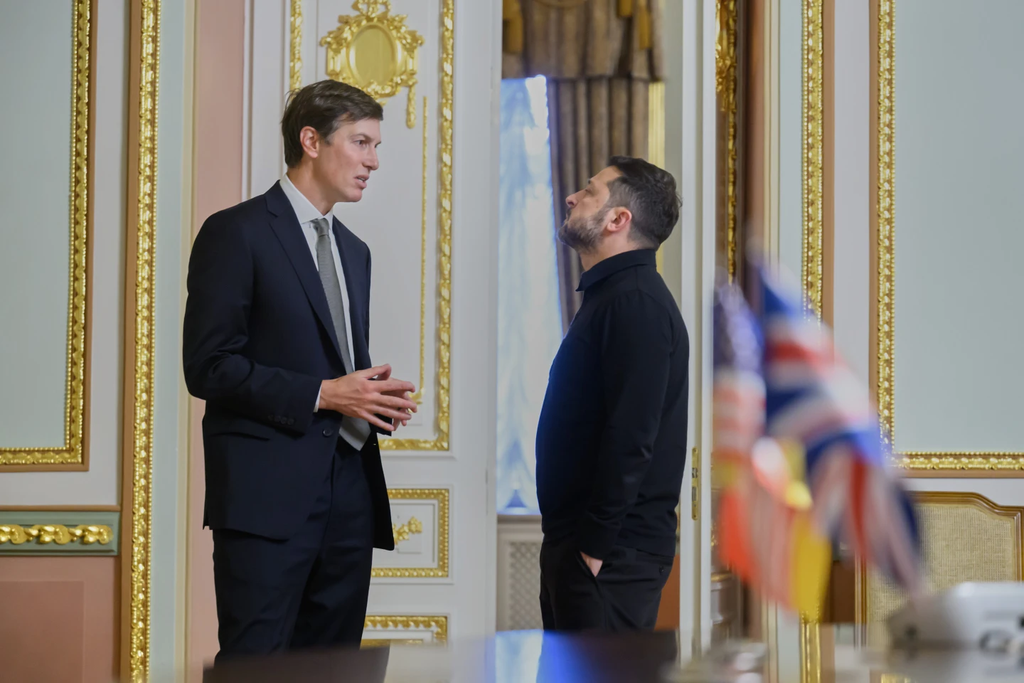
Kushner acknowledged the scale of the challenge after the Kyiv talks.
“It’s a very, very hard problem, but we’re going to try,” he said, adding that the U.S. was working “behind the scenes” to create the conditions for a possible deal.
A Renewed Push After Months On The Back Burner
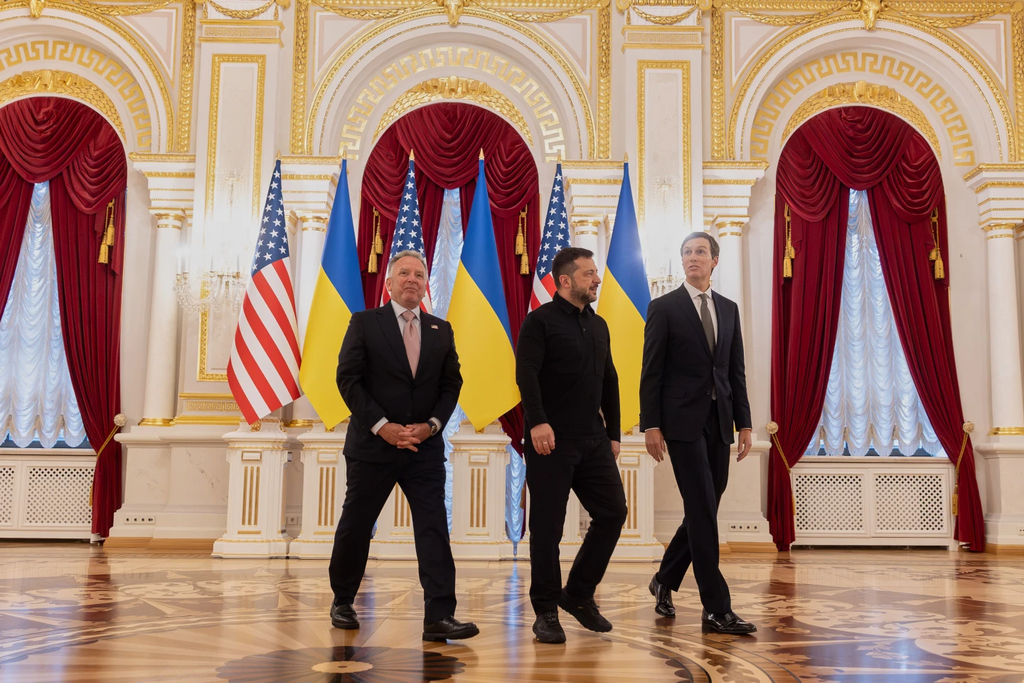
Witkoff has served as one of Trump’s most active envoys since the start of the administration, taking on negotiating roles across several of the president’s foreign policy priorities. Kushner, Trump’s son-in-law and a senior adviser during his first term, has also been drawn into the effort to broker an end to the war.
Sunday’s trip marked the first time either envoy had traveled to Ukraine in an official capacity, a notable shift after months in which the administration’s diplomatic bandwidth was consumed by the confrontation with Iran. That conflict, which began in February with U.S. and Israeli strikes, has dominated the White House’s foreign policy agenda and left less room for sustained attention on Ukraine.
With the Iran war continuing to simmer, including recent tanker strikes and threats of further retaliation in the Gulf, the decision to send Witkoff and Kushner to both Moscow and Kyiv within a single weekend signals an attempt to restart momentum on Ukraine without waiting for the Iran situation to fully resolve.
Territorial Demands Remain The Central Obstacle
The trip followed Saturday’s meeting with Putin in Moscow, where the Russian president has consistently tied any settlement to Ukrainian territorial concessions, including recognition of Russian control over areas it has occupied since the invasion began in February 2022. Kyiv has just as consistently rejected ceding territory as a precondition for peace, insisting instead on security guarantees and a return to something closer to its pre-invasion borders.
That divide has shaped every prior round of negotiations over the course of the war and shows no sign of narrowing. Kushner’s description of the effort as “very, very hard” reflects an acknowledgment, unusual in its bluntness for an active negotiator, that the fundamental positions of the two sides have not moved closer together despite the renewed diplomatic activity.
Fighting Continues To Escalate On Both Sides
The diplomatic trips came against a backdrop of intensifying violence rather than a lull that might typically accompany a serious peace push. Both Russia and Ukraine have stepped up aerial attacks in recent weeks, striking deeper and more frequently than in earlier phases of the war. The continued escalation illustrates the disconnect between the diplomatic track, now involving direct engagement from two of Trump’s closest envoys, and the battlefield, where neither side has shown willingness to de-escalate ahead of or during talks.
That pattern has recurred throughout the war: periods of diplomatic activity have rarely coincided with reduced fighting, and this weekend’s shuttle diplomacy appears to be no exception.
What Comes Next
Neither Witkoff nor Kushner outlined a specific timeline or framework following the Kyiv talks. Kushner’s description of the work as happening “behind the scenes” suggests the administration is not yet ready to present a formal proposal to either side, and that the Moscow and Kyiv meetings functioned more as fact-finding and relationship-building than as a negotiating session with concrete terms on the table.
Whether the renewed attention translates into sustained momentum will likely depend on how much bandwidth the administration can devote to Ukraine while the Iran conflict remains unresolved. With tanker attacks, threats against Gulf energy infrastructure, and disrupted shipping through the Strait of Hormuz still commanding significant attention in Washington, Ukraine’s place near the top of the president’s foreign policy agenda is not guaranteed to last.
For now, the takeaway from the weekend is limited but notable: after months of the war receiving diminished high-level attention, two of Trump’s most trusted envoys have made direct contact with both Kyiv and Moscow in the same trip, restarting a diplomatic channel that had gone largely quiet.