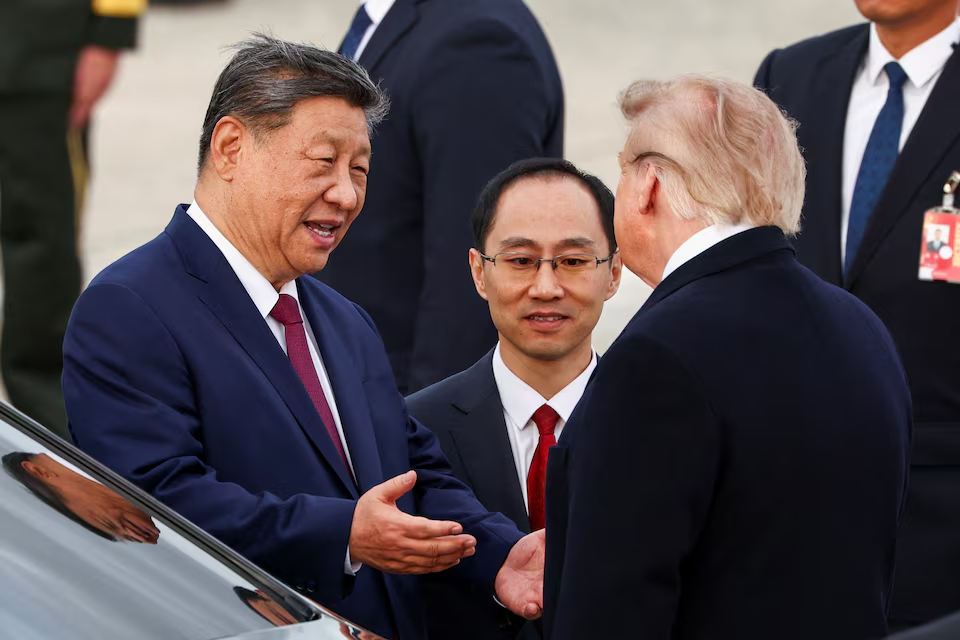

Just months after a ceasefire offered hope that tensions between the United States and Iran were beginning to ease, the two longtime rivals are once again exchanging military blows, raising fears that the Middle East could be heading toward another dangerous escalation.
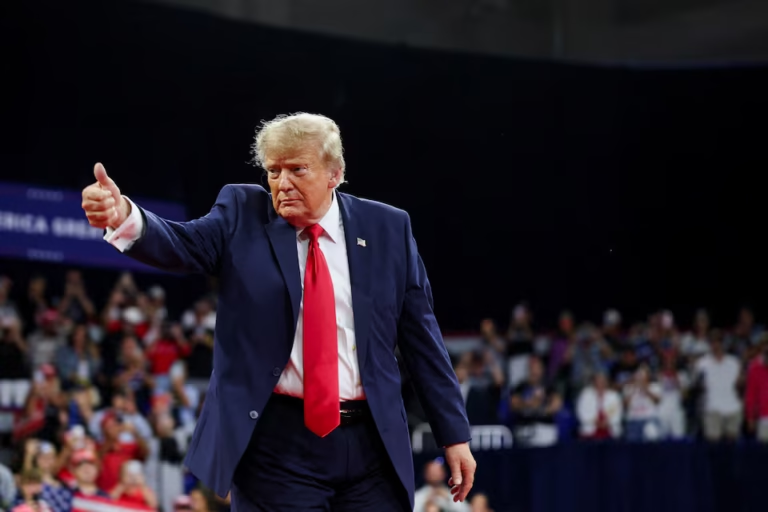
On Wednesday, U.S. President Donald Trump sharply criticized Iran, accusing Tehran of delaying negotiations and warning that it would now face serious consequences. His comments came after a night of military exchanges that saw Iranian missiles and drones launched at American military positions across the region and U.S. forces responding with strikes on Iranian targets.
The latest violence marks one of the most significant confrontations between Washington and Tehran since the ceasefire announced in April, and it has cast fresh doubt on whether diplomatic efforts can still prevent a broader conflict.
Trump Signals Tougher Response
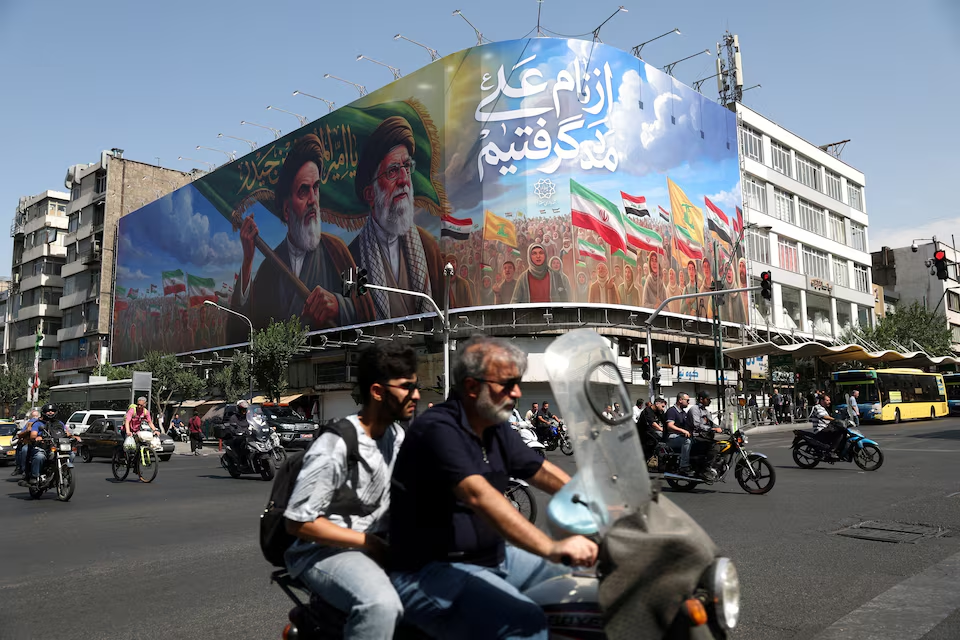
Trump made it clear that his patience with Iran is wearing thin.
In a series of public remarks, the president accused Iranian leaders of wasting time during negotiations and suggested the opportunity for a favorable agreement may be slipping away.
“Iran is all talk and no action,” Trump wrote on social media, arguing that Tehran had failed to seize multiple chances to reach a deal with Washington.
Later, speaking to reporters, he struck an even more forceful tone, saying the United States was prepared to respond aggressively if Iran continued its actions.
His remarks immediately drew attention in financial markets. Oil prices climbed as investors worried about disruptions to global energy supplies, while stock markets fell amid concerns that renewed conflict could destabilize the region.
Iran Launches Retaliatory Attacks
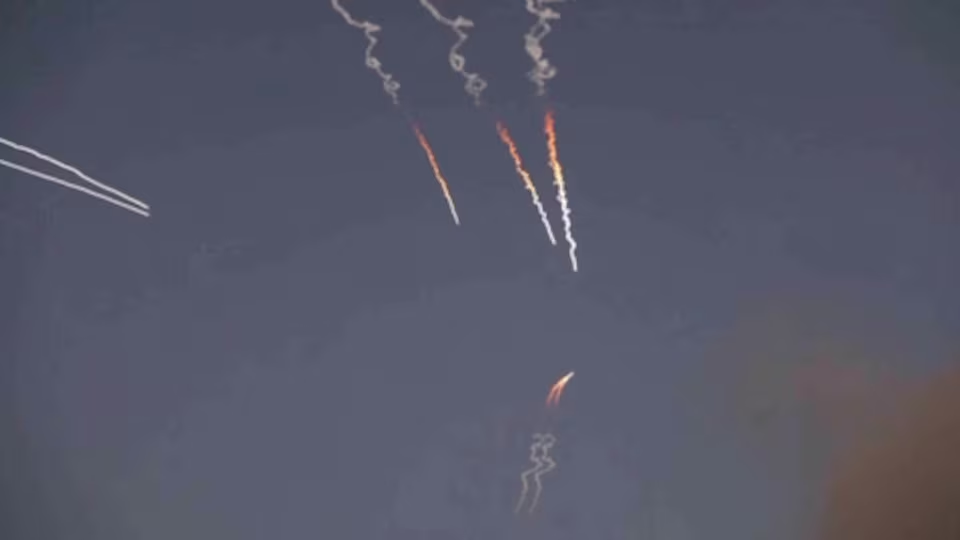
The latest confrontation began after Iran launched missiles and drones toward U.S. military installations in Jordan, Kuwait, and Bahrain.
Iranian officials described the attacks as retaliation for American strikes on Iranian military sites near the Strait of Hormuz, one of the world’s most strategically important shipping routes.
The strikes followed reports that a U.S. Apache helicopter had been brought down near the strait. While the exact cause of the crash remains unclear, American officials confirmed that both crew members were safely rescued.
Iran’s military framed its response as a message that it would not allow attacks on its territory to go unanswered.
The Revolutionary Guard said it had targeted several American military facilities across the Gulf region, including sites used by fighter aircraft and command centers.
Although Iran portrayed the operation as a major response, U.S. officials said the attacks caused little damage.
U.S. Says Defenses Prevented Major Losses

American military officials reported that most incoming missiles and drones were intercepted before reaching their targets.
According to U.S. assessments, no American personnel were killed or injured in the attacks, and there was no significant damage to military infrastructure.
Regional allies also played a role in defending against the strikes.
Jordan said its air defenses intercepted missiles heading toward military facilities, while Kuwait and Bahrain reported successfully stopping hostile aerial threats.
The coordinated response highlighted the extensive security network the United States has built across the Gulf, where thousands of American troops remain stationed.
Still, analysts warn that even unsuccessful attacks increase the risk of miscalculation and could trigger a larger conflict if either side decides to escalate further.
Washington Strikes Back
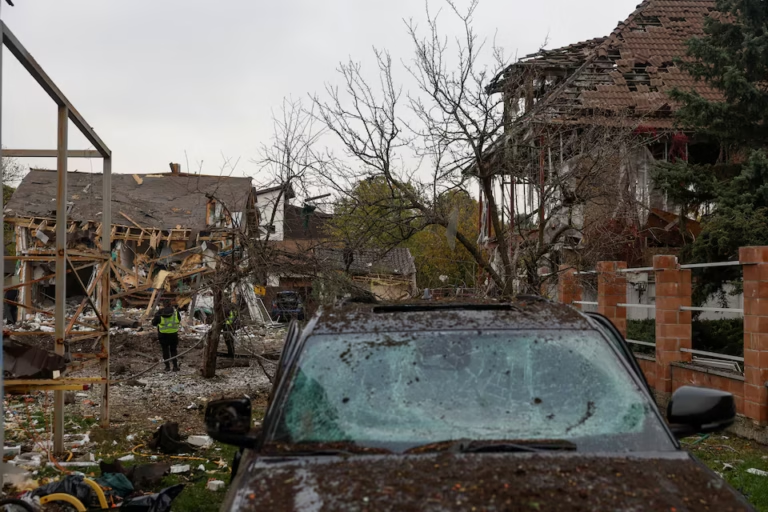
In response to the Iranian attacks and the downing of the Apache helicopter, the U.S. military launched a series of strikes against Iranian military targets.
American officials described the operation as a limited and proportional response designed to weaken Iran’s ability to conduct future attacks.
The targets reportedly included air defense systems, radar installations, surveillance equipment, and command facilities.
According to U.S. defense officials, nearly 20 Iranian military sites were hit during an operation that lasted several hours.
Iranian state media reported explosions in multiple locations, including Bandar Abbas and areas near the entrance to the Strait of Hormuz.
While the full extent of the damage remains unclear, the strikes represent one of the largest American military actions against Iran since the ceasefire took effect earlier this year.
Diplomacy Faces a New Test

Perhaps most concerning for diplomats is the growing strain on efforts to revive negotiations.
Iranian officials signaled Wednesday that they may reconsider future talks with Washington, arguing that continued military actions make meaningful diplomacy difficult.
Foreign Ministry spokesperson Esmaeil Baghaei said negotiations require stability and trust, both of which have been damaged by recent events.
The comments reflect a growing frustration in Tehran, where officials increasingly question whether the United States is genuinely committed to a diplomatic solution.
At the same time, neither side has formally abandoned talks.
That distinction is important.
Despite the heated rhetoric and military exchanges, diplomatic channels remain open, offering a small but significant sign that both governments may still be interested in avoiding a wider war.
Qatar Attempts to Keep Dialogue Alive
As tensions rose, Qatar moved quickly to prevent further deterioration.
A Qatari delegation arrived in Tehran on Wednesday as part of ongoing mediation efforts aimed at keeping communication alive between the two sides.
Qatar has emerged as one of the most important intermediaries in recent months, helping facilitate indirect discussions between Washington and Tehran.
Regional diplomats hope the latest talks can help reduce tensions before another round of military action pushes both sides even further apart.
However, officials privately acknowledge that the task has become much more difficult.
Strait of Hormuz Remains at the Center of the Crisis

The latest fighting once again underscores the strategic importance of the Strait of Hormuz.
The narrow waterway serves as a critical route for global energy exports and has long been one of the most sensitive flashpoints in the region.
Any disruption there can quickly affect oil prices and global markets.
Adding to concerns, maritime security officials reported an incident involving a commercial tanker operating near the area. Two crew members were reported missing and another injured following what was described as a suspected missile strike.
The incident highlights the growing risks facing commercial shipping as military activity intensifies.
Peace Appears More Distant Than Ever
The ceasefire announced in April was intended to create a pathway toward a broader agreement covering sanctions, regional security, maritime access, and Iran’s nuclear program.
Months later, those goals appear increasingly difficult to achieve.
Iran continues to demand sanctions relief, access to frozen financial assets, and recognition of its regional interests. The United States insists Iran must end threats to shipping and provide guarantees that it will not develop nuclear weapons.
Both sides remain far apart.
Adding further pressure, the U.N. nuclear watchdog approved a resolution this week calling on Iran to provide greater transparency regarding its enriched uranium stockpiles.
Iran dismissed the move as politically motivated.
For now, diplomacy remains alive, but barely.
The latest military exchanges have shown just how fragile the current situation is. While neither Washington nor Tehran appears eager for an all-out war, the margin for error is shrinking—and each new confrontation makes a peaceful resolution more difficult to achieve.