
Just as hopes were beginning to emerge for a broader de-escalation across the Middle East, a deadly Israeli airstrike on the southern Lebanese city of Tyre has underscored how fragile those hopes remain.
At least eight people were killed on Tuesday when Israeli warplanes struck the outskirts of the historic coastal city, according to Lebanon’s Health Ministry. The attack came only a day after Israel and Iran halted direct attacks against one another following intense diplomatic efforts led by the United States.
The strike has renewed fears that the conflict in Lebanon could derail attempts to transform a temporary pause in fighting between Israel and Iran into a wider peace agreement.
For many observers, the events in Tyre illustrate a difficult reality: while tensions between Israel and Iran may have eased for now, several flashpoints across the region continue to threaten stability.
Panic and Displacement in Southern Lebanon
Residents of Tyre awoke Tuesday to evacuation warnings issued by the Israeli military, prompting thousands to flee parts of the city.
Local media reported scenes of hurried departures as families gathered belongings and sought refuge elsewhere. Civil defence workers helped transport elderly residents and those unable to leave on their own to temporary shelters.
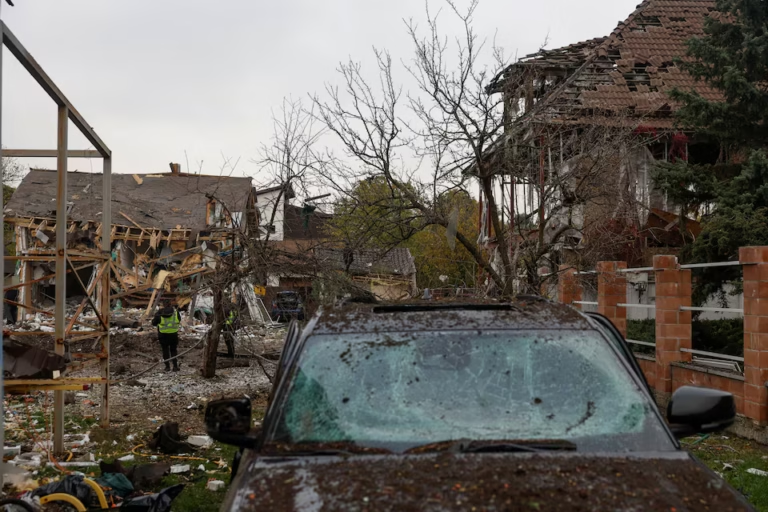
Hours later, a powerful strike hit an area on the city’s eastern side.
Lebanese authorities said the attack killed eight people in a single blast, making it the deadliest strike on Tyre since fighting spread into Lebanon earlier this year.
Tyre, known for its ancient ruins and rich history stretching back thousands of years, has become increasingly caught up in a conflict that extends far beyond Lebanon’s borders.
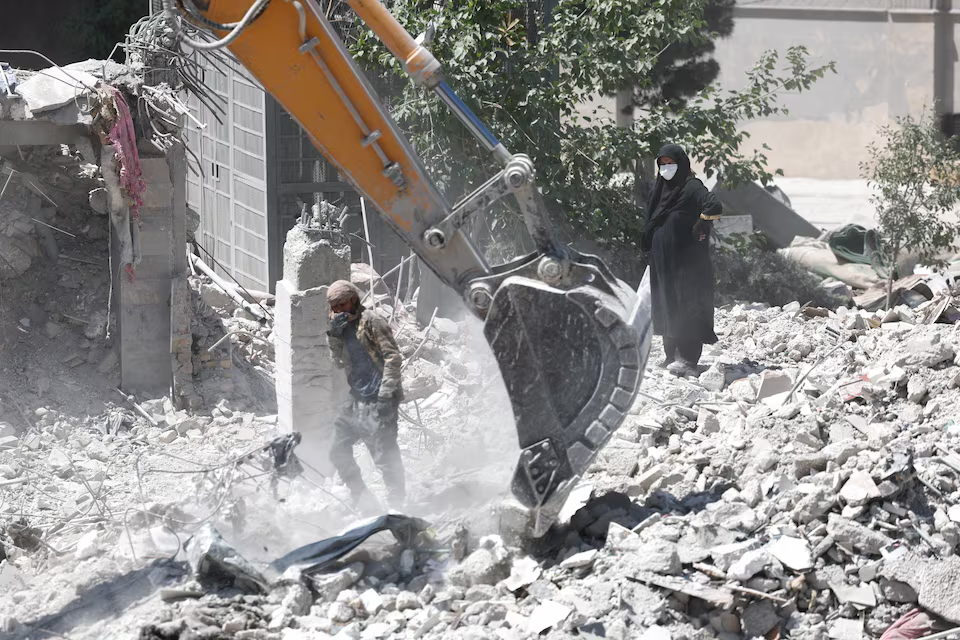
The city has largely avoided the widespread destruction seen in other conflict zones across the region, but Tuesday’s attack served as a stark reminder that no area remains completely insulated from the growing instability.
Lebanon Remains the Sticking Point
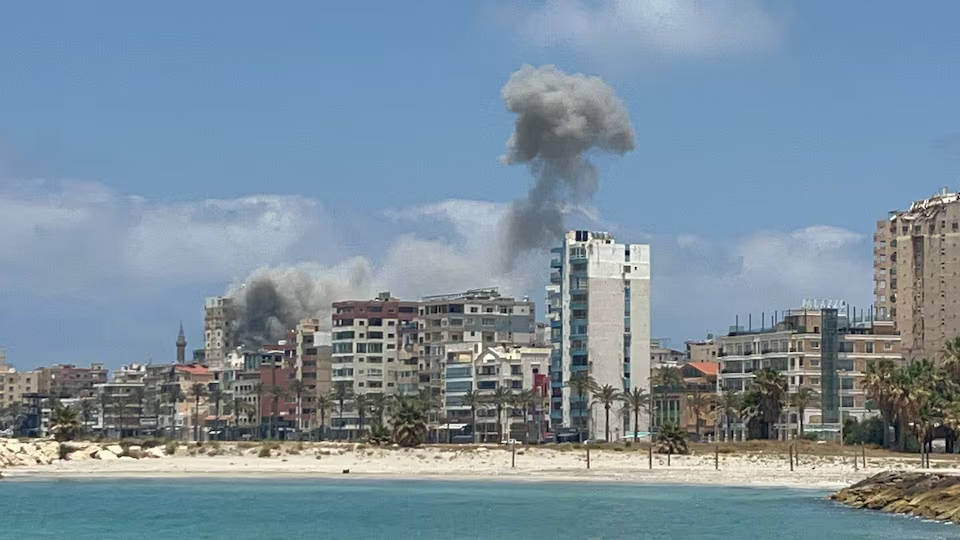
The strike also exposed one of the biggest obstacles standing in the way of a broader Middle East peace deal.
While Iran and Israel have stepped back from direct confrontation, Tehran continues to insist that any long-term agreement must include an end to Israeli military operations against Hezbollah in Lebanon.
Israel has rejected that position.
Israeli leaders maintain that their campaign against Hezbollah is a separate military objective and should not be tied to negotiations involving Iran.
That disagreement has become a major headache for diplomats attempting to build momentum toward a wider settlement.
“The Lebanon issue remains one of the most difficult parts of any regional agreement,” said one analyst familiar with ongoing negotiations. “As long as fighting continues there, the risk of escalation remains.”
Trump Pushes to Keep Talks Alive
The latest violence comes as U.S. President Donald Trump attempts to preserve a fragile diplomatic opening that emerged after direct attacks between Israel and Iran were suspended.
Speaking to reporters on Tuesday, Trump suggested that discussions with Tehran were continuing and hinted that progress could be made in the coming days.
Although the president offered few details, his administration has been eager to prevent another cycle of escalation that could drag the region back toward a broader war.
According to U.S. and Israeli officials, Trump spoke with Israeli Prime Minister Benjamin Netanyahu on Monday as part of those efforts.
In remarks later reported by Axios, Trump suggested he had urged Netanyahu to avoid steps that could reignite direct confrontation with Iran.
The comments reflected growing concern in Washington that military actions in Lebanon could undo recent diplomatic gains.
Questions Remain After U.S. Helicopter Crash
Elsewhere in the region, U.S. military officials were still investigating the crash of an Apache attack helicopter near the Strait of Hormuz.
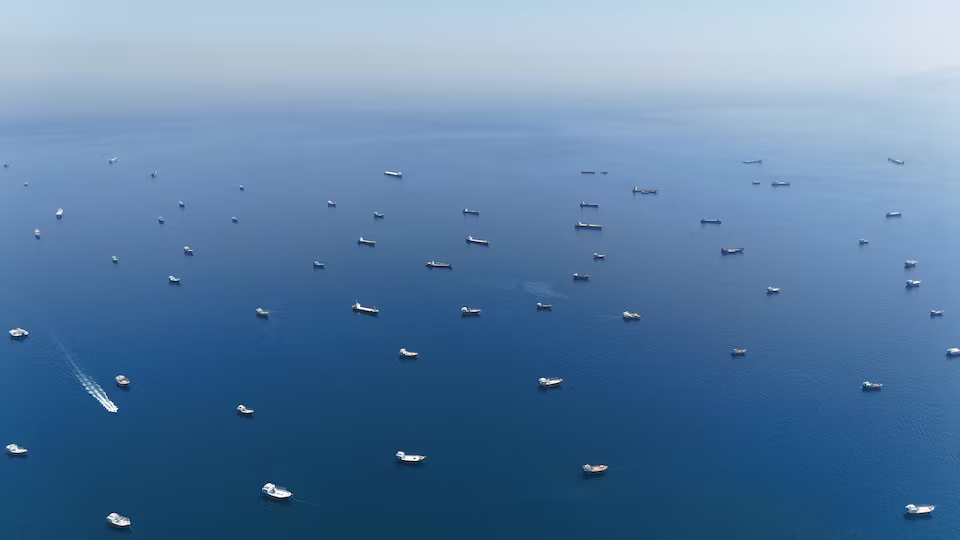
The aircraft went down during operations near the strategic waterway, one of the world’s most important shipping routes.
Both crew members were rescued safely and were reported to be in stable condition.
Trump sought to reassure reporters, saying the pilots were unharmed.
Military officials, however, have not yet determined what caused the incident.
Whether the helicopter experienced mechanical problems, operational difficulties, or came under hostile fire remains unclear.
The episode highlighted the continued risks facing military forces operating in a region where tensions remain high despite recent diplomatic progress.
Iran Mourns Its Dead
In Tehran, attention was focused on funeral ceremonies for two Iranian air defence personnel killed in Israeli strikes the previous day.
Iranian officials accused Israel of undermining efforts to reduce tensions and warned that continued attacks against Iranian allies could have consequences.
No fatalities were reported in Israel following recent Iranian strikes, but the exchange of attacks has left both countries on edge.
Despite the current pause, neither side appears ready to fully trust the other.
Energy Markets Find Temporary Relief
The easing of direct hostilities between Israel and Iran brought some relief to global markets.
Oil prices, which had climbed sharply during recent military exchanges, moved lower after the attacks were paused.
Investors remain cautious, however.
The Strait of Hormuz remains a critical concern because it serves as one of the world’s most important routes for oil and natural gas exports.
Any disruption there has the potential to affect energy supplies and prices far beyond the Middle East.
Long Road Ahead for Peace
While diplomats continue working behind the scenes, major differences remain between Washington and Tehran.
The United States insists that any agreement must prevent Iran from obtaining nuclear weapons and reduce threats to international shipping.
Iran, meanwhile, is demanding sanctions relief, access to frozen financial assets, and recognition of its strategic interests in the Gulf.
Those issues have complicated negotiations for months and continue to divide both sides.
For now, the ceasefire between Israel and Iran remains intact. But the deadly strike on Tyre serves as a reminder that peace in the Middle East remains fragile.
As fighting continues in Lebanon and tensions simmer across the region, diplomats face a difficult task: preventing isolated clashes from reigniting a conflict that has already reshaped the Middle East and threatened global stability.