

Senior officials within the U.S. Department of Health and Human Services recently explored whether certain antidepressants in one of the country’s most widely prescribed drug classes could face new restrictions, according to people familiar with internal discussions. The deliberations come as Health Secretary Robert F. Kennedy Jr. moves forward with a broader campaign aimed at reducing dependence on psychiatric medications in the United States.
The medications under review reportedly belong to a group known as selective serotonin reuptake inhibitors, or SSRIs — a class of antidepressants commonly used to treat depression, anxiety disorders, panic attacks and other mental health conditions. Some of the best-known drugs in the category include Zoloft, Prozac and Lexapro.
The discussions, first reported through sources familiar with the matter, did not specify which medications were being examined or whether any formal regulatory action was imminent. However, the mere possibility of federal scrutiny over long-established antidepressants has already generated concern among mental health professionals, patient advocacy groups and pharmaceutical policy experts.
HHS Denies Plans for an Outright Ban
Despite reports of internal conversations about tighter controls, the Department of Health and Human Services has publicly denied that it is preparing to prohibit the use of SSRIs.
Agency spokesperson Andrew Nixon said claims suggesting the government is considering banning antidepressants are inaccurate.
“HHS has not had any discussions about banning SSRIs, and any claims suggesting otherwise are false,” Nixon said in a statement.
Still, the administration’s recent actions suggest officials are increasingly focused on reshaping how psychiatric medications are prescribed and used in the U.S. healthcare system.
Earlier this week, Kennedy unveiled a series of initiatives intended to reduce reliance on antidepressants and other psychiatric drugs while emphasizing that patients currently taking medication should not abruptly stop treatment.
Kennedy Pushes New Mental Health Strategy
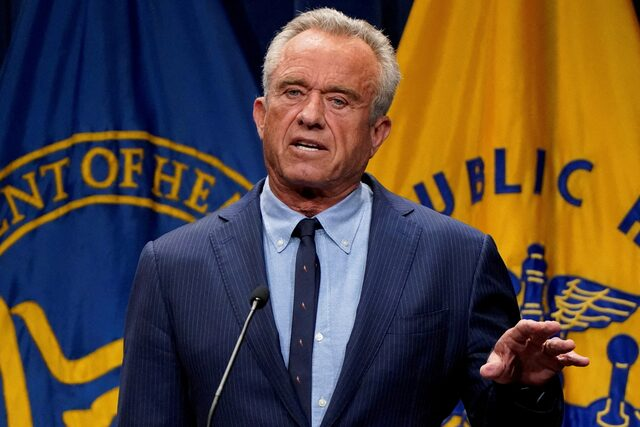
Speaking at a Mental Health and Overmedicalization Summit, Kennedy argued that psychiatric medications have become overly normalized in American healthcare and are too often prescribed as a first-line solution.
“Psychiatric medications have a role in care, but we will no longer treat them as the default,” Kennedy said during the event.
He stressed that the administration is not directing patients to discontinue treatment, adding: “If you are taking psychiatric medication, we are not telling you to stop.”
Among the initiatives announced were plans to create reimbursement guidelines for doctors who help patients taper off psychiatric medications safely, expand training for healthcare providers on medication withdrawal management, and publish national prescribing data to better track trends in antidepressant use.
The proposals reflect the growing influence of Kennedy’s “Make America Healthy Again” movement, which has criticized what it views as overreliance on pharmaceuticals and insufficient attention to lifestyle-based or non-drug approaches to health treatment.
SSRIs Remain Widely Used Across America
SSRIs have been among the most commonly prescribed medications in the United States for decades. According to a 2026 study published in the medical journal BMJ Mental Health, roughly one in six American adults reported currently taking an SSRI medication.
The drugs are widely available in low-cost generic forms and are frequently prescribed for major depressive disorder, generalized anxiety disorder, obsessive-compulsive disorder and post-traumatic stress disorder.
The American Psychiatric Association continues to describe SSRIs as evidence-based, frontline treatments for depression and several other mental health conditions.
Mental health experts note that these medications are often considered safer and more tolerable than older antidepressants, especially for long-term use. Many physicians argue that SSRIs have significantly reduced suicide risk and improved quality of life for millions of patients worldwide.
Experts Say Restrictions Would Face Major Legal and Scientific Hurdles
Pharmaceutical regulation specialists say any attempt to impose sweeping restrictions on approved antidepressants would face substantial scientific, legal and procedural obstacles.
The U.S. Food and Drug Administration oversees prescription drug approvals and safety reviews in the United States. Experts say the agency would require strong, newly established evidence demonstrating that the risks of SSRIs outweigh their medical benefits before significant limitations could be introduced.
That process could take months or even years.
FDA officials generally cannot revoke approval for long-standing medications without extensive scientific review. In most cases, the agency must either negotiate voluntary withdrawal with manufacturers or demonstrate that new evidence reveals unacceptable safety concerns.
Drug policy analysts point out that millions of Americans have used SSRIs safely for decades, making any abrupt policy shift politically and medically difficult.
Kennedy’s Past Claims Draw Scrutiny
Kennedy has repeatedly questioned the safety and widespread use of antidepressants in public speeches and interviews. Some of his claims, however, have been criticized by medical researchers for lacking scientific backing.
He has previously argued that SSRIs are overprescribed, particularly among children and adolescents, and claimed that withdrawal symptoms from antidepressants can be more severe than heroin addiction — a comparison many addiction experts dispute.
Kennedy has also suggested, without presenting conclusive evidence, that antidepressants may contribute to violent behavior or mass shootings. Last year, he said the Centers for Disease Control and Prevention was examining whether psychiatric medications could be linked to incidents of mass violence, though no detailed findings have been released publicly.
Medical organizations and psychiatric researchers have warned against drawing unsupported conclusions about antidepressants and violence, noting that untreated mental illness itself can pose serious risks to patients.
Psychiatric Community Pushes Back
The psychiatric community responded cautiously but critically to Kennedy’s latest initiative.
In a statement released after Monday’s summit, the American Psychiatric Association said it supports improved research into how antidepressants are prescribed and how patients can safely discontinue medications when appropriate.
However, the group strongly objected to characterizing America’s mental health crisis primarily as a problem of “overmedicalization” or “overprescribing.”
Psychiatrists argue that depression, anxiety and related conditions remain underdiagnosed and undertreated in many communities, especially among lower-income Americans and people with limited healthcare access.
Experts also warn that public messaging suggesting antidepressants are dangerous could discourage patients from seeking help or lead some individuals to stop taking medication abruptly without medical supervision — something doctors say can trigger severe withdrawal symptoms or mental health relapses.
Political Strategy Behind the Shift
Kennedy’s renewed focus on psychiatric medications also comes amid broader political calculations inside the Trump administration.
After months of controversy surrounding vaccine policy debates, administration officials reportedly encouraged Kennedy to pivot toward healthcare issues that resonate more broadly with voters ahead of the upcoming congressional midterm elections.
Mental health reform and concerns about pharmaceutical dependence have become increasingly prominent topics among parts of the American electorate, particularly among voters skeptical of large healthcare corporations and drug manufacturers.
By targeting antidepressant overuse rather than vaccine mandates, the administration appears to be seeking a politically safer healthcare platform while still maintaining Kennedy’s reform-oriented public image.
Future of the Debate Remains Unclear
For now, no official proposal to restrict or ban SSRIs has been introduced. But the discussions within federal health agencies highlight a growing debate over the role psychiatric medications play in modern healthcare.
Supporters of Kennedy’s approach argue that Americans deserve more transparency about medication risks and more alternatives to pharmaceutical treatment. Critics counter that antidepressants remain lifesaving tools backed by decades of research and clinical evidence.
As policymakers, regulators and healthcare professionals continue debating the issue, millions of Americans who rely on antidepressants for daily functioning are watching closely.
The outcome of the discussion could shape not only future mental health policy in the United States but also the broader national conversation about medication, public health and the balance between medical treatment and personal well-being.