

Kayem Foods, a Massachusetts meat producer, is recalling about 1.584 million pounds of ready-to-eat meat and poultry after a warehouse cooler failed to hold safe temperatures, the US Food Safety and Inspection Service (FSIS) said in its recall notice. The agency gave the recall its highest rating, Class I, and says some of the food may still be sitting in refrigerators and freezers across the country.
If you bought hot dogs, bacon, deli meat or sausages in the past several months, check them now. Do not eat any product on the recall list. Throw it out or take it back to the store where you bought it.
No illnesses have been reported so far. FSIS is still worried, because the products were made over more than six months and sold widely.
What Is Being Recalled
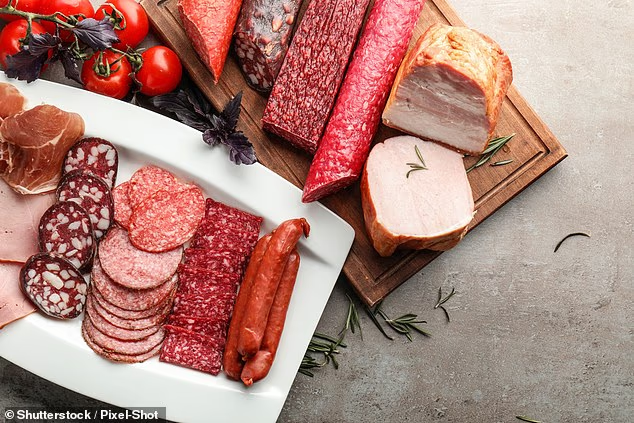
The recall covers a broad range of Kayem products: hot dogs, bologna, sausages, bratwurst, brisket, bacon, corned beef, ham, chicken sausages, liverwurst and turkey breast. FSIS has posted the full product list on its website, and that list, not the category names above, is what you should match against the packages in your kitchen.
The affected products were made between March 31, 2026 and October 7, 2026. They went to retail stores and foodservice locations nationwide, and some shipments also went to Hong Kong.
That production window runs about 27 weeks. Packaged meats like these often keep for weeks in a fridge and far longer in a freezer, so a package bought in the spring could still be in your home.
The foodservice shipmentshttps complicate matters. Products sent to foodservice locations may have been served at restaurants, cafeterias or catered events, where no package is visible to check. The recall notice gives no list of those buyers. If you are worried about a meal you ate out, the most practical step is to ask the business whether it bought Kayem products and to watch for symptoms.
How the Problem Was Found

The trouble surfaced on October 1, when a retail customer complained that Kayem product arrived warm at the point of delivery. Kayem Foods opened an investigation and traced the problem to a cooler in one of its warehouses. According to the company’s findings, the cooler had experienced “temperature deviations,” meaning it did not stay in the range needed to keep the meat safe.
FSIS describes the issue as “temperature abuse.” The term covers any case where food spends time outside the temperature range required for safe storage or transport. The US Department of Agriculture advises keeping cold food at 40 degrees Fahrenheit or below, and says bacteria multiply fastest between 40 and 140 degrees. Within that range, a couple of hours can be enough. Bacteria that are present in tiny numbers can grow to levels that make people sick, and the food may still look and smell normal.
Warm food does not always carry dangerous bacteria. The FSIS notice does not say whether any recalled product contains a harmful organism. The recall is a precaution, based on the possibility that the cooler conditions allowed bacteria to grow.
Why FSIS Chose Class I
FSIS uses three recall classes. Class I is the most serious. The agency defines it as a situation in which there is a reasonable chance that eating the product will cause serious health problems or death. FSIS applied that label even though no one has been reported sick, which tells you how the agency weighs the risk when ready-to-eat meat is involved.
Ready-to-eat is the detail to watch. Many people heat hot dogs or bacon before eating them, but deli meats, liverwurst, ham and sliced turkey often go straight into a sandwich. Cooking can kill many bacteria. Cold cuts skip that step.
Bacteria Linked to Temperature Abuse
Six bacteria commonly threaten meat and poultry stored at the wrong temperature: listeria monocytogenes, salmonella, campylobacter, E. coli, clostridium perfringens and staphylococcus aureus. The notice does not say which, if any, were found in the Kayem products. Two of them, listeria and salmonella, are among the most common causes of food recalls in the US, and both can multiply when food is not kept cold enough.
Listeria
Listeria monocytogenes causes an infection called listeriosis. The bacteria live in soil, water, moist environments, decaying vegetation and animals. Unlike most germs, listeria can survive refrigeration and other preservation methods, which is why it shows up so often in ready-to-eat foods.
Unpasteurized milk, soft cheeses and pre-packed sandwiches are the usual sources. Cooked shellfish, cured meats, smoked fish, sushi and pre-cut fruit also carry risk.
Around 1,250 Americans get listeria infections each year. Most recover without treatment. When the illness is more serious, it brings fever, muscle aches, headache, a stiff neck, confusion, loss of balance and convulsions, sometimes after diarrhea or other stomach symptoms. In pregnant women, listeria can cause miscarriage and stillbirth.
About 250 people die from it every year. Deaths tend to happen when the infection moves out of the gut and reaches the central nervous system.
Salmonella
Salmonella is among the leading causes of foodborne illness in the country. It causes roughly 1.35 million infections, 23,000 hospitalizations and 450 deaths a year.
Symptoms include diarrhea, fever, stomach cramps and dehydration. They call for medical attention in children under five, adults over 65 and people with weakened immune systems. Salmonella can also spread to the bloodstream and trigger sepsis, a life-threatening reaction in which the immune system overreacts to infection.
Most cases clear up with fluids and rest, and healthy adults usually recover within a week. Doctors prescribe antibiotics in more severe cases.
The Other Four
Campylobacter is commonly found in raw chicken and turkey. E. coli can multiply in food, and beef is the most frequent source. Clostridium perfringens grows quickly in cooked meat that is not stored properly. Staphylococcus aureus produces toxins that reheating does not destroy, so warming a suspect product on the stove or in the microwave will not make it safe.
Illness from any of these bacteria can bring diarrhea, fever, nausea, vomiting and abdominal cramps. Severe infections can lead to hospitalization, bloodstream infections, meningitis or death. Older adults, pregnant people, young children and anyone with a weakened immune system face the greatest danger.
What You Should Do Now
Start with the packages in your fridge, your freezer and any lunch meat you have set aside for the week. Compare the product names and production dates with the FSIS list. Anything that matches should not be eaten.
You have two options for matching products. Throw them away, sealed in a bag so pets and children cannot get to them, or return them to the store where you bought them. Wash any shelf, drawer or container that touched the meat with hot, soapy water, and clean your hands afterward.
Do not try to judge safety by smell, color or taste. Meat that has been through a temperature failure can look fine.
If you have eaten recalled products and feel well, you do not need to do anything special, but watch for symptoms over the next several weeks. Listeria in particular can take days or even weeks to cause illness. Contact a doctor if you develop a fever, stiff neck, severe headache, persistent vomiting or diarrhea, or signs of dehydration. Pregnant women, adults over 65 and people with weakened immune systems should call a healthcare provider promptly if they think they ate an affected product, even without symptoms.
For questions about the recall, the USDA Meat and Poultry Hotline can be reached at 1-888-674-6854.
Keeping Cold Food Cold at Home
The same temperature rules that failed in that warehouse apply to your kitchen. The USDA says perishable food should go into the refrigerator within two hours of leaving the cold, or within one hour when the air is above 90 degrees Fahrenheit, as it can be in a parked car on a summer day. An inexpensive appliance thermometer will tell you whether your fridge actually sits at 40 degrees or below and your freezer at 0 degrees. Dials and built-in displays are often off by a few degrees.
When the power goes out, keep the doors shut. A closed refrigerator holds its temperature for about four hours. After that, perishable meat is no longer safe to eat.
What Remains Unclear
Several questions are still open. The notice does not say how long the warehouse cooler was out of range or how warm it got. It does not say whether testing found any bacteria in the products, and it names no specific retailers beyond describing nationwide and Hong Kong distribution.
The dates also raise a question. The recalled products were made through October 7, yet the customer complaint that started the investigation came on October 1. FSIS has not explained how the production window extends past the date of that complaint.
Until FSIS or Kayem adds details, the guidance stays simple. Look at the list, check your kitchen, and throw out anything that matches.