

The Iran US nuclear talks have gone through one of the most turbulent stretches of any modern diplomatic process — swinging between cautious optimism, outright war, and a written agreement that collapsed within weeks of being signed.
As of mid-September 2026, the ceasefire established by the Islamabad Memorandum has effectively broken down. After President Trump declared the agreement “over” in early July, fighting flared repeatedly through the summer, including a fresh round of US and Iranian strikes in the first two weeks of September.
The IAEA’s Board of Governors has now adopted a resolution urging Iran to cooperate on nuclear inspections, and both sides continue trading strikes even as diplomats say a return to talks remains possible. Here’s how the talks got here, what was actually agreed to, and why the fighting resumed.
How the Iran US Nuclear Talks Began
The current round of diplomacy traces back to March 2025, when President Trump sent a letter to Iranian Supreme Leader Ali Khamenei proposing new negotiations, while warning of serious consequences if Iran refused.
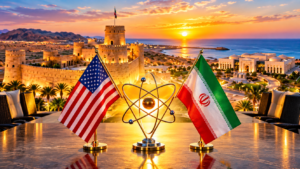
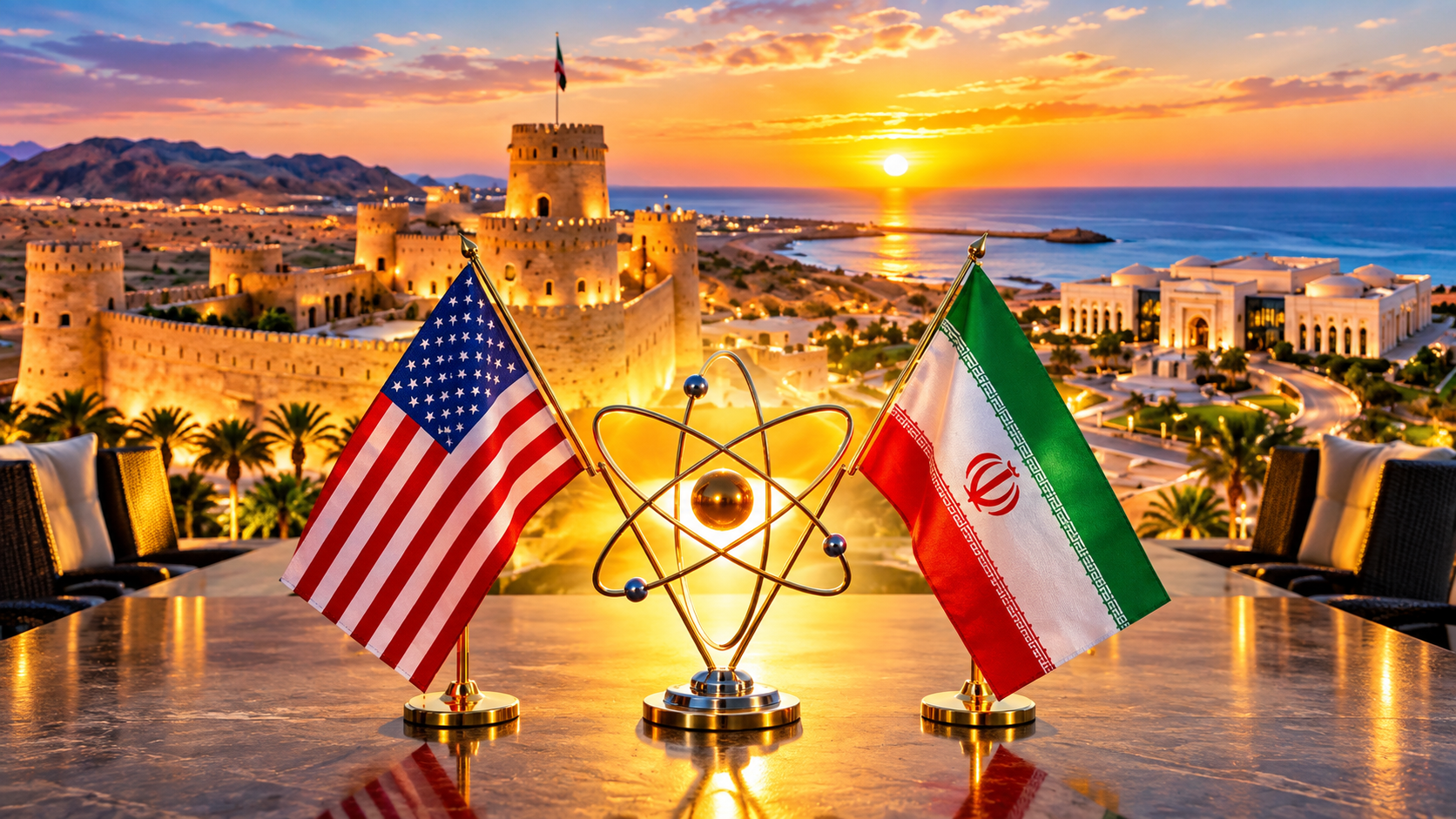
After initial hesitation, Iran agreed to indirect talks, and the first round was held in Muscat, Oman, in April 2025, led by US special envoy Steve Witkoff and Iranian Foreign Minister Abbas Araghchi.
Several more rounds followed in Rome and Muscat over the following weeks, with both sides describing the Iran US nuclear talks as constructive even as sharp disagreements persisted over Iran’s uranium enrichment rights, its stockpile of highly enriched uranium, and the scope of sanctions relief.
Trump’s team pushed for a complete end to Iranian enrichment, while Tehran insisted enrichment was a non-negotiable right. A 60-day deadline set by Trump passed without an agreement, and on June 13, 2025, Israel launched large-scale strikes on Iranian military and nuclear targets, triggering what became known as the Twelve-Day War.
The United States subsequently struck Iran’s Fordow, Natanz, and Isfahan nuclear facilities directly. Talks collapsed, and Iran suspended cooperation with the International Atomic Energy Agency (IAEA) shortly afterward.
The Path Back to the Table — and a Second War
Diplomacy resumed in early 2026 following mass protests inside Iran, even as the US continued building up its military presence across the Middle East. But the reprieve was short-lived.
On February 28, 2026, the United States and Israel launched a fresh round of large-scale strikes on Iran, marking the start of what’s now referred to as the 2026 Iran war. The strikes included the assassination of Ali Khamenei himself, along with senior security official Ali Larijani, who had been closely involved in the negotiations.
Months of fighting, competing ultimatums, and stalled talks followed. Trump alternated between demanding what he called Iran’s unconditional surrender and expressing optimism that a deal was close — CNN later counted at least 38 separate occasions between March and June 2026 where Trump claimed an agreement was imminent.
A brief two-week ceasefire announced on April 7 quickly ran into complications when Israel struck Lebanon the same day, with Iranian officials warning the truce couldn’t hold unless it extended to Lebanon as well.
The Islamabad Memorandum
The breakthrough — such as it was — came on June 17, 2026, when Trump and Iranian President Masoud Pezeshkian remotely signed the Islamabad Memorandum, a framework agreement aimed at ending hostilities. Trump signed it during a dinner with French President Emmanuel Macron at the Palace of Versailles following the G7 summit, while Pezeshkian signed separately in Tehran.
According to a summary from the UK House of Commons Library, the memorandum calls for a permanent halt to military operations on all fronts, including between Israel and Hezbollah in Lebanon, and states that Iran will not possess a nuclear weapon.
It also outlines a roughly $300 billion reconstruction plan for Iran, a process for lifting sanctions, and a framework for IAEA inspection of Iran’s nuclear program and disposal of its enriched uranium stockpile — with the detailed terms of all three left to be worked out in follow-up talks during an initial 60-day window.
The agreement was not universally welcomed. Israeli Prime Minister Benjamin Netanyahu reportedly told Trump that Israel did not consider itself bound by the memorandum’s Lebanon provisions and would keep its forces in place. Inside Iran, hardliners criticized the deal, even as Khamenei’s son Mojtaba Khamenei publicly endorsed it despite what he described as reservations.
The Ceasefire Collapses
The 60-day window that followed the memorandum’s signing proved short-lived. Late in June 2026, Trump accused Iran of violating the truce by launching drone attacks on shipping in the Strait of Hormuz, and US Central Command responded by striking Iranian missile and drone storage sites along with coastal radar stations.
By early July, the situation deteriorated further. After Iran struck commercial vessels in the Strait of Hormuz to assert its claim over the waterway, Trump declared on July 8, 2026, that the Islamabad Memorandum was “over,” though he said negotiators could keep talking. Sustained fighting has continued on and off ever since, with US and Israeli strikes and Iranian retaliation across the Gulf region.
Hostilities briefly quieted for roughly a month in August 2026, but renewed strikes broke that calm at the end of the month. On September 1, a US strike reportedly hit a home hosting a wedding in Iran, killing several people, and Iran responded with missile and drone attacks across the region.
By September 9, Iran’s Revolutionary Guard had struck a US base in Jordan and US Central Command said it had destroyed several Iranian oil tankers, even as Trump suggested on social media that the war could wind down after November’s US midterm elections.
The Core Unresolved Issue in Iran US Nuclear Talks: Inspections
Nearly three months after the memorandum was signed, the disagreement that keeps resurfacing is over IAEA access to Iran’s nuclear sites. Director-General Rafael Grossi has said the memorandum explicitly commits Iran to having its nuclear activities supervised by the agency, and that inspections of the bombed enrichment facilities are going to happen, regardless of the timeline.
Iranian officials have pushed back, arguing that under the memorandum’s terms, questions about inspecting war-damaged sites can only be resolved as part of a final, comprehensive agreement — not before one exists.
In practice, that dispute has meant the IAEA has been unable to visit Iran’s Fordow, Natanz, or Isfahan facilities since the strikes, and has only maintained access to unaffected sites like the Bushehr power plant. On September 9, 2026, the situation escalated from words to formal action: the IAEA Board of Governors adopted a resolution urging Iran to cooperate with the agency, following a special session where Grossi briefed the board on the continued lack of access and on monitoring equipment that Tehran has reportedly disabled.
Iran is believed to be sitting on enough highly enriched uranium — some estimates put it near 400 kilograms — to produce material for as many as ten nuclear weapons should it choose to pursue that path, though both Iran and the IAEA maintain that no enrichment to weapons-grade levels has taken place.
Sanctions Relief and Reconstruction Money
The second major sticking point is money. The memorandum ties sanctions relief and the proposed $300 billion reconstruction package to progress on the nuclear file, but the sequencing has never been fully settled: Iran wants tangible economic relief and restored banking access before making further nuclear concessions, while the US has generally wanted verified compliance first.
Reports throughout the summer also suggested the US was weighing whether some of Iran’s frozen assets — estimated in different reports at between $24 billion and $25 billion — could be released or redirected toward reconstruction costs tied to war damage, adding another layer of complexity to the financial side of the deal.
Other Sticking Points
A handful of other issues continue to complicate the picture:
- Missile program: Iran has repeatedly said its ballistic missile capabilities are not on the table for negotiation, a position reaffirmed by President Pezeshkian, while US lawmakers and Gulf allies have pushed for missile limits to be included in any lasting deal.
- Lebanon and Hezbollah: Despite the memorandum’s language on ending hostilities on all fronts, Israel has maintained it isn’t bound by the Lebanon provisions, leaving that piece of the wider settlement effectively unresolved.
- Domestic politics in both countries: Polling has shown deep skepticism on both sides — a majority of Americans in some surveys expressed low confidence in any nuclear deal with Iran, while inside Iran, economic hardship tied to the conflict has fueled public frustration and calls for political change.
What’s at Stake
The stakes extend well beyond the two countries directly involved. IAEA officials have warned that an Iranian nuclear weapon could trigger wider proliferation across the Middle East, as other regional powers move to acquire similar capabilities in response.
A verified, lasting agreement would also determine whether the Strait of Hormuz — a critical corridor for global oil shipping — remains fully open, and whether the broader web of conflicts touching Lebanon, the Gulf, and Iran’s regional proxies can be meaningfully de-escalated.
Where the Iran US Nuclear Talks Stand Now
As of mid-September 2026, the Islamabad Memorandum is no longer functioning as an active ceasefire, even though Iran has publicly called for a return to its terms. Fighting between the US, Israel, and Iran has continued intermittently for more than six months, spiking global oil prices and creating political pressure on the Trump administration ahead of the midterms.
On the nuclear inspections front, the IAEA Board’s September 9 resolution marks a formal step up in pressure on Iran, though it stops short of resolving the underlying access dispute. Sanctions relief and the proposed reconstruction package remain tied up in the same sequencing dispute that has stalled progress since June, and the missile and Lebanon issues remain outside the framework entirely.
Given how many previous breakthroughs in this process have unraveled, any further progress will likely continue to arrive in small, contested steps — if it arrives at all — rather than in a single clean resolution.