
Iran threatened Monday to hit back against any further U.S. attacks on its assets, warning that energy infrastructure across the Gulf, including American oil and gas interests, is within reach.
“Strike our assets and you get struck,” Iranian Parliament Speaker Mohammad Baqer Qalibaf said, a day after U.S. and Iranian forces traded strikes on shipping over the weekend that pushed oil prices to near six-week highs.
The warning highlights how close the conflict remains to further escalation. The two sides exchanged blows again over the weekend, with no sign of a diplomatic breakthrough that could end more than six months of fighting and restore normal energy flows through the Gulf.
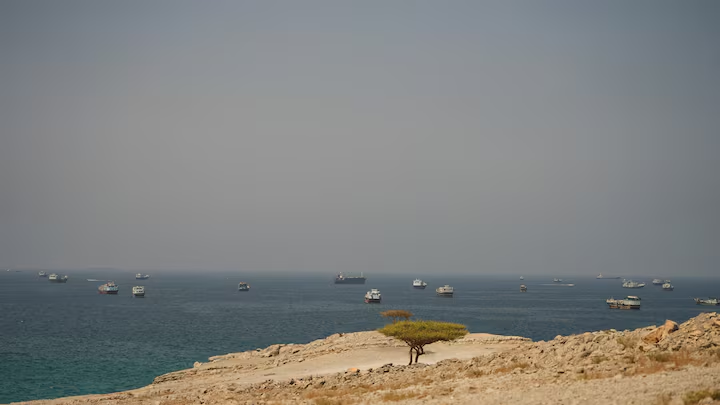
Iran has tightened restrictions on shipping through the Strait of Hormuz, a critical channel for global oil and gas supplies, since the war began with U.S. and Israeli strikes on February 28.
On Sunday, senior Iranian security official Mohsen Rezaei said Tehran would soon announce a new restricted zone in the Gulf along with a new shipping corridor through the strait. Rezaei said the zone would begin where a U.S. naval blockade of Iran starts and extend into parts of the Gulf. Any vessel entering the area would be placed on an Iranian sanctions list.
“We will only commit to the Strait of Hormuz being open when they [the Americans] stop the sabotage, threats and attacks on Iran,” Rezaei said.
Qalibaf followed with his own warning, responding to comments from U.S. Defense Secretary Pete Hegseth, who had described Iran’s oil tanker fleet as “defenceless.”
“It’s simple: the oil and gas production chain here is sprawling, accessible, and exposed. American oil and gas companies across these waters and facilities share that exposure,” Qalibaf, Iran’s top negotiator, wrote on X.
Lebanon Bombardment Raises Escalation Fears
Regional tensions rose further after Israeli strikes on a town in southern Lebanon killed at least 12 people Monday, according to Lebanon’s health ministry. Officials called it one of the deadliest days of bombardment in recent weeks.
The strikes have stoked fears of a renewed Israeli military campaign despite a June ceasefire with the Iran-backed Hezbollah group. They also complicate efforts to resolve the wider conflict. Tehran insists that any lasting agreement with Washington must include an end to Israeli attacks in Lebanon.
U.S. President Donald Trump has yet to achieve the goals he laid out when he launched “Operation Epic Fury” in February: ending Iran’s nuclear program, halting its ability to attack its neighbors, and creating conditions for Iranians to remove their leadership.
Tehran’s clerical rulers remain in power and are aiming to emerge from the war stronger than before. They continue to demand sanctions relief and hope eventually to collect fees from ships using the strait, which carried a fifth of global oil and liquefied natural gas shipments before the war began.
After a relative lull through much of August, hostilities intensified again following the collapse of an interim ceasefire reached in June. Diplomatic efforts have made little headway since.
Tanker Attacks Push Shipping To New Lows
On Saturday, U.S. forces struck three Iranian oil tankers, including one near Kharg Island, Iran’s main oil export hub, according to U.S. Central Command. The strikes followed attacks by Iran’s Revolutionary Guards on U.S. warships operating in the region.
Tehran has shown it can still hit U.S. interests in neighboring countries and disrupt oil flows through the Strait of Hormuz. Shipping data showed an average of just 10 commodity vessels transited the strait each day over the past 10 days, the lowest level since May.
Sanctions And Oil Blockade Squeeze Iran’s Economy
Iran has said it will step up efforts to tackle problems caused by U.S. sanctions crippling its economy. But the pressure is mounting. Three senior Iranian sources told Reuters that Washington’s campaign to choke off Iranian oil exports and curb sanctions evasion is becoming increasingly difficult for Tehran to withstand.
Qalibaf acknowledged over the weekend that Iran’s struggle is no longer confined to the battlefield. Alongside the military confrontation, he said, the country faces major domestic challenges including inflation, unemployment, currency volatility and market instability.
The conflict has also hit oil-producing Gulf Arab states such as the United Arab Emirates, which has come under fire from Iranian missiles and suffered attacks on its oil tankers in the Strait of Hormuz. UAE presidential adviser Anwar Gargash said Monday the country is building alternative routes for its energy exports and trade to avoid being “held hostage” by the war.
The disruption has also reached the United States, where higher fuel prices have added to economic pressures and weighed on Trump’s popularity ahead of November’s midterm elections, which will decide control of Congress.