Clicxpost

News

Trump Says US-Iran Talks Underway as Tehran Denies Negotiations

Trump Iran talks

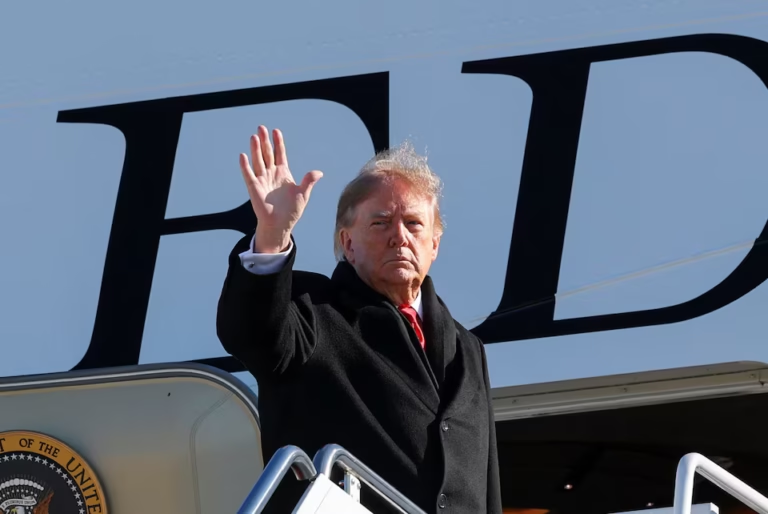
Confusion over the state of talks between the United States and Iran deepened on Tuesday, as conflicting statements from Washington and Tehran left the trajectory of their five-month war unclear, even as a fresh attack on shipping in the Strait of Hormuz underscored how much is still at stake for global energy markets.

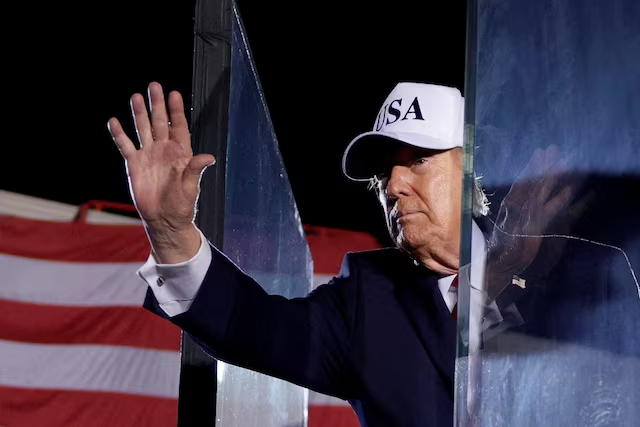
President Donald Trump told reporters Monday that negotiations with Iran were actively under way, framing the moment as a final opportunity for Tehran to reach an agreement. Iranian officials, however, flatly denied that any such talks were happening, let alone planned.

Two governments, two very different accounts

“They are going on right now,” Trump said during an Oval Office event when asked about the status of negotiations. He said the discussions were taking place at the request of several regional powers, including Iran itself, along with Saudi Arabia, the United Arab Emirates and Qatar. “This is a last chance for them to sign a good document,” he added.

The remarks followed Trump’s decision over the weekend to call off what he described as “massive attacks” he had authorized against Iran, citing the prospect of talks as the reason for standing down. It was not the first time he has taken that approach. Over the course of the conflict, Trump has repeatedly threatened major military action only to pull back at the last moment, often pointing to diplomatic openings as justification.

Iran’s account of events told a different story entirely. Foreign Ministry spokesman Esmail Baghaei said earlier Monday that no negotiations with the United States were taking place and that none were scheduled. He said Iran had no intention of hosting foreign delegations or dispatching negotiators abroad in the near term. According to Baghaei, every Iranian negotiator remained inside the country, with the exception of Foreign Minister Abbas Araqchi, who was on a religious pilgrimage in Iraq at the time. The only active discussions Iran acknowledged, he said, involved Oman, and concerned management of the Strait of Hormuz rather than any broader settlement with Washington.

A dangerous strait grows more dangerous
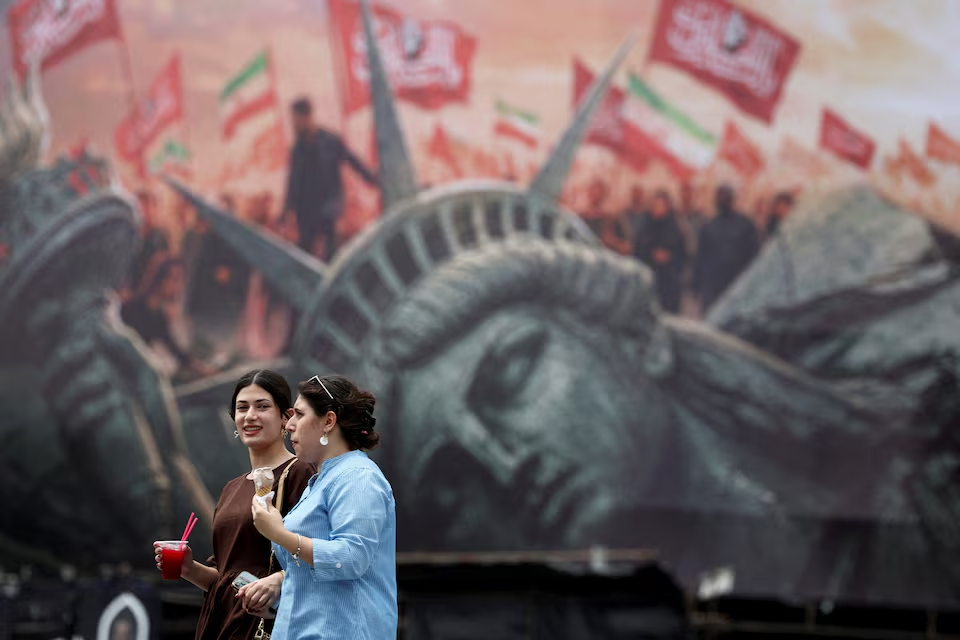
While the two sides disputed whether talks existed, activity in the Gulf offered its own signal. A cargo vessel reported being struck by an unidentified projectile near the strait off Oman’s coast, according to the United Kingdom Maritime Trade Operations agency. The incident added to an already tense standoff in the waterway, which handles roughly a fifth of the world’s crude oil and natural gas shipments and has seen transit slow to a crawl since Iran effectively blockaded the route earlier in the conflict.

Shipping data from Kpler showed just six vessels, three tankers and three bulk carriers, passed through the strait on Monday, down from seven the day before. The steady decline in traffic reflects how thoroughly the conflict has disrupted one of the world’s most important energy corridors, even as diplomatic signals suggest the two sides may be inching toward some kind of resolution.

Markets respond to hope, not certainty
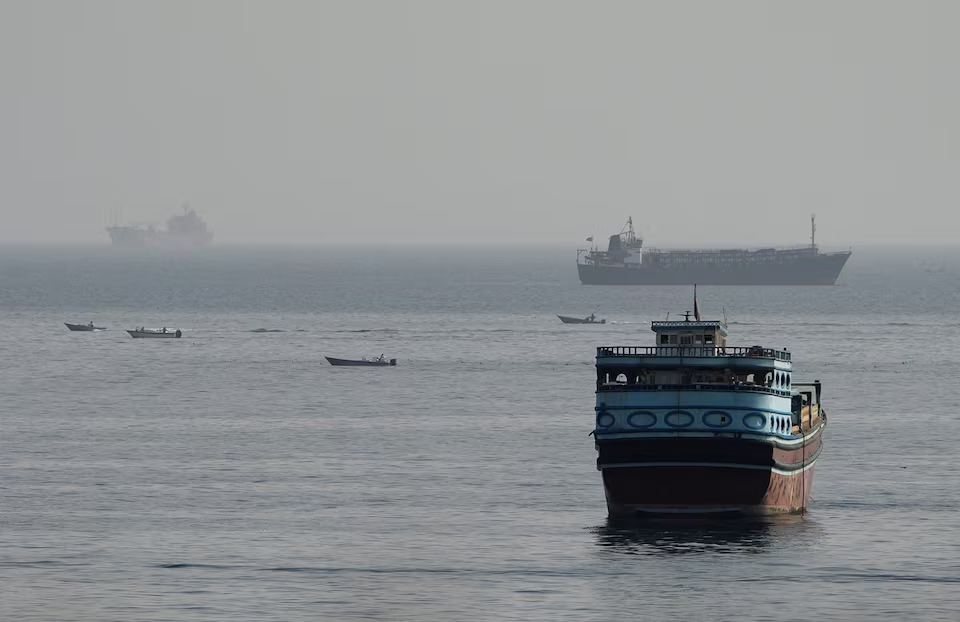
Despite the mixed messages out of Washington and Tehran, financial markets moved as though de-escalation were within reach. Brent crude futures dropped roughly 7 percent Monday, settling around $83.77 a barrel, while the Dow Jones Industrial Average closed at a record high. Asian stocks and oil prices ticked higher again on Tuesday, suggesting investors were, for the moment, betting on easing tensions rather than further conflict.

That optimism sits somewhat uneasily alongside the assessment offered by regional analysts, who argue Iran is playing a longer game. Gulf officials and outside experts say Tehran appears to be counting on its ability to outlast Washington by using the region’s trade routes, shipping lanes and energy infrastructure as leverage, steadily raising the cost of continued confrontation until the United States and its allies conclude that accommodation is cheaper than containment.

“Their big advantage is that they can hurt the regional states and the global economy,” said Michael Knights of the Washington Institute, describing the strategic logic behind Iran’s approach to the standoff.

Trump’s Truth Social broadside
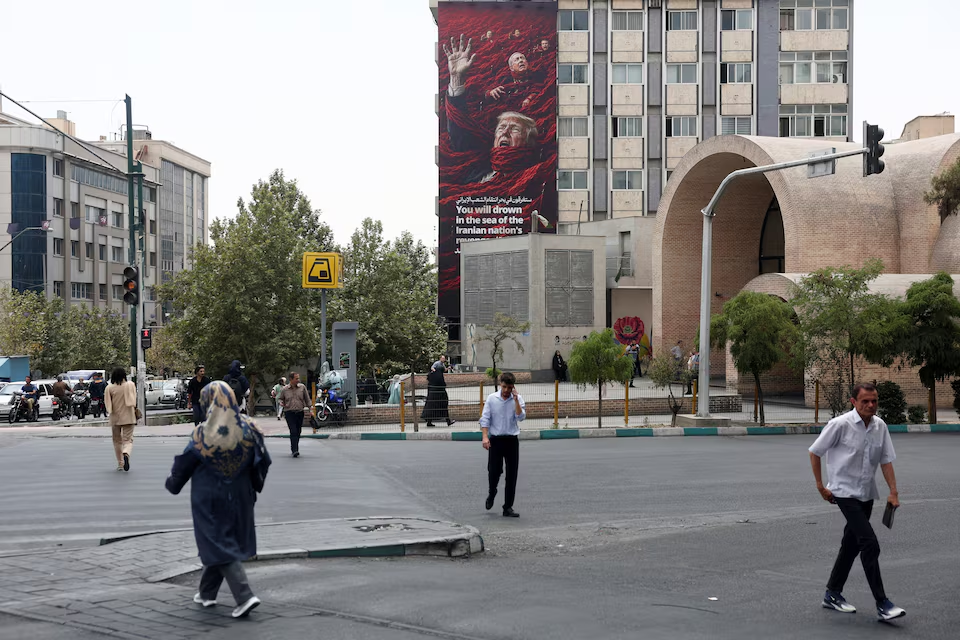
Later Monday, Trump escalated his rhetoric toward Tehran in a post on Truth Social, describing Iran’s leadership as “unbelievably duplicitous.” He claimed Iranian officials had requested a meeting and that additional talks were scheduled for the “immediate future,” a claim that stood in direct contradiction to Baghaei’s statement earlier the same day.

Trump also reiterated his assertion that the U.S. Navy maintains full control over the Strait of Hormuz, writing: “‘The United States Wall of Steel!’ Nothing gets through to Iran, unless we want it to, and nothing will get through, unless a Deal, or Total Surrender, is accomplished.”

The statement reflects the maximalist framing Trump has used throughout the conflict, even as the practical reality in the strait, marked by attacks on shipping and sharply reduced vessel traffic, suggests a more contested and volatile picture than “total control” would imply.

A pattern that keeps repeating

Monday’s contradictory signals fit a broader pattern that has defined the war since Trump launched “Operation Epic Fury” alongside Israel more than five months ago. Trump has threatened significant military escalation on multiple occasions, only to step back and cite diplomatic contacts as the reason. Iran, for its part, has publicly refused to negotiate with Washington since a memorandum of understanding the two countries signed in June collapsed in early July.

That collapse remains a central point of dispute between the two governments. Washington has argued the memorandum required Iran to reopen the Strait of Hormuz to normal shipping traffic. Tehran counters that the agreement’s text explicitly preserved Iran’s authority over traffic through the waterway, leaving the two sides with fundamentally incompatible readings of the same document.

Five months into the conflict, Trump has yet to achieve any of the objectives he laid out at its outset: dismantling Iran’s nuclear program, curbing Tehran’s capacity to strike regional rivals, and creating the conditions for Iranians to overthrow their clerical leadership. Each round of U.S. pressure has instead been met by escalating Iranian responses targeting American forces in the region, Washington’s Gulf Arab allies, and commercial shipping, responses that have, so far, each ended with Trump stepping back from further escalation rather than following through.

What comes next remains uncertain

The disagreement over whether talks are even taking place captures the broader difficulty of assessing where the conflict stands. Trump’s public statements point toward imminent diplomacy and a possible resolution. Iran’s public statements point toward continued stalemate, with only narrow, technical discussions occurring through Oman regarding the strait itself.

Markets, for now, appear to be pricing in the more optimistic version of events. But the attack on shipping near Hormuz, combined with the sharp drop in vessel traffic through the strait, suggests that whatever diplomatic movement may or may not be occurring, the practical risks to global energy flows have not meaningfully eased. Until Washington and Tehran can agree on the basic facts of their own negotiations, let alone the substance of any deal, the strait, and the wider region, are likely to remain a flashpoint capable of unsettling markets on short notice.
RECOMMENDED
News

Trump–Xi State Dinner: What Happened and Why It Matters

By George Mensah 7 min read

When and Where the State Dinner Took Place

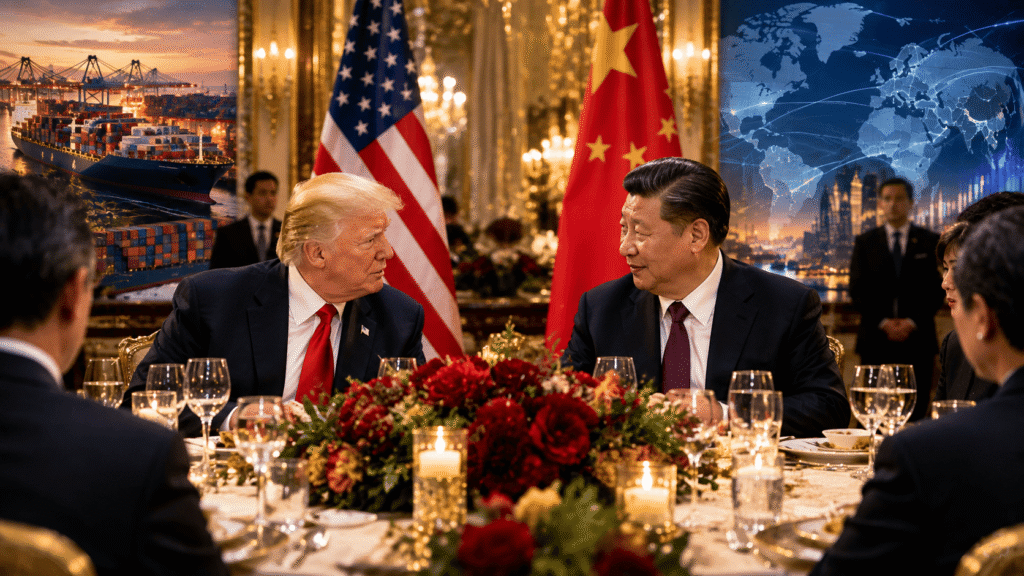
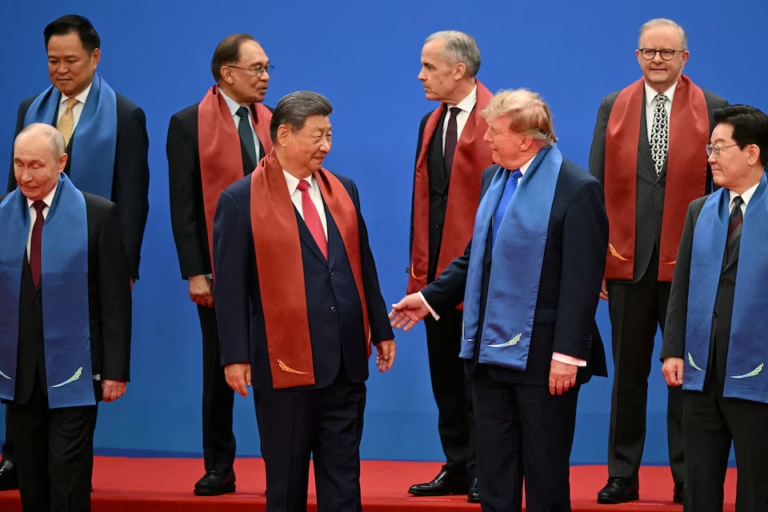
The Trump–Xi state dinner is scheduled to be held in the East Room of the White House in Washington, D.C on September 24, 2026. It followed a day of ceremony which had already been very full — military review in the Rose Garden, flyover, and a closed door meeting of the two leaders of about 90 minutes duration. At nightfall, the atmosphere shifted from tight-fisted diplomatic to candle-lit toasts and fine china.

Who Hosted the Dinner

The evening was hosted by President Donald Trump and his wife Melania Trump. Chinese President Xi Jinping and his wife, Peng Liyuan, attended. The office of Melania Trump said it was her who planned the entire thing, even choosing the wine and the flatware. The red china set used at the table was the one that was often used during Ronald Reagan’s presidency — a slight nod to White House practice.

Why Xi Jinping Was Honored With a State Dinner

It was not simply an ordinary dinner, as it was Xi’s first visit to Washington in 11 years and his second official U.S. state visit ever. It was also convenient, as Trump’s visit to the Chinese capital had come only a few months earlier, in May 2026, after Xi had been the host at the Great Hall of the People. Washington wanted to let him know that the relationship, despite its complexity, was taken seriously by rolling out a state dinner in his honor.

What Was on the Menu for the Trump–Xi State Dinner?

The White House described the menu as one that showcases “American ingredients with subtle Chinese influence.” Notably, there wasn’t a scrap of red meat on the table — the entire meal was pescatarian.

First Course

The menu began with a yellow squash velouté, smoothened and served with a wild mushroom fricassée, fresh herbs, crispy pancetta and a little scallion oil. It seems like a fancy dish on paper, but because it’s a classic and comforting dish, it’s actually just plain old comfort food, this time for company!

Main Course

Next, sesame-crusted sea bass, which has a thin layer of toasted sesame growing on its sides.Then, sea bass with a thin crust of sesame, which is toasted just enough to give the fish a crunch that doesn’t overpower it. It was served over braised baby bok choy and roasted garden eggplant, drizzled with a verdant sauce verde from fresh green herbs.

Dessert

For dessert, the kitchen served a vanilla crémeux with a sour cherry confit center, set on a walnut frangipane and shaped to look like a piece of fruit. Alongside it came a scoop of ice cream made with honey harvested from the White House’s own beehives — a detail Melania Trump introduced back in April when she unveiled the hive on the grounds.

Drinks and Wine Served

The evening opened with a toast of Schramsberg “Blanc de Noir,” a sparkling American wine. That choice wasn’t random — it was the same wine served during the historic 1972 “Toast to Peace” between President Nixon and Chinese Premier Zhou Enlai in Beijing, and it’s become something of a fixture at White House functions involving China ever since.

How the Menu Blended American and Chinese Influences

American Ingredients With Chinese-Inspired Elements

The kitchen leaned on homegrown American produce — squash, mushrooms, eggplant, sea bass — but cooked it with techniques and flavors that nod to China: sesame crusts, bok choy, scallion oil. It’s a small culinary handshake, really, meeting in the middle rather than picking a side.

The Significance of the Menu’s Flavors and Ingredients

Skipping red meat entirely was a quiet statement in itself. Fish-forward menus are common at high-level diplomatic dinners because they’re lighter, easier to pair with wine, and less likely to clash with any dietary customs among guests. It also let the kitchen show restraint instead of going for the classic American steak-and-potatoes approach.

Historical Connections Behind the Meal

The Nixon-era wine reference wasn’t just trivia for the menu card — it tied the entire evening back to the moment that first cracked open U.S.–China relations more than fifty years ago. Whether or not every guest at the table caught the reference, it was clearly meant to frame the dinner as part of a much longer story.

Who Attended the State Dinner?

Trump and Xi Jinping

Both leaders gave toasts during the evening. Trump gifted Xi a gold sculpture of a bald eagle, calling it a symbol of America’s “free and soaring spirit.” Xi, speaking through a translator, described their earlier talks as producing a shared understanding on multiple fronts.

First Lady Melania Trump and Peng Liyuan

Melania Trump and Peng Liyuan had their own separate program earlier in the day while the two presidents met privately, then joined together for the dinner itself.

Notable Political, Business and Diplomatic Guests

The attendees included a who’s-who of American tech. Among the guests were Jeff Bezos, Elon Musk, Mark Zuckerberg, Sundar Pichai, Michael Dell, Jensen Huang, Sam Altman, former Apple CEO Tim Cook, and Citigroup’s Jane Fraser and AMD’s Lisa Su. Tim Cook, Jensen Huang and his wife sat right beside the two presidential couples. Also in attendance were Trump’s extended family, including Melania’s father. Notably, no Anthropic representatives were on the guest list, and reports suggested that the Chinese business leaders who were earlier expected to join the delegation were not a part of the delegation.

Entertainment and Events During the Evening

Musical Performances

Tenor Christopher Macchio, a longtime fixture at Trump events, provided musical entertainment for the evening, backed by a military ensemble.

Special Presentations or Ceremonial Events

Trump used part of the evening to show off ongoing construction on a new White House ballroom, telling guests he wished it had been finished in time to fit even more people into the celebration.

The Evening’s Program and Atmosphere

Between the toasts, the gift exchange, and the music, the night carried the feel of a carefully choreographed performance — equal parts genuine diplomacy and photo opportunity, with both sides clearly aware the cameras were rolling.

State Dinner Protocol and White House Traditions

How a U.S. State Dinner Is Organized

A state dinner is the most formal type of White House social event, reserved for visiting heads of state. Planning usually spans months and covers everything from the guest list to the specific pattern on the china.

Seating Arrangements and Formal Etiquette

Seating at these dinners is never accidental. Placing tech executives like Cook, Huang, and Musk right alongside the two presidents signaled how central the tech and AI relationship is to the broader U.S.–China conversation.

The Role of the First Lady in Planning the Event

Traditionally, the first lady oversees the finer details — menu, flowers, table settings — and this dinner was no exception. Melania Trump’s office was the one that released the official menu details to the press, underscoring just how much of the event fell under her direction.

Trump and Xi’s Broader U.S.–China Meeting

Key Issues Discussed by the Two Leaders

Behind closed doors earlier that day, Trump and Xi covered a lot of ground: artificial intelligence safety, Taiwan, trade, the Iran war, and critical minerals. None of these are small topics, and none of them get fully resolved over a 90-minute meeting — but putting them all on the agenda at once shows how tangled U.S.–China relations have become.

Trade and Economic Relations

Trade remained a central thread, with Trump noting that both countries have been working toward what he called a more balanced trading relationship. Given the tariff battles and tech restrictions of recent years, even modest progress here counts as newsworthy.

Other Areas of U.S.–China Cooperation and Disagreement

Taiwan and AI safety remain the trickiest sticking points, areas where the two governments see the stakes very differently. Critical minerals, meanwhile, have become an increasingly practical concern, since so much of the global tech supply chain depends on materials China controls.

Why This State Dinner Is Significant for U.S.–China Relations

Diplomatic Symbolism of Hosting Xi Jinping

Rolling out a full state dinner for Xi, complete with military pageantry, sent a clear signal: Washington wanted this visit to be seen as a big deal, not a routine meeting.

How State Dinners Are Used in International Diplomacy

Dinners like this exist for a reason beyond good food. They give leaders a lower-pressure setting to build rapport, and they let both governments broadcast a message of stability to their own publics and to the rest of the world.

What the Event Signals About the Relationship

Between the toasts, the gift-giving, and the friendly language from both sides, the dinner suggested a period of cautious warmth — even if the underlying disagreements over trade, Taiwan, and technology haven’t gone anywhere.

Trump–Xi State Dinner: Key Details at a Glance

Detail Information
Date and Location September 24, 2026, East Room, White House
Menu Yellow squash velouté, sesame-crusted sea bass, vanilla crémeux with White House honey ice cream
Hosts and Honored Guest Hosted by Donald and Melania Trump; honoring Xi Jinping and Peng Liyuan
Major Attendees and Entertainment Bezos, Musk, Zuckerberg, Pichai, Cook, Huang, Altman, Su; performance by Christopher Macchio
News

Trump and Xi Meet at the White House, Trade Symbolism for Substance

By George Mensah 5 min read

President Donald Trump hosted Chinese President Xi Jinping at the White House on Thursday for a state visit built around pageantry, but the closed-door talks produced no visible breakthroughs on Taiwan, artificial intelligence, trade, or the war involving Iran.

Xi pressed Washington to oppose “Taiwan independence” during the afternoon meeting, according to a readout issued by China’s state news agency Xinhua shortly after the session ended. The White House had not released its own account of the discussion by Thursday evening.

Taiwan Arms Sales Remain in Question

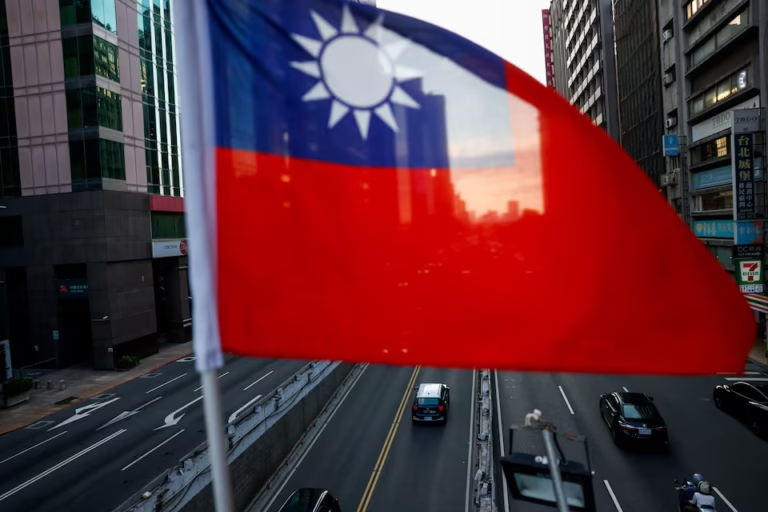
Xi had been expected to push Trump this week to halt US arms sales to Taiwan. After his trip to Beijing in May, Trump said he was holding back a $14 billion arms package to the island, describing it at the time as a “very good negotiating chip.”

That decision unsettled some US allies in Asia and drew quiet concern from Republicans who worry Trump could trade away support for Taipei to secure economic concessions from Beijing. China claims Taiwan as its own territory and has not ruled out taking it by force.

The summit followed Trump’s speech at the United Nations earlier this week, where he defended his willingness to use military force and said he could “annihilate” Iran. His tone with Xi on Thursday was noticeably different. Analysts point to a shift in leverage between the two leaders since a trade standoff earlier this year that ended with Washington backing down on tariffs.

Trump Emphasizes Personal Ties, Xi Talks Policy

Greeting Xi on Thursday, Trump spoke of a “truly great friendship” between the two men rather than dwelling on policy disputes. He said trade relations had improved since his May visit to China.

“During this visit, we will also discuss pressing issues concerning security, technology, and ‘super intelligence,'” Trump told reporters, using his preferred term for artificial intelligence.

Xi’s remarks carried a different tone. He said the two countries’ interests are closely linked and that competition between them should stay “healthy.” He added that US companies remain welcome in China and said he hopes “Chinese companies are treated fairly here in the United States.” Xi also called for regular military-to-military dialogue between the two nations to reduce the risk of miscalculation.

Edgard Kagan, a former senior White House official for East Asia now at the Center for Strategic and International Studies, said the contrast in approach reflects two different strategies.

“The president is casting it very much as about his personal relationship with Xi,” Kagan said. “What I found interesting was Xi is being much more cautious and suggesting that it’s less about the personal relationship than the national relationship.”

Thursday marked Xi’s first visit to Washington in more than a decade and the second meeting this year between the leaders of the world’s two largest economies.

A Visit Built for Spectacle

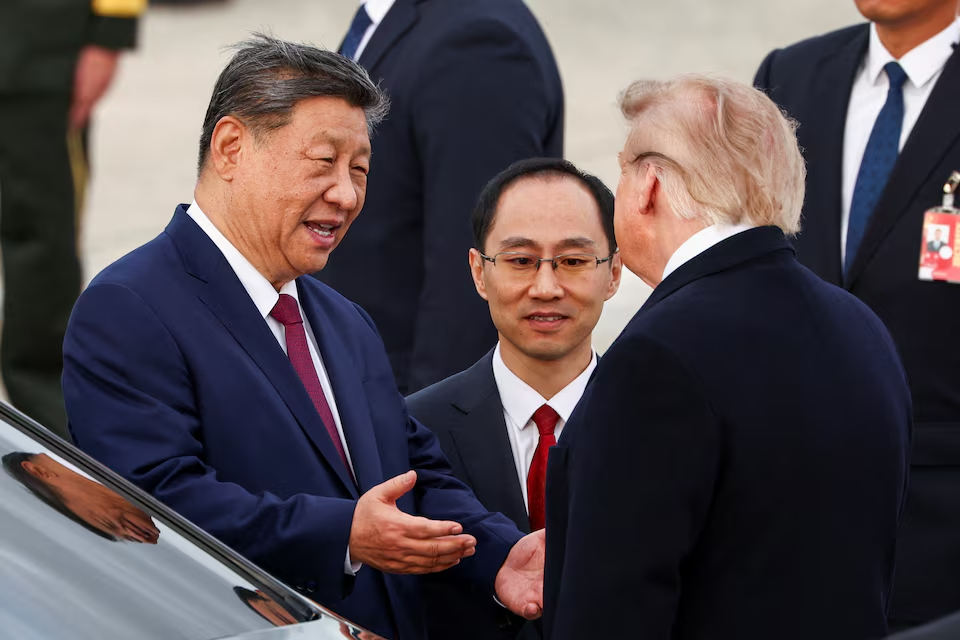
US President Donald Trump welcomes China's President Xi Jinping at Joint Base Andrews

Trump, who has long favored ceremony in his dealings with world leaders, treated the visit as a matter of national prestige as much as diplomacy. Yet the remarks from both leaders were not broadcast live by any major US television network. The networks declined to carry the footage after the White House barred CNN, MS Now, and Politico from the event.

Trump welcomed Xi on Wednesday evening with a red carpet reception at Joint Base Andrews, the first time a US president has greeted a foreign leader there since Barack Obama met Pope Francis in 2015, according to C-SPAN.

On Thursday, the two leaders watched a military ceremony that included a flyover at the Rose Garden. After their private meeting, Trump gave Xi a tour of a newly built helipad on the South Lawn.

“He loves good granite,” Trump told reporters afterward, calling the meeting “great” without offering further detail.

The optics carry political risk for Trump at home. With midterm elections approaching in November and Republicans defending narrow majorities in Congress, voters are already anxious about inflation and the ongoing conflict with Iran. Trump has spent months branding Democrats as “communists,” yet on Thursday he welcomed the head of the Chinese Communist Party as a personal friend, with Chinese flags hung alongside American ones above the Oval Office.

Analysts See Few Real Breakthroughs

Despite the ceremony, few expect the visit to produce major policy shifts. Treasury Secretary Scott Bessent told Fox News on Wednesday, after talks with Chinese Vice Premier He Lifeng, that the two sides had agreed to extend a pause in their trade dispute until January 10.

Trump wrote in a Truth Social post Thursday morning that AI, which he calls “super intelligence,” would be a major topic but signaled little appetite for new regulation, despite warnings from industry figures about the technology’s risks.

“Super Intelligence (SI) will be a big topic of discussion, but I want to leave it exactly where it is,” Trump wrote. “That is China’s position also.”

Xi struck a more cautious note on the same subject, saying both countries must “ensure that the development of AI is always under human control.”

Analysts expect the rivalry between the two nations in AI development to limit any cooperation beyond symbolic statements.

Behind the Scenes, Deeper Disputes Persist

People familiar with the discussions say the talks could yield agreements on lowering some tariffs, curbing drug trafficking, and expanding military dialogue. Trump is also expected to press for the release of Americans detained in China.

Xi holds a stronger hand than he did in earlier rounds of talks. China has posted strong trade growth this year, and Beijing controls much of the global supply of rare earth minerals, giving Xi added leverage in negotiations.

Both leaders have reasons to want stability. Trump remains tied down by an unpopular war involving Iran, while Xi is managing economic pressures at home. Still, disagreements over Taiwan, export controls, artificial intelligence, and the Iran conflict could resurface at any point.

Beijing has shown little willingness to pressure Iran, a longtime ally, into meeting US demands. During Thursday’s meeting, Xi voiced support for a ceasefire between the US and Iran and said he hopes the two sides eventually reach a peace agreement, according to Xinhua.

A Dinner Guest List Heavy With Tech Power

Thursday’s state dinner drew a list of attendees that included Apple’s Tim Cook, Amazon’s Jeff Bezos, Alphabet’s Sundar Pichai, OpenAI’s Sam Altman, Tesla’s Elon Musk, and Nvidia’s Jensen Huang.

Despite the presence of executives eager for looser trade rules, people familiar with US planning say Trump intends to keep existing export controls on American technology in place, controls that Beijing has pushed to have eased.

The state visit closes with both sides claiming progress on narrow issues like tariffs and trade timelines, but with the core disputes over Taiwan, technology, and the broader US-China rivalry left largely where they started.

ADVERTISEMENT
Scroll to Top