Russia’s military told President Vladimir Putin on Friday that its forces had taken Kostiantynivka in eastern Ukraine, a city Moscow has spent years trying to capture in its push through the Donetsk region. The announcement marks one of the more significant territorial claims Russia has made in months, coming as the war approaches the start of its fifth year with no resolution in sight.
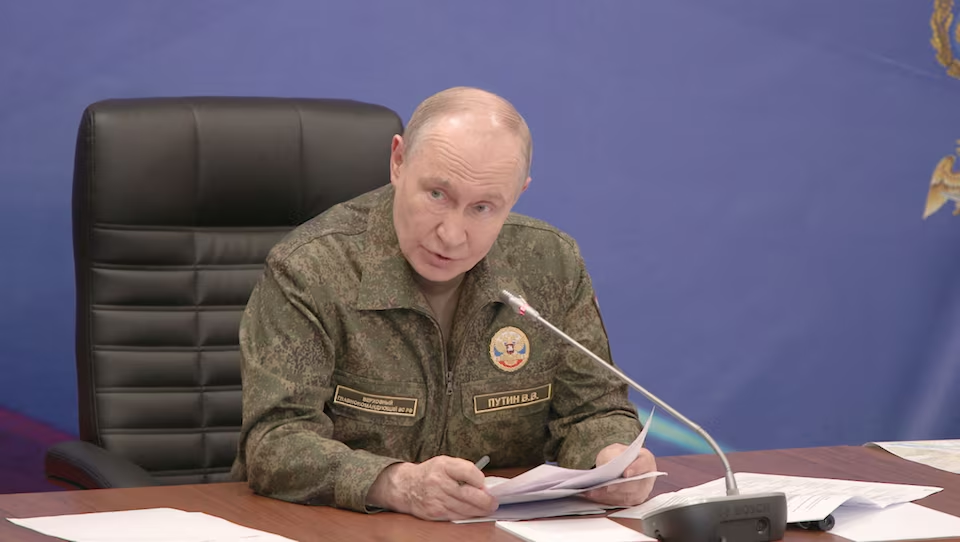
Putin appeared in videos visiting a command post, where he received a report from top commanders and called the city’s capture a major strategic achievement. He also said Russian forces would need to expand security zones in response to intensified Ukrainian long-range strikes, most of them aimed at Russia’s oil industry. Ukraine has not commented on Russia’s claim to have taken the city, and independent verification of the battlefield situation remains difficult given restricted access to the frontline.
General Valery Gerasimov, chief of Russia’s General Staff, announced the capture in a report on the war’s progress. He said forces in the southern group were pushing to “liberate” the entire Donetsk region, part of the broader Donbas area that Russia has named a core objective of the war since the early stages of the invasion. “The troops of the group have liberated the city of Kostiantynivka, one of the main defensive hubs of the enemy within the Sloviansk-Kramatorsk-Kostiantynivka fortified area,” Gerasimov said.
Russian officials have claimed control over parts of Kostiantynivka for some time, and the city’s fall, if confirmed, would remove one piece of a cluster of fortified positions that make up a key part of Ukraine’s defensive network in the region. Military analysts have long viewed the Sloviansk-Kramatorsk-Kostiantynivka corridor as the backbone of Ukrainian defenses in Donetsk, meaning its loss would carry weight beyond the city itself. Putin pointed to its economic role as much as its military value. “We all know that this city is a key transport and large industrial centre of Donbas,” he said, framing the capture as both a battlefield and an economic setback for Kyiv.
Images From the City
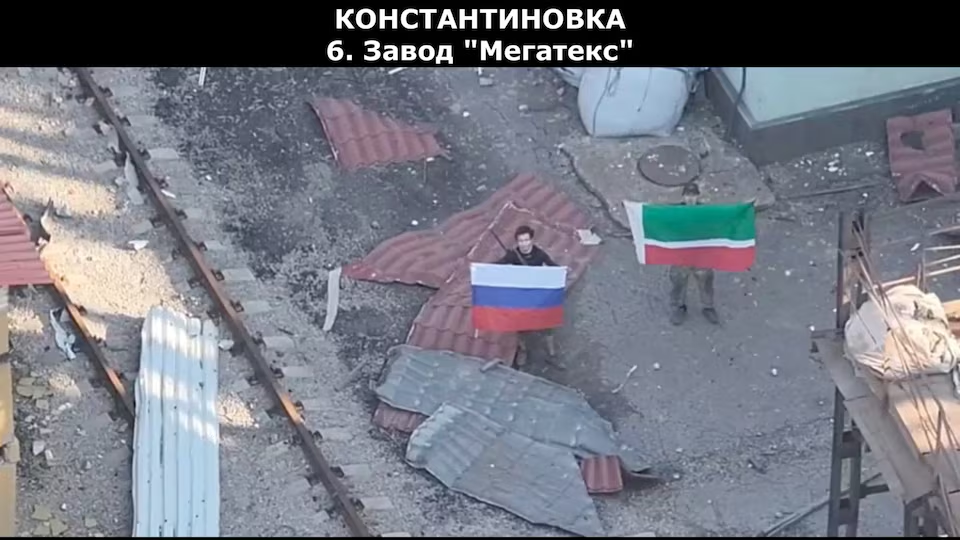
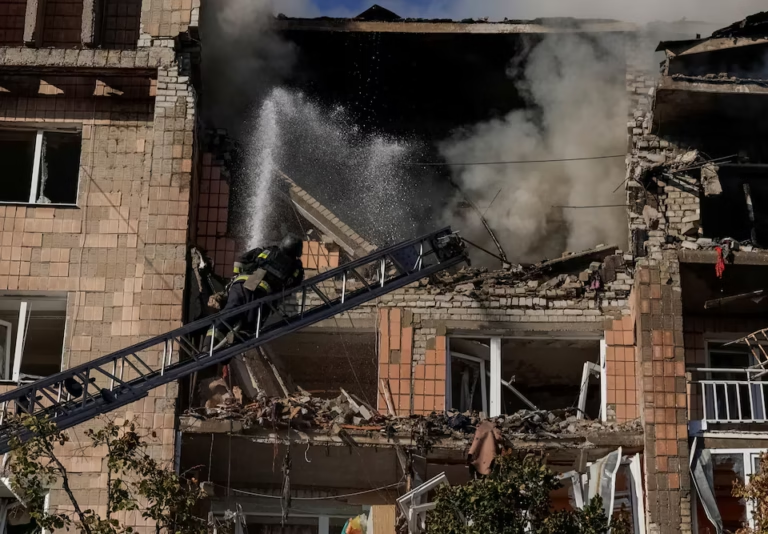
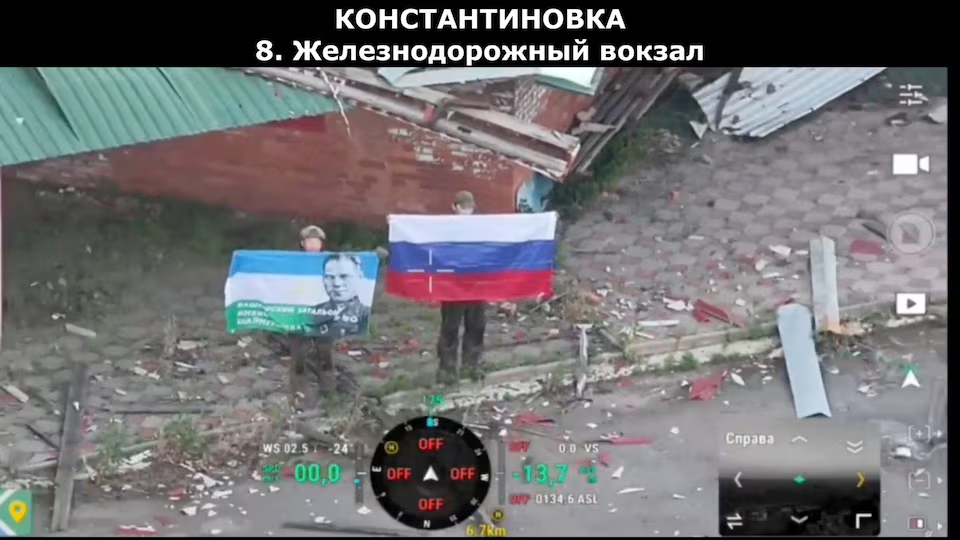
Russia’s Defence Ministry posted photos on Telegram that it said showed scenes from Kostiantynivka, including soldiers holding Russian flags near damaged buildings. The images, consistent with similar releases following other claimed captures throughout the war, could not be independently verified.
Gerasimov told Putin that Russian troops were also advancing on Lyman, a town roughly 70 kilometers to the north, which he described as central to further gains in that direction. Lyman has changed hands more than once since the war began, and a renewed push there would extend Russia’s momentum beyond Kostiantynivka into another contested area.
Separately, Yevgeny Nikiforov, who commands Russia’s northern troops, said his forces had not yet stopped Ukrainian drone strikes that have damaged oil facilities and triggered fuel shortages inside Russia. Those strikes have become a recurring feature of the war, with Ukraine increasingly targeting refineries and storage depots far from the front line in an effort to squeeze Russia’s energy revenue and disrupt fuel supplies for its military.
Putin tied that threat directly to his security zone comments, suggesting that continued Ukrainian strikes would prompt Russia to carve out larger buffer areas along its border and in occupied territory. “The more attacks the enemy tries to carry out on our civilian facilities … the larger a security zone we’ll have to establish in the neighbouring territory,” he said. Nikiforov added that Russian troops were making headway securing border areas in the Kharkiv and Sumy regions, where Moscow has pushed for wider buffer zones since Ukrainian forces briefly held territory inside Russia’s Kursk region earlier in the war.
Diverging Accounts of the Frontline
Ukrainian President Volodymyr Zelenskiy and other officials have said Russia’s advance in the east has slowed sharply since the start of the year, with Ukrainian forces even reclaiming some ground in isolated sectors. That account stands in direct contrast to the picture Russian officials presented on Friday, underscoring how differently the two sides are characterizing the state of the war heading into its fifth year.
Putin rejected Zelenskiy’s version of events outright, calling it an “information campaign in which it puts on display supposed successes.” The dismissal reflects a pattern that has held throughout the war, with both governments offering conflicting narratives about momentum on the ground that are difficult for outside observers to reconcile.
The exchange comes against a backdrop of stalled diplomacy. Zelenskiy sent Putin an open letter last month requesting a direct meeting, an overture the Kremlin turned down without offering an alternative timeline for direct talks between the two leaders. The rejection leaves in place the current arrangement, in which negotiations proceed through intermediaries rather than face-to-face contact between Putin and Zelenskiy.
U.S.-brokered peace talks have been paused during the conflict in Iran, which has pulled American diplomatic attention elsewhere in recent weeks. Despite the pause, officials in both Moscow and Kyiv say they expect a visit soon from lead negotiators Steve Witkoff and Jared Kushner, suggesting that Washington intends to resume its mediating role once the situation in Iran allows for it. Neither side has indicated when that visit might take place or whether it will produce any shift in the two governments’ positions, which remain far apart on the core issues of territory and security guarantees that any lasting settlement would need to address.