
Iran fired missiles and drones at American bases in Kuwait and Bahrain on Sunday, shattering the calm that had settled over the region since a fragile truce took hold earlier this month. Air defense systems in both Gulf states scrambled to intercept incoming fire, and the attack landed just hours after President Donald Trump warned that Washington could finish the job against Tehran if it kept violating the ceasefire.
Israeli forces struck targets in Lebanon on the same day, stretching the crisis from the Persian Gulf to the Mediterranean coast. Diplomats and analysts who have tracked the agreement since it was signed now say the truce is closer to collapse than at any point since its creation.
Missiles Hit Two Gulf Nations
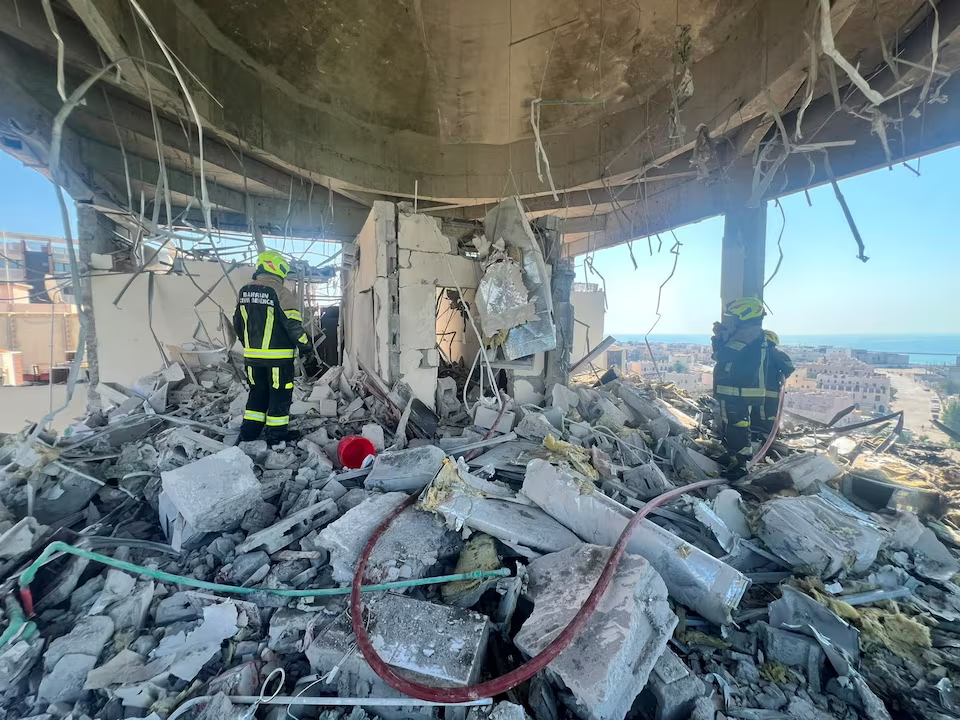
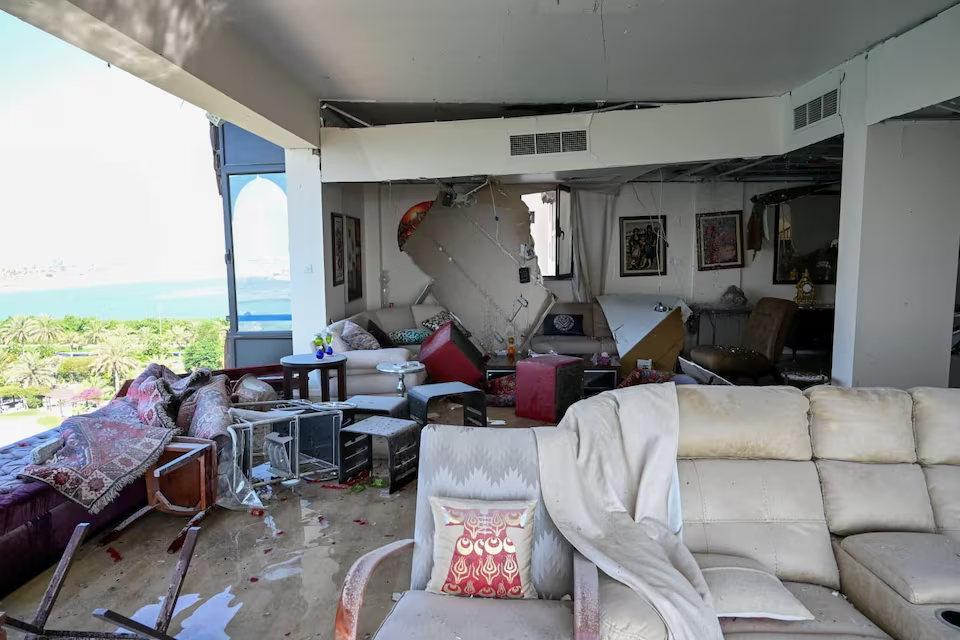
Kuwait’s army said it intercepted two ballistic missiles early Sunday and reported no injuries or property damage. Bahrain wasn’t as lucky. Air raid sirens sounded across the kingdom after an Iranian strike damaged a residential building in Muharraq province. No one died, but Bahraini officials called for an emergency session of the United Nations Security Council and accused Iran of putting the entire region at risk.
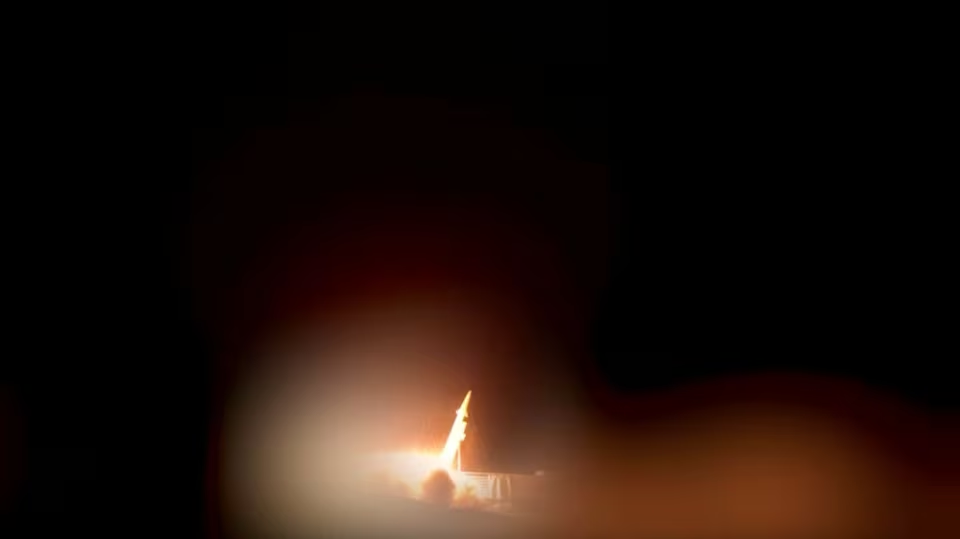
Iran’s Islamic Revolutionary Guard Corps claimed the attacks within hours. The Guards said their navy and air force hit American military sites in both countries because the United States had already broken the ceasefire through earlier strikes. “The United States has breached the terms of the truce and diplomatic processes can no longer continue under these circumstances,” the IRGC said in a statement. The group went further, warning that U.S. bases in the region “will experience hell in the coming days.”
A U.S. official, speaking anonymously because assessments were still underway, confirmed Iranian projectiles hit American facilities but said there were no casualties and no serious damage. Trump responded on social media with one of his sharpest warnings since the truce was signed. “There may come a point when we are no longer able to be reasonable,” he wrote. “If that happens, the Islamic Republic of Iran will no longer exist.”
A 14-Point Deal Built on Sand
The interim agreement that’s now under threat runs 14 points. It was meant to end fighting that broke out on February 28 and to reopen the Strait of Hormuz, the narrow waterway that carries a massive share of the world’s oil and gas shipments. It also set up a path toward future talks on Iran’s nuclear program and broader security questions in the region.
Vice President JD Vance met with Iranian parliamentary speaker Mohammad Baqer Qalibaf in Switzerland last week as part of that diplomatic track, and Washington eased some sanctions on Tehran as a show of good faith. None of it held. Both governments now blame each other for breaking the deal, and military operations have continued on several fronts at once. Sunday’s missile strikes may be the clearest sign yet that the agreement is failing.
Washington Strikes Back First
The missile attacks didn’t come out of nowhere. U.S. Central Command said it launched its own strikes on Iranian targets after a Panama-flagged tanker was hit by an Iranian drone on Saturday. American forces went after Iranian surveillance systems, communication facilities, air defenses, drone storage sites and mine-laying equipment. “Iran was given an opportunity to honor the ceasefire agreement but chose not to do so,” Central Command said.
Iranian state media reported explosions in the southern town of Sirik but gave almost no detail on the damage. The Revolutionary Guards dismissed any suggestion that the American strikes weakened their grip on the strait. “Our dominance over the strait remains intact,” the Guards said.
The Strait That Holds the World’s Oil Hostage
Before the war started, the Strait of Hormuz carried about one-fifth of the world’s oil and liquefied natural gas. Iran has throttled traffic through the waterway throughout the conflict, rattling energy markets and stoking fears of a drawn-out supply crunch.
Iranian Foreign Minister Abbas Araqchi said restoring normal shipping through the strait is Iran’s call alone, and he warned other nations not to interfere with what he called Tehran’s administration of the waters. The U.S. has pushed alternative routes along Oman’s coast instead, while Iran wants ships to pass through its own waters, possibly under a new transit fee system.
Some shipping has trickled back despite all of this. Container giant CMA CGM said one of its vessels cleared the strait successfully on Sunday, calling the transit a meaningful step forward given the security situation. Oil prices, which spiked during the worst of the fighting, have eased as supply slowly returns to global markets.
Lebanon Adds Another Fault Line
Israel announced new military operations in Lebanon the same day, adding a third front to an already chaotic weekend. The Israeli military said its forces killed Hezbollah fighters carrying rocket-propelled grenades and destroyed a rocket launcher in the Nabatieh area. Hezbollah hadn’t responded as of Sunday.
The timing stung. The strikes came just one day after Lebanon and Israel signed another U.S.-brokered ceasefire meant to cool tensions along their border, the latest in a string of agreements that have failed to stick. Israel says it won’t fully withdraw from territory it holds in southern Lebanon while Hezbollah refuses to disarm as long as Israeli troops stay put.
Iranian officials argue that Washington’s deal with Tehran requires the U.S. to rein in Israeli operations in Lebanon. Araqchi said that responsibility falls on the United States, and that continued Israeli strikes undercut the credibility of the entire peace framework. By his account, the fighting in Lebanon now threatens both the local ceasefire and the larger agreement between Washington and Tehran.
For now, the interim deal technically still stands. But missile strikes on U.S. bases, fresh American attacks on Iran, and ongoing violence involving Hezbollah have piled up fast, and few in the region believe the peace will hold without another major breakthrough in the days ahead.